The Timeless Allure and Evolving Trends of Lace Wedding Dresses in Modern Bridal Fashion

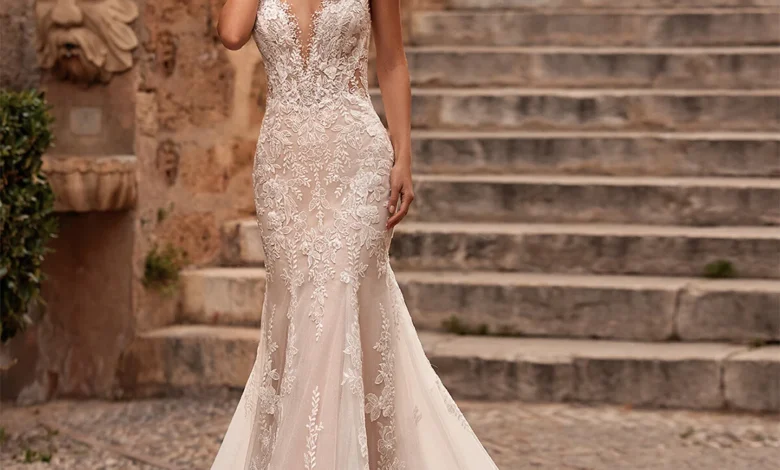
The wedding industry has long regarded lace as the pinnacle of bridal elegance, a fabric that transcends fleeting trends to maintain a permanent position at the forefront of high fashion. From the intricate needlework of the Victorian era to the bold, three-dimensional motifs of the 21st century, lace continues to define the aesthetic of the modern bride. As the bridal market prepares for the 2025 season, designers and industry analysts are observing a significant shift in how this delicate textile is utilized, balancing traditional craftsmanship with innovative technology to meet the demands of a diverse and global clientele.
Historically, the prominence of lace in bridal attire can be traced back to the 1840 wedding of Queen Victoria, whose choice of a white Honiton lace gown set a precedent that remains the standard for Western weddings. Today, the global bridal wear market, valued at approximately $61 billion, continues to see lace-based designs as a primary revenue driver. Industry data indicates that despite the rise of minimalist, "clean girl" aesthetics involving silk and crepe, lace remains a preferred choice for over 60% of brides globally, with specific sub-sectors like vintage lace seeing a dedicated following that accounts for more than 35% of the market share.
The Evolution of Lace: From Tradition to Innovation
The craftsmanship behind lace wedding dresses has undergone a radical transformation. Traditionally, lace was a labor-intensive, handmade luxury reserved for the aristocracy. Modern manufacturing has democratized the fabric, yet high-end designers continue to push the boundaries of what machine-made and hand-finished lace can achieve. According to industry experts, the 2025 bridal season is characterized by "Utopian" themes—a move toward hyper-realistic floral motifs and dimensional textures.
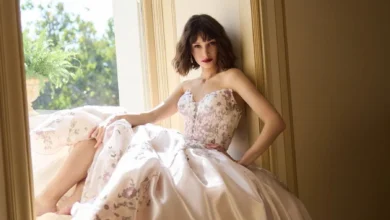
Designers are increasingly moving away from flat, two-dimensional patterns in favor of bold, dimensional flowers. These elements are no longer just surface decorations; they are being integrated into the structural integrity of the gown. Floral lace embellishments are now being applied to necklines, skirts, veils, and even dramatic capes, creating a cohesive narrative throughout the bridal ensemble. This trend toward "botanical realism" reflects a broader consumer desire for garments that feel organic and connected to nature, a sentiment particularly strong in the post-pandemic wedding boom.
Market Segmentation and Consumer Preferences
A detailed analysis of consumer behavior reveals that the "lace bride" is not a monolith. The market is segmented into several distinct aesthetic categories, each driving specific design innovations:
1. The Resurgence of the Vintage Aesthetic
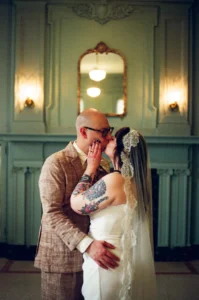
Data collected from bridal registries and fashion surveys suggests that roughly 35% of brides prioritize a "vintage" look. This preference is driven by a desire for timelessness and a rejection of "fast fashion" influences. Vintage-inspired gowns often feature long sleeves and high necklines, utilizing Alencon or Chantilly lace to evoke a sense of heritage. The long-sleeve lace gown, in particular, has seen a 20% increase in search volume over the last three years, popularized by royal weddings and celebrity influencers who favor a modest yet sophisticated silhouette.
2. The Bohemian and Free-Spirited Movement
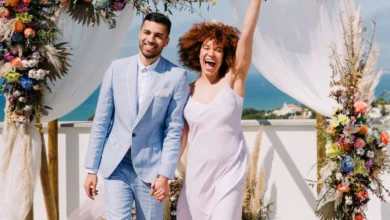
The "Boho" segment remains a dominant force, particularly for outdoor and destination weddings. Brands like Dreamers & Lovers have capitalized on this by offering unstructured, flowy designs that prioritize comfort without sacrificing detail. Bohemian lace often features geometric patterns or heavy guipure lace, which offers a more matte finish compared to the sheen of traditional bridal lace. This style appeals to a demographic that values individuality and a relaxed, whimsical atmosphere.
3. Rustic and Inclusive Design
The rustic wedding trend, typically set in barns or countryside estates, has necessitated a shift in textile durability. Rustic lace gowns often incorporate earthy textures and sturdier lace overlays that can withstand outdoor environments. Furthermore, the industry has made significant strides in inclusivity. Plus-size lace wedding dresses in rustic styles are now a major focus for designers, ensuring that intricate patterns and flattering silhouettes are accessible to all body types. The use of "placement lace"—where patterns are strategically positioned to highlight the wearer’s figure—has become a standard technique in inclusive design.
4. The Coastal and Destination Influence
For beach weddings, the technical requirements of lace change significantly. Brides in these settings demand "breathable" luxury. This has led to the rise of "beach-flowy" lace, which utilizes lightweight nylon or cotton blends. Open-back designs and short lace dresses are increasingly popular in this segment, providing a solution for high-temperature environments while maintaining a formal bridal feel.
Technical Innovations in Bridal Construction
One of the most significant shifts in the 2024-2025 timeline is the move toward modular and customizable bridal wear. Leading designers, including Naama Navipur, have highlighted the soaring popularity of detachable elements. Off-the-shoulder lace sleeves that can be removed after the ceremony allow brides to transition from a formal, traditional look to a more functional reception outfit without the expense of a second dress.
This "two-in-one" trend is a direct response to the economic pressures on modern couples, who are looking for ways to maximize the value of their wedding investments. The engineering of these detachable components requires high-precision lacework to ensure that seams are invisible and that the aesthetic remains consistent whether the sleeves are attached or removed.
The Role of High-End Disruptors: Grace Loves Lace
The Australian-born label Grace Loves Lace has been credited with disrupting the traditional bridal industry by introducing the "stretch lace" wedding gown. By removing the need for restrictive corsetry and zippers, the brand tapped into a global desire for "comfortable luxury." Their success underscores a broader industry implication: brides are no longer willing to sacrifice physical comfort for aesthetic appeal. The popularity of their low-back, simple lace designs has forced traditional couture houses to re-evaluate their construction methods, leading to a more "unstructured" approach across the board.
Practical Considerations and Expert Guidance
Choosing a lace wedding dress involves a technical understanding of the fabric types available. The industry classifies lace into several primary categories, each offering a different weight and visual impact:
- Chantilly Lace: Known for its fine ground and outlined patterns, it is the most delicate and is often used for veils and overlays.
- Alencon Lace: Often called the "Queen of Lace," this is a corded lace that provides a 3D effect and is highly durable.
- Guipure Lace: A heavy, firm lace with no mesh background, characterized by large, bold patterns connected by "bridges."
- Venice Lace: A heavy needlepoint lace often featuring floral or foliage designs, ideal for structured gowns.
Seasonality also plays a critical role in selection. While lace is often perceived as a spring or summer fabric, heavier weights like Venice or Alencon are increasingly utilized for winter weddings, often paired with velvet or heavy satin linings to provide warmth while maintaining a delicate exterior.
Broader Impact and Future Outlook
The continued dominance of lace in the bridal sector has significant implications for the global textile industry. There is a growing movement toward "sustainable lace" production, with some manufacturers utilizing recycled polyester or organic cotton to create bridal-grade textiles. As Gen Z enters the marriage market, their focus on sustainability and ethical production is expected to drive further innovation in how lace is sourced and manufactured.
Furthermore, the integration of technology—such as 3D printing lace-like structures—is on the horizon. While traditionalists argue that nothing can replace the feel of woven thread, 3D technology offers a level of customization and geometric complexity that was previously impossible.
In conclusion, the lace wedding dress remains a cultural icon that is successfully navigating the transition into the modern era. By blending historical significance with contemporary trends like 3D floral motifs, modular sleeves, and inclusive sizing, the bridal industry ensures that lace remains not just a tradition, but a cutting-edge fashion statement. Whether a bride seeks the nostalgic charm of a vintage gown or the free-spirited allure of a bohemian silhouette, lace remains the most versatile and evocative medium for expressing bridal identity in the 21st century. As we look toward 2025, the "Utopian" vision of bridal fashion promises to elevate this ancient craft to new heights of artistry and technical sophistication.