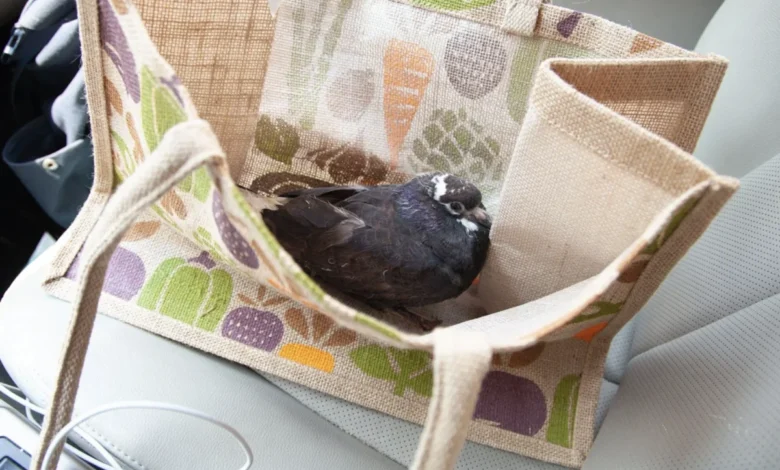
In the relentless urban sprawl of New York City, a silent crisis unfolds daily. Thousands of birds, disoriented by glass facades, ensnared by urban detritus, or struck by the city’s ceaseless traffic, meet tragic ends. For the vast majority of New Yorkers, these avian casualties are fleeting, somber moments that quickly fade from consciousness. However, a dedicated, albeit loosely organized, collective of volunteers known as the New York City Bird Alliance Transporters operates as a vital, unseen lifeline. Their self-appointed mission: to intercept these falling, injured, or entangled birds and transport them to the Wild Bird Fund, the city’s sole wildlife rehabilitation center, located on the Upper West Side.
This critical work, often performed in the shadow of towering skyscrapers, highlights the often-overlooked ecological challenges faced by wildlife in dense urban environments. The constant hum of the city, the pervasive presence of reflective surfaces, and the sheer density of human activity create a perilous landscape for birds, particularly during their migratory journeys. The Transporters, fueled by compassion and a profound respect for avian life, step into this void, offering a crucial intervention that can mean the difference between life and death for these vulnerable creatures.
A Photographer’s Lens on Urban Compassion
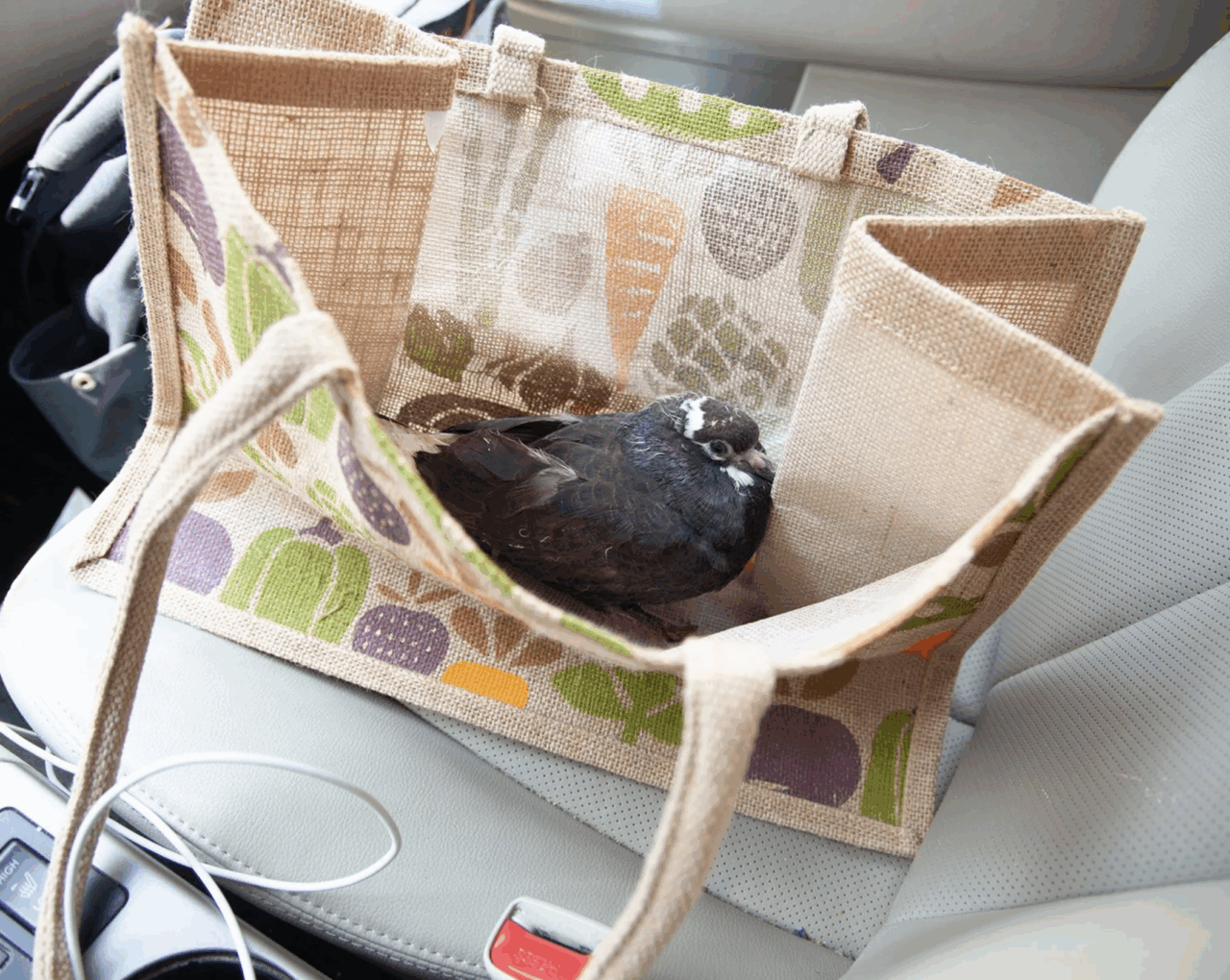
The dedication of these volunteers has been captured through the lens of photographer Travis Huggett, whose project, "The Transporters," offers a poignant visual narrative of their efforts. Huggett’s journey into this world began serendipitously a few summers ago. Seeking an engaging activity for his son, a fervent bird enthusiast, he stumbled upon the existence of the Transporters. "I asked if he’d like to help, and he was immediately into the idea," Huggett recounted, detailing how their shared mission began. Since then, father and son have been ferrying injured birds, becoming integral parts of this compassionate network.

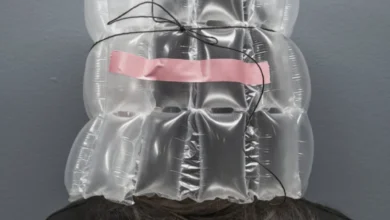
Huggett’s photographic endeavor transcends mere documentation; it aims to illuminate the humanity and dedication of individuals often operating without public recognition. His initial photographs, candid shots of his son handling rescued birds or the avian patients themselves, gradually evolved into a more formal exploration. Now equipped with a medium-format camera during his transport missions, Huggett meticulously crafts portraits of fellow volunteers. He views these images as an endeavor "to give shape to a community that most people don’t know exists." The resulting portraits, which he plans to expand upon, depict the volunteers with a striking sense of calm and resolve, a deliberate contrast to the often-frantic circumstances of their rescues.
The Daily Toll: Facing the Urban Bird Crisis
The majority of rescues undertaken by the Transporters involve pigeons, the ubiquitous feathered residents of the city. However, the arrival of migration seasons invariably brings rarer species, highlighting the diverse avian populations that call New York home, even amidst its concrete jungle. The injuries these birds sustain are as varied as their species. Window strikes, a devastatingly common cause of mortality, occur when birds perceive glass as open space or sky, leading to fatal collisions. Poisonings, often from ingesting contaminated food or water, also pose a significant threat. Domestic cats, despite urban living, remain natural predators, and birds can fall victim to their attacks. Furthermore, the pervasive presence of discarded string, fishing line, and other debris can lead to debilitating entanglements, restricting movement and causing severe injury.

"You never know what you’re going to get," Huggett observed, underscoring the unpredictable nature of their work. Each call presents a new challenge, a new life in peril. He recalled one particularly harrowing incident involving a vireo that had been struck by a bicycle. During the delicate process of transferring the fragile bird from a makeshift bag to a more secure box, it unexpectedly escaped. The small bird, seemingly re-energized by its brief freedom, began circling their vehicle. "It suddenly seemed very healthy and unhappy to be there," Huggett noted, managing only a quick photograph on the dashboard before skillfully coaxing it back into confinement. Such moments underscore the delicate balance between intervention and the wild nature of these creatures.
The Backbone of the Operation: Logistics and Dedication
Unlike the rehabilitators at the Wild Bird Fund, who undergo specialized training in avian care and medicine, the Bird Alliance Transporters require no formal certification. Their role is primarily logistical: responding to rescue requests via email, arriving at designated locations, and navigating the city’s labyrinthine streets to deliver the avian patients to their destination. This seemingly straightforward process, however, demands a profound level of attentiveness and commitment, qualities that set them apart from the average urban dweller.

"It can seem like the city is filled with nothing but pigeons and sparrows," Huggett reflected. "But once you start paying attention, you realize there are so many more species than you’d ever expect." This heightened awareness is the hallmark of the Transporters. They are the individuals who pause amidst the city’s relentless pace to notice the subtle plight of a bird struggling on the sidewalk or huddled precariously on a ledge. Their work, while less technical, is a testament to the power of civic engagement and empathy, demonstrating that even in the most human-dominated environments, a space can be made for the natural world.
Background and Broader Implications
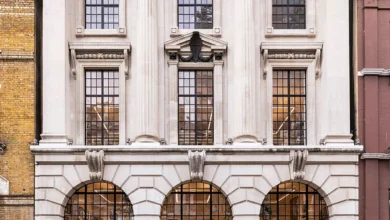
The phenomenon of bird collisions with buildings is a well-documented issue in urban centers worldwide. In North America alone, an estimated 365 million to 988 million birds are killed annually due to building collisions, according to research published in the journal Conservation Biology. This stark statistic highlights the magnitude of the problem that the New York City Bird Alliance Transporters are helping to mitigate. The city’s iconic glass skyscrapers, while architectural marvels, pose a significant threat. During migration periods, birds, particularly nocturnal migrants, are drawn to lights and reflective surfaces, leading to disorientation and devastating collisions.

The Wild Bird Fund, the recipient of these rescued birds, plays a crucial role in the city’s ecological health. As a non-profit organization, it relies heavily on donations and volunteer support to provide medical care, rehabilitation, and eventual release for injured and orphaned wild birds. The efficiency and dedication of the Transporters directly impact the Wild Bird Fund’s capacity to save lives. A swift and safe transport ensures that a bird’s chances of recovery are maximized, preventing further deterioration or succumbing to injuries before reaching professional care.
The work of the Transporters also serves as a silent advocacy for greater urban planning considerations for wildlife. As cities continue to expand, the integration of bird-friendly building designs, such as fritted glass, UV-patterned glass, and reduced exterior lighting during migration seasons, becomes increasingly vital. While these architectural solutions are long-term goals, the immediate impact of the Transporters provides a vital human intervention, bridging the gap between awareness and action.

A Network of Compassion and Resilience
The photographs taken by Travis Huggett offer a powerful glimpse into a community united by a shared purpose. The volunteers, often depicted in their quiet moments of care, exude a sense of purpose and dedication. Their faces, illuminated by the urban light or the subdued glow of their vehicles, tell a story of resilience and unwavering commitment. In a city often characterized by its fast pace and individualistic pursuits, this network of bird transporters stands as a testament to the enduring power of collective compassion and the profound impact that ordinary individuals can have when they choose to make a difference.
Their efforts, though often unseen and unsung, are indispensable. They are the quiet guardians of New York City’s avian inhabitants, ensuring that even in the face of overwhelming urban challenges, a lifeline exists for those who have nowhere else to turn. The ongoing work of the New York City Bird Alliance Transporters, beautifully documented by Travis Huggett, serves as a vital reminder of our interconnectedness with the natural world and the profound importance of extending our empathy beyond the human sphere. The images themselves become more than just photographs; they are portraits of hope, resilience, and the quiet heroism found in the heart of the bustling metropolis.
Related posts: