The British-born Pakistani photographer takes inspiration from her life between cultures to create culturally personal portraits

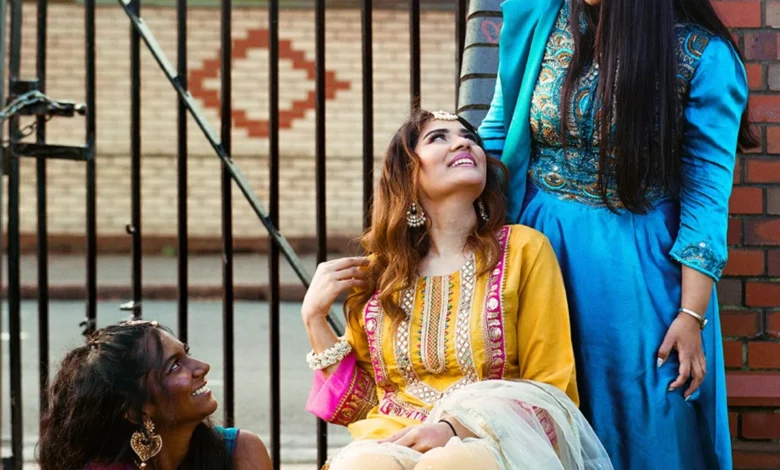
For Shizza Majeed, family and community are a profound source of inspiration, though she is keen to emphasize that her artistic identity is not solely defined by them. The emerging British-born Pakistani photographer, who graduated from Kingston University in 2025, has rapidly established herself in the London photography scene, working across editorial, documentary, and portraiture genres. Her notable graduate series, Babaji’s Britain, garnered significant recognition in 2025, featuring in Autograph ABP’s online gallery and with selected works displayed on a prominent digital billboard in Old Street, London. This critically acclaimed series centers on her maternal grandfather, Ghulam Abbas, a Pakistani man who migrated to Britain in the early 1960s.
Through deeply collaborative portraits with her grandfather, Majeed meticulously explores the profound impact of over half a century of life in Britain on his sense of self and his contemporary identity. This nuanced examination challenges simplistic notions of belonging and assimilation, offering a visual narrative of a life lived between worlds. Her work has not gone unnoticed; Majeed was shortlisted for the prestigious British Journal of Photography’s Portrait of Britain Vol. 8 with a powerful portrait of Abbas and was named a finalist for the Association of Photographers Emerging Talent Award in 2025. The Babaji’s Britain project also received crucial support from Counterpoints Arts, a UK-based organization that supports and promotes artistic projects by and about refugees and migrants. In a recent interview with BJP, the emerging artist delved deeper into the motivations behind her compelling body of work and shared her aspirations for the future.

A Journey Through Heritage and Identity
Shizza Majeed’s photographic journey began not in a formal studio, but in the intimate realm of her family life. "Photography has been a constant presence in my life since I was very young," Majeed explains. "For as long as I can remember, my mum always had a camera in her hand, photographing me constantly." This early exposure to the act of image-making, coupled with her mother’s encouragement, ignited a passion. "I always joke that I got my itch for photography from the rare occasions my mum ‘claimed’ to have a good hair day and she’d finally let me take a photograph of her." The true spark, however, ignited around the age of eight or nine when she received her first digital compact camera. "My camera went everywhere with me, and I photographed my life extensively," she recalls. "I don’t think I really knew why at the time, but it quickly became my complete norm."
This innate inclination towards photography carried through her academic life, culminating in her honours degree from Kingston University. It was during her university studies that Majeed began to recognize photography not just as a personal outlet, but as a viable career path. "It wasn’t really until midway through my degree that I fully realised this was something I was good at and that I really could pursue this as a career," she states. Initially, photography served as a therapeutic practice, a means to process her thoughts and emotions about herself and the world. "It gave me the platform to channel my thoughts and feelings about myself and the world, and put what was in my head somewhere else for a while," she reflects. More recently, her focus has shifted towards leveraging her photographic skills to amplify underrepresented voices, building upon the deeply personal storytelling that has always been the bedrock of her artistic vision.
The Interplay of Community, Tradition, and Heritage
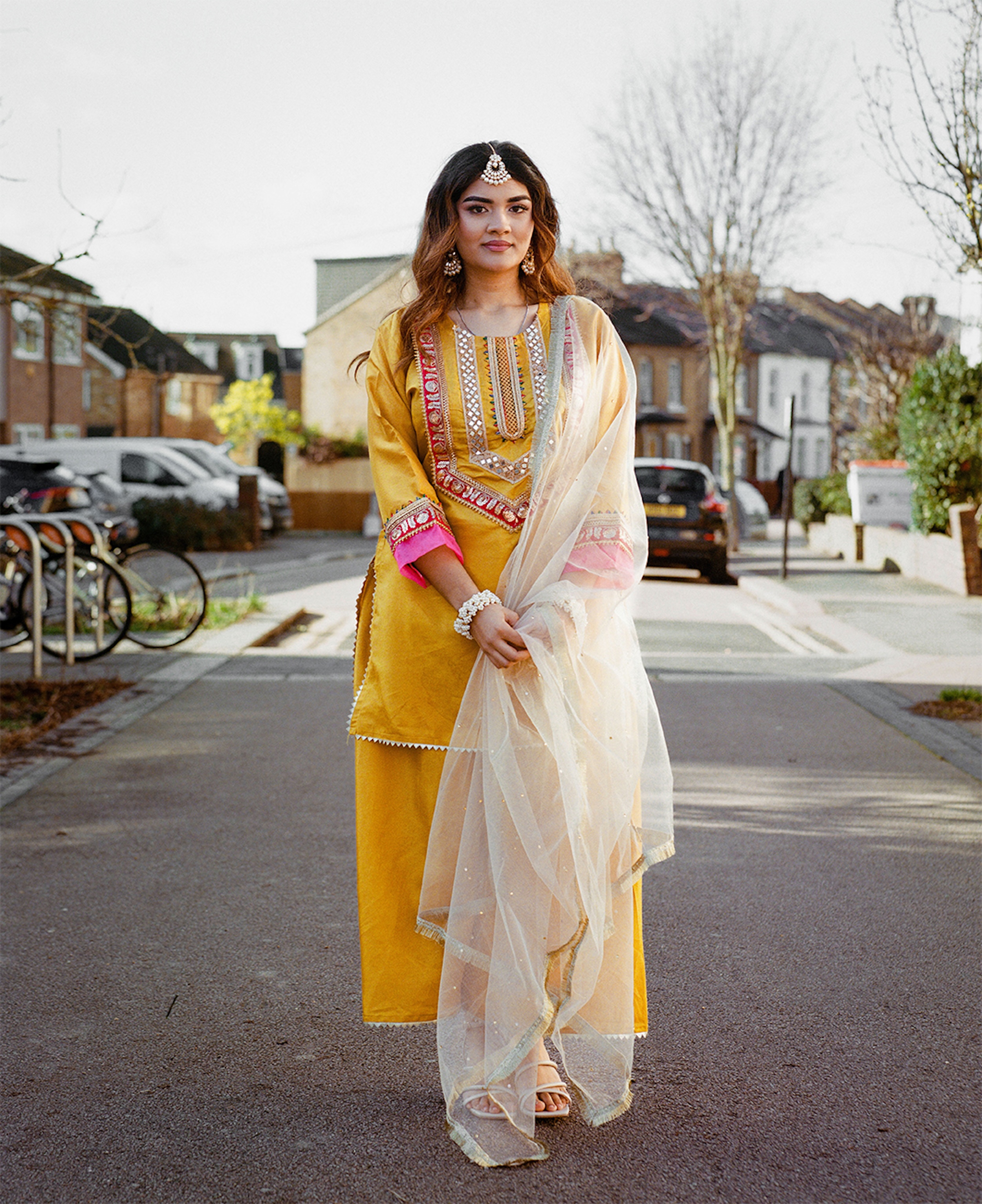
Majeed’s personal practice is intrinsically shaped by her experiences as a South Asian woman navigating Western society. Even when her subjects are not herself, she often explores shared experiences that illuminate the complexities of living between multiple cultures. However, she is careful to distinguish her artistic intent. "Although I think it is important to note that, through my projects like Babaji’s Britain and Our Lives, Our Way, Together, I am not actively trying to defy stereotypes or change opinions, but to simply add to existing conversations by sharing the lived experiences of real people," she clarifies.
This conscious approach stems from a past apprehension. "But in all honesty, this shift in my photography has only happened quite recently," Majeed admits. "For a long time, I actively resisted it because, quite simply, I feared becoming a photographer who would be defined solely by the colour of my skin." She harbored concerns about being pigeonholed into exploring repetitive themes, a common pitfall for artists from minority backgrounds within media representations. "I would often dance around ideas of heritage, but never fully commit to them, and that fear did more damage than good," she confesses. The more she attempted to sidestep these deeply personal themes, the more creatively stifled she felt.
A pivotal moment came during her university dissertation, where she delved into the historical roots of photography in British Colonial India. "Engaging with this history helped me confront and let go of that resistance I had around exploring my own heritage," she explains. This academic exploration proved transformative, fostering a more intuitive and honest artistic practice and creating space for genuine self-reflection. "It transformed my practice, making it much more intuitive and honest and gave me the space to reflect on my own identity both in my work and as an artist."
Currently, these themes of heritage and identity feel not only important but essential to her artistic output. "Right now, those themes feel important and necessary for me to explore; not only because they’re cathartic, but also because I’m creating the kind of imagery I wish I had seen when I was younger," she states. Majeed views herself as being at the nascent stages of her career. "My heritage is something I’ll probably always carry with me within my work, but I expect the way it appears will shift over time as I grow," she anticipates.
Unpacking "Babaji’s Britain"
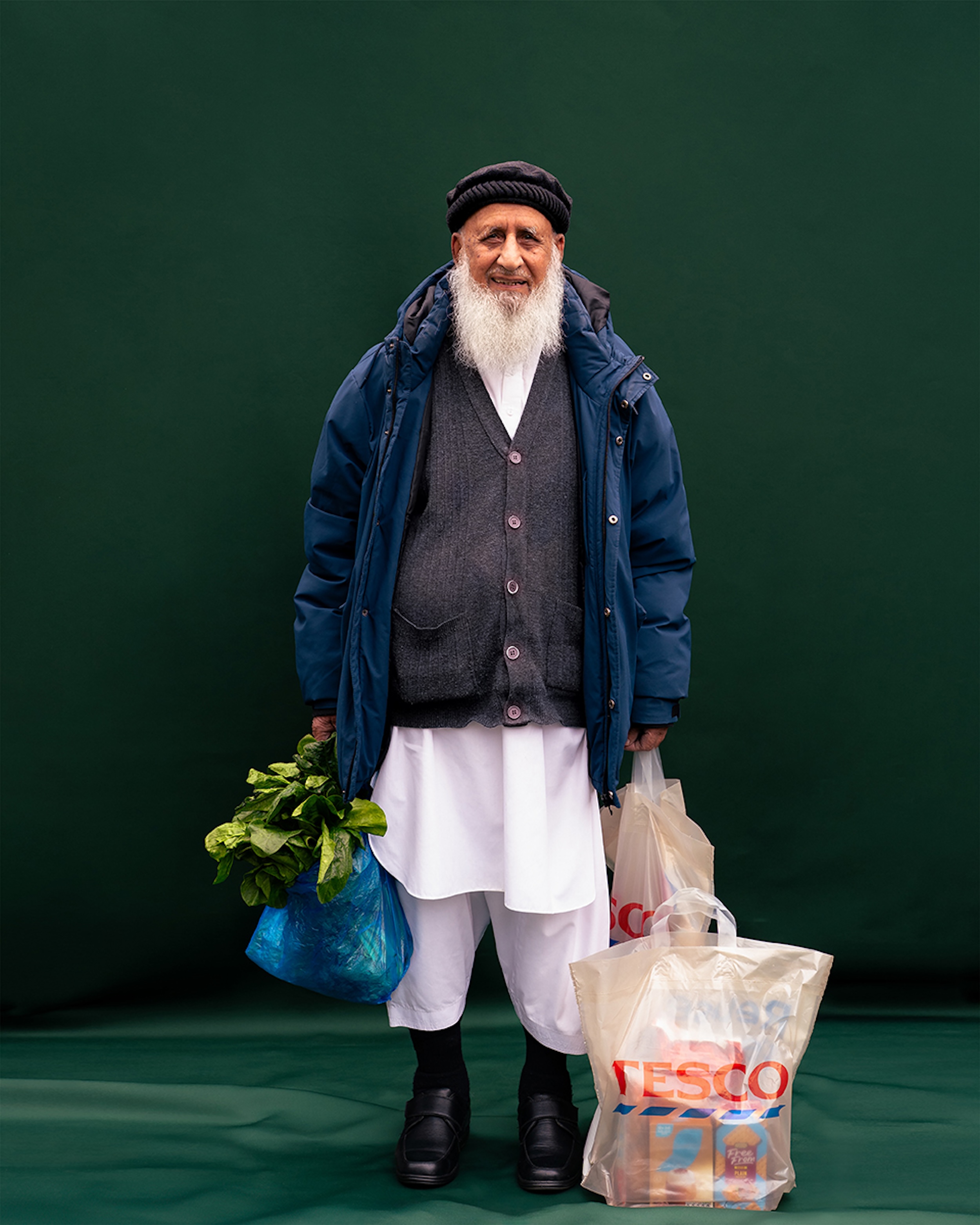
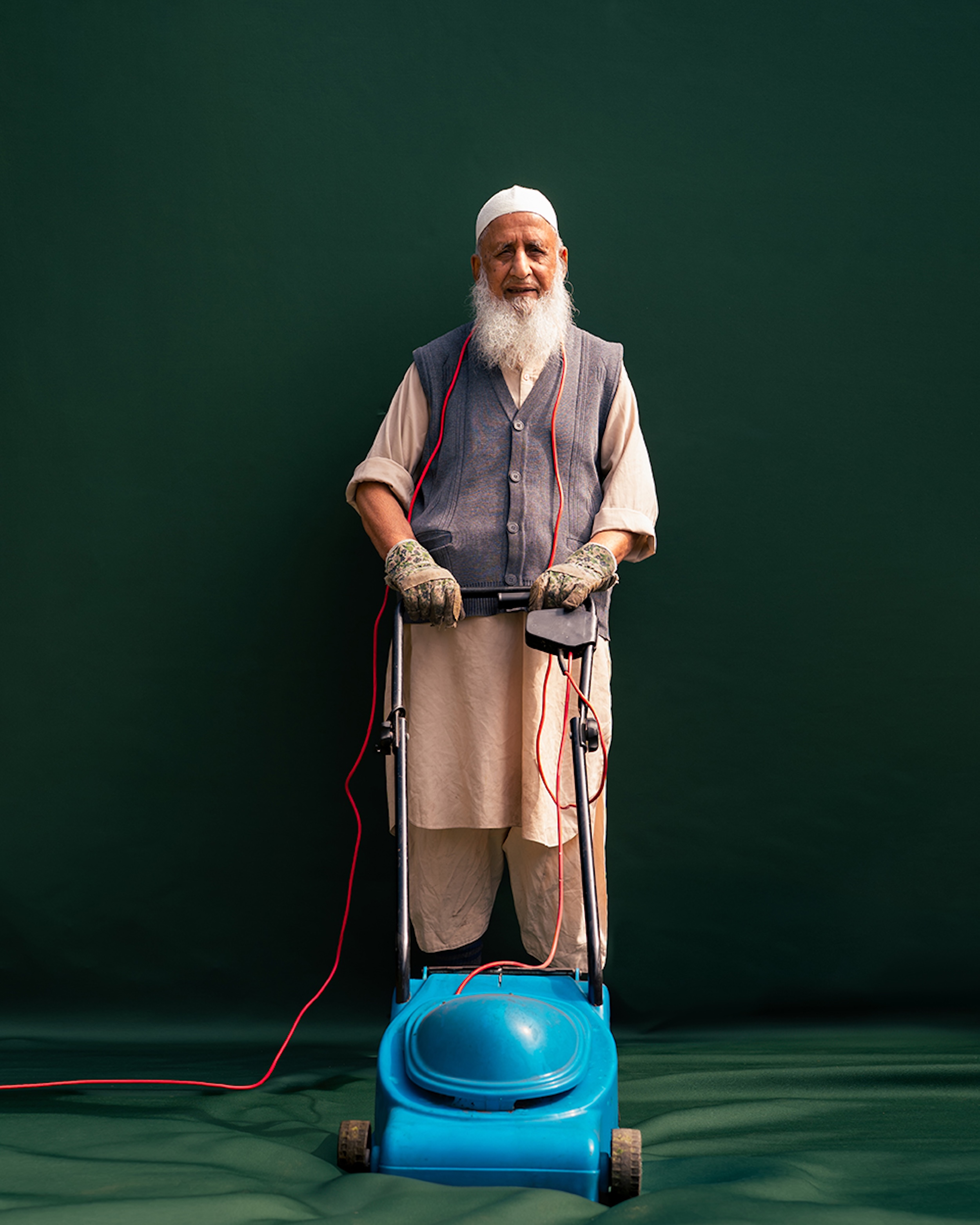
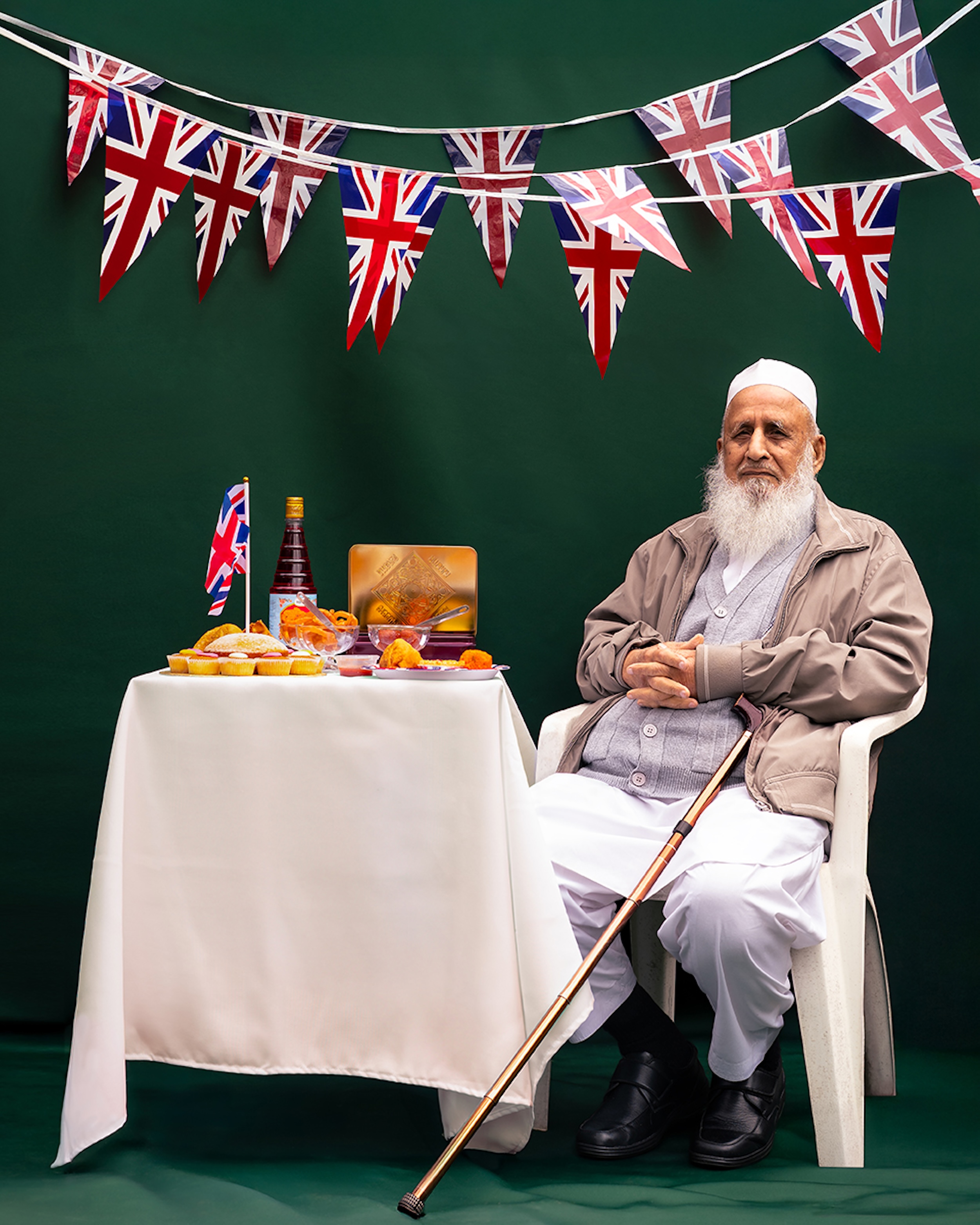
The shortlisted image for the British Journal of Photography’s Portrait of Britain series originates from her impactful Babaji’s Britain project, conceived during her final year of university. This series is a poignant collaboration with her grandfather, who journeyed from Pakistan to the UK in the early 1960s. The portraits within Babaji’s Britain are designed to investigate how over five decades in Britain have sculpted his sense of self and what his identity encompasses today. The project playfully engages with both British and Pakistani cultures, employing stereotypes as a visual language to illustrate his dual existence – how he has retained his cultural roots while embracing facets of British life.
The series comprises eight carefully curated portraits, each set against a verdant green backdrop – a subtle, symbolic nod to the Pakistani flag. Every image features a deliberate juxtaposition of elements from both cultures, forging a visual dialogue between his past and his present. This approach vividly portrays the inevitable transformations and inherent complexities of identity that often arise from the experience of migration. While some images and their narratives are immediately apparent, others invite closer scrutiny, rewarding the viewer’s engagement.
One particular photograph, titled A Familiar Taste, has resonated deeply with audiences. Majeed believes its relatability stems from its depiction of a dilemma many individuals straddling multiple cultures experience. "I think a lot of people are drawn to A Familiar Taste because it is probably the most relatable image for anyone who finds themself split between two or more cultures," she observes. "Even as a second-generation immigrant myself, I find this image represents a dilemma I have faced my whole life. Too Western in some spaces, not Western enough in others." The image also captures her grandfather’s apparent contentment, adding another layer of emotional resonance.
The genesis of A Familiar Taste lies in Majeed’s cherished childhood memories. "Growing up, I spent a lot of time with my grandfather on his weekly errands, accompanying him to various supermarkets and South Asian convenience stores," she recalls. The act of moving between these distinct retail environments felt like a profound reflection of his life and her own – a constant immersion in two cultures to which they simultaneously belonged. She aimed to encapsulate these memories and feelings with elegant simplicity in the photograph. The visual representation is striking: one bag is from a quintessential British supermarket, while the other is a common blue plastic bag, frequently seen in international grocery stores.
Majeed’s artistic endeavor with Babaji’s Britain was driven by a desire to offer a counter-narrative to prevailing depictions of migration. "When developing this project early last year, it was really important to me that this series gave another perspective on migration," she explains. "I wanted to create imagery that moved away from the negative depictions of migration stories, without dismissing those realities, but instead to give another perspective through my grandfather’s story." This artistic choice underscores the multifaceted nature of the immigrant experience, highlighting resilience, adaptation, and the enduring strength of cultural identity.
Influences and Future Directions
Majeed’s artistic practice is deeply rooted in her lived experience. "My photography practice is heavily inspired by my life. By my experiences, the people around me, my friends, and my family," she states. This personal connection imbues her work with an authenticity that often prompts a sense of protectiveness. Beyond her immediate circle, inspiration is drawn from the fabric of everyday life. "I also draw a lot of inspiration from everyday life: walks around my neighbourhood, secretly listening in on conversations, or simply sitting on a park bench and watching the world go by," she shares.
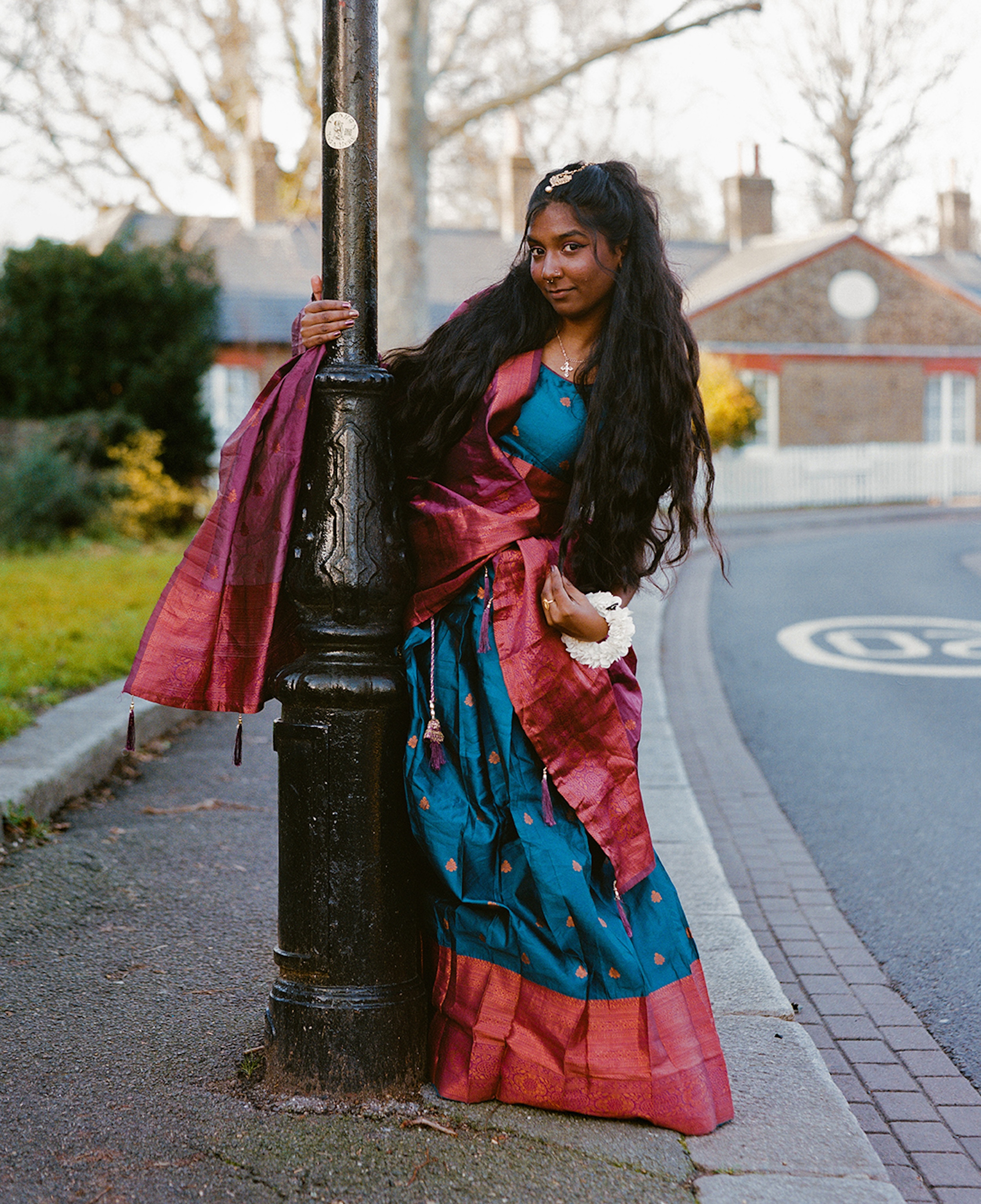
Within the photographic community, Majeed finds significant inspiration in the work of fellow photographer Simrah Farrukh, particularly her series Andarana, which features her grandmother. "That series was actually a big influence on my own project with my grandfather," Majeed reveals. She admires Farrukh’s fresh and nuanced portrayals of South Asians, her masterful use of color, and her "painterly-like approach to photography." Images from Farrukh’s work are consistently featured on Majeed’s mood boards.
Currently, Majeed is engaged in several promising projects. A significant undertaking is a "sister project" to Babaji’s Britain. This new endeavor extends her focus beyond her immediate family history, aiming to capture the experiences of others whose lives can enrich the ongoing discourse about contemporary British identity. The work seeks to prompt reflection on how modern British identity is shaped by migration and the cultural contributions individuals bring through elements like food and traditions. "The work invites reflection on how modern-day British identity is shaped by migration, and by what people bring with them into shared spaces through things like food and cultural traditions," she explains.
In addition to this community-focused project, Majeed is in the early stages of a deeply personal exploration into the subject of menopause. This initiative is directly inspired by her mother’s experiences over the past few years. "It’s a topic that isn’t talked about enough, especially within minority communities, which makes me feel all the more passionate about bringing it to fruition," she asserts, underscoring her commitment to addressing often-overlooked aspects of life and health within diverse communities.
Shizza Majeed’s photographic trajectory is marked by a profound connection to her heritage, a keen observational eye, and a burgeoning dedication to amplifying diverse narratives. Her work, while deeply personal, resonates universally, offering a compelling visual dialogue on identity, belonging, and the rich tapestry of human experience in a globalized world. Her commitment to creating imagery that reflects the complexities and beauty of multi-cultural lives positions her as a vital and exciting voice in contemporary photography.