Emilio Pucci’s Spring 2026 "Alba" Collection Unveiled in Sicily’s Ancient Caves, Charting a Course of Renewal and Joy

The global fashion elite, accustomed to a dizzying carousel of runway spectacles across the world’s most glamorous cities, were presented with an unparalleled experience as Camille Miceli, the artistic director for Emilio Pucci, chose a truly singular venue for the brand’s Spring 2026 collection. Far from the conventional white cubes or opulent salons, the collection, aptly named "Alba" (Italian for dawn), debuted within the ancient, subterranean majesty of the Grotta dei Cordari, or "cavern of rope-makers," nestled within the historic Neapolis Archeological Park in Syracuse, Sicily. This audacious choice underscored a broader industry trend towards experiential presentations, leveraging historical and natural wonders to imbue collections with profound narrative depth and unforgettable atmosphere.
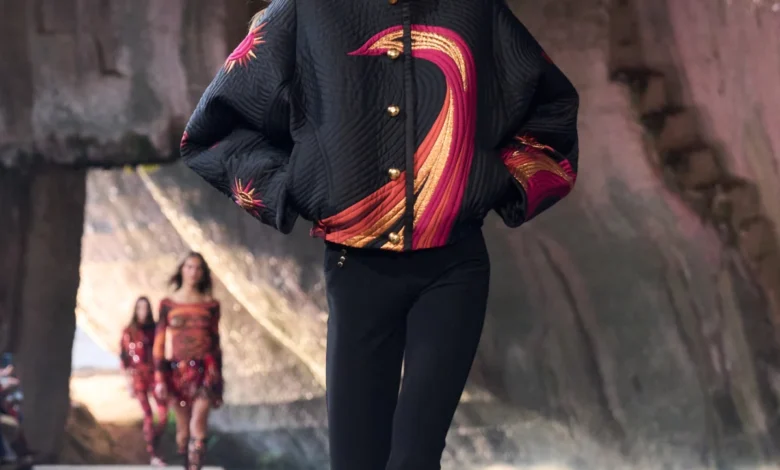
The Grotta dei Cordari offered a dramatic, almost theatrical, backdrop for Pucci’s signature vibrant prints. Against its rugged, rocky ceilings, supported by colossal natural pillars and adorned with huge, stalactite-like stone formations, the collection’s vivid hues asserted themselves with striking contrast. These geological marvels, once quarried by the ancient Greeks for building materials, bore the marks of millennia of natural and human history. Below, a serene pool of groundwater reflected the interplay of light and shadow, adding another layer of mystique to the setting. The location’s rich history extends further, with the nearby Ear of Dionysius, a distinct limestone cave renowned for its acoustic properties, having featured prominently in the 2023 film "Indiana Jones and the Dial of Destiny," lending an air of cinematic grandeur and ancient allure to the entire presentation.
The natural stone structures of the cavern, imbued with a striking pinkish hue, serendipitously harmonized with the collection’s title, "Alba." This first light before sunrise, symbolizing new beginnings and unbridled optimism, served as a poignant metaphor for the various phases of Miceli’s own life, as she explained. From her adolescent nights spent clubbing in the vibrant party scene of Ibiza to her more contemplative morning yoga sessions, "Alba" reflected a journey of self-discovery and the evolution of personal vitality. This deeply personal narrative, woven into the fabric of the collection, resonated with the broader theme of renewal that Miceli is championing for Pucci.
Miceli, however, emphatically stated that her vision for "Alba" was not rooted in a wistful sense of nostalgia or a desire for escapism. Instead, she articulated it as "a genuine celebration of that pure vitality, of that irresistible desire for joy and lightness. Each dawn invites hope, vitality and the chance to see the world with a new outlook." This philosophy, a hallmark of Miceli’s tenure at Pucci, seeks to infuse the brand with an infectious, forward-looking energy. Her effervescent personality and creative drive translate directly into collections that pulse with life. She conceived "Alba" as "an invitation to rediscover the overwhelming energy of youth," a sentiment she shared with palpable enthusiasm before the show commenced late Friday afternoon. With a radiant smile, she added, "There’s a sense of positivity, if you come back at dawn, it means that you had a great night," perfectly encapsulating the collection’s celebratory spirit.
A significant artistic influence on Miceli for this collection was the groundbreaking Olafur Eliasson exhibition, "The Unilever Series: The Weather Project," at London’s Tate Modern in late 2003. Eliasson’s installation created the powerful illusion of a colossal indoor, artificial sun using an intricate combination of mono-frequency lights, mirrors, and haze. This immersive experience challenged visitors to contemplate the intricate relationship between nature, perception, and urban existence. Miceli drew parallels between Eliasson’s manipulation of light and atmosphere and her desire to evoke the transformative power of dawn. This artistic inspiration manifested in dresses adorned with bold and vivid orange, red, and fuchsia swirls against a deep black canvas, utilizing Pucci’s iconic Occhi, Soleil, and Vivara signature patterns. These designs vividly evoked sun and fire motifs, pulsating with the warmth and intensity of a rising sun.
"There’s a sense of hope and positivity. At dawn, colors become really warm, which led me to do all these orangey, very fiery colors, also reminiscent of the lava, and the Etna," Miceli elaborated, connecting the collection’s palette directly to the dramatic, active Sicilian volcano, Mount Etna. This geographical and geological nod further grounded the collection in its Sicilian locale, drawing inspiration from the very landscape surrounding the show.
This emphasis on natural grandeur and elemental forces has been a consistent thread in Miceli’s creative direction since joining Pucci in 2021. Her strategy has involved staging in-season fashion shows as destination experiences, moving away from traditional seasonal calendars and towards a "see now, buy now" model often linked to immersive "lifestyle experiences." Preceding "Alba," Miceli orchestrated memorable presentations in iconic locations such as Florence, Rome, Portofino, and multi-day lifestyle events in jet-set havens like Capri and Saint Moritz. Each location was carefully chosen to enhance the brand narrative and offer an exclusive, memorable encounter for guests. For the "Alba" collection, Miceli, again pointing to Eliasson’s influence, sought a natural setting that was "grand and pure," believing it would allow the vibrant colors and intricate patterns of the collection to "stand out even more," maximizing their visual impact.
Miceli also articulated a deeper, personal connection to nature, stating, "nature is the most beautiful thing and what regenerates me the most." This sentiment underpins her decision to host the show in the Grotta dei Cordari. Furthermore, she highlighted a significant historical link: the cave, with its ancient stone formations, served as a profound symbol for the brand’s founder, Emilio Pucci himself, who famously created the "Marmo" (marble) motif, an iconic print that mirrored the natural veining and textures of stone. This clever juxtaposition of the ancient venue with a foundational Pucci design element showcased Miceli’s thoughtful approach to honoring the brand’s heritage while propelling it forward.
The collection itself saw Miceli lean into her inherent bohemian spirit, evident in loose knits featuring intricate webs of beige and black swirly motifs, offering a relaxed yet sophisticated elegance. The collection’s overarching sexy and feminine vibe was underscored by a sleek tailored jacket paired unexpectedly with a delicate fishnet skirt, creating a modern contrast. This sensibility was further expressed in fluid, sheer jersey Lurex dresses shimmering with gold-on-gold prints, designed to catch the light and accentuate movement. Miceli has meticulously refined a distinctive vocabulary for Pucci, blending the brand’s iconic elements with a contemporary edge. This includes playful miniskirts, chic foulard tops, bold HotPants, elegant long, flowy skirts with high slits, sophisticated sheath dresses, and versatile pareo skirts. Her interpretations inject a fresh "Pucci zing" into these classic silhouettes. Even traditionally utilitarian pieces like black bomber jackets were elevated, adorned with the house’s signature bright motifs, transforming them into statements of joyful luxury. Eveningwear saw sequins illuminating skin-tight pants and delicate beading brightening feminine, loose tank tops, adding sparkle and glamour befitting a post-dawn celebration.
Accessories, far from being an afterthought, were integral to the collection’s narrative and demonstrated Miceli’s comprehensive vision. She masterfully "Puccified" the traditional wicker basket, topping it with luxurious silk scarves emblazoned with the collection’s vibrant prints, merging rustic charm with high fashion. Bold belts, crafted from rich leather and gleaming metal, cinched waists and added structure. Footwear included gladiator sandals and elegant flats, both lavishly covered with jewels, elevating casual styles to evening-appropriate glamour. The collection’s distinct print motifs were ingeniously reproduced on necklaces, creating a cohesive and immersive brand experience from head to toe.
When asked about a dream project, Miceli revealed a personal passion: a homeware collection. She expressed a keen desire to explore this avenue, drawing inspiration from the brand’s illustrious past. "After all, the founder," she recalled, "used to do carpets, which were amazing, so it would be great to bring that back. I think it’s important to always find something that has a reason and a relation with the house. I’m just the locataire [tenant]," she said with a humble smile, emphasizing her role as a custodian of Pucci’s legacy, tasked with evolving its identity while respecting its rich archives. This potential expansion into homeware reflects a broader trend in luxury fashion, where brands extend their aesthetic into lifestyle categories, creating a more holistic brand universe for their discerning clientele.
The market’s response to Miceli’s creative direction and joyful message has been notably positive. Despite a challenging geopolitical climate that often casts a shadow over consumer confidence, Miceli noted with some surprise that business continues to grow week after week. This suggests that Pucci’s revitalized identity, characterized by its vibrant optimism and celebration of vitality, resonates deeply with customers seeking an antidote to global anxieties. Luxury, in this context, offers not just product but an emotional uplift and a sense of enduring beauty.
The immersive experience within the Grotta dei Cordari culminated in a vibrant celebration. The approximately 300 guests in attendance were not merely spectators but active participants in the collection’s narrative. Many spontaneously broke into dancing and singing along to the ’90s tunes that comprised the show’s soundtrack, echoing the very Ibiza nights that had inspired Miceli’s personal journey. As Miceli took her bow, bathed in the soft, ethereal light of the ancient cave, the atmosphere was one of unadulterated joy and collective vitality, perfectly embodying the "Alba" spirit of dawn, hope, and new beginnings for Emilio Pucci. This experiential approach to fashion presentations, blending history, art, and personal narrative, sets a compelling precedent for the brand’s future direction, reaffirming its position as a beacon of luxurious optimism in the global fashion landscape.