Henkel Redefines Retail Media Strategy Through Data-Driven Omnichannel Integration for Bloo Brand

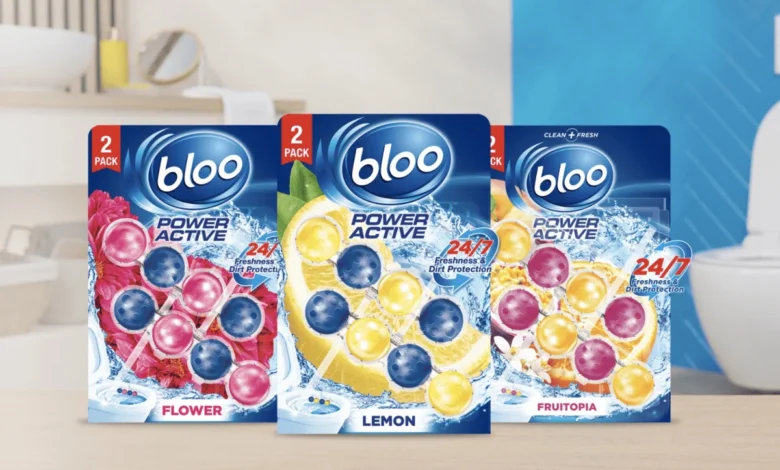
The German multinational Henkel, a titan in the global consumer goods and industrial adhesives sector with annual revenues exceeding €20 billion, has unveiled a comprehensive transformation of its marketing strategy centered on the Bloo toilet cleaner range. This initiative represents a departure from traditional, awareness-focused advertising, shifting toward a sophisticated, commerce-first, full-funnel retail media model. By synchronizing digital engagement with physical retail touchpoints, Henkel is setting a new benchmark for how Fast-Moving Consumer Goods (FMCG) brands navigate the increasingly fragmented connected commerce landscape.
The Strategic Evolution of Retail Media
Historically, retail media has been narrowly defined as a bottom-of-the-funnel tactical tool. Advertisers typically allocated budgets to sponsored search listings, on-site display banners, and checkout-page placements to capture immediate purchase intent. While effective for immediate conversion, this approach often treated retail media as a siloed activity, disconnected from broader brand-building efforts.
Henkel’s current campaign for the Bloo brand challenges this legacy model by treating retail media as an expansive, omnichannel ecosystem. The strategy acknowledges that the modern consumer journey is non-linear, spanning a wide array of touchpoints—from social media scrolling and video streaming to physical store aisles. By leveraging advanced data integration, Henkel is bridging the gap between brand awareness and the final transaction, ensuring that messaging remains consistent, personalized, and contextually relevant regardless of where the interaction occurs.
A Chronology of the Transformation
The shift toward this integrated model did not happen in a vacuum. It follows a multi-year trend of digital transformation within Henkel’s global operations, which have been steadily transitioning from traditional offline advertising toward data-led, precision-targeted models.
- Early 2024: Henkel initiated a strategic review of its FMCG marketing spend, identifying a need for greater synergy between its digital advertising and the realities of UK retailer ecosystems.
- Mid-2024: The company partnered with WPP Media to develop a cross-channel framework that could aggregate shopper data from major UK grocery retailers.
- Q3 2024: The Bloo campaign launched, utilizing a hybrid media mix that moved beyond conventional TV spots to include proximity-based digital out-of-home (DOOH) advertising, targeted social media, and retailer-owned digital platforms.
- Late 2024/Early 2025: The campaign reached its current state of full integration, with in-store assets managed by the agency Savvy providing the final bridge to the point-of-purchase.
Leveraging Data for Category Elevation
One of the most significant aspects of this campaign is the sophisticated use of first-party and retailer-led shopper data. Rather than relying on broad demographic proxies—which often result in wasted impressions—Henkel is utilizing actual purchase histories and browsing behaviors to refine its targeting.
This data-informed approach is particularly critical for the toilet cleaning category, which is traditionally characterized by low consumer involvement and high frequency. In such categories, brand differentiation is notoriously difficult to achieve. By using data to identify specific consumer needs—such as hygiene preferences or specific scent profiles—Henkel is effectively elevating the category, moving Bloo from a commodity product into a brand that occupies a distinct space in the consumer’s consciousness.
Integrating the Digital and Physical Divide
The integration of in-store assets is perhaps the most visible indicator of this new era in retail media. Working with Savvy, Henkel has ensured that the creative messaging seen on a user’s mobile device during their morning commute is echoed in the physical aisle of the supermarket. This creates a psychological "loop" that reinforces brand presence at the exact moment of decision.
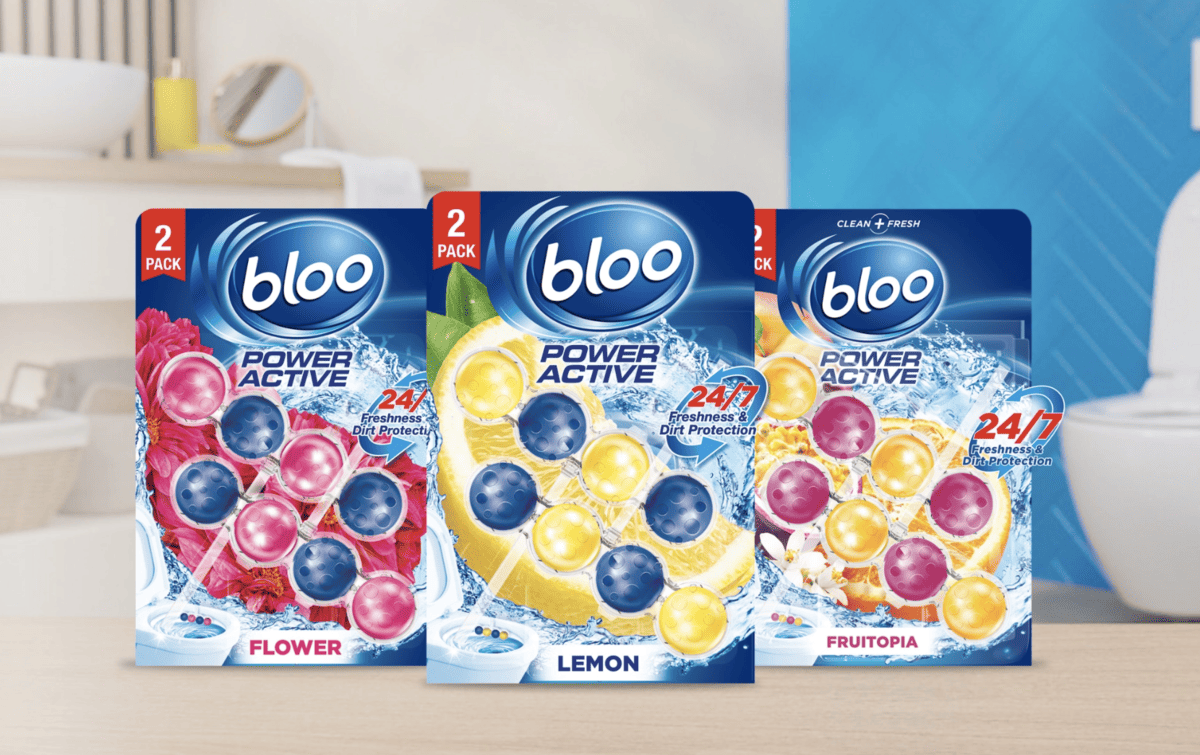
Market analysts observe that this approach effectively turns the physical store into an extension of the digital media ecosystem. As retailers continue to develop their own "retail media networks," the ability of FMCG brands to seamlessly blend these environments will likely become a primary determinant of market share.
Supporting Data and Industry Context
The urgency for this transition is rooted in the shifting nature of the attention economy. According to recent industry reports, consumer attention is increasingly fragmented. Traditional media channels, which once provided a captive audience, have seen a decline in efficacy as digital platforms dominate time spent.
- Fragmentation: Current studies suggest that the average UK consumer interacts with over five different media channels before completing an FMCG purchase.
- Retail Media Growth: The global retail media market is projected to grow significantly through 2025, with major retailers investing heavily in ad-tech capabilities that allow brands to access deeper shopper insights.
- Conversion Efficacy: Early internal metrics from the Bloo campaign suggest that moving from isolated display ads to an integrated, data-led omnichannel strategy has resulted in higher purchase propensity and improved ad recall compared to previous purely digital-led campaigns.
Perspectives on the Shift
While Henkel has not released specific proprietary ROI figures for this campaign, industry observers note that the collaboration with WPP and Savvy signals a move toward a more collaborative agency model.
"The fundamental challenge for FMCG brands in the coming years is not just reaching the consumer, but reaching them with the right message at the right point in their purchase journey," says one industry analyst. "Henkel’s move to synchronize its retail media strategy across both digital and physical touchpoints is a textbook response to the fragmentation of modern retail. By doing so, they are not only selling more product; they are capturing the data necessary to stay ahead of future market trends."
Broader Implications for the FMCG Sector
The success of this strategy has profound implications for the wider FMCG landscape. For decades, the industry has relied on mass-market, awareness-driven advertising to maintain brand equity. However, the maturation of retail media networks—coupled with the decline of third-party cookies—is forcing a reckoning.
Brands that fail to adapt their strategies to this new data-rich environment risk being eclipsed by competitors who are better at utilizing shopper insights to create personalized, frictionless purchasing journeys. Henkel’s work with the Bloo brand serves as a blueprint for how legacy brands can leverage their size and existing retail partnerships to modernize their marketing without losing the benefits of mass-scale reach.
Furthermore, this shift signals a move toward "performance branding." In this framework, the line between brand building and direct response is blurred. Every piece of communication is designed to be trackable, measurable, and optimized in real-time. For a company like Henkel, which manages a massive portfolio of diverse products, this methodology provides a scalable way to apply rigorous, data-driven marketing across varying product categories and markets.
Conclusion
As the retail landscape continues to evolve, the distinction between "online" and "offline" shopping will continue to diminish. The Bloo campaign demonstrates that the future of FMCG marketing lies in the ability to create a unified, persistent brand experience that follows the consumer across every digital and physical touchpoint. By embracing this omnichannel approach, Henkel is not merely reacting to market changes; it is actively shaping the future of retail media, proving that even the most mundane household products can benefit from a modern, data-centric strategy. The continued development of these techniques will be a key area to watch as Henkel and its peers further refine their integration of retail media into the core of their business operations.
Related posts: