From founder-led brands to a Seth Rogen holiday campaign, Sephora is doubling down on the power of expertise

The beauty retail landscape is undergoing a profound transformation as industry leaders pivot away from simple transactional models toward experiential, knowledge-driven ecosystems. At the forefront of this shift is Sephora, which has spent the current fiscal year aggressively reinforcing its position as the ultimate authority in beauty. Through a strategic blend of high-profile founder collaborations, tactical international partnerships, and unconventional celebrity marketing, the retailer is successfully transitioning from a mere distributor of goods to a curator of professional-grade expertise.
The Evolution of the Founder-Led Model
Historically, the beauty industry relied on makeup artists like Nars and Laura Mercier to build brand prestige, but these figures often remained behind the scenes, leaving the product to speak for itself. The modern consumer, however, demands intimacy and authenticity. Sephora’s second-annual "Makeup Experts" campaign serves as a testament to this shift. By positioning luminaries such as Patrick Ta and Danessa Myricks not just as architects of their brands but as the public faces of their own proprietary techniques, Sephora is humanizing the supply chain.
This shift is not merely aesthetic; it is a calculated business move. By focusing on "technique-first" education, Sephora is creating a proprietary moat that differentiates it from big-box competitors. Mili Dutt Reddy, senior vice president of category and brand marketing at Sephora, noted during the Glossy Beauty & Wellness Summit in Westlake Village that this strategy fundamentally changes the narrative from one of competition to one of collaboration. Instead of brands fighting for shelf space, the retailer is encouraging cross-pollination. When founders appear in one another’s social media content, it signals a cohesive community, driving brand loyalty across the entire Sephora portfolio rather than isolating consumers within a single brand silo.
A Strategic Alliance: The Olive Young Integration
A pivotal development in Sephora’s strategy is its partnership with South Korean powerhouse Olive Young, launched in August. The Korean beauty (K-beauty) sector has long been a bellwether for global innovation, characterized by rapid product development cycles and a rigorous focus on skin health. Rather than attempting to replicate the trend-chasing speed of Seoul internally, Sephora has opted to outsource the curation process to the experts.
This partnership addresses a persistent pain point for global retailers: the "lag time" between a trend emerging in Asia and its arrival in Western markets. Olive Young’s shop-in-shop displays act as an agile, high-velocity filter for Sephora. For Olive Young, the benefits are equally significant. While the brand has established a foothold with two freestanding stores in Los Angeles, the Sephora deal provides instant, massive-scale distribution in 500 locations across the United States, including high-traffic flagship stores in New York City. This collaboration highlights a broader trend: established retailers are increasingly prioritizing curated, expert-led boutique environments within their own footprints to combat the fragmented shopping habits of Gen Z and Millennial consumers.
Leveraging Unexpected Talent: The Seth Rogen Campaign
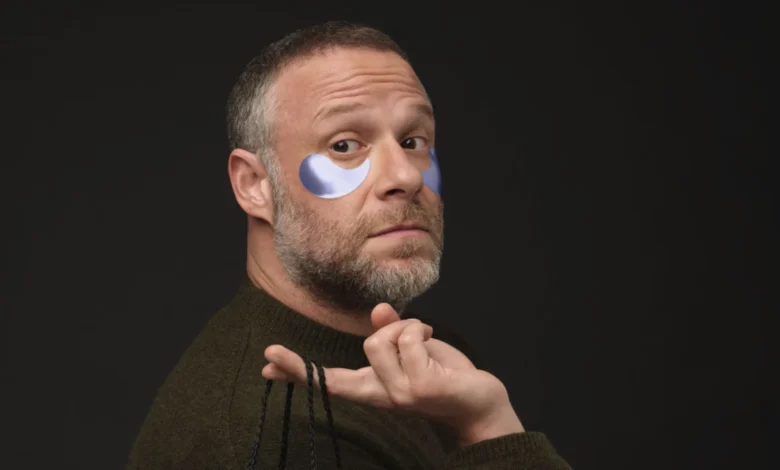
In October, Sephora took a bold, somewhat unconventional step by launching its "We All Sephora" campaign featuring Canadian actor and comedian Seth Rogen. While celebrity endorsements are a staple of beauty marketing, the inclusion of Rogen—an individual not typically associated with the high-gloss world of cosmetics—serves a specific strategic purpose: it highlights the accessibility of Sephora’s staff expertise.
The campaign centers on a narrative of Rogen seeking guidance for holiday gifting, a scenario that mirrors the anxieties of the average consumer. By focusing on the store associate as the "beauty expert," Sephora is attempting to professionalize the role of the retail employee. According to company data, Sephora’s internal training programs, often referred to as "Sephora Universities," provide associates with an intensive level of education that rivals clinical training. The campaign serves as a reminder to the consumer that in an era of digital-only purchasing, the human touchpoint remains the retailer’s most valuable asset.
The Broader Vanity Economy and Retail Implications
The retail environment for beauty is currently navigating what industry analysts are calling the "vanity economy." As foot traffic in major metropolitan downtowns shifts, beauty retailers are becoming essential anchors for commercial real estate. Reports indicate that luxury beauty and personal care segments have remained resilient despite broader macroeconomic headwinds, largely because consumers view these items as "affordable luxuries."
However, the industry is not without its tensions. The recent legal friction between professional makeup artist Patrick Ta and CVS—concerning the unauthorized sale of products—underscores the volatility inherent in the current distribution model. As retailers like Sephora and Ulta Beauty tighten their relationships with brand founders, the industry is seeing a clear divide between "authorized, curated distribution" and "off-price, mass-market availability."
Industry Chronology and Market Positioning
- Q1-Q2: Increased focus on "founder-led" education initiatives; Sephora rolls out enhanced training modules for in-store staff.
- August: Official launch of the Sephora-Olive Young partnership, bringing curated K-beauty to 500 U.S. doors.
- October: The "We All Sephora" campaign launches, signaling a pivot toward humor-based marketing to emphasize staff knowledge.
- November: Ongoing industry debates regarding brand authorization and the impact of the "vanity economy" on physical retail real estate.
Competitive Landscape and Future Outlook
The industry is watching closely as major players scramble to lock in similar partnerships. Ulta Beauty’s recent decision to integrate Oura health-tracking technology into 1,000 of its stores indicates that the future of beauty retail lies at the intersection of wellness, data, and aesthetics. Similarly, the rapid growth of celebrity-backed hair-care lines, such as those seeing success at Revolve, suggests that consumers are increasingly following the individual influencer or founder rather than the legacy brand identity.
For Sephora, the path forward is clear: double down on the expertise of the people who make the products and the people who sell them. By acting as the connective tissue between high-innovation brands like those curated by Olive Young and the professionalized knowledge of its in-store associates, Sephora is building a defensive structure that is difficult for pure-play e-commerce sites to replicate.
The implications for the next fiscal year are significant. As competition for the beauty consumer’s wallet intensifies, the retailers that provide the most value—not just in terms of product, but in terms of personalized education and exclusive curation—will likely emerge as the market leaders. Sephora’s current strategy is a masterclass in leveraging human capital and strategic alliances to maintain dominance in an increasingly crowded and noisy digital landscape. As the industry evolves, the definition of a "beauty destination" will continue to shift away from the warehouse model toward a service-oriented, expert-led experience that prioritizes the narrative of the creator as much as the efficacy of the product itself.