The transition from autumn into the depths of winter necessitates a strategic approach to personal attire, as the outer layer functions as the primary shield against fluctuating temperatures and precipitation. A well-constructed coat serves both a utilitarian purpose—thermal regulation and protection from the elements—and a socio-professional one, acting as the final, defining element of a professional wardrobe. As market trends evolve, consumers are increasingly faced with a dizzying array of options, often categorized into three distinct economic tiers: entry-level "skimp" options for those prioritizing budget, mid-range "spend" choices for quality-to-price balance, and high-end "splurge" items that emphasize longevity and premium materials.
The Evolution and Utility of Outerwear
Historically, the development of the modern coat has been rooted in military necessity and labor-intensive functionality. The 20th century saw the most significant advancements in textile technology, moving from heavy, untreated wools to synthetic blends and specialized weather-resistant coatings. According to recent data from the Global Apparel Market Research index, the outerwear segment is projected to grow by 4.2% annually through 2028, driven by a consumer shift toward "versatile longevity"—pieces that can transition seamlessly between business-casual settings and weekend environments.

Categorizing the Essential Wardrobe
Understanding the taxonomy of outerwear is essential for building a functional collection. The following ten categories represent the cornerstones of modern seasonal attire.
1. The Mac Raincoat
The Mac (or Macintosh) style raincoat represents the pinnacle of minimalist design. Originating in the 19th century, the design relies on a bonded, water-resistant cotton or synthetic shell. Unlike heavier winter coats, the Mac is uninsulated, making it a highly adaptable piece for the transitional weather of October and April. Industry analysts note that sales of lightweight shells have surged in urban markets where commuting requires protection from rain without the bulk of traditional down-filled garments.
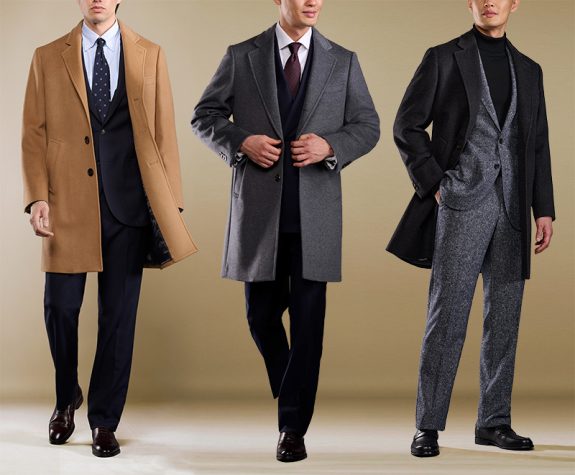
2. The Wool Topcoat
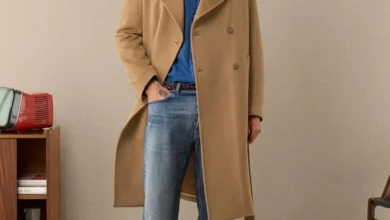
While visually similar to the Mac, the Topcoat is fundamentally different in composition and intent. Crafted from wool or wool-blend fabrics, these coats are engineered for warmth. They are designed to be worn over tailored suits, featuring a length that ensures the suit jacket is entirely covered. From a sartorial perspective, the topcoat is considered the standard for formal business attire, offering a structured silhouette that complements the professional aesthetic.
3. The Peacoat
The Peacoat serves as a testament to the enduring nature of military-grade utility. Historically worn by European and American sailors, the double-breasted design, usually crafted from heavy Melton wool, is engineered to withstand wind and spray. The "Navy Surplus" market remains a relevant secondary economy for this style, with many enthusiasts arguing that vintage, military-issue wool is superior in density to many contemporary retail versions. The peacoat’s longevity is rooted in its functional design; its heavy structure provides a natural barrier against sub-freezing temperatures.
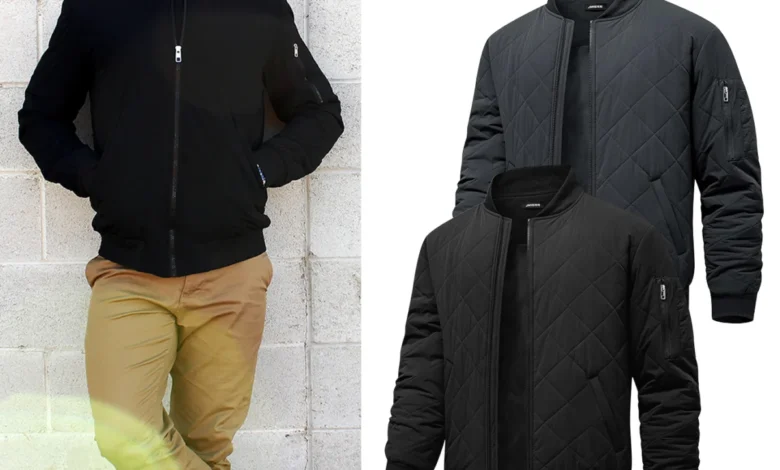
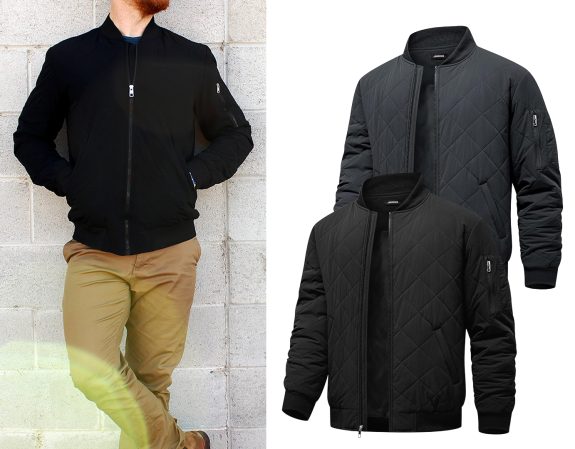
4. The Bomber and Harrington
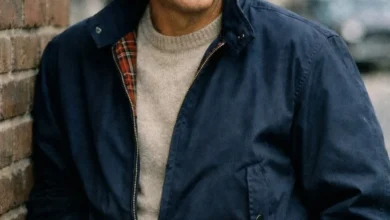
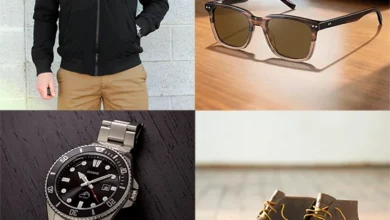
These waist-length jackets are the primary representatives of casual outerwear. The Bomber jacket, derived from flight gear, offers a more voluminous, insulated profile, while the Harrington—historically associated with the golf course—provides a lighter, more streamlined appearance. Fashion historians suggest that these styles remain popular due to their "youthful" silhouette, though they advise against excessively boxy fits, which can diminish the clean lines required for a polished look.
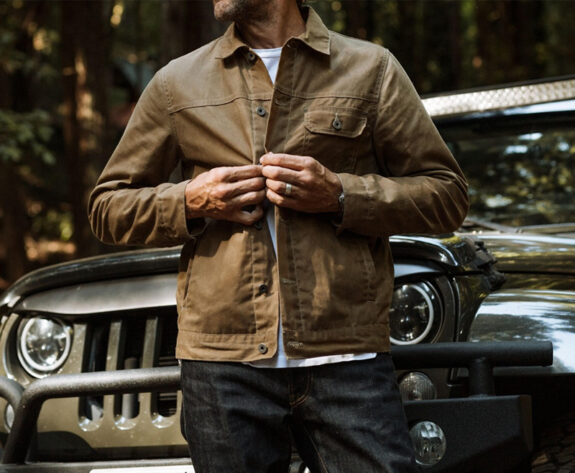
5. The Trucker and Denim Jacket
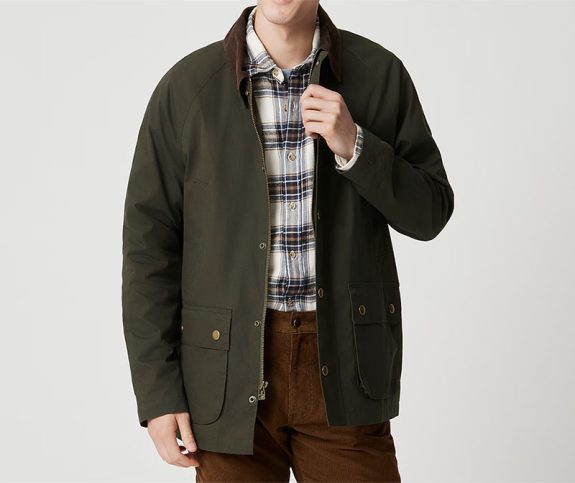
The American Trucker jacket, often synonymous with denim, has transcended its origins as rugged workwear to become a staple of global casual fashion. Modern iterations have expanded the material scope to include waxed canvas, corduroy, and suede. These pieces are favored for their durability; a high-quality waxed cotton trucker, for example, can be re-waxed annually, effectively extending the lifespan of the garment for decades.
6. The Field and Barn Jacket
These jackets are defined by their utilitarian pocket configurations and agrarian or military heritage. The M-65 Field Jacket, in particular, remains a design archetype. Made from cotton twill with a weather-resistant finish, these coats offer a "smart-casual" ceiling. They are generally considered unsuitable for formal wear but are highly effective for outdoor activities and everyday errands where mobility and storage are prioritized.
7. The Chore Coat
The Chore Coat bridges the gap between a heavy shirt and a light jacket. Originally designed for 19th-century French laborers, the modern version is prized for its versatility. It is typically cut from durable cotton canvas or moleskin, providing a layer that is heavier than a sweater but lighter than a structured blazer. It has become a dominant trend in "workwear-inspired" fashion, favored for its ability to be layered over sweaters or polos without adding excessive bulk.
8. Quilted Jackets
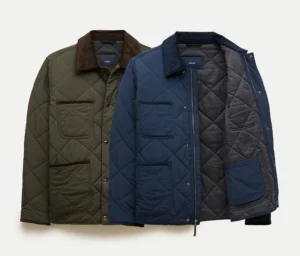
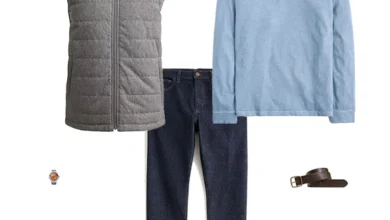
Quilted outerwear, characterized by its diamond or onion-stitched pattern, serves as an efficient middle ground for insulation. By securing the internal fill through quilting, manufacturers can reduce the overall volume of the jacket while maintaining thermal efficiency. These are particularly favored in temperate climates where temperatures hover just above freezing.
9. The Puffer Jacket
The Puffer is the technical evolution of the quilted jacket. The primary distinction is the use of horizontal "baffling," which allows for a higher volume of down or synthetic insulation. Recent developments in textile engineering have focused on "slim-profile" puffers, utilizing high-loft materials to provide extreme warmth without the "Michelin Man" silhouette that characterized earlier iterations.
10. Leather, Suede, and Faux Alternatives
Leather outerwear, including the café-racer and bomber styles, represents a significant investment. The durability of bovine or goat leather is unmatched, though it requires specific maintenance, including professional cleaning and conditioning. The rise of high-quality faux suede and synthetic leather has provided a lower-cost alternative, allowing consumers to achieve the aesthetic of leather without the environmental impact or the significant price premium associated with hides.
Economic and Stylistic Implications
The decision to "skimp, spend, or splurge" is often dictated by the intended frequency of use. For foundational pieces—such as a topcoat or a peacoat—experts consistently recommend the "spend" or "splurge" categories, as high-quality wools and superior construction techniques prevent the premature pilling and structural collapse common in budget garments.
Conversely, for trend-driven or highly specific utility items—such as a specific color of bomber jacket or a specialized rain shell—the "skimp" category can offer significant value, provided the consumer understands the limitations of the synthetic materials used.
Broader Impact on the Industry
The shift in consumer behavior toward these categories reflects a wider movement within the fashion industry toward "capsule wardrobes." Retailers have responded by focusing on durable, multi-functional pieces that serve several purposes. The rise of online resale platforms has also changed the landscape, allowing consumers to access "splurge-tier" garments at "skimp-tier" prices, effectively democratizing access to high-quality tailoring.
As winter seasons become increasingly unpredictable due to climate volatility, the demand for adaptable, layered outerwear will likely continue to rise. Manufacturers are expected to lean further into hybrid designs—combining the aesthetics of the classic peacoat with the thermal properties of modern synthetic puffers—to meet the requirements of a modern, mobile workforce. Ultimately, the choice of a winter coat is not merely an aesthetic decision but a long-term investment in comfort and protection against the environment.