Beyond the Feed: How Expertise, Authenticity, and Real-World Skills are Redefining the Creator Economy

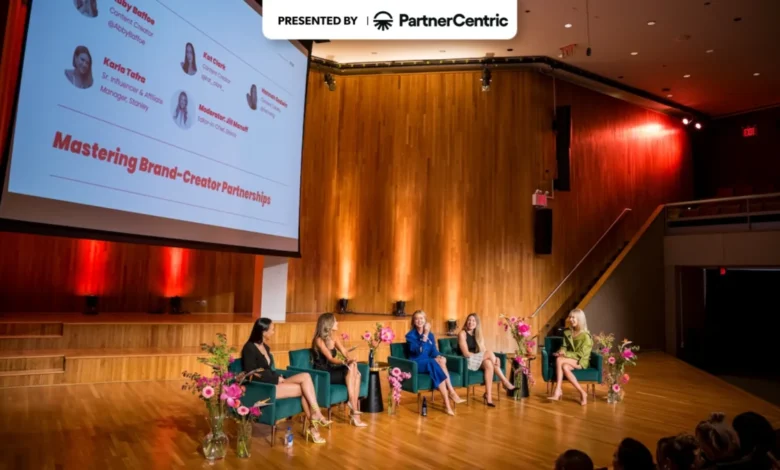
The intersection of digital media, commerce, and traditional industries has reached a pivotal juncture, highlighted by rigorous discussions at the recent Glossy Pop NYC event. Bringing together elite creators, brand executives, public relations veterans, and industry fans, the gathering served as a crucible for examining the rapid maturation of the creator economy. As artificial intelligence, advanced digital marketing, and complex product development reshape the fashion and beauty landscapes, stakeholders are increasingly forced to reevaluate what it takes to capture consumer attention in an oversaturated market. No longer defined merely by follower counts or aesthetic grid layouts, the modern creator economy is undergoing a profound structural evolution—one that prioritizes tangible expertise, deep-seated industry knowledge, and authentic, long-term brand alignment over fleeting viral moments.
The Evolution of the Event and Industry Context
Glossy Pop NYC has swiftly established itself as a premier touchpoint for dissecting the business of modern media and influencer marketing. Founded on the principle of bridging the gap between legacy brand boardrooms and digital-first content creators, the conference series addresses the tectonic shifts occurring across fashion, beauty, and lifestyle sectors.
The backdrop of this year’s gathering is defined by staggering market growth coupled with intense saturation. According to recent data from industry analytics firms, the global creator economy is valued at upwards of $250 billion, with projections indicating it could approach nearly half a trillion dollars by the end of the decade. However, this financial boom has created an intensely crowded digital ecosystem. Brands are no longer allocating budgets blindly to top-tier influencers with massive followings; instead, they are deploying sophisticated data analytics to measure engagement, audience trust, and conversion rates. This data-driven environment has forced creators to adapt, moving beyond basic sponsored posts to become multifaceted entrepreneurs, product developers, and strategic marketing partners.
From Niche Tutorials to Lifestyle Integration: The Creator’s Progression
As the digital landscape matures, the fundamental definition of what it means to be a content creator has shifted dramatically. In the early days of social media monetization—roughly spanning from 2015 to 2020—hyper-specific niches were considered the golden rule for securing brand partnerships. Creators were advised to stick strictly to beauty tutorials, unboxing videos, or specific fashion styling guides to build a cohesive, easily digestible profile for advertisers.
However, industry veterans note that this rigid categorization can ultimately stifle creative longevity. Abby Baffoe, a prominent lifestyle and beauty creator who launched her digital career in 2019 primarily focusing on hair tutorials, addressed this transition during the NYC panels. Over the years, Baffoe has systematically expanded her content footprint to encompass a holistic lifestyle approach, chronicling everything from daily routines to home decor and wellness.
"Having a niche works for some people, but for me, it felt restricting," Baffoe explained to the audience. Despite shedding the confines of a single category, Baffoe has successfully maintained enduring relationships with legacy brand partners such as TRESemmé and L’Oréal. Her career trajectory underscores a vital industry lesson: modern consumers and brands alike value authenticity and evolution. When a creator’s content expands naturally alongside their personal life, the integration of brand partnerships remains organic, maintaining audience trust while fulfilling corporate marketing objectives.
The Rise of the Athlete-Creator: Beyond the Digital Billboard
Simultaneously, the boundaries of the creator economy have expanded to absorb traditional entertainment and sports verticals. As sports marketing undergoes a massive renaissance—propelled heavily by the skyrocketing popularity of women’s professional sports, collegiate name, image, and likeness (NIL) deals, and direct-to-consumer athlete branding—professional athletes are increasingly stepping into the creator arena.
Brand marketers have grown enamored with athletes as a powerful conduit to fresh, highly engaged audiences that traditional beauty and fashion influencers might not reach. Yet, this influx of athletic talent is not merely a unidirectional exchange where players act as passive advertising vehicles.
WNBA star Hailey Van Lith offered a sharp critique of historical brand relationships during her appearance at the conference. Historically, professional athletes were treated largely as living billboards—hired to wear a logo or hold a product with minimal input into the creative direction. Van Lith emphasized that today’s athlete-creators demand a seat at the table.
"Some athletes love their sport so much, and the brand [partnership] side is kind of a supplement," Van Lith noted. "But for me, I like the experience of even [deciding] what the shoot is going to look like." By demanding collaborative involvement in product development, campaign ideation, and visual storytelling, athletes are reshaping the power dynamics of corporate sponsorships, ensuring that digital campaigns reflect their personal ethos and aesthetic standards.
Navigating the Corporate Guardrails: Luxury Versus Mass-Market Campaigns
Despite the widespread industry rhetoric championing "authenticity" and creative freedom, a stark dichotomy remains between how creators operate with mass-market brands versus high-end luxury houses.
Tessa Brooks, a prominent creator, dancer, and actress boasting an audience of over 25 million followers across Instagram and TikTok, detailed the operational hurdles of navigating these differing spaces. According to Brooks, executing campaigns for non-luxury brands often grants creators considerable leeway to chase algorithmic trends and pursue formats designed for maximum virality. These campaigns frequently rely on fast-paced, relatable, and trend-responsive content that resonates instantly with digital-native audiences.
Conversely, entering the luxury fashion sector introduces a stringent set of corporate parameters. High-end fashion houses operate under decades—sometimes centuries—of carefully curated brand equity, leaving very little room for spontaneous creator improvisation.
"When it comes to high-fashion brands, it’s very different because they’re so specific about who they are and their image," Brooks explained. For creators working in the luxury space, adherence to rigid content guidelines, precise styling briefs, and elevated, controlled aesthetic standards is mandatory. This divide highlights the evolving skillset required of top-tier creators, who must seamlessly pivot from scrappy, viral-driven digital marketers to polished brand custodians depending on the tier of their corporate partners.
The Backlash Against the "Influencer" Label: Expertise Reigns Supreme
Perhaps the most provocative dialogue at Glossy Pop NYC centered on the semantic erosion of the word "influencer" itself. For seasoned fashion public relations veterans like Kelly Cutrone, the baseline definition of influence has become diluted to the point of irrelevance in the face of true industry expertise.
"For me, the word ‘influencer’ or ‘microinfluencer,’ it’s whatever," Cutrone stated bluntly, pointing out the absolute democratization of digital content creation. Today, virtually anyone can purchase professional-grade recording equipment, set up an aesthetically pleasing studio backdrop, and broadcast commentary to a global audience.
Cutrone argued that this low barrier to entry has generated widespread cultural confusion regarding who holds genuine authority, technical skill, or critical capacity within specialized fields like fashion and beauty. "There is a difference between an opinion and experience," she emphasized.
This sentiment cuts to the core of a growing consumer skepticism. As audiences grow weary of superficial product recommendations driven purely by commission links or gifted PR packages, market demand is shifting decisively toward verified expertise and professional background.
Real-World Skills Meet Digital Retail: The Mary Phillips Case Study
The transition from digital commentator to industry-validated expert was further validated by renowned makeup artist Mary Phillips, founder of the burgeoning cosmetics brand M.ph by Mary Phillips. Unlike digital-first creators who build an audience before attempting to monetize through physical goods, Phillips leveraged decades of intensive, real-world technical experience in the professional beauty industry to secure immediate retail validation.
When Phillips and her team approached retail giant Sephora to pitch their brand concept, they did so before a single physical product had even been manufactured. Because of her decades-long tenure working at the highest levels of celebrity makeup artistry, the retail validation was instantaneous.
"When we pitched our idea to Sephora before having any products, they said, ‘Great, we want it,’" Phillips recounted. "They’re [Sephora] a great partner because they want what you do and what you know."
Phillips’ success serves as a case study for the next generation of beauty and fashion entrepreneurs. It proves that deep, foundational knowledge—earned through years of tactile industry work—carries far more weight with legacy retail partners than a high follower count alone.
Broader Market Implications and Future Outlook
The discussions at Glossy Pop NYC point to a maturing industry undergoing a necessary consolidation and professionalization phase. Several key implications emerge from these industry shifts:
- The Professionalization of Talent: Brands are increasingly auditing creators not just on vanity metrics like follower counts, but on audience demographics, engagement quality, and historical conversion data. Creators who treat their operations as lean media agencies or product development firms are outperforming those relying solely on personal charm.
- The Premium on Real-World Credentials: As Kelly Cutrone and Mary Phillips highlighted, the market is beginning to draw a sharp line between commentators and practitioners. Consumers and corporate partners alike are favoring individuals who possess tangible skills, technical training, and verifiable industry experience.
- Collaborative Partnership Models: The demand from high-profile figures like Hailey Van Lith for genuine creative control signals a shift away from transactional, plug-and-play ad reads toward deeply integrated brand co-creations.
- Strategic Diversification: The move away from rigid content niches—as demonstrated by Abby Baffoe—indicates that long-term digital survival requires adaptability. Creators must build parasocial relationships broad enough to encompass lifestyle evolution while maintaining the core trust that attracted their initial audience.
Ultimately, as the digital economy continues to absorb technological advancements like generative AI and automated marketing pipelines, the human element—rooted in authentic expertise, professional rigor, and genuine creative collaboration—will remain the ultimate currency. For those looking to carve out a lasting career in fashion, beauty, and digital media, the message from Glossy Pop NYC is unequivocal: superficial influence is fading, but real-world skills and industry knowledge are here to stay.
Related posts: