HURR achieves first-ever profitability as circular fashion model gains commercial maturity

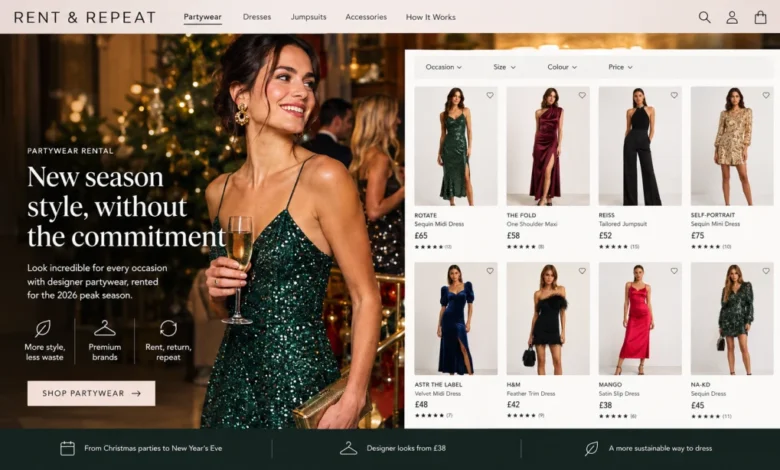
Fashion rental marketplace HURR has officially crossed the threshold into profitability, a pivotal development for the circular economy that signals a maturation of the business-to-consumer and peer-to-peer rental sector. Founder and CEO Victoria Prew, who established the platform in 2017, confirmed the milestone via social media, attributing the financial turnaround to an exhaustive 18-month strategic pivot. This transformation focused on operational efficiency, technological refinement, and a rigorous, granular analysis of internal expenditure. The achievement serves as a case study for the wider fashion industry, which has spent years grappling with how to reconcile the environmental imperative of "slow fashion" with the high-cost logistical demands of inventory management, cleaning, and last-mile delivery.
The Strategic Pivot: 18 Months of Optimization
The road to profitability was not without significant internal friction. According to the company’s internal review, the journey involved the decommissioning of several pilot programs that failed to meet key performance indicators (KPIs) and a top-to-bottom audit of the company’s technological infrastructure. By pivoting away from aggressive, loss-leading customer acquisition strategies, HURR focused on maximizing the lifetime value of its user base.
The strategic shift involved three primary pillars: logistical consolidation, automated tech deployment, and a leaner approach to marketing spend. By refining the backend technology, HURR was able to streamline the rental lifecycle, reducing the time garments spent in the "dead zone"—the period between being returned by a customer and being ready for the next rental. Furthermore, the company tightened its oversight of shipping costs and insurance premiums, ensuring that the margins on each transaction were not eroded by operational overheads.
A Chronology of Circular Ambition
Since its inception, HURR has navigated the turbulent landscape of the fashion tech startup world. Launched in 2017, the platform initially sought to bridge the gap between high-street accessibility and luxury sustainability.
- 2017-2019: The Foundation Phase. The company established its peer-to-peer model, allowing individual consumers to monetize their closets while giving others access to premium labels at a fraction of retail prices.
- 2020: The Pandemic Pivot. Despite the global shutdown of social events—the primary driver for rental demand—HURR utilized the period to solidify its brand partnerships, moving into white-label technology for major retailers.
- 2021-2022: Rapid Expansion. The company secured significant funding rounds, which allowed for the scaling of its tech stack and the integration of sophisticated authentication and cleaning logistics.
- 2023: Operational Retrenchment. Recognizing the cooling of the venture capital market and the necessity of sustainable unit economics, the company initiated the 18-month optimization program.
- 2024: Achieving Profitability. The realization of a black-ink balance sheet, signaling that the platform can now sustain its own growth without relying solely on continuous capital injection.
Data-Driven Growth and Market Context
The fashion rental market is currently navigating a period of intense scrutiny. For years, critics of the "rental economy" pointed to the carbon footprint of individual packaging and frequent dry-cleaning as potential negators of the environmental benefits. However, data from the Ellen MacArthur Foundation suggests that circular business models are essential to decoupling economic activity from the consumption of finite resources.
Market research from GlobalData indicates that the resale and rental market is expected to grow by nearly 15% annually through 2027. HURR’s ability to turn a profit during this growth phase is indicative of a broader industry shift: retailers are no longer viewing rental as a "marketing experiment" but as a core component of a diversified revenue stream. While the broader fashion market has seen a slowdown in discretionary spending due to inflationary pressures, the rental sector has benefited from a consumer shift toward "access over ownership," particularly among Gen Z and Millennial demographics who prioritize variety and sustainability over wardrobe accumulation.
Technological Advancements and User Experience
Central to HURR’s recent success is its focus on "frictionless" user experience. The recent introduction of "Search by Image" and "Request an Item" features demonstrates a move toward a hyper-personalized marketplace. By leveraging machine learning to match search queries with available inventory, HURR has increased its conversion rate significantly.
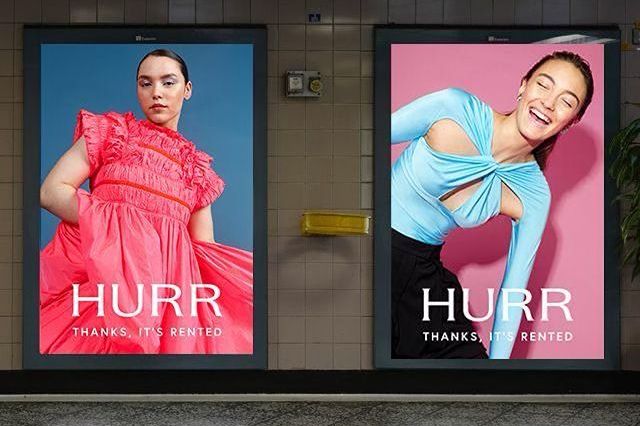
The "Request an Item" feature, in particular, has allowed the company to identify high-demand items that are not currently in circulation, enabling them to strategically acquire inventory that is guaranteed to have a high rental frequency. This data-backed approach to inventory management is a significant departure from the traditional retail model of forecasting demand six to nine months in advance, which often leads to overproduction and subsequent discounting.
Expert Perspectives on the Circular Shift
Industry analysts note that HURR’s milestone provides a vital proof-of-concept for investors. For the past decade, the "tech-enabled rental" space has been defined by high cash burn rates. The transition to profitability suggests that the unit economics of rental are finally reaching an equilibrium.
"The challenge for any platform in the circular space has been the cost of the ‘middle mile’—the logistics of moving, cleaning, and inspecting items," says an analyst from the Retail Technology Research Group. "HURR’s achievement is not just a win for their specific business; it is a validation of the entire rental infrastructure. If they can make the margins work at scale, it provides a blueprint for other platforms and even legacy brands looking to launch their own rental channels."
However, observers caution that the journey is far from over. The primary challenge remains the competition with fast-fashion giants who have begun to enter the resale space. Maintaining profitability while keeping price points accessible to the mass market will require constant technological innovation and an unwavering commitment to operational efficiency.
Broader Implications for the Retail Industry
The implications of HURR’s success are likely to ripple through the wider retail sector in three distinct ways:
- Normalization of Resale/Rental: As a pioneer in the space reaches profitability, the stigma of renting is further eroded. Consumers are increasingly viewing rental as a standard shopping channel rather than an alternative, niche behavior.
- Increased Focus on "White-Label" Solutions: With a proven, profitable tech stack, companies like HURR are positioned to become the engine behind the circular ambitions of larger, traditional retail brands. By offering their platform as a service, they can scale without the capital-intensive burden of owning every piece of inventory.
- Pressure on Traditional Retailers: Retailers who have been slow to adapt to circularity may face increased pressure from both consumers and regulators. As HURR demonstrates that sustainability and profitability are not mutually exclusive, the "we can’t afford to be sustainable" argument becomes increasingly untenable for established retail houses.
Conclusion: A Milestone, Not a Destination
In her announcement, Prew was clear that profitability does not equate to the conclusion of the company’s mission. The goal remains to fundamentally alter the way society consumes fashion, moving away from a linear "take-make-waste" model toward one defined by longevity and circularity.
The achievement is a significant validation of the "circular-first" business model. By scrutinizing every facet of the business—from the energy consumption of their cleaning partners to the efficiency of their search algorithms—HURR has managed to prove that the future of fashion does not necessarily need to be built on the constant production of new goods. As the company moves into its next phase, the focus will likely shift from survival and optimization to strategic scaling and international market penetration.
Ultimately, the lesson of HURR’s 18-month turnaround is that the circular economy requires more than just good intentions. It requires the same, if not more, analytical rigor as traditional retail. By successfully balancing the demands of investors with the values of their conscious consumer base, HURR has moved beyond the "startup" phase and into the "sustainable enterprise" category, setting a benchmark for the next generation of fashion technology companies. As the industry watches closely, the success of this model will likely determine the pace at which the rest of the fashion world pivots toward a more sustainable, profitable future.