Nike Inc. Leadership Signals Confidence Amidst Ongoing Turnaround Efforts

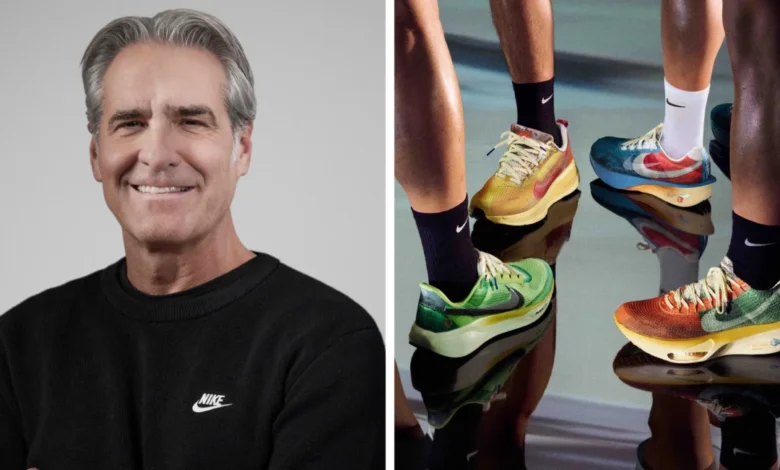
Shares of Nike Inc. experienced a notable uptick in early morning trading on Wednesday, rising 2.7 percent to $45.41, following news of significant insider stock purchases. This latest round of investment by key executives and board members, including company chief executive officer and president Elliott Hill, lead director and Apple CEO Tim Cook, and director John W. Rogers, founder of Ariel Capital Management, underscores a perceived vote of confidence in the athletic wear giant’s strategic direction and future prospects. The combined acquisitions totaled 52,660 shares of Class B common stock, with Hill investing $1 million, Cook nearly $1.1 million, and Rogers contributing $173,360 to their holdings in the iconic Swoosh brand. These transactions are particularly scrutinized by the market as Nike navigates a complex period marked by strategic adjustments and macroeconomic headwinds, especially in crucial international markets.
Deep Dive into Insider Transactions and Their Market Signal
Insider purchases, particularly from high-ranking executives and influential board members, are often interpreted by the investment community as a powerful indicator of internal optimism regarding a company’s financial health and growth trajectory. When individuals with intimate knowledge of a company’s operations, strategy, and challenges choose to increase their personal stake, it sends a strong message that they believe the stock is undervalued or poised for future appreciation. In Nike’s case, the collective decision by Hill, Cook, and Rogers to commit substantial personal capital suggests a firm conviction in the company’s ability to execute its turnaround plan and overcome current obstacles.
Elliott Hill, as CEO and President, is at the helm of Nike’s operational and strategic execution. His $1 million investment, following previous acquisitions, solidifies his alignment with shareholder interests and his belief in the initiatives he is leading. Tim Cook, renowned for his leadership at Apple and a prominent figure on Nike’s board, brings an external yet deeply informed perspective. His nearly $1.1 million purchase carries significant weight, signaling that a seasoned technology and business leader sees compelling value in Nike’s current position. John W. Rogers, a respected name in investment management and a long-standing director, adds another layer of credibility. His $173,360 investment from an experienced capital manager reinforces the financial rationale behind the purchases.
These transactions are not merely symbolic; they represent tangible financial commitments that tie the personal wealth of these influential figures directly to Nike’s performance. For investors on the outside looking in, such actions can mitigate concerns about short-term volatility or strategic uncertainties, instead pointing towards a long-term vision supported by those closest to the company’s core.
A Chronology of Leadership’s Consistent Confidence
This latest round of insider buying is not an isolated event but rather a continuation of a pattern observed late last year, further amplifying its significance. On December 29, both Elliott Hill and Tim Cook made headlines for their prior acquisitions of Nike stock. At that time, Hill invested $1 million to acquire 16,388 shares of Class B common stock, marking his first such purchase since assuming the role of CEO. This initial acquisition was particularly noteworthy, as it indicated a new CEO’s immediate financial commitment to the company’s future under his leadership.
Just a week prior, on December 22, Tim Cook also demonstrated his confidence by purchasing 50,000 shares, spending nearly $2.95 million. On the very same day, Robert Swan, an operating partner at Andreessen Horowitz’s growth investing team and another Nike director, acquired 8,691 shares at a total cost of $500,080. The consistency of these purchases across multiple key figures within a short timeframe, both in late December and now again, paints a clear picture of sustained and broad-based confidence from Nike’s leadership and board. This sequential pattern suggests that these individuals are not reacting to a single event but rather are making deliberate, strategic investments based on their evolving understanding of Nike’s strategic adjustments and market position.
According to the most recent regulatory filings, these cumulative purchases have significantly increased the personal stakes of these key individuals. Elliott Hill now owns a total of 265,247 shares of Nike, Tim Cook holds 130,480 shares, and John W. Rogers’s total ownership stands at 41,022 shares. These updated figures not only reflect the substantial financial commitment but also indicate a growing alignment of personal and corporate interests at the highest levels of the organization.
Nike’s Strategic Crossroads: The Turnaround Narrative
The backdrop against which these insider purchases are occurring is Nike’s well-documented "turnaround" effort. For several quarters, Nike has been actively recalibrating its global strategy to address shifting consumer preferences, intense competition, and volatile macroeconomic conditions. The company has focused on initiatives such as direct-to-consumer (DTC) expansion, supply chain optimization, and innovation in both performance footwear and apparel. While these efforts have shown promising signs, the path to sustained, robust growth has proven more challenging and protracted than initially anticipated.
The concept of a "turnaround" implies a period of strategic re-evaluation and operational adjustments aimed at revitalizing growth, profitability, and market leadership. For Nike, this involves navigating a complex interplay of factors, from geopolitical tensions impacting key markets to evolving consumer trends that demand both cutting-edge performance innovation and compelling lifestyle offerings. The insider purchases, therefore, are interpreted not just as a belief in the company’s current state, but more importantly, as an endorsement of the effectiveness and eventual success of these ongoing strategic shifts, even if the timeline extends beyond initial projections.
Navigating Q3: Performance and Underlying Challenges
The latest round of insider buying closely follows Nike’s third-quarter results, which, despite beating Wall Street estimates, revealed persistent underlying challenges in critical international markets. On March 31, Nike reported net sales of $11.3 billion, remaining flat year-over-year, yet surpassing the consensus analyst expectation of $11.2 billion. Diluted earnings per share (EPS) came in at 35 cents, significantly exceeding the Street’s estimate of 28 cents. However, net income saw a substantial decline of 35 percent, settling at $520 million.
While the top-line beat and better-than-expected EPS provided a momentary boost to investor sentiment, a deeper dive into the regional performance highlighted areas of concern. The positive headline numbers were largely attributed to strong performance in North America and a rebound in certain other segments, which helped offset weaknesses elsewhere. This mixed picture underscores the complexity of Nike’s global operations and the uneven recovery across different geographies and product categories.
The China Conundrum
One of the most significant headwinds for Nike in recent quarters has been its performance in the Greater China market. Once a powerhouse of growth and a key driver of the company’s international expansion, China has presented a complex set of challenges. In the third quarter, Nike continued to experience weakness in this vital region. Several factors contribute to this struggle, including intense competition from local brands that have gained significant traction by catering specifically to domestic consumer preferences and nationalistic sentiment. Brands like Anta and Li-Ning have successfully capitalized on a renewed focus on Chinese heritage and design, eroding some of Nike’s market share.
Furthermore, broader macroeconomic slowdowns in China, coupled with lingering effects of strict COVID-19 policies and geopolitical tensions, have impacted consumer spending and retail traffic. Supply chain disruptions, though easing, have also played a role. Nike has been actively working to regain momentum in China through localized product offerings, enhanced digital engagement, and strategic partnerships. However, the path to recovery in this highly dynamic and competitive market remains challenging, demanding continuous adaptation and innovation. The continued softness in China, as disclosed in the Q3 earnings, remains a critical area of focus for investors and management alike.
Headwinds in EMEA: Promotional Environment and Sportswear Softness
Beyond China, Nike’s third-quarter results also revealed significant challenges in its EMEA (Europe, Middle East, and Africa) operations. Revenue in this crucial region experienced a 7 percent drop, a decline primarily attributed to softness in the sportswear category and a highly promotional retail environment. Europe, a mature market with discerning consumers, has seen a shift in buying patterns. The "athleisure" trend, which previously fueled robust growth in sportswear, has evolved, with consumers either moving towards more performance-oriented gear or seeking out niche, fashion-forward brands.
The "highly promotional environment" indicates that retailers in EMEA are facing increased pressure to clear inventory, often resorting to discounts and sales, which can erode profit margins for brands like Nike. This scenario suggests a potential oversupply in certain categories or a mismatch between product offerings and current consumer demand. For Nike, a brand built on premium pricing and strong brand equity, a prolonged promotional environment can be detrimental to its brand perception and profitability. Addressing these issues in EMEA will require a nuanced strategy that balances brand integrity with market realities, potentially involving adjustments to product mix, pricing strategies, and distribution channels.
Analyst Perspectives: Rebalancing the Product Mix
In light of the regional challenges, particularly the softness in sportswear, analyst commentary has provided further insights into Nike’s strategic considerations. UBS analyst Jay Sole, for instance, suggested a significant recalibration of Nike’s product portfolio. Sole posited that Nike’s fashion-driven sportswear business should be scaled back to no more than 30 percent of the brand’s total mix. This recommendation stems from his observation that sportswear currently accounts for more than 50 percent of total sales.
Sole’s analysis highlights a fundamental difference between performance-oriented athletic gear and fashion-driven sportswear. Performance products, such as running shoes or basketball apparel, are typically driven by innovation, technological advancements, and the functional needs of athletes. While subject to trends, their core appeal lies in utility and performance. In contrast, sportswear, by its very nature, is closely tied to broader fashion trends and consumer whims. This makes the category inherently more volatile and susceptible to rapid shifts in consumer preferences. When sportswear constitutes a disproportionately large share of sales, the company becomes more exposed to the unpredictable cycles of fashion, potentially leading to inventory issues and revenue instability when trends shift away.
The implication of Sole’s advice is that Nike might need to re-emphasize its roots in performance innovation, ensuring that its core athletic offerings remain strong and distinct. A more balanced portfolio, with a reduced reliance on fashion-led sportswear, could provide greater stability and insulate the brand from the extreme fluctuations of the fashion cycle, allowing it to focus on its heritage of athletic excellence and technological leadership. This strategic pivot would involve significant resource allocation and product development adjustments, but it aligns with the long-term goal of sustainable, profitable growth.
Broader Market Dynamics and Competitive Landscape
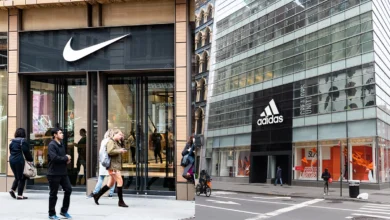
Nike operates within a highly dynamic and competitive global market for athletic apparel and footwear. The industry has seen significant shifts in recent years, including the rise of direct-to-consumer models, increased emphasis on sustainability, and the growing influence of digital marketing and e-commerce. Competitors range from established giants like Adidas and Puma to rapidly growing niche brands and local players in emerging markets. The "athleisure" boom, while beneficial for a period, also attracted a multitude of new entrants, fragmenting the market and increasing competitive intensity.
Consumer preferences are also evolving rapidly. There is a growing demand for personalized experiences, inclusive sizing, and products that align with social values. The younger demographic, in particular, is highly influenced by social media trends and celebrity endorsements, creating a fast-paced environment where brands must constantly innovate and adapt. Nike’s strategic turnaround is therefore not just about internal adjustments but also about positioning itself effectively within this complex external landscape. Its ability to leverage its brand strength, global reach, and innovation pipeline will be critical in maintaining its leadership position. The insider purchases suggest a belief that the company is well-equipped to navigate these broader market dynamics and emerge stronger.
Leadership’s Vote of Confidence: Implications for the Future
The consistent and substantial insider purchases by Nike’s leadership team and board members, occurring amidst a challenging operational environment, represent a powerful vote of confidence. This signal is particularly valuable as Nike continues its multi-year turnaround, which, as acknowledged, may take longer than initially expected. It suggests that despite the short-term headwinds in markets like China and EMEA, and the complexities of rebalancing its product mix, the company’s most informed stakeholders believe in the efficacy of its long-term strategy.
For external investors, these actions can serve as a reassurance that the company is on the right track, even if the journey is arduous. The implications extend beyond immediate stock price movements; they speak to the perceived resilience of Nike’s brand, its innovation capabilities, and the strategic acumen of its leadership. As Nike continues to refine its direct-to-consumer model, invest in digital capabilities, and innovate across its performance and lifestyle categories, the sustained commitment from its insiders provides a crucial foundation of internal belief, potentially bolstering broader market confidence and supporting the company’s valuation as it works towards its long-term objectives. The convergence of strategic recalibration with robust insider investment paints a picture of a company resolutely focused on its future, with its leadership putting their capital where their strategy is.