Transforming Photography into Tangible Assets: Lulu’s Print-on-Demand Revolutionizes Photo Book Creation and Sales


For photographers, the ephemeral nature of digital displays often falls short of capturing the true essence and enduring value of their work. The tactile experience of a printed photograph, bound within the pages of a book, offers a permanence and depth that digital platforms simply cannot replicate. A well-crafted photo book not only transforms a photographic project into a lasting artifact, suitable for display on shelves, as thoughtful gifts, or as captivating coffee table conversation starters, but it also presents a strategic avenue for photographers to monetize their creative output. In an era where direct artist-to-consumer engagement is paramount, Lulu, a leading print-on-demand and publishing platform, is empowering photographers to bypass traditional publishing hurdles and establish direct revenue streams, making the creation and sale of high-quality photo books more accessible and streamlined than ever before.
The traditional path to publishing a photo book has historically been fraught with challenges, often involving lengthy timelines, significant upfront financial commitments, and the inherent risks associated with inventory management. Photographers have frequently cited the arduous process of securing publishing deals, the necessity of committing to large, expensive print runs, and the uncertainty of sales volume required to recoup initial investments as major deterrents. This landscape is being fundamentally reshaped by Lulu’s innovative print-on-demand model. Under this paradigm, books are produced only when a customer places an order, effectively eliminating the need for substantial upfront capital, the burden of managing unsold inventory, and the lengthy waiting periods associated with traditional publishing houses. The process is designed for immediate action: photographers upload their digital files, design their desired book layout, and can make their creations available for purchase almost instantaneously, democratizing the publishing process and putting creative control firmly back into the hands of the artist.
Streamlining the Publishing Journey: From Concept to Creation
The prospect of designing a book can often seem daunting, especially for individuals whose primary expertise lies in image-making rather than graphic design or publishing. However, Lulu aims to demystify this process by offering comprehensive, step-by-step guidance and a suite of user-friendly templates. These resources are tailored to assist photographers in bringing their vision to life, regardless of the intended format or scale of their project. Whether the goal is to produce a lavish, high-end coffee table book, a compact and portable travel zine, or a meticulously curated collection centered around a specific theme or narrative, Lulu’s platform is engineered for intuitive navigation.
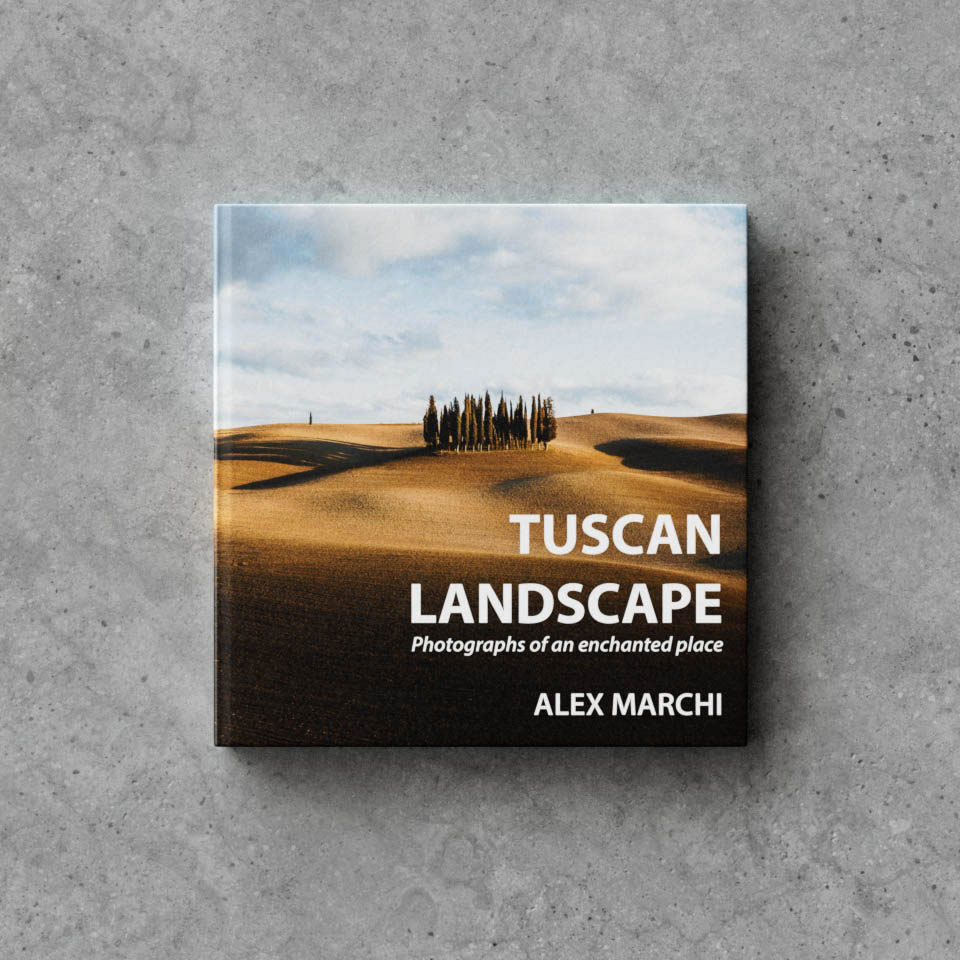
The journey from a collection of digital images to a finished, printed book is now remarkably accelerated. What was once perceived as a monumental undertaking, often spanning years from conception to distribution, can now realistically be accomplished within a matter of days. This accelerated timeline is a critical factor for photographers seeking to capitalize on current trends, respond to immediate exhibition opportunities, or meet the demands of a rapidly evolving market. The ability to iterate and produce quickly, without the logistical and financial encumbrances of conventional publishing, represents a significant shift in how photographic work can be materialized and disseminated.
Empowering Direct Sales: The Lulu Direct Advantage
One of Lulu’s most distinctive contributions to the photography publishing ecosystem is its robust direct-to-consumer sales solution, branded as Lulu Direct. This feature is designed to seamlessly integrate a photographer’s published books directly into their existing online presence. By leveraging integrations with popular e-commerce platforms such as Shopify, Wix, and WooCommerce, photographers can establish a direct sales channel that bypasses intermediaries. This means that customers purchase books directly from the photographer’s website, fostering a more intimate connection and ensuring that the artist retains the majority of the revenue generated. After accounting for the costs of printing and shipping, which are handled efficiently by Lulu, photographers receive 100% of the remaining revenue. This automated, white-label fulfillment process ensures that the customer experience is entirely branded around the photographer, with Lulu’s involvement remaining invisible to the end consumer.
The operational flow facilitated by Lulu Direct is elegantly straightforward:
- Customer Interaction: A potential buyer visits the photographer’s website, where the photo book is prominently featured alongside other offerings.
- Purchase and Order Processing: The customer selects and purchases the book directly through the website’s integrated e-commerce system.
- Automated Fulfillment: The order is automatically transmitted to Lulu.
- On-Demand Printing: Lulu prints the book to order, ensuring that only one copy is produced for each transaction.
- Global Shipping: The printed book is then shipped directly to the customer from Lulu’s facilities.
This streamlined, automated, and completely white-label system not only simplifies the sales and fulfillment process but also reinforces the photographer’s brand identity. The customer perceives the transaction as originating solely from the artist, enhancing brand loyalty and the perceived value of the purchase.

Expanding Creative Horizons: Beyond the Single Photo Book
The flexibility offered by Lulu extends beyond the creation and sale of individual photo books. Photographers can leverage the platform to offer a diverse range of products and create multifaceted revenue streams. This includes the ability to present books in various formats, such as premium hardcovers, standard paperbacks, or larger print editions, catering to different customer preferences and price points. Furthermore, photographers can curate special editions by bundling books, perhaps including signed copies or limited-run prints, thereby increasing their perceived value and collectibility.
The integration capabilities of Lulu with existing e-commerce tools also allow photographers to consolidate their entire creative business under one digital roof. A photographer’s website can evolve into a comprehensive hub where customers can purchase photo books, order prints, buy merchandise related to the photographer’s work, and even sign up for workshops or courses. This holistic approach allows for a more integrated and synergistic business model, where different creative outputs complement and reinforce each other, fostering deeper engagement with the artist’s audience and expanding the overall potential for income generation.
The Enduring Power of Print: Why Photo Books Resonate
In an age dominated by digital media, the enduring appeal of the printed photo book lies in its unique ability to command attention and foster a more profound connection with the viewer. While digital galleries and social media feeds offer immediate accessibility and broad reach, they often encourage a fleeting and superficial engagement. A physical photo book, conversely, invites a slower, more deliberate interaction. The act of turning pages, revisiting images, and absorbing the narrative woven through the photographs creates an immersive experience that digital formats struggle to replicate.
For the audience, a photo book represents an opportunity to own a tangible piece of the photographer’s vision, a curated selection of their best work presented in a format that encourages contemplation and appreciation. For the photographer, it serves as a powerful tool for building deeper relationships with their supporters, offering a lasting keepsake that fosters loyalty and provides a sustainable income stream. The implications for various photographic genres are significant:

- Wedding Photographers: Can offer exquisite, premium-quality albums that enhance their service packages, providing couples with a cherished heirloom that captures the essence of their special day in a luxurious format.
- Documentary Photographers: Can publish limited-run collections that directly correspond with exhibitions or specific social issues they are documenting. This allows for timely dissemination of their work and can serve as a crucial fundraising tool for ongoing projects.
- Fine Art Photographers: Can create collectible, limited-edition volumes that appeal to art collectors. These high-quality productions can command premium prices and are designed to be appreciated as artistic objects in their own right, transcending the typical lifespan of gallery exhibitions.
- Hobbyist Photographers: Can explore the viability of self-publishing by creating small-batch zines for niche communities. This low-risk approach allows them to test the market, gauge audience interest, and share their passion projects with like-minded individuals without significant financial outlay.
The data on print media’s resilience supports this trend. Despite the digital revolution, print books continue to hold significant market share, with many consumers valuing the tangible nature and focused reading experience they offer. A 2023 study by the Association of American Publishers indicated that print book sales have remained robust, suggesting a continued demand for physical media across various genres, including photography.
The Bottom Line: Practicality Meets Artistic Ambition
Lulu has effectively distilled a complex publishing process into a streamlined, accessible, and risk-free experience. From the initial design phase through to sales and global fulfillment, the platform is engineered for speed, flexibility, and minimal financial exposure for the creator. The inherent value of a photographer’s work deserves to transcend the transient nature of digital platforms. Images are meant to be held, cherished, and, importantly, to be valued financially.
In conclusion, Lulu empowers photographers not only to make their work tangible but also to build sustainable businesses around their art. The platform transforms the ambitious goal of publishing a photo book from a daunting, resource-intensive endeavor into a practical, achievable reality. By providing the tools for creation and direct sales, Lulu is enabling photographers to connect more profoundly with their audience, generate income, and ensure that their visual stories are not just seen, but deeply appreciated and collected for years to come. This democratization of publishing is a significant development, allowing artistic vision to be translated into lasting, marketable assets with unprecedented ease.
Related posts: