Marks and Spencer Relaunches Sparks Loyalty Programme with Shift to Cash Rewards and AI Driven Personalisation

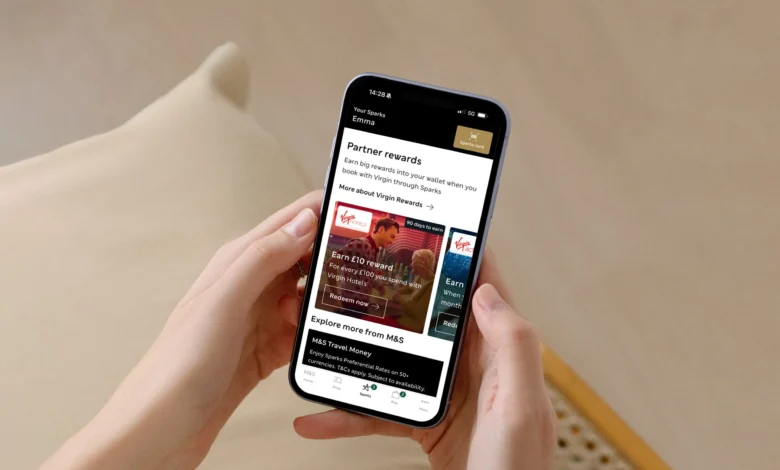
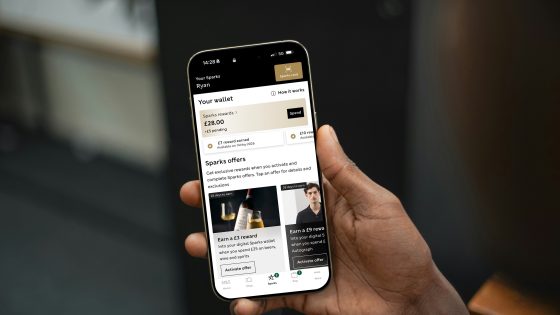
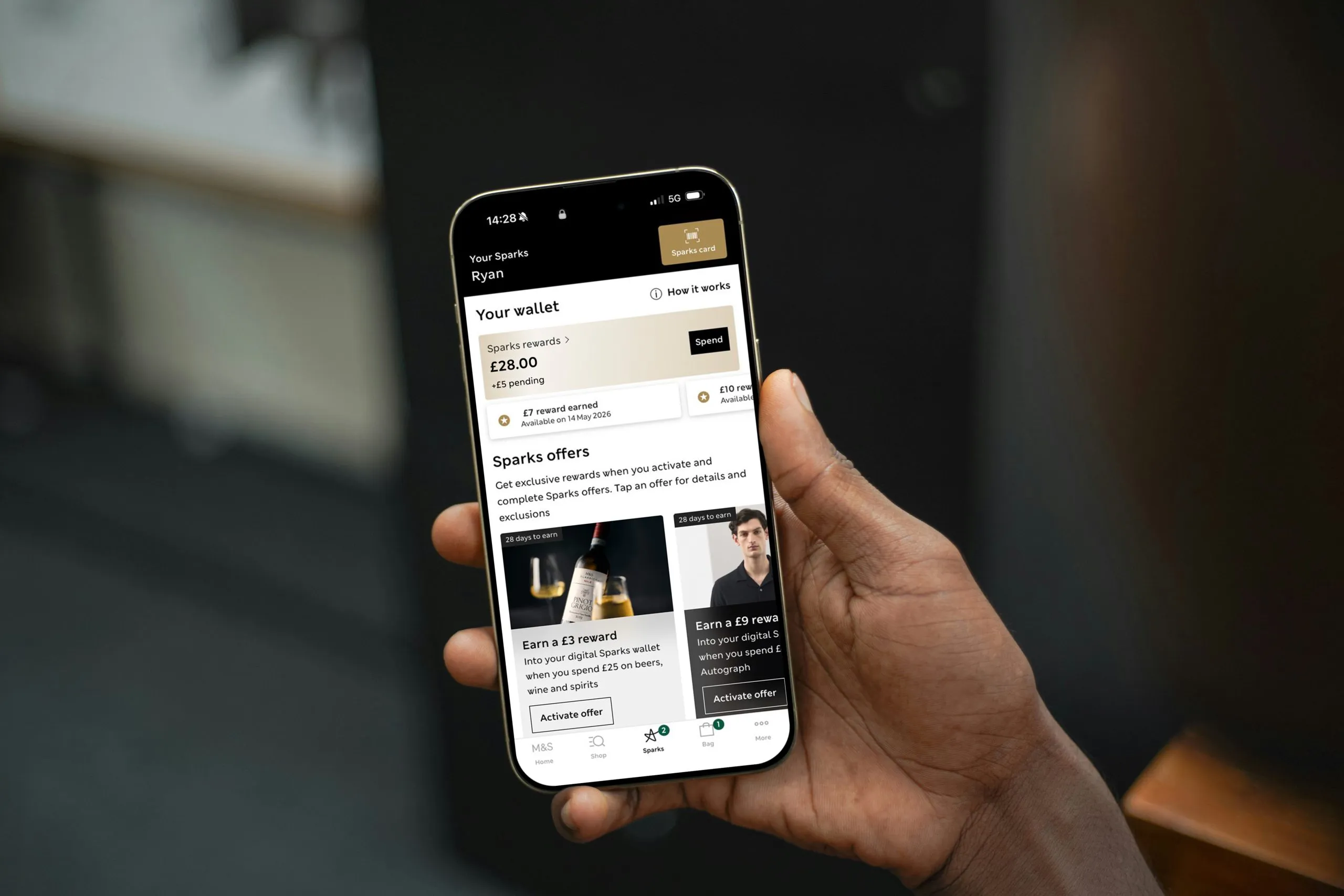
Marks and Spencer (M&S) has officially unveiled a comprehensive overhaul of its Sparks loyalty scheme, marking a definitive shift away from traditional point-based systems in favour of direct cash rewards and hyper-personalised incentives. This strategic relaunch is designed to bolster the retailer’s digital growth, increase the frequency of customer visits, and leverage advanced artificial intelligence to better understand and predict consumer behaviour. By introducing a digital "Sparks wallet" and integrating external partnerships, M&S aims to transform its loyalty offering from a passive discount tool into a central pillar of its modern retail ecosystem.
The core of the revamped programme is the replacement of abstract points with tangible monetary rewards. Under the previous iteration of Sparks, customers accumulated points that often lacked a clear, immediate value proposition. Feedback from the retailer’s extensive database indicated that consumers found the old structure cumbersome and desired greater transparency. In response, the new Sparks programme allows users to earn "real money" rewards that can be spent across the full breadth of the M&S portfolio, including food, fashion, home, and beauty departments.
The Evolution of the Sparks Ecosystem
The introduction of the "Sparks wallet" represents a significant technological leap for the 140-year-old retailer. This digital hub, housed within the M&S app, acts as a centralised repository for all personalised offers, rewards, and external partner benefits. The move aligns with M&S’s broader "Reshape for Growth" strategy, which prioritises digital-first engagement and the seamless integration of online and offline shopping experiences.
Central to this new experience is the deployment of sophisticated machine learning algorithms. M&S is now using expanded data sets to tailor offers based on individual shopping histories. For instance, a customer who frequently purchases plant-based food items may receive incentives for the "Plant Kitchen" range, while a shopper focused on kidswear might be offered bundles on school uniforms or seasonal apparel. Beyond basic machine learning, the retailer has signalled that it will soon integrate generative AI capabilities to further refine these recommendations, creating a more conversational and intuitive interface for app users.
The rewards are not limited to internal M&S purchases. In a landmark move for the programme, M&S has launched its first major external partnership by linking Sparks with Virgin’s rewards platform. This allows members to earn significant benefits outside the traditional retail environment, such as earning up to £130 when booking a Virgin Atlantic Holiday. This "ecosystem" approach mirrors successful models seen in the global airline and financial sectors, where loyalty programmes act as a bridge between various lifestyle services.
A Chronological Context of M&S Loyalty
To understand the significance of this relaunch, it is necessary to examine the evolution of the Sparks programme since its inception.
- 2015: The Launch. M&S introduced Sparks as a points-based system. Customers earned "sparks" for every pound spent, for writing reviews, or for recycling clothes via "shwopping." The rewards were primarily early access to sales and occasional "experiences."
- 2020: The First Major Reset. Recognizing that the points system was failing to drive significant engagement, M&S removed points entirely. The focus shifted to "instant rewards," such as the chance for one customer in every store to get their shopping for free each week, alongside charitable donations made by M&S on the customer’s behalf.
- 2022–2023: Digital Consolidation. The retailer focused on migrating its 16 million+ members to the M&S app. This period saw the introduction of "Sparks Pay" and the integration of Sparks with the Ocado joint venture.
- 2024–2025: The Cash and AI Era. The current relaunch represents the most radical shift yet. By introducing cash rewards and external partnerships, M&S is positioning Sparks as a financial asset for the consumer rather than just a marketing tool.
Data-Driven Strategy and Market Positioning
The decision to pivot toward cash rewards is supported by broader retail trends within the United Kingdom. Competitors like Tesco (with Clubcard Prices) and Sainsbury’s (with Nectar Prices) have seen immense success by offering immediate, tangible value to members. However, M&S is attempting to differentiate itself by avoiding "tricksy pricing." While competitors often use loyalty cards to unlock lower "member prices," M&S chief executive Stuart Machin has emphasised that the new Sparks is built around "no tricksy pricing" and "real money rewards."
The data implications for M&S are profound. With over 16 million members, the Sparks programme provides a granular view of British consumer habits. By incentivising customers to shop across different categories—such as encouraging a "Food-only" shopper to explore "Home" or "Fashion"—M&S can increase the average basket size and customer lifetime value. The new in-app hub is specifically designed to highlight these "cross-shopping" opportunities through targeted product bundles and first-time trial incentives.
Official Responses and Executive Vision
Stuart Machin, the Chief Executive of M&S, has been vocal about the necessity of this transformation. In his statement regarding the relaunch, Machin noted: "Customers told us they want Sparks to be simple, rewarding and personalised, and we listened. New Sparks is built around a much more personalised experience, no tricksy pricing and real money rewards to thank our customers for shopping with us."
This sentiment reflects a wider cultural shift within M&S to become more "customer-obsessed." Under Machin’s leadership, the retailer has focused on improving value perception while maintaining its reputation for quality. The integration of Sparks into the daily lives of consumers via their smartphones is seen as a way to defend market share against both premium rivals and discounters.
Industry analysts suggest that the move into external partnerships, specifically the Virgin Atlantic collaboration, is a tactical move to increase the "stickiness" of the M&S brand. By offering rewards that contribute to high-value items like holidays, M&S ensures that the Sparks app remains relevant to consumers even when they are not physically in an M&S store.
Analysis of Broader Implications and Future Outlook
The relaunch of Sparks carries several implications for the future of the UK retail landscape:
1. The End of Abstract Points: The shift at M&S likely signals the beginning of the end for traditional "points" in high-street retail. As the cost-of-living crisis continues to influence consumer behaviour, shoppers are prioritising immediate financial utility over long-term point accumulation.
2. AI as a Retail Standard: The use of generative AI for personalisation is no longer a luxury but a requirement. For M&S, the ability to predict that a customer will need new school shoes three weeks before the term starts—and providing a cash-back offer for that specific purchase—is the "holy grail" of retail marketing.
3. The Rise of the Retail Ecosystem: M&S is moving toward a platform model. By partnering with Virgin, they are acknowledging that they are part of a wider consumer spending journey. We can expect further partnerships in sectors such as energy, insurance, or entertainment as M&S seeks to make Sparks a "must-have" digital asset.
4. Financial Performance: For investors, the success of the new Sparks programme will be measured by "frequency of shop" and "multi-category participation." M&S has historically struggled to convert its loyal food shoppers into fashion shoppers and vice versa. If the Sparks wallet successfully bridges this gap, it could lead to significant margin improvements, as fashion and home goods typically carry higher margins than grocery items.
Despite the optimistic rollout, challenges remain. The reliance on a digital-first strategy risks alienating a segment of M&S’s traditional, older demographic who may be less comfortable with app-based loyalty wallets. Furthermore, the increased collection and use of AI-driven data will require M&S to maintain rigorous standards of data privacy and transparency to ensure customer trust is not eroded.
In conclusion, the relaunch of the Sparks loyalty programme is more than a simple update to a rewards scheme; it is a fundamental repositioning of how Marks and Spencer interacts with its customer base. By focusing on simplicity, cash value, and AI-driven relevance, the retailer is betting that the future of loyalty lies in being a useful, integrated part of the consumer’s digital life. As the retail sector continues to grapple with shifting economic pressures and technological advancements, M&S’s bold move toward a transparent, cash-based ecosystem sets a new benchmark for customer engagement in the modern era.