Pharrell Williams’ Iconic Ice Cream x Reebok Board Flip Sneakers Make Highly Anticipated Return, Reigniting Early 2000s Skate Culture Nostalgia

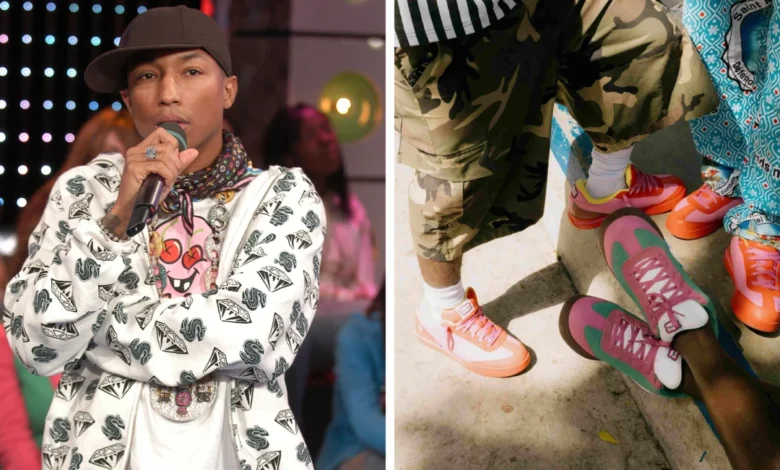
The iconic Ice Cream x Reebok Board Flip sneaker, a seminal artifact from the early 2000s streetwear landscape, is set for a wide re-release, bringing back the "Pink Lemonade" and "Watermelon" colorways that first captivated sneaker enthusiasts nearly two decades ago. This highly anticipated comeback follows a limited-edition launch last year, signaling a broader strategy to tap into the enduring appeal of one of the most celebrated collaborations between musical pioneer Pharrell Williams’s Ice Cream sublabel and athletic footwear giant Reebok. The re-release not only celebrates a pivotal moment in sneaker history but also underscores the cyclical nature of fashion and the lasting influence of cultural tastemakers like Williams.
The Genesis of a Groundbreaking Collaboration: Pharrell Williams, BBC, and Ice Cream
Pharrell Williams’s journey in the fashion and footwear industry is as storied and influential as his illustrious career in music. While widely known for his current 12-year partnership with Adidas, the multi-hyphenate artist, producer, and designer forged a significant path with Reebok a decade prior, through his nascent streetwear venture, Billionaire Boys Club (BBC) and its footwear-focused sublabel, Ice Cream. Founded in 2003 with Japanese fashion visionary Nigo, BBC quickly became a touchstone for contemporary streetwear, blending luxury aesthetics with skate and hip-hop influences. Ice Cream emerged as the audacious footwear arm, offering vibrant, often playful designs that stood in stark contrast to the prevailing monochromatic trends of the time.
The partnership with Reebok, which commenced around 2003, was a significant coup for both parties. For Reebok, it represented an opportunity to inject fresh cultural relevance into its brand by aligning with one of the most prominent and trendsetting figures in music and fashion. For Williams, it provided a robust platform to translate the distinctive aesthetic of Ice Cream into tangible products, reaching a wider audience through Reebok’s established manufacturing and distribution capabilities. This collaboration was particularly noteworthy as it preceded the widespread phenomenon of celebrity-designer sneaker lines, setting a precedent for how artists could authentically engage with major sportswear brands.
A Tumultuous Yet Influential Early Chapter (2004-2007)

The initial phase of the Ice Cream x Reebok collaboration, while artistically fertile, was not without its challenges. The partnership officially debuted with the "Flavour" sneaker in 2004, a model that immediately garnered attention for its distinctive design and the audacious branding of Ice Cream. This was quickly followed by other models, including the Board Flip, which would ultimately become the most revered of the original trio of sneakers released during this period.
However, the collaboration encountered significant hurdles, leading to a highly publicized legal dispute. By late 2004, Williams and BBC filed a $4 million lawsuit against Reebok, citing issues primarily related to quality control and missed production deadlines. Such disputes highlight the complexities inherent in high-profile collaborations, where creative vision must align seamlessly with manufacturing realities and logistical precision. The lawsuit underscored the importance Williams placed on the integrity and quality of his brand’s products. A settlement was ultimately reached in early 2005, which stipulated that while Williams and Reebok would officially part ways as active collaborators, Reebok would retain the rights to continue selling existing Ice Cream sneaker designs. This arrangement, though unusual, allowed the pioneering designs to remain in the market, albeit under modified terms.
It was within this context that the Ice Cream x Reebok Board Flip originally launched in 2005. Designed as a chunky skate shoe, it perfectly encapsulated the aesthetic of the era, characterized by exaggerated proportions, bold color blocking, and distinctive branding. Its T-toe overlay, generously padded "fat" tongue, and a striped midsole became instant identifiers. The lateral heel featured the playful "Cones and Bones" logo—a whimsical nod to the Ice Cream brand’s identity—while repeating "Ice Cream" marks adorned the mustache and tongue, leaving no doubt about its origin. The Board Flip’s design was a clear reflection of the skate culture that heavily influenced early 2000s streetwear, offering both style and perceived durability for the skateboarding community, even as it transcended into mainstream fashion. The original run also saw the release of the Board Flip 2 in 2007, marking the temporary conclusion of their collaborative sneaker efforts for over a decade.
The Board Flip: A Detailed Look at the "Pink Lemonade" and "Watermelon" Editions
The returning "Pink Lemonade" and "Watermelon" colorways are faithful recreations of their original counterparts, meticulously designed to evoke the vibrant energy of the early 2000s.
The "Pink Lemonade" edition is a striking composition of materials and hues. It features a perforated leather base, providing breathability and a subtle textural contrast. This is expertly overlaid with a suede eyestay and a texturized rubber T-toe, both rendered in a bold red, which also extends to the leather tongue. A rich burgundy leather is thoughtfully applied to the heel counter, adding depth and a touch of sophistication. Inside, a vivid yellow lining provides a surprising pop of color, while the sole unit is primarily red, bisected by a distinct pink stripe that runs partially through it, creating a visual metaphor for its namesake beverage. The combination is both refreshing and impactful, embodying the playful yet luxurious spirit of Ice Cream.

Conversely, the "Watermelon" iteration leans more heavily into the tactile richness of suede. Its foundation is a perforated green suede base, complemented by a vibrant pink eyestay and a matching green heel counter, creating a harmonious yet dynamic color scheme. The texturized rubber T-toe reappears, offering structural integrity and a signature aesthetic element. The midsole of the "Watermelon" is particularly noteworthy, split into a crisp white section accented with a pink stripe, culminating in a classic gum outsole. This combination of green, pink, and white, anchored by the gum sole, perfectly captures the fresh and summery essence of a watermelon, making it a visually delectable sneaker.
Both designs maintain the signature "Cones and Bones" logo on the lateral heel and the repeating "Ice Cream" marks on the mustache and tongue, ensuring that the brand’s whimsical identity is prominently displayed. The chunky silhouette, a hallmark of the original, remains intact, aligning perfectly with the current resurgence of oversized and retro-inspired footwear.
The Resurgence of Retro and the Modern Sneaker Landscape
The decision to bring back the Board Flip sneakers comes amidst a thriving retro sneaker market. Fashion cycles are inherently nostalgic, and the early 2000s—a period marked by bold experimentation in streetwear, the rise of hip-hop as a dominant cultural force, and the burgeoning influence of skate culture—is currently experiencing a significant revival. Consumers, both those who experienced the original release and a new generation discovering these silhouettes, are drawn to the authenticity and distinctive aesthetics of vintage designs.
Reebok, in particular, has been strategically delving into its archives to re-introduce beloved models, a move that helps to strengthen its brand identity and connect with different consumer segments. In an increasingly competitive market dominated by new technologies and hype-driven releases, the consistent demand for classic models provides a stable anchor. The success of the limited 500-pair release at ComplexCon last year served as a crucial barometer, demonstrating significant pent-up demand and confirming the Board Flip’s enduring cultural cachet. This initial, highly exclusive drop likely fueled speculation and heightened anticipation for a broader release, setting the stage for its current widespread availability.
Furthermore, the influence of celebrity collaborations remains a potent force in the sneaker industry. While Pharrell Williams is now deeply entrenched with Adidas, the legacy of his earlier work with Reebok through Ice Cream holds a unique place in sneaker lore. His Midas touch, whether through music or fashion, consistently generates excitement and trendsetting momentum. The re-release of the Board Flip is not just about a shoe; it’s about a piece of cultural history endorsed by a perennial tastemaker.

Implications and Future Outlook
The return of the Ice Cream x Reebok Board Flip "Pink Lemonade" and "Watermelon" carries several significant implications. For Reebok, it represents a successful leveraging of its heritage and a strategic move to capitalize on the retro sneaker trend. It reinforces the brand’s commitment to its collaborative history and its ability to re-engage with cultural figures who have shaped its past. In an era where brands are constantly seeking authenticity, bringing back an original design with its original collaborator, even if indirectly, resonates deeply with consumers.
For Pharrell Williams and Billionaire Boys Club/Ice Cream, this re-release further solidifies their pioneering role in bridging the gap between music, fashion, and sportswear. It reminds the industry of Ice Cream’s foundational impact on streetwear and its contribution to defining the aesthetic of the early 2000s. It also highlights Williams’s enduring vision and his ability to create designs that remain relevant and coveted years, even decades, after their initial debut.
From a broader market perspective, this release contributes to the ongoing conversation about the value of archival designs and the power of nostalgia in consumer behavior. It indicates that the appetite for unique, character-rich sneakers with compelling backstories remains strong, often surpassing the demand for purely performance-driven or futuristic models. The chunky silhouette, once a niche within skate culture, has fully permeated mainstream fashion, making the Board Flip’s design perfectly aligned with current trends, potentially attracting a new generation of sneakerheads unaware of its original legacy.
The Ice Cream x Reebok Board Flip "Pink Lemonade" and "Watermelon" are scheduled to first release on May 1 via BBC Ice Cream’s official website and physical stores, followed by a wider launch on Reebok’s website on May 6. Each pair will retail at $150, positioning them as an accessible yet highly desirable acquisition for collectors and fashion-forward individuals alike. This dual-phase release strategy is designed to reward dedicated fans of BBC Ice Cream while also ensuring broader availability through Reebok’s channels. The re-emergence of these iconic sneakers is more than just a product launch; it’s a testament to the lasting cultural impact of a truly groundbreaking collaboration and a vibrant piece of sneaker history making its timely return to the spotlight.