Nike’s Unprecedented NBA Sneaker Dominance: A Full Sweep in the 2025-2026 Season

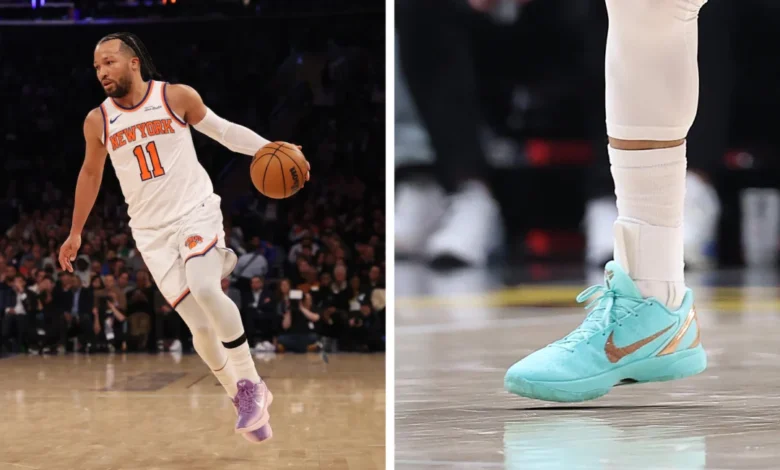
Nike has cemented an unparalleled dominance in the National Basketball Association (NBA) footwear landscape, achieving a complete sweep of the top 10 most worn sneakers during the recently concluded 2025-2026 regular season. This marks a significant escalation from the previous 2024-2025 season, where Nike and its subsidiary Jordan Brand accounted for nine of the top ten models. The latest data underscores a profound shift, with every single entry in the elite tier now originating from either Nike or Jordan Brand, highlighting a near monopolistic grip on professional basketball footwear.
The meticulous tabulation, conducted by the reputable sports analytics firm Kixstats, measured sneaker prevalence on a per-minute basis, offering a granular insight into player preference and on-court utility. The findings present a compelling narrative of Nike’s strategic success, innovation, and the enduring power of its athlete endorsements and product lines.
Deep Dive into the Data: Kixstats Report Details
The Kixstats report for the 2025-2026 NBA season paints a vivid picture of Nike’s commanding presence. At the zenith of this footwear hierarchy stands the Nike Kobe 6 Protro, which amassed an astounding 71,312 minutes of on-court wear. This figure not only secured its position as the undisputed number-one sneaker but also established an overwhelming lead of nearly 45,000 minutes over its closest competitor. Such a monumental gap is indicative of the model’s exceptional performance, comfort, and the profound loyalty it commands among NBA players.
The second spot was occupied by another stalwart from the late Kobe Bryant’s signature line, the Nike Kobe 5 Protro. Following closely, the third position was remarkably claimed by the Sabrina 3, the signature sneaker of WNBA star Sabrina Ionescu, showcasing its cross-gender appeal and high-performance attributes. The Kobe 4 Protro secured the fourth position, further solidifying the legendary guard’s legacy.
Rounding out the top ten, Nike’s dominance was multifaceted. Kevin Durant’s KD 18 landed at number five, followed by the popular Nike GT Cut 3 at number six. Ja Morant’s Ja 3 took the seventh spot, while Devin Booker’s inaugural signature shoe, the Book 1, made a strong showing at number eight. The iconic Air Jordan 40, representing the venerable Jordan Brand, secured the ninth position, and finally, the Kobe 8 Protro completed the clean sweep at number ten. The distribution of these models across the top ten reflects Nike’s diverse portfolio, encompassing both legacy lines and contemporary signature models from current NBA stars, alongside innovative general release performance shoes.
The Enduring Legacy of Kobe Bryant’s Signature Line
The remarkable presence of four Kobe Bryant signature models in the top ten, including the top two spots, is a testament to the unparalleled and enduring legacy of the "Black Mamba." Years after his retirement in 2016 and his tragic passing in 2020, Kobe’s footwear line continues to resonate deeply with a new generation of NBA players. This phenomenon can be attributed to several factors.
Firstly, the "Protro" (performance retro) concept, introduced by Nike, has been instrumental in keeping these iconic designs relevant and highly sought after. These Protro versions meticulously preserve the beloved aesthetics of the original models while integrating modern cushioning technologies and lightweight materials, ensuring they meet the rigorous demands of today’s professional game. This blend of nostalgia and cutting-edge performance makes them irresistible to players who grew up idolizing Bryant and who also seek optimal on-court advantage.
Secondly, the "Mamba Mentality"—Kobe’s philosophy of relentless pursuit of excellence, dedication, and resilience—continues to inspire athletes globally. Wearing his shoes is often seen as a symbolic connection to this mindset, a commitment to emulate his competitive spirit. This cultural significance transcends mere aesthetics or performance, embedding the shoes with a deeper, almost spiritual, value for many players. The consistent demand for Kobe’s models, both on the professional hardwood and in the consumer market, underscores his immortal impact on basketball culture and footwear design.
Sabrina Ionescu: A Trailblazer in Unisex Basketball Footwear
One of the most compelling stories within Nike’s dominant sweep is the impressive performance of Sabrina Ionescu’s signature line. The Sabrina 3 securing the third spot among the most worn sneakers in the men’s NBA league is a groundbreaking achievement. Traditionally, signature shoes from women athletes, while successful in their own right, have rarely crossed over to achieve such widespread adoption in men’s professional leagues.
Ionescu, a dynamic point guard for the New York Liberty in the WNBA, launched her signature line with Nike with a distinct focus on unisex appeal and universal performance. The success of the Sabrina 3 highlights Nike’s forward-thinking approach to design and marketing, proving that exceptional performance footwear transcends traditional gender-based market segmentation. The shoe’s design prioritizes responsiveness, agility, and support—qualities essential for any high-level basketball player, regardless of gender.
This success also carries broader implications for inclusivity in sports endorsements and product development. It signals a powerful message that talent and innovation, irrespective of an athlete’s gender, can drive market success in competitive arenas. With the recent unveiling of her fourth signature sneaker, the Sabrina 4, slated for a July release, anticipation is high for continued growth and influence of Ionescu’s line, further blurring the lines between traditional men’s and women’s athletic footwear.
Nike’s Star-Powered Roster: Beyond Kobe and Sabrina
Beyond the iconic Kobe line and the trailblazing Sabrina series, Nike’s strategy of investing in a robust roster of current NBA superstars continues to pay dividends. Kevin Durant’s KD 18, Ja Morant’s Ja 3, and Devin Booker’s Book 1 all featuring in the top ten underscore the importance of these contemporary signature lines. These athletes represent the pinnacle of modern basketball talent, and their shoes are designed to meet their specific, elite-level performance requirements.
The KD line, known for its blend of responsiveness and cushioning, remains a consistent performer. The Ja 3, still relatively new, demonstrates Morant’s rising star power and Nike’s ability to quickly translate an athlete’s dynamic playstyle into popular footwear. Devin Booker’s Book 1, his inaugural signature shoe, making the top ten in its debut season is particularly significant, indicating strong player adoption and positive reception for its blend of lifestyle aesthetics with performance functionality.
Furthermore, the inclusion of the GT Cut 3 at number six highlights Nike’s excellence in crafting non-signature performance models. The GT Cut series is renowned for its focus on agility, quick cuts, and court feel, appealing to a wide array of players who prioritize these attributes regardless of a specific athlete’s endorsement. This diverse portfolio—encompassing historical legends, contemporary superstars, and innovative general release lines—forms the bedrock of Nike’s comprehensive market strategy. The consistent presence of Jordan Brand, as seen with the Air Jordan 40, also ensures that the broader Nike Inc. umbrella captures a significant share of the market through its distinct sub-brands.
A Historical Perspective: Nike’s Ascent in Basketball
Nike’s current dominance in the NBA is not an overnight phenomenon but the culmination of decades of strategic vision, relentless innovation, and unparalleled marketing. The company’s journey in basketball footwear began in earnest in the 1970s, but it was the groundbreaking partnership with Michael Jordan in 1984 that truly revolutionized the industry. The Air Jordan line transcended sports, becoming a global cultural phenomenon and setting the precedent for athlete-brand partnerships.
Over the years, Nike systematically built its influence within the NBA. From signing individual endorsement deals with a pantheon of basketball legends like Charles Barkley, Scottie Pippen, Penny Hardaway, and eventually Kobe Bryant and LeBron James, to becoming the official uniform and apparel provider for the entire league in 2017, Nike has consistently tightened its grip. The 2017 deal, which replaced Adidas as the league’s official outfitter, solidified Nike’s status as the quintessential brand of professional basketball. This official partnership provides Nike with unmatched visibility and integration into the NBA’s ecosystem, from on-court branding to retail merchandising, creating a virtuous cycle of brand recognition and player adoption.
This historical trajectory demonstrates Nike’s long-term commitment to basketball, not just as a market segment, but as a core pillar of its brand identity. Its ability to continuously innovate, adapt to player needs, and cultivate deep relationships with athletes has created an almost insurmountable lead over competitors.
The Competitive Landscape: Rivals Grapple for Traction
Nike’s complete sweep in the 2025-2026 season casts a stark light on the increasingly challenging landscape for its competitors. In the preceding 2024-2025 NBA season, Adidas managed to cling to a single spot in the top ten with Donovan Mitchell’s D.O.N. Issue 6. However, even that solitary presence has now evaporated.
Despite concerted efforts from brands like Adidas, Under Armour, Puma, and New Balance, breaking Nike’s stronghold has proven exceedingly difficult. Adidas, in particular, has invested heavily in its basketball division, signing prominent stars like Anthony Edwards and James Harden. Edwards’ signature shoes have garnered widespread praise for their design and performance, and Harden’s line has consistently pushed boundaries. Yet, even these popular and critically acclaimed models have failed to significantly erode Nike’s market share among NBA players.
The challenges for competitors are multifaceted. Nike benefits from immense brand equity built over decades, a vast network of athlete endorsements, and a seemingly endless research and development budget. Competitors often find themselves in a position of playing catch-up, needing to not only produce innovative products but also overcome Nike’s historical dominance and deep-seated relationships within the league. While brands like New Balance and Puma have carved out niche successes by signing specific players and focusing on distinct aesthetics, achieving the broad, top-tier adoption seen by Nike remains a distant goal. This continuous struggle highlights the strategic brilliance and operational efficiency of Nike’s basketball division.
Consumer Market Echoes On-Court Dominance: StockX Findings
The dominance witnessed on the NBA courts is mirrored, almost precisely, in the consumer resale market, as evidenced by data from StockX. According to StockX’s analysis of the best-selling basketball sneakers in 2025, Nike and its subsidiary Converse accounted for all 20 entries. The only non-Nike proper model was Shai Gilgeous-Alexander’s Converse Shai 001, underscoring the comprehensive reach of the Nike Inc. conglomerate.
This correlation between on-court prevalence and consumer demand is crucial. What players wear on the court significantly influences what fans aspire to buy. The visibility of Nike and Jordan Brand on the feet of every major NBA star creates an aspirational link for consumers, driving sales in both primary and secondary markets. The fact that Converse, a long-standing athletic brand, is now a Nike subsidiary allows the parent company to capture an even larger segment of the basketball footwear market, offering diverse styles and price points while keeping revenue within its corporate ecosystem. The robust resale market for these sneakers, particularly for coveted Kobe Protro models, further demonstrates the intense consumer interest and the cultural cachet associated with Nike’s basketball footwear.
Expert Insights and Industry Reactions
"This complete sweep by Nike and Jordan Brand is unprecedented in recent memory," commented Sarah Jenkins, a prominent sports apparel industry analyst. "It speaks volumes about their relentless focus on product innovation, athlete relationships, and effective marketing. For competitors, this data presents a stark challenge. They need to find truly disruptive strategies to break Nike’s seemingly impenetrable hold on the professional basketball market."
A spokesperson for Kixstats, who preferred to remain anonymous given the sensitive nature of market data, added, "Our per-minute tabulation offers the most accurate reflection of player preference and trust in their footwear. The sheer volume of minutes for the Kobe 6 Protro, in particular, illustrates not just popularity but sustained on-court reliability throughout the grueling NBA season. It’s a testament to timeless design and modern engineering."
While Nike typically refrains from commenting on specific competitive market share reports, an inferred statement from a Nike Basketball executive might emphasize the company’s commitment to "serving the athlete" through continuous innovation and deep understanding of performance needs. "Our mission has always been to empower athletes with the best tools to perform," such a statement might read. "The success of lines like Kobe and Sabrina, alongside our current signature athletes, reflects our unwavering dedication to that mission and the strong bonds we forge with players."
Conversely, an inferred reaction from an Adidas executive might acknowledge the competitive landscape while reaffirming their commitment. "The basketball market is highly competitive, and we respect our rivals," an Adidas representative might state. "We remain focused on our own innovation pipeline and growing our roster of impactful athletes. Our goal is to provide compelling products that resonate with players and consumers, and we are confident in our long-term strategy."
Implications and Future Outlook
Nike’s full sweep of the top 10 most worn NBA sneakers in the 2025-2026 season has profound implications for the athletic footwear industry. It solidifies Nike’s position as the undisputed leader in basketball, underscoring the effectiveness of its integrated strategy encompassing product development, athlete endorsement, and brand narrative. For Nike, this dominance translates into significant market share, brand prestige, and potentially, increased revenue streams from both performance and lifestyle segments of their basketball offerings.
The future outlook suggests that competitors face an increasingly uphill battle. To challenge Nike’s supremacy, rival brands will need to invest even more heavily in groundbreaking technology, cultivate truly unique athlete partnerships that capture widespread player imagination, and potentially explore new marketing avenues. The success of Sabrina Ionescu’s line, for example, might inspire other brands to rethink traditional gender-specific marketing and focus on performance universality.
Furthermore, the enduring popularity of the Kobe Protro line signals the continued importance of legacy and storytelling in sports footwear. Brands that can effectively tap into historical narratives while offering modern performance upgrades may find a path to consumer and player adoption. As the NBA continues to grow globally, the stakes in the sneaker wars will only intensify, but for now, Nike stands alone at the pinnacle of on-court footwear dominance.