Songdian’s Strategic Leap into the Micro Four Thirds System: From "Scameras" to Potential Innovation

The landscape of digital imaging is in constant flux, with established giants and emerging players vying for market share and consumer attention. In February of 2026, a significant development occurred when Shenzen Sonida Digital Technology Co. Ltd., a Chinese manufacturer known primarily for its budget-friendly and often imitative digital cameras, announced its official entry into the Micro Four Thirds (MFT) system as a partner. This move, orchestrated under its consumer brand Songdian, immediately sparked debate and curiosity within the photography community. Given Songdian’s prior reputation for producing cameras often characterized as "scameras"—low-cost devices designed to mimic the aesthetics of more prestigious models, with performance to match—the question lingered: could this company, historically associated with the lower echelons of the market, truly contribute meaningfully to a sophisticated and established imaging standard like Micro Four Thirds?
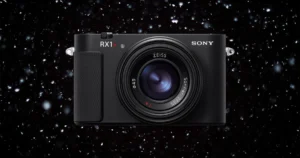
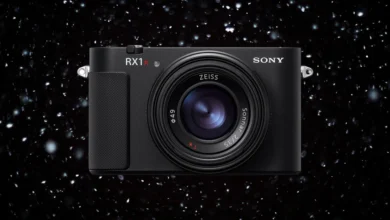
However, Songdian has publicly articulated a clear ambition to transcend its past and forge a new identity centered on high-quality imaging products. This aspiration, detailed in official company statements and strategic announcements, suggests a deliberate pivot from its previous business model. The company’s historical offerings have largely comprised affordable digital cameras, many of which were critically panned. For instance, an early iteration of a Songdian camera designed to resemble Fujifilm’s popular X100 series was described by veteran reviewer Andy Westlake as "the worst camera I’ve ever used," highlighting a significant disparity between the perceived value and the actual performance. This history presents a considerable hurdle for Songdian as it seeks to gain credibility within the MFT ecosystem, an arena that typically demands a higher standard of optical and sensor performance.
The Genesis of Songdian’s MFT Ambitions
The initial announcement of Songdian’s partnership with the Micro Four Thirds standard was met with a mixture of skepticism and cautious optimism. The MFT system, a collaboration between Olympus (now OM System) and Panasonic, has long been lauded for its compact interchangeable lens camera bodies and lenses, offering a balance of image quality, portability, and affordability. Its open standard allows various manufacturers to develop compatible camera bodies and lenses, fostering a diverse and competitive market.
Songdian’s decision to enter this established system can be viewed as a strategic gamble, potentially aimed at leveraging the existing MFT lens mount and ecosystem to elevate its brand and product offerings. The company’s confirmation, late last month, that it was actively developing a new Micro Four Thirds camera and lens marked a concrete step towards realizing this ambition. This development signals a departure from its previous strategy of producing low-cost, aesthetically driven "scameras" and indicates a genuine intent to engage with the more discerning segment of the photography market.
Navigating the "Scamera" Legacy
Songdian’s reputation is inextricably linked to its "scamera" lineup. These devices, often characterized by their inexpensive construction and their uncanny resemblance to high-end cameras from brands like Fujifilm and Leica, have been a significant part of the company’s product portfolio. While they may have found a niche among consumers seeking the look of a premium camera at a fraction of the cost, their imaging capabilities have consistently fallen short of professional or even enthusiast expectations. The critical reception of models like the "fake X100" underscores the challenges Songdian faces in overcoming its past.
Despite this checkered history, the potential for Songdian to produce a worthwhile Micro Four Thirds product remains. The MFT system, by its nature, allows for a broad spectrum of camera designs and performance levels. There is a clear market segment for stylish, compact, and well-built MFT cameras that deliver pleasing image quality without necessarily competing at the absolute highest end of professional gear. Such cameras could appeal to a wide range of users, from beginners to seasoned photographers seeking a capable, secondary system. The success of companies like Viltrox in the lens market offers a compelling precedent. Viltrox, which began by producing affordable third-party lenses, has since evolved to create high-performance optics that rival those from established first-party manufacturers, all while maintaining competitive pricing. This trajectory demonstrates that a commitment to quality, research, and development can lead to significant brand elevation and market acceptance.
The Economic Realities of Camera Development
Developing new digital cameras, even those with smaller sensors and less complex lens designs, is an undertaking fraught with significant financial and technical challenges. The costs associated with research, design, manufacturing, and quality control are substantial. Creating truly exceptional imaging products is exponentially more expensive, requiring substantial investment in optical engineering, sensor technology, and image processing.
For a company like Songdian, which has historically operated at the lower end of the market, the transition to developing MFT-compatible products represents a substantial leap in both financial commitment and technical expertise. The company’s stated desire to push the Chinese imaging industry forward suggests a long-term vision that transcends immediate profit margins. This implies a strategic investment in building foundational knowledge, accumulating resources, and honing expertise, with the ultimate goal of producing demonstrably better products.
Songdian’s Stated Vision for the Future
The company’s leadership has articulated a clear vision for its future within the imaging sector. Zhao Kundian, the founder of Songdian, emphasized the paramount importance of quality and innovation in a recent address. He stated, "Quality is the cornerstone of trust, innovation is the engine of development. Songdian will always take consumers’ rights and interests as the starting point, and reshape the brand value of national images with real parameters, reliable quality control and full-cycle services." This statement suggests a commitment to transparency and customer satisfaction, key elements that are crucial for building brand loyalty and trust.
Furthermore, Sonida, the parent company, elaborated on its strategic direction: "Under the dual waves of high-quality development and the rise of national products, Songdian is writing a new chapter of China’s imaging industry with technology as its pen and users as its foundation." This rhetoric aligns with broader national initiatives in China aimed at fostering domestic technological innovation and strengthening the country’s position in high-value manufacturing sectors. The emphasis on "national products" suggests an aspiration to elevate Chinese brands to global prominence through technological advancement and superior product quality.
Broader Implications for the Micro Four Thirds System
The entry of a new manufacturer into the Micro Four Thirds system, regardless of its past performance, generally bodes well for the ecosystem. Increased competition can drive innovation, lead to a wider variety of product offerings, and potentially lower prices for consumers. For the MFT system, which has faced challenges in recent years from the rapid advancement of smartphone camera technology and the growing popularity of larger sensor formats like APS-C and full-frame, new participants like Songdian could inject fresh energy and creativity.

Songdian’s initiative to address issues of false marketing and shoddy quality control within the Chinese camera industry is another significant aspect of its strategic repositioning. By actively working to clean up the domestic market, Songdian aims to establish a more robust and trustworthy foundation for its own future endeavors and to contribute to the overall elevation of Chinese-made imaging products. This commitment, if genuinely implemented, could have a ripple effect, encouraging other manufacturers to adopt higher standards and fostering a more competitive and ethical marketplace.
The Road Ahead: Optimism Tempered with Realism
While Songdian’s stated ambitions are commendable, the practical realization of these goals remains to be seen. The transition from producing low-cost, imitative cameras to developing high-quality, innovative MFT products is a formidable challenge. Success will depend on Songdian’s ability to invest heavily in research and development, attract and retain skilled engineering talent, implement rigorous quality control measures, and effectively market its new offerings to a discerning audience.
The company’s past performance, marked by the production of "scameras," has understandably created a degree of skepticism. However, the photographic industry has a history of companies that have successfully reinvented themselves. The key will be Songdian’s sustained commitment to its new vision, its willingness to learn from its past mistakes, and its ability to deliver products that not only look good but also perform exceptionally well.
As Songdian embarks on this new chapter, the photographic community will be watching closely. The prospect of more high-quality, interesting cameras entering the Micro Four Thirds system is an exciting one. If Songdian can indeed leverage its newfound partnership and its stated commitment to quality to produce compelling MFT cameras and lenses, it could prove to be a valuable addition to the imaging landscape, contributing to the continued vitality and evolution of the Micro Four Thirds standard in an ever-changing photo industry. The journey from "scamera" manufacturer to a respected player in the MFT system is a long one, but the initial steps and the articulated vision offer a glimmer of hope for a more innovative and quality-focused future from this Chinese imaging firm. The industry, and consumers alike, will be eager to see if Songdian can translate its ambitious pronouncements into tangible, high-performing products.
Related posts: