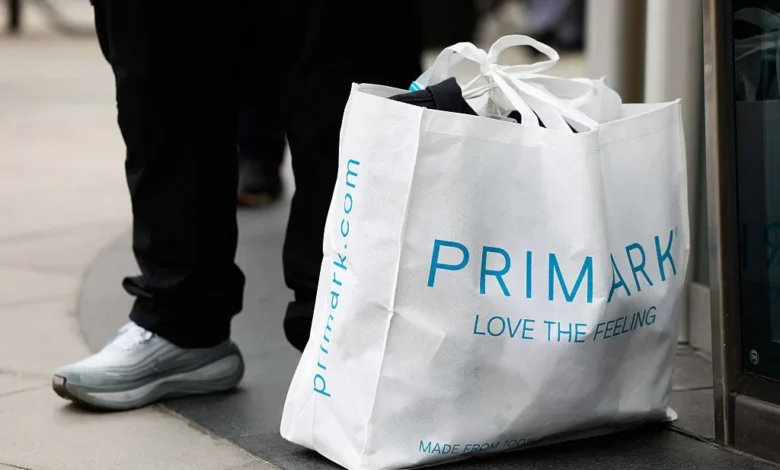
The apparel industry is navigating a complex landscape where the pursuit of sustainability, particularly circularity, is increasingly being weighed against escalating operational costs. For value-driven retailers like Primark, this presents a significant strategic challenge: can the ambitious goals of circular fashion remain attainable when the economic pressures are mounting? This article delves into the intricate relationship between rising costs, the imperative for circular business models, and the specific considerations for brands operating within the fast-fashion segment, exploring the data, context, and potential implications for the future of the industry.
The Ascending Cost of Doing Business in Apparel
The global apparel sector has long been characterized by its sensitivity to fluctuating input costs. However, recent years have witnessed a confluence of factors that have significantly amplified these pressures. The COVID-19 pandemic disrupted global supply chains, leading to manufacturing delays, increased shipping expenses, and shortages of raw materials. Geopolitical instability, including conflicts and trade disputes, has further exacerbated these issues, creating an environment of uncertainty and unpredictability.
Raw Material Volatility: The cost of key raw materials, such as cotton, polyester, and other synthetics, has experienced significant price hikes. Cotton prices, for instance, have been influenced by adverse weather conditions in major producing regions, impacting yields and driving up market prices. Similarly, the price of crude oil, a primary component in synthetic fiber production, has been subject to volatile global energy markets. For a sector heavily reliant on these inputs, such fluctuations directly translate to higher production costs. Data from industry analysis firms consistently shows a upward trend in raw material costs over the past two to three years, with some commodities experiencing double-digit percentage increases year-on-year.
Energy and Logistics Expenses: The energy crisis, particularly in Europe, has dramatically increased the cost of electricity and gas, essential for textile manufacturing and processing. This surge impacts everything from spinning and weaving to dyeing and finishing. Furthermore, global shipping costs, which had skyrocketed during the pandemic, have remained elevated due to port congestion, container shortages, and increased fuel prices. These logistical hurdles add a substantial burden to the cost of transporting goods from manufacturing hubs to distribution centers and ultimately to consumers. Shipping rates from Asia to Europe and North America, for example, are still significantly higher than pre-pandemic levels, impacting the landed cost of garments.
Labor Costs and Inflation: While often cited as a key driver of fast fashion’s low price points, labor costs are also on the rise. In many manufacturing countries, minimum wage increases and a general rise in the cost of living are contributing to higher wages for garment workers. Coupled with broader inflationary pressures across economies worldwide, these factors contribute to a general increase in the overall cost of production for apparel.
The Circularity Imperative: A Growing Demand
Amidst these escalating costs, the imperative for the apparel industry to embrace circularity has never been stronger. Driven by growing consumer awareness, regulatory pressures, and a desire for long-term business resilience, circular economy principles are gaining traction. A circular model aims to keep products and materials in use for as long as possible, through strategies such as:
- Design for Durability and Repairability: Creating garments that are built to last and can be easily repaired.
- Reuse and Resale: Facilitating the second-hand market and offering buy-back programs.
- Recycling and Upcycling: Transforming old garments and textile waste into new materials and products.
- Rental and Subscription Models: Shifting from ownership to access.
The environmental benefits of circularity are substantial, including reduced waste, lower carbon emissions, and decreased demand for virgin resources. However, implementing these strategies often requires significant upfront investment in new technologies, infrastructure, and business model innovation.
Primark’s Position: Value-Driven Fashion and the Circularity Conundrum
Primark, a prominent player in the fast-fashion market, operates on a business model that prioritizes affordability and accessibility for a broad consumer base. Its success has been built on delivering trend-led clothing at extremely competitive price points. This value proposition, however, inherently makes the company more susceptible to cost increases and potentially more challenged by the investment required for extensive circularity initiatives.
The Cost of Circularity vs. Value Pricing: For a brand like Primark, the question is stark: can the costs associated with implementing robust circularity programs be absorbed without compromising its core value offering? The investment in advanced textile recycling technologies, establishing large-scale take-back schemes, redesigning products for disassembly, and developing new logistics for returned garments are all significant financial undertakings. If these costs are passed on to consumers, it could alienate the very customer segment that Primark serves.
Data Insights and Industry Trends: While specific financial data for Primark’s circularity initiatives is not publicly detailed, broader industry trends offer insight. A report by the Ellen MacArthur Foundation, a leading advocate for the circular economy, highlights that while circular business models can offer long-term economic benefits, the transition phase often requires substantial investment. For fast-fashion retailers, the challenge is compounded by the sheer volume of garments produced and the rapid product turnover.
For example, a study on the economic viability of textile-to-textile recycling indicates that current technologies, while advancing, can still be more expensive than using virgin materials, especially for blended fabrics. This cost differential directly impacts the profitability of producing recycled textiles, which in turn affects the price of recycled-content garments.
Primark’s Existing Commitments: It is important to note that Primark has publicly stated its commitment to sustainability and is taking steps towards greater circularity. The company has set targets for increasing the use of recycled and more sustainably sourced materials in its products and is exploring initiatives such as the "Primark CARE" program, which aims to encourage customers to repair, reuse, and recycle their clothing. These efforts, while commendable, represent an ongoing journey and a gradual integration of circular principles rather than an immediate overhaul.
Timeline and Evolution of the Challenge
The current challenge is not entirely new, but its intensity has amplified in recent years.
- Pre-2015: Sustainability in fashion was a nascent concept, primarily driven by niche brands and environmental advocacy groups. Fast fashion largely operated without significant pressure to address its environmental impact.
- 2015-2020: Consumer awareness of fashion’s environmental footprint began to grow. Regulatory bodies started to explore policies related to textile waste and chemical usage. Brands began to introduce "conscious" or "sustainable" collections, often as a marketing initiative.
- 2020-Present: The COVID-19 pandemic exposed the fragility of global supply chains and intensified scrutiny on the industry’s environmental and social practices. Escalating geopolitical tensions and inflationary pressures have further increased operational costs. Regulatory frameworks, such as the EU’s Strategy for Sustainable and Circular Textiles, are becoming more concrete, pushing for greater accountability and actionable change.
This evolving landscape means that companies like Primark are now facing a dual pressure: the need to maintain affordability for their core customer base while simultaneously investing in more sustainable and circular operational models.
Supporting Data and Industry Analysis
To understand the economic implications, consider the following:
- Cost of Cotton: According to the International Cotton Advisory Committee (ICAC), cotton prices have seen significant volatility, with averages in the range of $0.80-$1.20 per pound in recent years, a notable increase from pre-pandemic averages.
- Shipping Costs: Freightos Baltic Index data reveals that container shipping rates, while fluctuating, remain substantially higher than historical averages, impacting the cost of importing finished goods and raw materials.
- Recycled Polyester: While the market for recycled polyester is growing, its price can still be 10-20% higher than virgin polyester, depending on market conditions and the quality of the recycled material. This difference can be a significant factor for high-volume retailers.
- Consumer Price Sensitivity: Research by McKinsey & Company has indicated that while consumers express a desire for sustainable products, price remains a dominant factor in purchasing decisions, particularly for lower-income demographics.
Broader Impact and Implications
The struggle to balance cost and circularity has far-reaching implications for the apparel industry:
- Innovation Acceleration: The pressure to make circularity economically viable will likely spur innovation in textile recycling technologies, material science, and business model development.
- Market Segmentation: The industry may see further segmentation, with value-driven retailers focusing on incremental sustainability improvements and premium brands leading the charge in fully circular offerings.
- Regulatory Landscape: Increased scrutiny and potential regulations could mandate greater transparency, extended producer responsibility, and the adoption of circular practices, forcing all players to adapt.
- Consumer Behavior Shift: Ultimately, a successful transition to a more circular apparel industry will also require a shift in consumer behavior, moving away from a purely disposable mindset towards valuing longevity, repair, and reuse.
For Primark and similar value-focused retailers, the path forward involves a careful calibration of their business model. This likely entails a phased approach to circularity, focusing on achievable steps that minimize cost impact while still demonstrating progress. Continued investment in understanding customer willingness to pay for sustainable attributes, alongside operational efficiencies that can offset increased input costs, will be crucial. The challenge is not just about embracing sustainability; it is about redefining value in a world where economic and environmental imperatives are increasingly intertwined. The next few years will be critical in determining how effectively these retailers can navigate this complex and evolving terrain.