Apple Unveils AirPods Max 2 Featuring H2 Chip Integration Enhanced Active Noise Cancellation and USB-C Connectivity

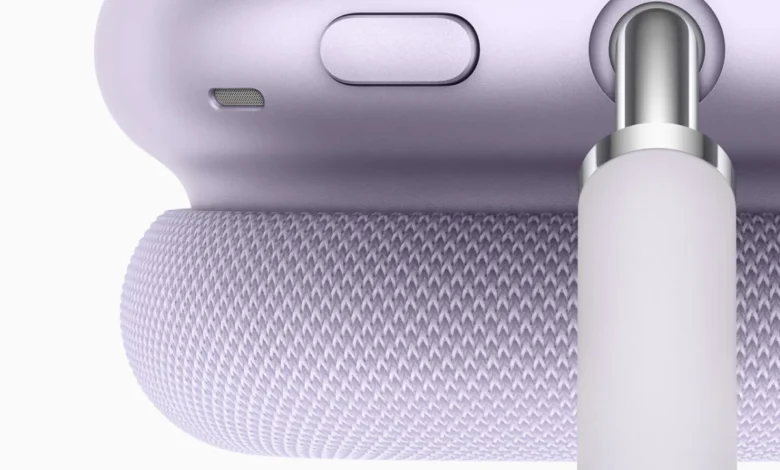
Apple has officially introduced the second generation of its premium over-ear headphones, the AirPods Max 2, marking a significant technological leap for a product line that has remained a cornerstone of the company’s high-end audio portfolio since its debut in late 2020. While the physical silhouette remains largely consistent with its predecessor, the internal architecture has been completely overhauled to incorporate the H2 silicon chip, enabling a suite of computational audio features previously reserved for the company’s smaller in-ear models. This update signifies Apple’s commitment to "refinement over reinvention," focusing on the nuances of acoustic engineering, environmental adaptation, and seamless ecosystem integration.
The introduction of the AirPods Max 2 comes at a pivotal time for the global personal audio market, which has seen increased competition from legacy audiophile brands and tech giants alike. By centering the upgrade on the H2 chip, Apple is positioning the AirPods Max 2 not merely as a pair of headphones, but as a sophisticated wearable computer designed for the ears. The device now supports 1.5x more effective Active Noise Cancellation (ANC), Adaptive Audio, and a transition to USB-C charging, aligning the product with current European Union regulatory standards and modern hardware ecosystems.
A Chronology of Apple’s Over-Ear Evolution
To understand the significance of the AirPods Max 2, one must look back to December 2020, when Apple launched the original AirPods Max. At the time, the device was a bold entry into the high-end consumer audio space, priced at $549—significantly higher than flagship offerings from competitors like Sony and Bose. Despite the price point, the original model gained a cult following for its stainless-steel frame, breathable knit mesh canopy, and integration with the Apple ecosystem.
However, as years passed, the original AirPods Max began to show its age. While the AirPods Pro (2nd Generation) received the H2 chip in 2022, the Max remained on the older H1 platform, missing out on features like "Siri" (without the "Hey" prefix), Conversation Awareness, and improved battery efficiency. The 2024/2025 release of the AirPods Max 2 addresses these gaps, consolidating Apple’s audio technology across its entire "Pro" and "Max" lineup. This release follows a predictable but essential hardware cycle aimed at maintaining dominance in the "Wearables, Home, and Accessories" segment, which has become a multi-billion-dollar driver for the Cupertino-based company.
Technical Specifications and the Power of the H2 Chip
The core of the AirPods Max 2 is the H2 chip, which utilizes computational audio to process sound at a rate of 48,000 times per second. This processing power is the catalyst for several major improvements in audio fidelity and environmental management.
Enhanced Active Noise Cancellation
The 1.5x improvement in Active Noise Cancellation is achieved through a combination of upgraded microphones and advanced algorithms. The H2 chip is capable of identifying and neutralizing a broader spectrum of frequencies, from the low-end drone of aircraft engines to the unpredictable high-frequency chatter found in public transit environments. This makes the AirPods Max 2 an essential tool for the modern traveler, creating a "silence as infrastructure" effect that allows for deep focus or rest in chaotic settings.
Adaptive Audio and Transparency Mode
The second generation introduces Adaptive Audio, a feature that dynamically blends Transparency mode and Active Noise Cancellation. By analyzing the user’s surroundings in real-time, the headphones can automatically reduce loud or jarring noises—such as a passing siren or construction work—while keeping other environmental sounds audible. This fluid transition ensures that users remain safe and aware of their surroundings without sacrificing the quality of their media.

Conversation Awareness and Voice Isolation
For the remote worker, the AirPods Max 2 offers "Conversation Awareness." When the user begins speaking, the device automatically lowers the volume of the media and enhances the voices of people in front of them. Simultaneously, Voice Isolation technology uses machine learning to separate the user’s voice from background noise during calls, ensuring professional-grade clarity even when working from a crowded café or a windy outdoor location.
Design Refinements and New Color Palettes
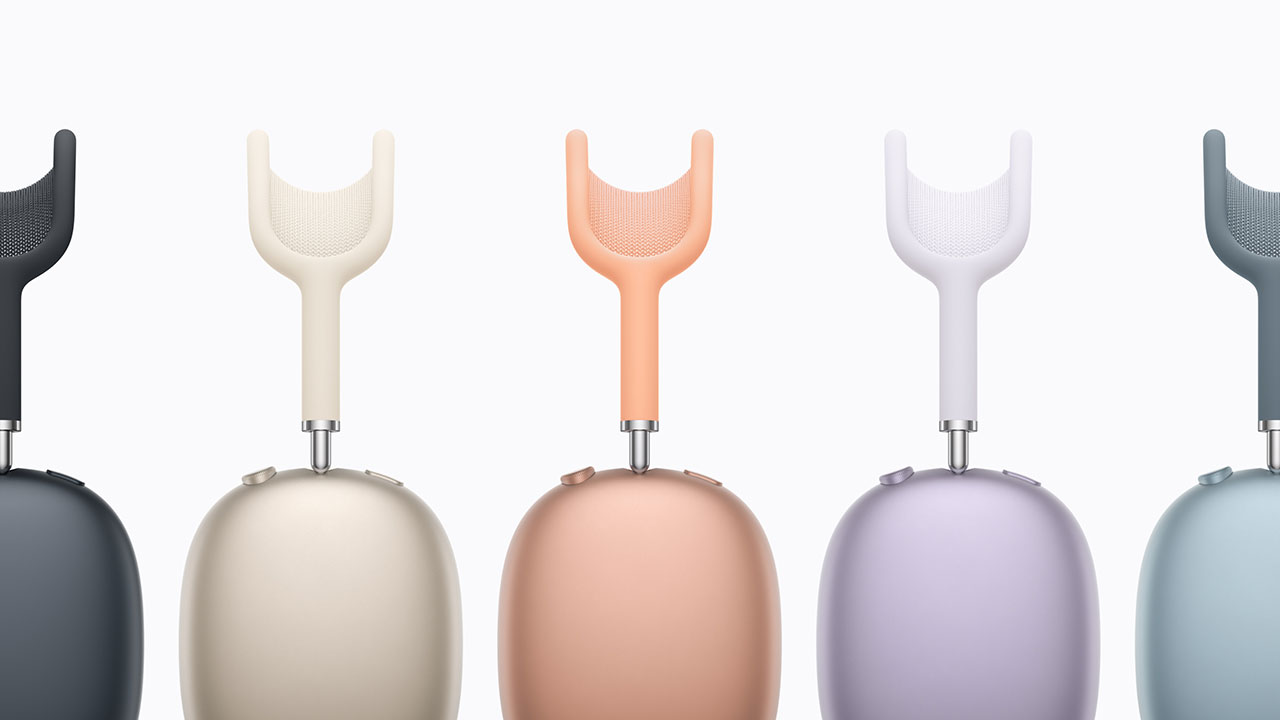
Apple has long maintained that aesthetics are inseparable from performance. The AirPods Max 2 continues the use of high-quality materials, including acoustically engineered memory foam ear cushions and a telescoping arm system for a precise fit. However, the visual identity of the product has been refreshed with a new palette of finishes: Midnight, Starlight, Orange, Purple, and Blue.
These colors are designed to complement the current iPhone and MacBook lineups, positioning the headphones as a style signifier. The transition to USB-C for charging and wired audio is perhaps the most requested physical change. By moving away from the proprietary Lightning port, Apple has streamlined the charging experience for users who are increasingly moving toward a "one-cable" lifestyle.
Personalized Spatial Audio and Bio-Mapping
One of the most sophisticated features of the AirPods Max 2 is the integration of Personalized Spatial Audio. Using the TrueDepth camera on a compatible iPhone, users can scan the geometry of their ears to create a custom HRTF (Head-Related Transfer Function) profile. Because the shape of an individual’s ear changes how they perceive sound, this bio-mapping allows the AirPods Max 2 to place sound objects in a three-dimensional space with surgical precision.

For the "Aesthete" or the audiophile, this results in a more immersive experience where instruments feel physically placed within a room rather than simply played through a driver. This technology is particularly effective when viewing Dolby Atmos content or using the headphones in conjunction with the Apple Vision Pro, where spatial "anchoring" of sound is critical to the experience of augmented reality.
Professional Applications: Studio-Quality Recording
A notable addition to the AirPods Max 2 is the emphasis on high-fidelity audio input. While the first generation was primarily a consumption device, the second generation gestures toward production. The upgraded microphone array, coupled with H2 processing, allows for studio-quality recording. This is a significant development for podcasters, journalists, and content creators who require high-quality vocal textures without the need for a dedicated external microphone setup. The ability to capture natural vocal resonance directly through the headset positions the AirPods Max 2 as a versatile tool for the "prosumer" market.
Market Analysis and Economic Impact
Industry analysts suggest that the AirPods Max 2 is designed to protect Apple’s share of the premium audio market, which is currently valued at over $15 billion annually. By focusing on software-driven improvements and connectivity standards, Apple is leveraging its vertical integration—the ability to control both the hardware (H2 chip) and the software (iOS/macOS)—to offer features that third-party manufacturers struggle to replicate.
Data from market research firms indicates that the "over-ear" segment has seen a resurgence as consumers prioritize battery life and noise cancellation over the extreme portability of earbuds. The AirPods Max 2, with its 20-hour battery life (with ANC enabled) and robust build quality, is aimed squarely at the high-margin consumer who views technology as a long-term investment.

Official Positioning and Broader Implications
In official statements, Apple executives have highlighted that the AirPods Max 2 represents the pinnacle of personal audio engineering. The integration of "Live Translation" features also points toward a future where audio wearables act as real-time interpreters, breaking down language barriers for international travelers.
The broader implication of this release is the further "silification" of the Apple ecosystem. By moving all audio products to the H-series chips, Apple is creating a unified platform for audio innovation. This allows for features like "Automatic Switching" between devices to become faster and more reliable, a key selling point for users who own multiple Apple products.
Conclusion: A Tool for Tuning In
The AirPods Max 2 is a testament to the philosophy that technology should adapt to the human experience rather than forcing the human to adapt to the machine. Through the implementation of the H2 chip, USB-C connectivity, and advanced bio-mapping, Apple has addressed the primary criticisms of the original model while doubling down on the features that made it a success.
In an era defined by increasing environmental noise and the blurring of lines between home and office, the AirPods Max 2 offers a sophisticated method of control. It provides users with the ability to curate their auditory environment, whether they are seeking the silence of a private sanctuary or the clarity of a professional studio. As the personal audio landscape continues to evolve, the AirPods Max 2 stands as a definitive example of how computational audio can transform a familiar object into an essential piece of modern infrastructure.
Related posts: