Architecture and Abstraction The Multifaceted Design Philosophy and Artistic Evolution of Barry Ginder

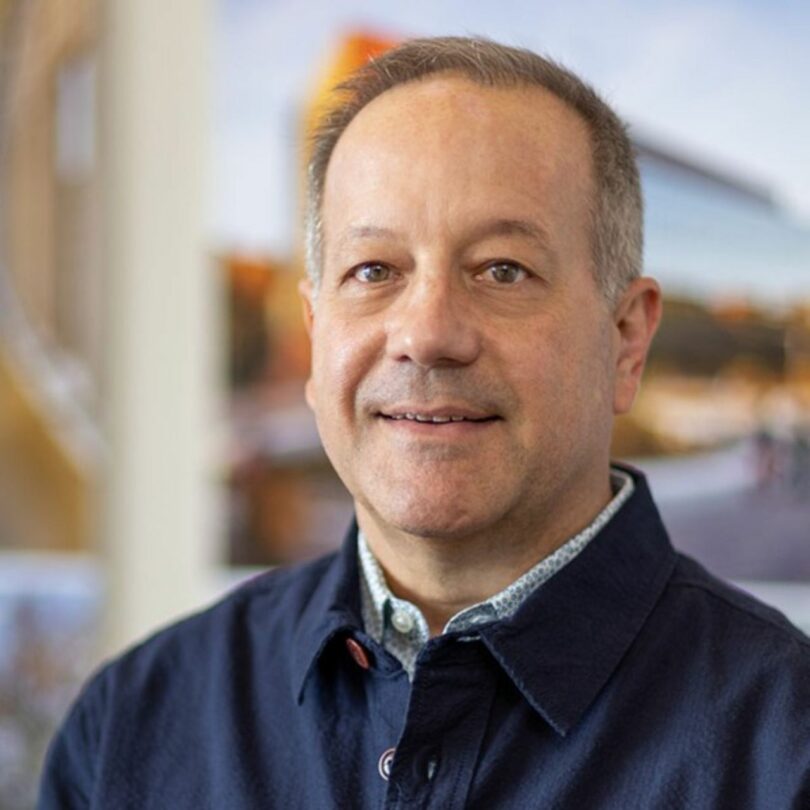
The intersection of structural precision and abstract expressionism finds a unique synthesis in the work of Barry Ginder, a Pennsylvania-based architect and artist whose career spans decades of multidisciplinary exploration. Educated at Temple University’s Tyler School of Art and Architecture, Ginder has cultivated a practice that rejects the traditional silos of design, instead opting for a fluid exchange between the built environment and the canvas. His approach, deeply influenced by the pedagogical traditions of late 20th-century art and the evolving landscape of Mid-Atlantic urbanism, emphasizes a rigorous process of layering, refinement, and the study of light. By examining Ginder’s professional trajectory, technical methodologies, and recent creative outputs, one gains insight into a design philosophy that prioritizes the human experience of space over mere aesthetic representation.
Foundational Influences and the Tyler School Legacy
Ginder’s artistic maturation began during his tenure as an architecture student at Temple University, a period marked by his interactions with influential faculty members such as Professor Larry Spaid. Spaid, a renowned figure in the Philadelphia art scene known for his complex, multi-layered works, instilled in Ginder a specific methodology of "working the full surface repeatedly." This technique, which involves constant revision and the gradual honing of elements until a "moment of balance" is achieved, remains a cornerstone of Ginder’s contemporary art practice.
This academic background provided Ginder with a dual literacy in the rigid requirements of architectural drafting and the emotive possibilities of abstract painting. While architecture demands a literal interpretation of structure, safety, and utility, Ginder’s artwork serves as a conceptual counterpoint. He describes his paintings as "excerpts" of urban landscapes—geometric forms that pulse with movement and capture the kinetic energy of city life. This transition from the literal to the abstract allows Ginder to document the world not as a static series of buildings, but as a dynamic experience of interconnected spaces.
Technical Innovation: Acrylic on Sanded Plexiglass
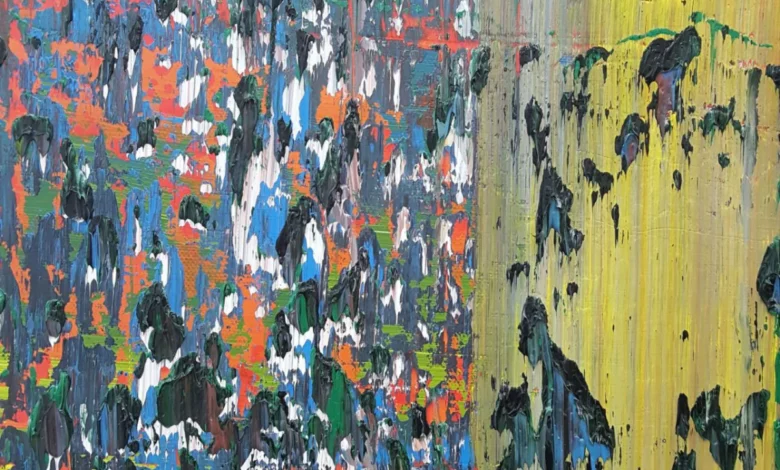
A defining characteristic of Ginder’s recent work is his unconventional use of materials, specifically the application of acrylic paint onto plexiglass. Unlike traditional canvas, which absorbs pigment and offers a predictable texture, plexiglass provides a non-porous, translucent substrate that challenges the artist to manipulate depth in three dimensions. Ginder prepares the surface by sanding it, a process that transforms the industrial plastic into a receptive, toothy medium capable of holding intricate layers.
The resulting works utilize vibrant color palettes paired with a diverse array of linework, ranging from sharp, architectonic edges to fluid, gestural strokes. Because the paint sits on various levels of the plexiglass, the compositions shift according to the viewer’s perspective. This physical depth serves as a visual metaphor for the diversity and complexity of urban environments, particularly Philadelphia. The layering process mirrors the historical and social stratification of the city, where new interventions are constantly being superimposed over existing structures.
Ginder’s creative process is anchored by his use of sketchbooks, which serve as a repository for disparate inspirations. He records architectural details, song lyrics, and quotes, tracing the evolution of an idea from a momentary observation to a formal "proposal" for a larger work. This methodical documentation ensures that even his most abstract pieces are rooted in specific, recorded experiences.
The Friday Five: A Curated Intellectual Framework
In a recent professional retrospective, Ginder identified five primary influences that inform his current creative output. These selections offer a window into the aesthetic and philosophical values that guide his practice:
-
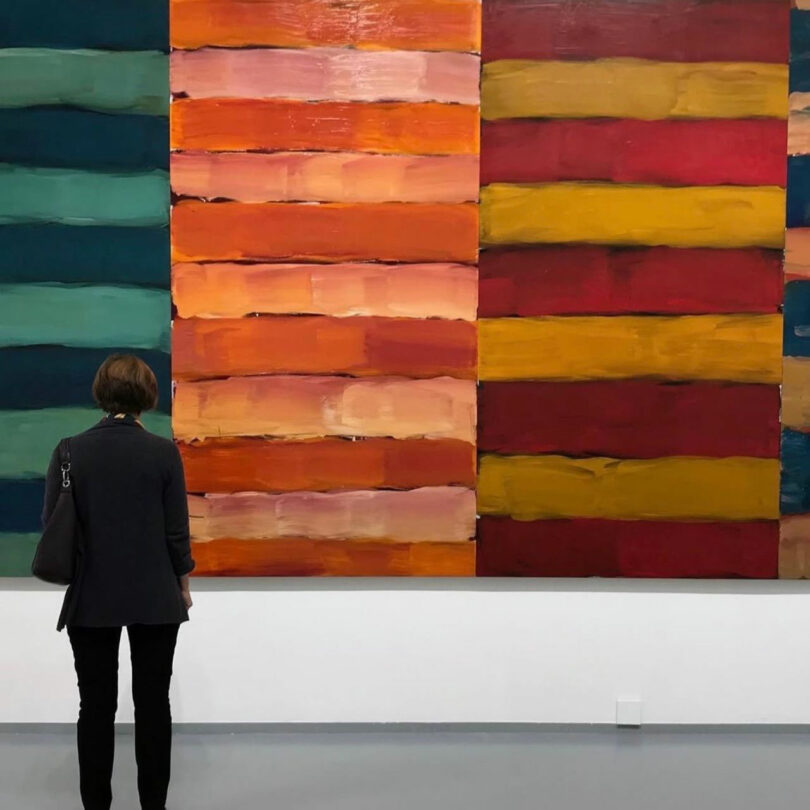
The Repetitive Power of Sean Scully: Ginder cites the work of Irish-born American artist Sean Scully as a major influence, particularly Scully’s ability to find "intense depth" through the repetition of similar images. Scully’s focus on the stripe and the grid resonates with Ginder’s architectural sensibilities, demonstrating how geometric constraints can yield profound emotional power in both large-scale and intimate formats.
-
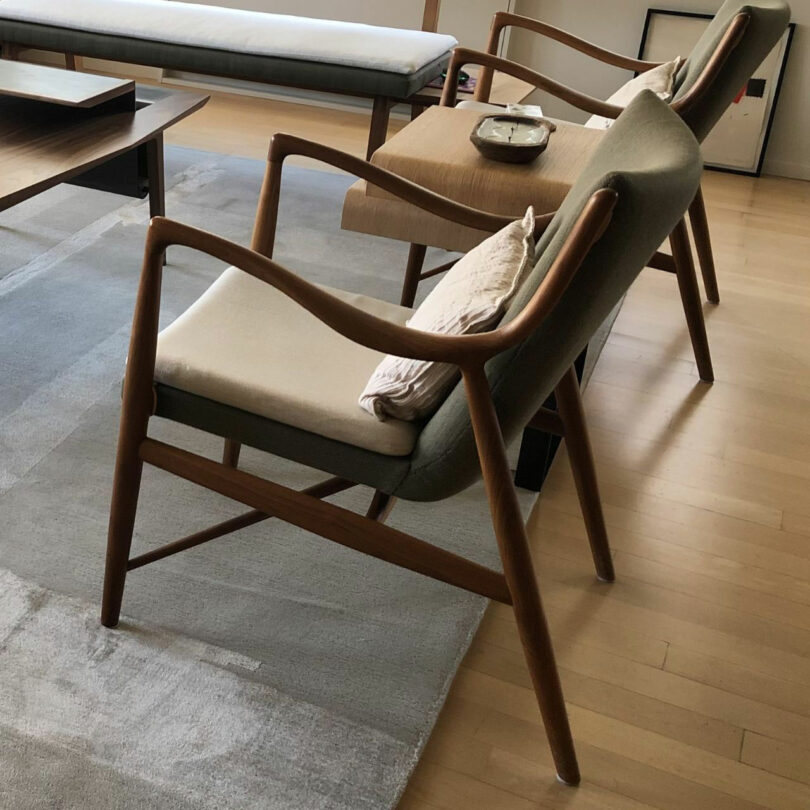
Danish Modernism and Finn Juhl: In the realm of industrial design, Ginder points to Finn Juhl’s "Chair 45" as a revolutionary milestone. Designed in 1945, this piece was among the first to physically detach the backrest and seat from the frame, creating an iconic "floating" effect. For Ginder, this represents a masterclass in organic form and meticulous joinery—qualities he strives to replicate in his own furniture designs.
-
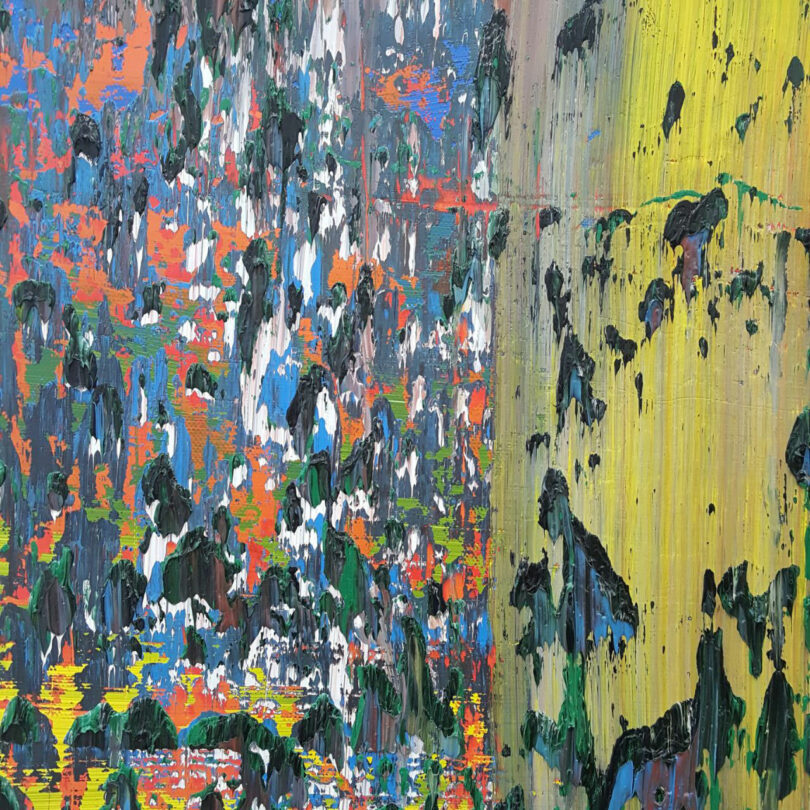
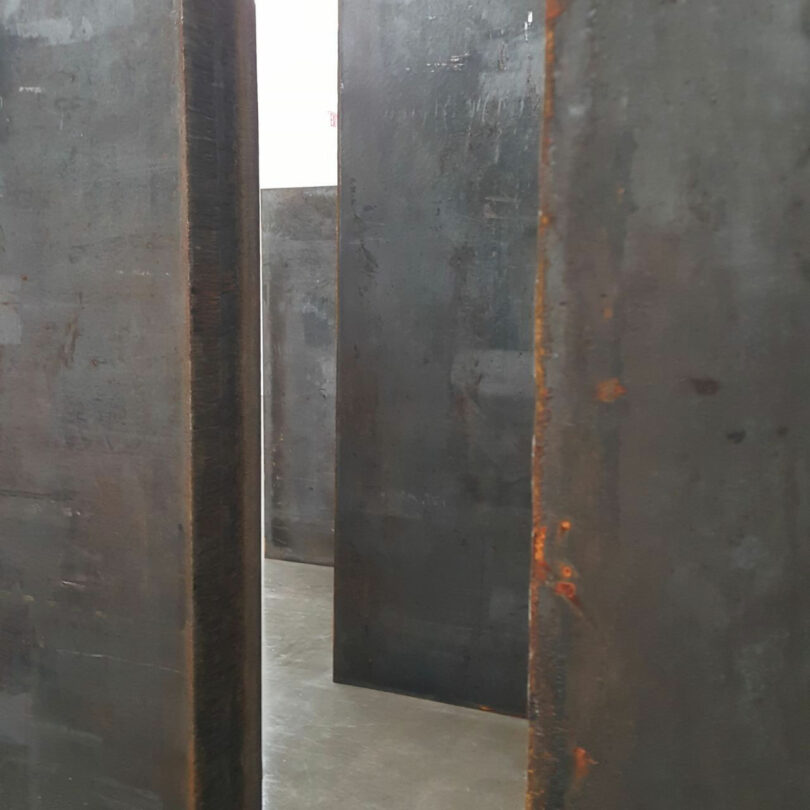
The Synergy of Richter and Serra: Ginder recalls a pivotal 2016 experience viewing concurrent exhibitions of Gerhard Richter and Richard Serra in New York City. He notes a "strong resonance" between Richter’s stretched paint and Serra’s massive steel sculptures. To Ginder, these seemingly different mediums represent parallel expressions of "pure power and emotion," reinforcing his belief that material materiality and abstract gesture are inextricably linked.
-
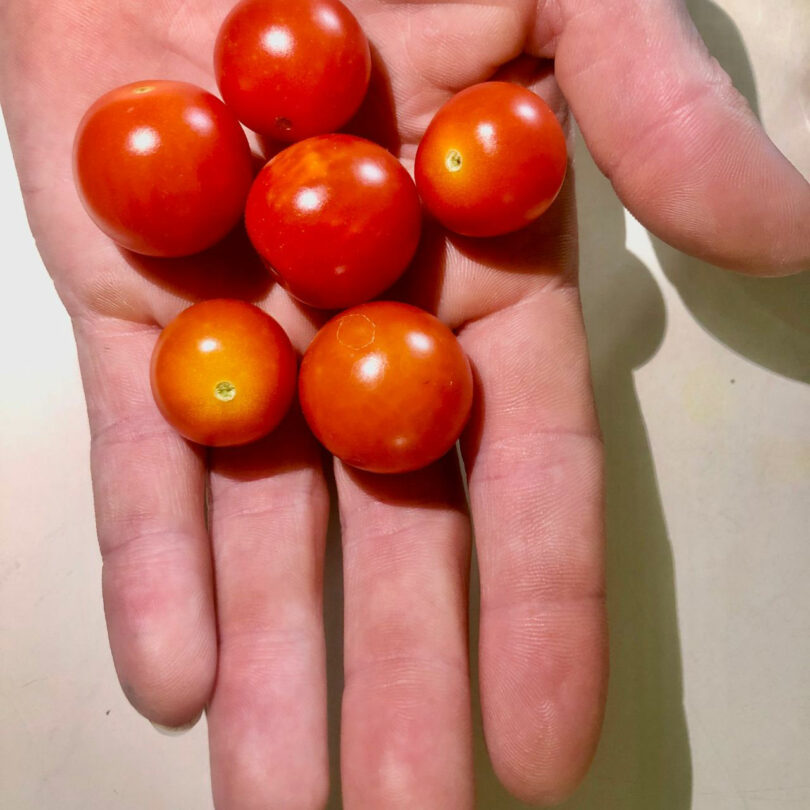
Human Resilience and Natural Cycles: Moving beyond the gallery, Ginder finds inspiration in the personal trials and triumphs of his son. He likens his son’s resilience to that of a "wise old soul," finding beauty in simple, everyday acts such as harvesting vegetables from a garden. This human-centric perspective ensures that his work remains grounded in empathy and the cycles of life.
-
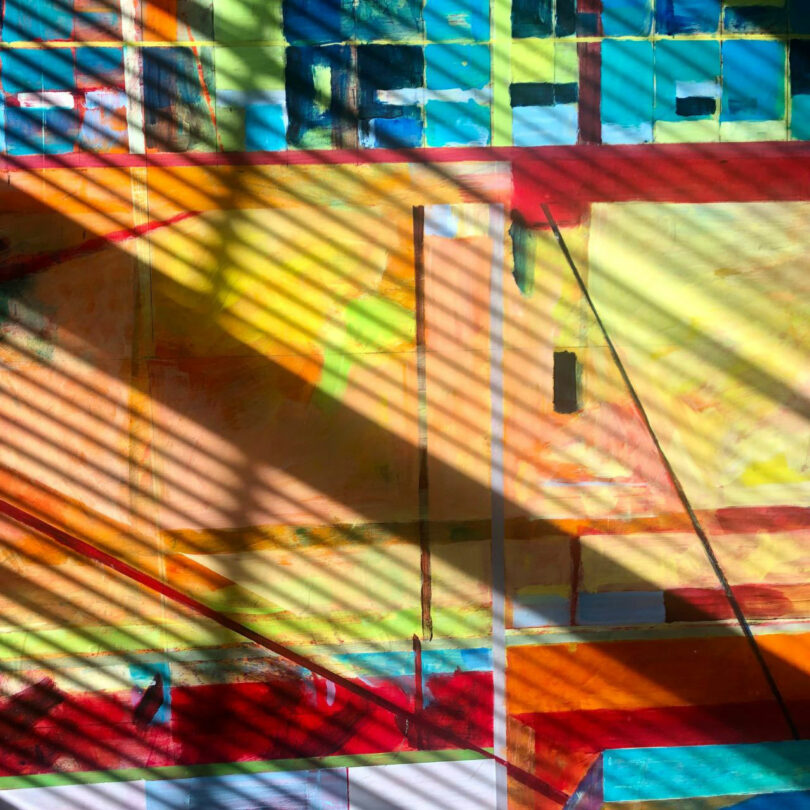
The Ephemerality of Light: Light is perhaps the most critical element in Ginder’s work. He observes that cityscapes are most compelling when "drenched in light," and he seeks to capture the subtleties of transparency and shade in his plexiglass layers. The "ultimate moment" in his studio occurs when natural sunlight falls upon a finished painting, creating a secondary, fleeting composition of shadows and reflections.
Architectural Case Studies: Bridging Tradition and Modernity
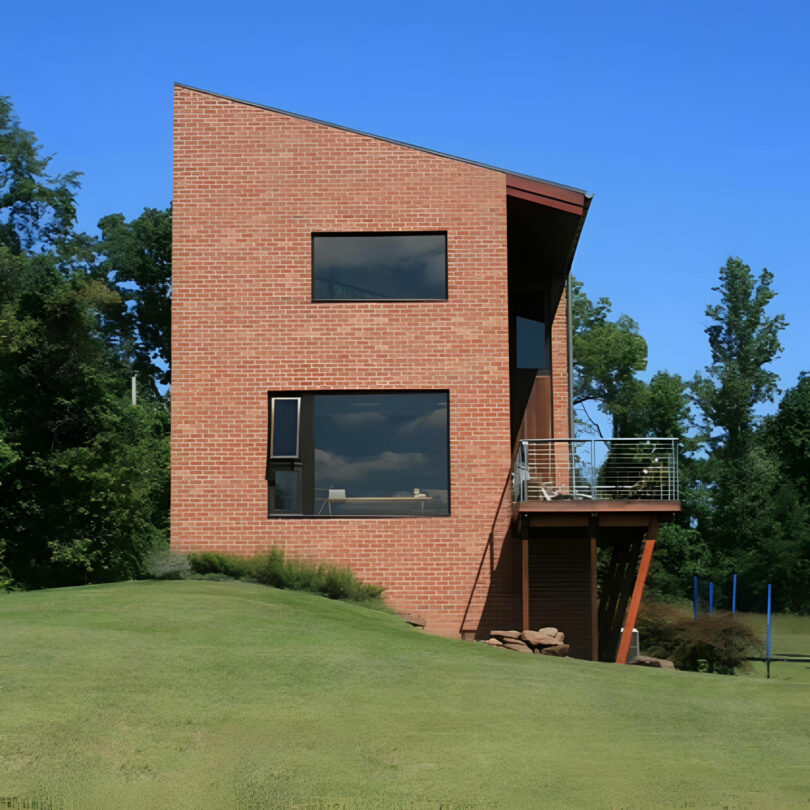
Ginder’s architectural portfolio, often executed in collaboration with Suzanne Brandt under the banner of Brandt+Ginder Architecture, further illustrates his commitment to rigorous, light-focused design.
The B+G Residence (Mechanicsburg, PA)
Situated on 2.5 acres, this modern residence was designed not through the lens of a specific "style," but as a response to the site’s environmental conditions. The structure is shaped by the prevailing winds, the trajectory of the sun, and the desire for framed interior views of the landscape. By utilizing traditional materials—handmade brick, mahogany siding, and metal roofing—Ginder and Brandt created a "contemporary farmhouse" that feels both rooted in the Pennsylvania vernacular and distinctly modern. The project emphasizes the concept of the house as a "handmade object" within the natural landscape.
Historic Stone Renovation and Copper Intervention
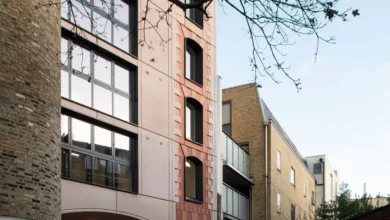
In a separate residential project, Ginder oversaw the renovation of a historic stone building characterized by unique reddish-purple masonry. To expand the structure without diminishing its historical integrity, he designed a modern addition clad in copper. Over time, the copper developed a patina that echoed the purplish tones of the original stone, creating a harmonious visual dialogue between the old and the new. This use of material evolution as a design tool demonstrates Ginder’s long-term perspective on architectural aesthetics.
Artistic Series: Documenting the Philadelphia Skyline
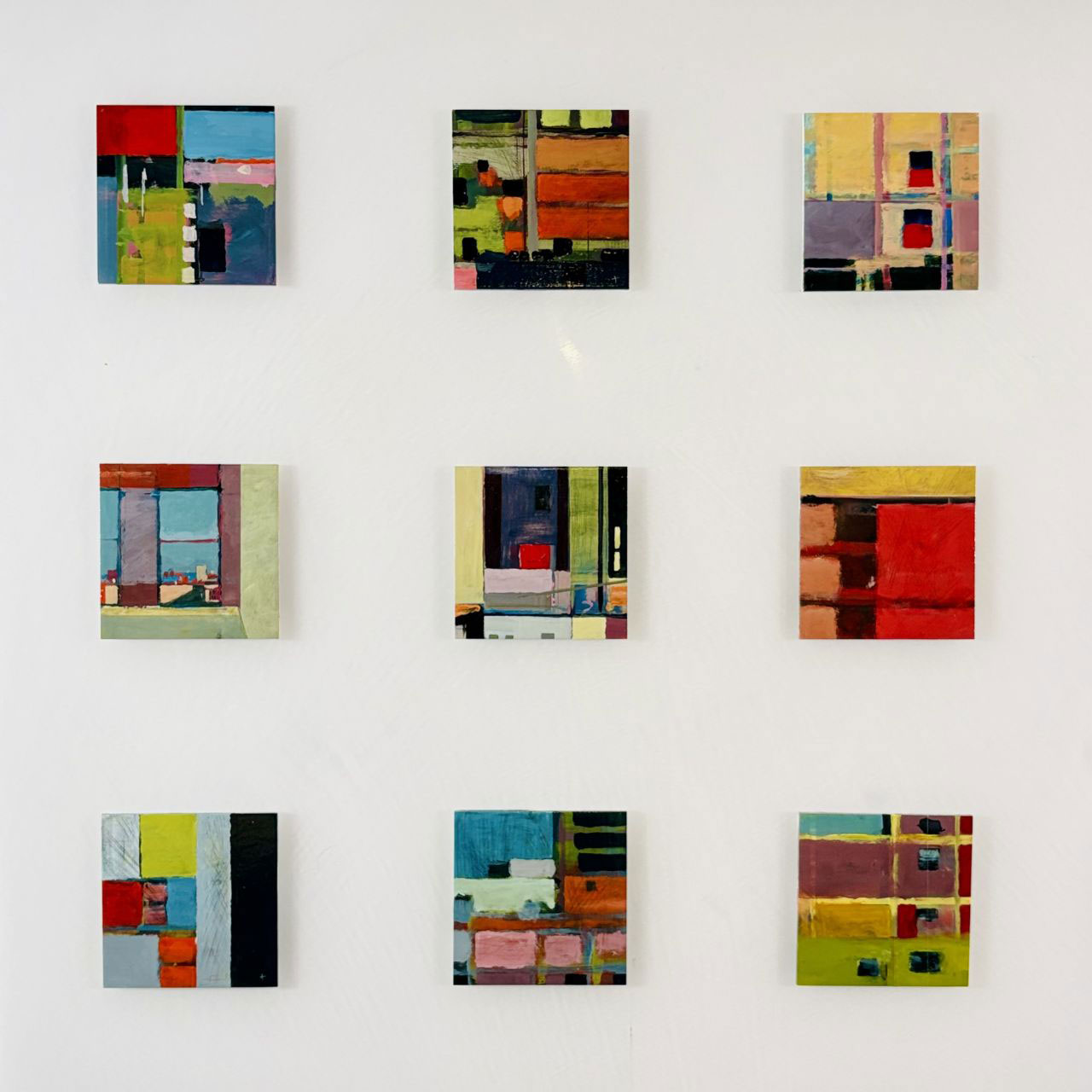
Ginder’s ongoing "View East" series serves as a deeply personal tribute to Philadelphia. Based on a specific vantage point from the 11th floor of a building in West Philadelphia, the series tracks the shifting light and atmosphere of the city throughout the day.
- 2026 View East no3: This work provides a zoomed-in, graphic interpretation of the skyline, focusing on the intersecting vertical and horizontal lines of the urban grid. It captures the specific "afternoon shift" in light that Ginder finds most evocative.
- 3 Squared Painting: A more expansive iteration of the series, this nine-squared composition offers a "zoomed-out" cityscape. It utilizes a grid format to present a multifaceted view of the city, blending literal representation with abstract color blocks to convey the density and vibrancy of Philadelphia’s neighborhoods.
Furniture Design: The "Favorite Bench"
The "Favorite Bench" exemplifies Ginder’s approach to furniture, which he describes as achieving "maximum outcome" through "minimal parts." The bench features a simple, folded leg structure that provides support while maintaining a sense of lightness. Designed as a "conversation bench" rather than a piece for lounging, it encourages a specific type of social interaction—perching and engagement. The combination of walnut and textured cotton upholstery highlights Ginder’s preference for tactile, handcrafted materials in a modern context.
Broader Impact and Design Implications
The work of Barry Ginder reflects a broader trend in contemporary design toward "slow architecture" and multidisciplinary mastery. In an era dominated by rapid digital rendering and standardized construction, Ginder’s insistence on manual sketching, physical layering, and site-specific responses serves as a reminder of the value of the "handmade."
His career suggests that the most successful designs—whether a chair, a painting, or a private residence—emerge from a deep understanding of how humans relate to their environment. By capturing the "energy" of the Mid-Atlantic region and translating it into both physical structures and abstract art, Ginder contributes to a regional identity that is both historically aware and forward-looking. As he continues to explore the boundaries of plexiglass and the nuances of Philadelphia’s light, his work stands as a testament to the enduring power of a balanced, multidisciplinary creative life.
Related posts: