The Resurgence of Wooden Utensils: A Deep Dive into Nontoxic, Sustainable Kitchenware for Health-Conscious Consumers


In an era where personal well-being and environmental stewardship increasingly guide consumer choices, the tools we use to prepare our food are under unprecedented scrutiny. The adage "you are what you eat" extends far beyond ingredients, prompting a critical examination of cookware and utensils. Concerns over chemical leaching from plastics and the widespread presence of Per- and Polyfluoroalkyl Substances (PFAS) in nonstick products have spurred a significant shift towards naturally derived, safer alternatives. Among these, wooden utensils are experiencing a profound resurgence, championed for their nontoxic properties, durability, and minimal environmental footprint. This comprehensive analysis explores the compelling reasons behind this shift, delves into the health and environmental implications of conventional kitchenware, and spotlights leading brands committed to crafting superior, sustainable wooden options.

The Evolving Landscape of Kitchenware: From Tradition to Toxins and Back
For centuries, wood was a staple in kitchens worldwide, revered for its natural resilience, gentle touch on cookware, and inherent antimicrobial properties. Archaeological evidence suggests wooden implements have been used for food preparation since ancient times, a testament to their enduring practicality. However, the mid-20th century ushered in an era of synthetic innovation, introducing plastics and advanced nonstick coatings that promised unparalleled convenience and efficiency. Materials like polytetrafluoroethylene (PTFE), commonly known by the brand name Teflon, revolutionized cooking with their slick surfaces that prevented food from sticking, reducing the need for oils and simplifying cleanup. Simultaneously, plastic utensils gained popularity for their affordability, lightweight nature, and perceived versatility, often becoming a go-to for everyday use.

This technological leap, while initially celebrated, inadvertently introduced a new set of challenges. Over time, scientific research began to uncover potential health risks associated with these synthetic materials. Plastics, particularly when exposed to heat, were found to leach endocrine-disrupting chemicals like Bisphenol A (BPA) and phthalates into food. A 2009 study published in Environmental Health Perspectives highlighted that even "BPA-free" plastics could leach other chemicals with estrogenic activity, suggesting a broader problem beyond just BPA. These substances have been linked to a range of health issues, including reproductive problems, developmental delays, and an increased risk of certain cancers, raising alarms among public health organizations and consumers alike.
The issue of PFAS, often dubbed "forever chemicals," emerged as an even more pervasive concern. Introduced in the 1940s, these per- and polyfluoroalkyl substances were lauded for their unique ability to repel oil, water, stains, and grease. This made them ideal for a wide array of products, from nonstick cookware and water-resistant clothing to food packaging and, crucially, many cooking utensils. For decades, these properties made them indispensable across various industries. However, their extraordinary chemical stability, which contributes to their functional benefits, also means they do not break down naturally in the environment. This persistence allows them to accumulate in soil, water sources, wildlife, and even human bodies, leading to widespread environmental contamination and potential long-term health consequences. The Centers for Disease Control and Prevention (CDC) has reported that most people in the United States have PFAS in their blood, underscoring the ubiquity of these chemicals.

The U.S. Environmental Protection Agency (EPA) and other global health authorities have increasingly warned about the dangers of PFAS exposure. Studies, some dating back to the early 2000s, have linked these chemicals to a spectrum of adverse health effects, including impaired growth and development in children and animals, immune system dysfunction, liver damage, thyroid disease, and an increased risk of certain cancers, such as kidney and testicular cancer. The insidious nature of PFAS lies in their bioaccumulation; once they enter the body, they remain there for extended periods, continuing to exert potential harmful effects. The widespread presence of PFAS in everyday kitchen items, often overlooked, became a significant wake-up call for consumers and manufacturers alike. Environmental advocacy groups, such as the Environmental Working Group (EWG), have played a crucial role in raising public awareness about PFAS contamination and advocating for stricter regulations.

This growing body of evidence, coupled with a broader societal push for sustainable and holistic living, has catalyzed a significant return to traditional materials. Wooden utensils, once relegated to the back of the drawer in favor of their synthetic counterparts, are now reclaiming their rightful place as essential, health-conscious kitchen tools, reflecting a renewed appreciation for natural, time-tested solutions.

The Unparalleled Benefits of Wooden Utensils
The appeal of wooden utensils extends beyond merely avoiding harmful chemicals. They offer a host of inherent advantages that enhance both the cooking experience and kitchen longevity:
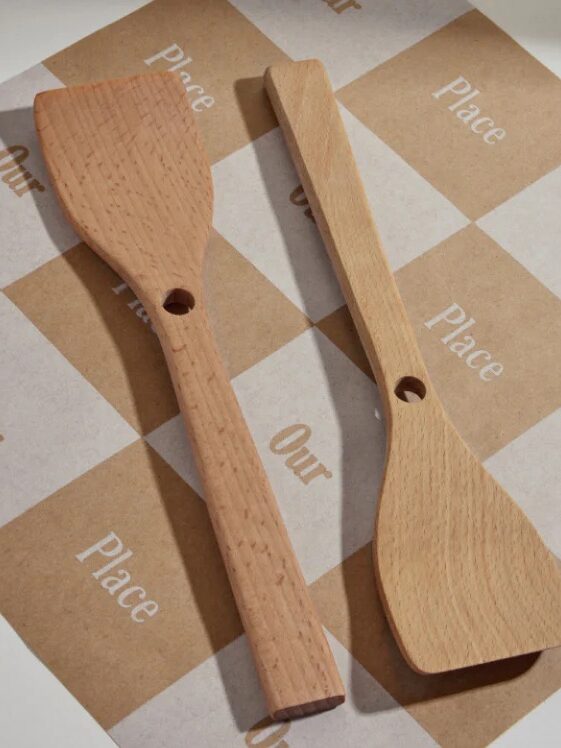
- Nontoxic and Chemical-Free: Sourced directly from natural wood, these utensils are inherently free from synthetic plastics, BPA, phthalates, and, critically, PFAS. This ensures that no unwanted chemicals leach into your food during preparation, safeguarding your health and that of your family. This purity offers peace of mind that synthetic materials cannot match.
- Gentle on Cookware: Unlike metal utensils that can scratch, chip, or damage delicate nonstick and ceramic surfaces, wood is remarkably gentle. This characteristic is vital for preserving the integrity and extending the lifespan of expensive pots and pans, offering a significant economic benefit and reducing the need for frequent replacements, which also benefits the environment.
- Natural Antimicrobial Properties: Many types of wood, particularly dense hardwoods like maple, cherry, and bamboo, possess natural antimicrobial properties. Research published in the Journal of Food Protection has shown that wood surfaces can actually inhibit the growth of bacteria, making them a hygienic choice for food preparation. This natural defense mechanism contributes to a cleaner and safer kitchen environment compared to porous plastics that can harbor bacteria.
- Superior Heat Resistance: Wood is a poor conductor of heat. This means wooden spoons and spatulas remain cool to the touch even when left resting in hot pots or pans for extended periods. This prevents accidental burns