The Rise of Sustainable Skincare: A Deep Dive into Plastic-Free Face Moisturizers Reshaping the Beauty Industry.

The global beauty industry, often celebrated for its glamour and transformative appeal, grapples with a significant environmental challenge: plastic pollution. With an estimated 120 billion units of packaging produced annually, the vast majority of which is either non-recyclable or difficult to recycle, the sector contributes substantially to landfills and ocean pollution. This pervasive issue has spurred a growing movement among consumers and brands alike to seek and provide more sustainable solutions, particularly in everyday essentials like face moisturizers. The push for plastic-free alternatives is not merely a trend but a critical response to escalating environmental concerns, driving innovation in packaging materials, ingredient sourcing, and manufacturing processes. This article explores the imperative for plastic-free beauty, examines the historical context of sustainability in the industry, and highlights four pioneering brands that are leading the charge in offering effective and ethically produced plastic-free face moisturizers.
The Beauty Industry’s Environmental Footprint: A Deep Dive into Plastic Waste
The scale of plastic waste generated by the cosmetics and personal care industry is staggering. Packaging components often include various types of plastics such such as polyethylene terephthalate (PET), high-density polyethylene (HDPE), polypropylene (PP), and polystyrene (PS), many of which are challenging to recycle due to mixed materials, small sizes, or product contamination. Once discarded, these plastics can take hundreds of years to decompose, releasing microplastics into the environment, which have been detected in oceans, soil, air, and even human bodies. The environmental consequences are far-reaching, impacting marine life, contributing to climate change through fossil fuel extraction for plastic production, and exacerbating landfill crises.
Consumer awareness of these issues has surged, fueled by documentaries, scientific reports, and social media campaigns highlighting the devastating effects of plastic pollution. This heightened consciousness has translated into significant consumer pressure on beauty brands to adopt more responsible practices. A 2022 survey by Statista revealed that 65% of consumers worldwide consider sustainable packaging to be important when making purchasing decisions, underscoring the market demand for eco-friendly alternatives. This shift has compelled many companies to re-evaluate their supply chains, product formulations, and packaging strategies, moving beyond superficial "greenwashing" to implement genuinely sustainable solutions.
A Chronology of Sustainable Beauty: From Niche to Mainstream Imperative

The journey towards sustainable beauty is not a recent phenomenon. Its roots can be traced back to the late 20th century with pioneers like The Body Shop, founded by Anita Roddick in 1976. Roddick championed ethical sourcing, cruelty-free testing, and refillable packaging long before these concepts gained widespread traction. Her vision laid the groundwork for a more conscious approach to cosmetics, demonstrating that beauty could be both effective and responsible.
However, the industry’s focus on sustainability ebbed and flowed. The acquisition of The Body Shop by L’Oréal in 2006, a company with historical ties to animal testing, raised concerns among ethical consumers, leading many to seek alternatives. This period highlighted the complexities of maintaining ethical integrity within large corporate structures.
The late 2010s marked a significant resurgence in the sustainable beauty movement. Driven by increased scientific understanding of climate change and plastic pollution, coupled with a more informed and vocal consumer base, new brands emerged with sustainability at their core. These companies often integrated plastic-free packaging, ethically sourced ingredients, vegan formulations, and cruelty-free practices from their inception. Existing brands also began to pivot, introducing refill programs, recyclable packaging, and transparent ingredient lists. The sale of The Body Shop to Natura & Co in 2017, an ethical and cruelty-free beauty conglomerate, symbolized a renewed commitment to its founding values, further accelerating the adoption of sustainable practices, including the quiet introduction of plastic-free and refillable options.
By the early 2020s, "plastic-free" transitioned from a niche concern to a mainstream expectation. Innovations in material science, such as the development of plant-based plastics, advanced glass and aluminum recycling technologies, and biodegradable packaging, have further expanded the possibilities for brands committed to reducing their environmental footprint.
Innovations in Plastic-Free Face Moisturizers: Leading Brands Paving the Way
The market now offers a growing array of plastic-free face moisturizers that demonstrate a commitment to both skin health and planetary well-being. These brands often balance effective formulations with packaging solutions that prioritize recyclability, reusability, or biodegradability.

The Body Shop Vitamin C Glow Boosting Moisturiser: A Legacy Brand’s Modern Revival
- Best for: Dull or tired skin
- Vegan-friendly: Yes
- Cruelty-free: Yes
- Organic: No
- Palm oil-free: No (uses RSPO palm oil)
- Made in: Poland
- Jar size: 50 ml
- Price: £22
- Price per ml: 44p
- Available from: The Body Shop
The Body Shop, a brand synonymous with ethical beauty, has continued its journey towards sustainability despite ownership changes. Following its sale to Natura & Co in 2017 and later to Aurelius in late 2023, the brand has largely maintained its commitment to cruelty-free standards and increasingly adopted plastic-free packaging where feasible. The Vitamin C Glow Boosting Moisturiser exemplifies this renewed focus.
This product is housed in a recyclable glass jar with an aluminium lid, both widely accepted in UK recycling schemes. While the label may contain minimal plastic, the overall design significantly reduces plastic dependency compared to conventional alternatives. The formulation, featuring 96% ingredients of natural origin and camu camu berry extract (known for its high Vitamin C content), aims to hydrate and refresh skin, imparting a radiant finish. The gel-like texture is designed for quick absorption, leaving skin soft and non-sticky, though some users with mature skin may seek additional hydration or consider alternatives like The Body Shop’s Edelweiss moisturiser, also plastic-free. Its subtle citrus scent is a pleasant addition without being overpowering, reflecting a thoughtful approach to sensory experience alongside environmental responsibility.
Silvan Skincare Rejuvenate Face Cream: Handcrafted Excellence for Mature Skin
- Best for: Plastic-free moisturiser for over 40s
- Vegan-friendly: Yes
- Cruelty-free: Yes
- Organic: Yes
- Palm oil-free: No (from a COSMOS-approved sustainable source)
- Made in: The UK
- Jar size: 50 ml
- Price: £24.00
- Price per ml: 48p
- Available from: Counter Culture
Wales-based Silvan Skincare carves a niche in the sustainable beauty market by offering effective, affordable, and gentle skincare specifically formulated for mature skin, entirely free from plastic packaging. The brand’s core mission revolves around using the highest quality organic and sustainable plant-based ingredients, ethically and Fairtrade-sourced. Each product is meticulously blended by hand in small batches, reflecting a commitment to craftsmanship and quality.
The Rejuvenate Face Cream, a particular highlight, comes in a glass jar with a recyclable aluminium lid. Its rich, deeply hydrating formula is designed to replenish naturally ageing skin, incorporating organic macadamia oil, frankincense, and rose geranium to reduce the appearance of fine lines. Users consistently praise its ability to provide instant, lasting hydration without any tacky or oily residue, making it an excellent base for makeup application. The delicate, non-overpowering scent enhances the application experience. Silvan Skincare’s dedication to organic, vegan, and cruelty-free principles, combined with its sustainable packaging, positions it as a leader in addressing the specific needs of mature skin within the plastic-free paradigm. The brand’s use of COSMOS-approved sustainable palm oil also reflects an effort to mitigate the environmental impact associated with this ingredient.

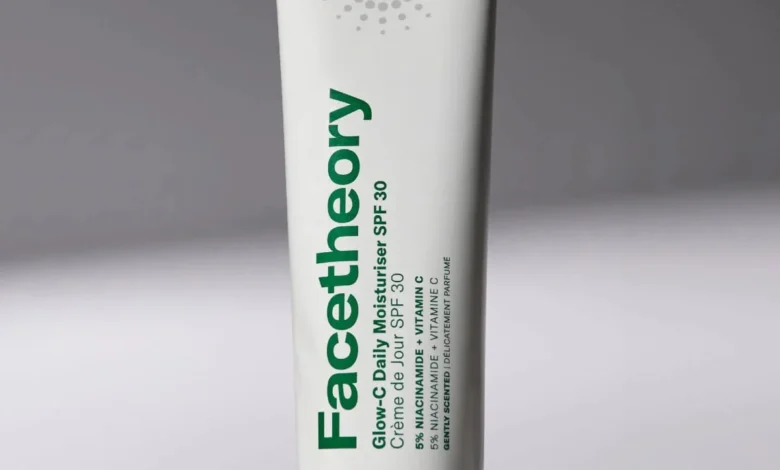
FaceTheory Glow-C Daily Moisturiser: Sun Protection Meets Sustainable Packaging
- Best for: Moisturiser with sun protection
- Vegan-friendly: Yes
- Cruelty-free: Yes
- Organic: No
- Palm oil-free: Yes
- Made in: The UK
- Size: 50 ml
- Price: £20
- Price per ml: 40p
- Available from: FaceTheory
FaceTheory, a British beauty brand, stands out by integrating essential sun protection into a plastic-free facial moisturizer. The Glow-C Daily Moisturiser offers SPF 30 protection and is packaged in a recyclable aluminium tube, which can be recycled at home in many UK councils or via dedicated beauty recycling points such as those offered by Boots. This innovative approach addresses the dual needs of skin hydration and sun protection while minimizing environmental impact.
Manufactured in Sheffield using ingredients and components from UK suppliers, FaceTheory emphasizes its commitment to local production and ethical sourcing. All products are certified cruelty-free and vegan, further aligning with the values of conscious consumers. The Glow-C Daily Moisturiser features a weightless, mousse-like texture that hydrates, brightens, and protects without leaving a white cast or greasy residue, common issues with traditional sunscreens. For individuals with fair or maturing skin, it effectively shields against UV rays without stinging the eyes, a frequent complaint with facial sunscreens. While its moisturizing properties may require a serum underneath for very dry or mature skin, its primary function as an SPF is highly effective. The option for a fragrance-free version caters to sensitive skin, making it a versatile and affordable staple in a plastic-free skincare routine.
UpCircle Face Moisturiser With Vitamin E: Upcycling for a Greener Future
- Best for: Palm oil-free and organic plastic-free moisturiser
- Vegan-friendly: Yes
- Cruelty-free: Yes
- Organic: Yes
- Palm oil-free: Yes
- Made in: The UK
- Jar size: 60 ml
- Price: £21.99
- Price per ml: 37p
- Available from: UpCircle
UpCircle distinguishes itself through its innovative upcycling model, transforming food waste ingredients into high-performance skincare products. This British brand offers an award-winning, fully plastic-free, palm oil-free, and organic moisturizer that champions circular economy principles. Its commitment extends to being vegan and cruelty-free, while rigorously excluding harmful ingredients like SLS, SLEs, parabens, mineral oil, perfume, and sulfates.
The Face Moisturiser With Vitamin E is packaged in a glass jar, which can be refilled at participating zero-waste shops, further reducing its environmental footprint. The formulation, dermatologically approved and suitable for all skin types, combines Vitamin E-rich argan powder with skin-soothing cocoa butter, aloe vera, and blood orange to deeply hydrate, nourish, and brighten the skin. Users report a rich yet non-greasy texture that absorbs quickly, leaving skin soft and supple throughout the day without pilling or stickiness. The delicate, fresh scent is another appreciated attribute. While it performs exceptionally well for daytime use, some may find it slightly light for overnight intense hydration. UpCircle’s comprehensive ethical credentials and its unique upcycling approach make it a standout brand for environmentally conscious consumers seeking both efficacy and sustainability.

Broader Impact and Future Implications
The growing availability and success of plastic-free face moisturizers signal a significant shift within the beauty industry. This movement carries profound implications across environmental, economic, and consumer behavior spheres.
Environmental Impact: By opting for materials like glass and aluminum, which are infinitely recyclable, or embracing refill models, brands are directly reducing the volume of virgin plastic produced and subsequently discarded. This translates to lower carbon emissions from manufacturing, decreased reliance on fossil fuels, and a substantial reduction in landfill and ocean pollution. The move towards organic and ethically sourced ingredients further minimizes ecological damage associated with conventional agriculture and resource extraction.
Economic Implications: The sustainable beauty market is experiencing robust growth. Projections indicate that the global organic and natural beauty market will reach over $54 billion by 2027, highlighting a significant economic opportunity for brands that prioritize sustainability. This shift encourages innovation in packaging technology, supply chain management, and product development, fostering a more resilient and responsible industry. However, it also presents challenges for traditional brands that must invest heavily to adapt their production processes and packaging solutions to meet evolving consumer demands and regulatory pressures.
Consumer Behavior: The rise of plastic-free beauty is both a cause and effect of changing consumer values. Consumers are increasingly informed and empowered, demanding transparency and accountability from brands. They are willing to pay a premium for products that align with their ethical principles, driving brands to compete not just on efficacy but also on environmental and social responsibility. This trend is fostering a culture of conscious consumerism, where purchasing decisions are viewed as opportunities to support a more sustainable future.
Future Outlook: The trajectory of plastic-free beauty points towards a future where circular economy principles are paramount. This includes widespread adoption of refillable systems, closed-loop recycling programs, and the development of advanced biodegradable and compostable materials. Regulatory bodies are also likely to introduce stricter guidelines on packaging waste and material transparency, further accelerating the industry’s transition. The ultimate goal is a beauty industry that operates in harmony with the planet, offering high-quality products without compromising environmental integrity.

In conclusion, the movement towards plastic-free face moisturizers represents a pivotal moment in the beauty industry’s evolution. Brands like The Body Shop, Silvan Skincare, FaceTheory, and UpCircle are not merely offering alternative products; they are demonstrating a viable pathway towards a more sustainable, ethical, and environmentally responsible future for beauty. Their commitment to innovation, transparency, and consumer well-being serves as an inspiration for the broader industry and empowers consumers to make choices that benefit both their skin and the planet.