The Rise of the Fine Jewelry Capsule Wardrobe: Strategic Investing in Gold Amid Record Market Valuations

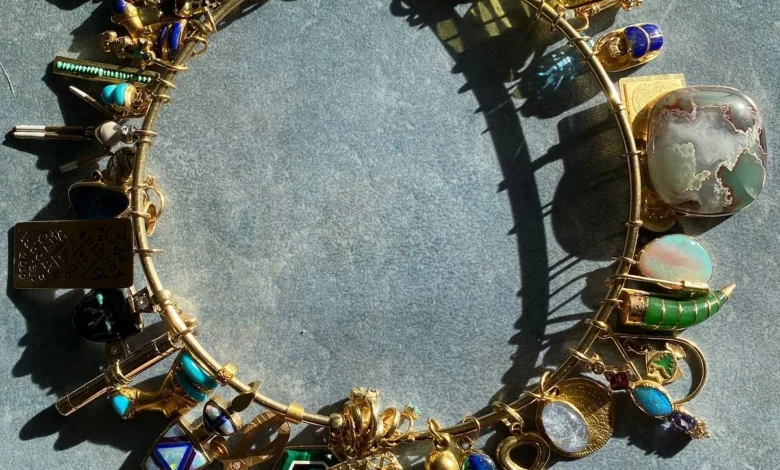
The global gold market has reached unprecedented heights in 2024, with spot prices consistently shattering previous records to trade above $2,500 per ounce. This surge, driven by geopolitical instability, central bank acquisitions, and fluctuating interest rates, has fundamentally altered consumer behavior in the luxury goods sector. As the cost of raw materials increases, the distinction between "fast fashion" jewelry and investment-grade fine jewelry has become a critical point of focus for both collectors and casual consumers. The emerging trend of the "jewelry capsule wardrobe" reflects a broader shift toward intentional consumption, where the emphasis is placed on the intrinsic value of karat gold rather than the fleeting appeal of gold-plated or costume pieces.
The Economic Context of the Gold Surge
To understand the shift toward gold capsule wardrobes, one must examine the trajectory of gold as a commodity over the last decade. In 2014, gold prices averaged approximately $1,200 per ounce. By early 2024, that value had more than doubled. Financial analysts attribute this growth to several factors: the hedge against inflation, the weakening of the US dollar in specific fiscal quarters, and a "flight to safety" by investors during times of global conflict.
For the jewelry consumer, this means that the "cost per wear" of a piece is no longer the only metric of value. Fine jewelry made of 14-karat, 18-karat, or 22-karat gold now serves as a portable asset. Unlike gold-plated jewelry—which consists of a thin layer of gold over a base metal like brass or copper and possesses virtually no resale value—solid karat gold maintains its melt value regardless of the piece’s condition. This economic reality has birthed the "capsule" movement in the jewelry industry, encouraging buyers to prioritize quality over quantity.
Defining the Jewelry Capsule Wardrobe
A capsule wardrobe, a concept popularized in the 1970s by boutique owner Susie Faux and later by designer Donna Karan, refers to a collection of essential items that do not go out of fashion and can be augmented with seasonal pieces. When applied to fine jewelry, the philosophy remains the same: a curated selection of gold staples that are versatile enough for daily wear yet durable enough to last a lifetime.
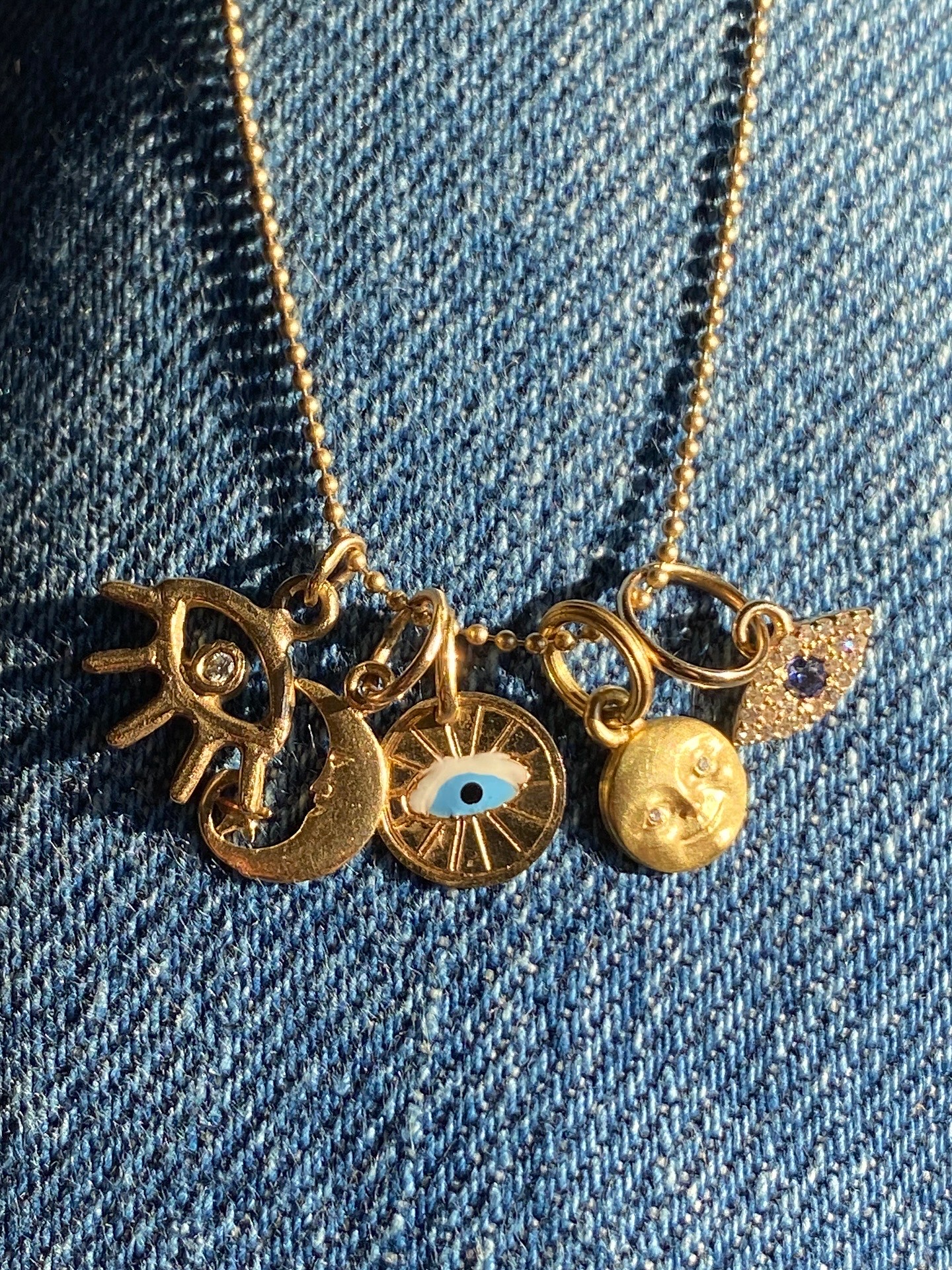
The transition to a fine jewelry capsule is often a reaction to the "tarnished junk" cycle. Many consumers find themselves spending hundreds of dollars annually on gold-plated items that inevitably flake, turn green, or lose their luster within months. By redirecting those funds toward a single solid gold piece, the consumer begins the process of building a "basis" collection. These pieces are not intended to be "basic" in the sense of being boring; rather, they serve as the foundational architecture of a person’s style.
The Five-Step Methodology for Building a Collection
Building a fine jewelry collection at a time of record-high prices requires a disciplined, strategic approach. Industry experts and professional curators suggest a five-step framework to ensure that every purchase is both stylistically sound and financially prudent.
1. Categorization and Inventory
The first step involves a rigorous assessment of current habits. A consumer must identify which categories of jewelry they actually wear. The primary categories typically include necklaces/chains, earrings, bracelets, rings, and "other" (which may encompass watches, ear cuffs, or connectors). If an individual finds they rarely wear bracelets because they work at a computer all day, that category should be deprioritized in the budget.
2. Style Profiling and Visual Research
Once the categories are established, the collector must define their aesthetic. This involves breaking down each category into specific preferences. For instance, in the earring category, one must decide between studs, hoops, or dangles. Using visual aids like mood boards or digital galleries helps in identifying recurring themes in one’s style, such as a preference for geometric shapes versus organic, fluid lines.
3. Quality Selection and Brand Vetting
With a list of desired styles in hand, the focus shifts to sourcing. This step requires identifying reputable brands that use natural gemstones and verified karat gold. In the current market, transparency regarding gold purity is paramount. Buyers are encouraged to look for hallmarks (e.g., "585" for 14k or "750" for 18k) to ensure the authenticity of their investment.

4. Prioritization and Sequential Acquisition
Given the high cost of gold, building a capsule wardrobe is rarely an overnight process. Ranking the list by importance allows the consumer to save for high-impact pieces first. A "hero" piece, such as a substantial gold chain, might take a year of saving, but its longevity far outweighs the immediate gratification of smaller, less durable purchases.
5. Seasonal Rotation and Asset Management
The final stage of maintaining a capsule wardrobe is the ability to evolve. As trends shift, the core staples remain, but secondary pieces can be added or traded. Because the items are made of fine materials, they can be sold to specialized resellers or melted down to create new designs, a luxury not afforded to those who purchase costume jewelry.
Essential Components of a Gold Capsule: A Case Study
To illustrate the capsule concept, we can examine a standard professional inventory that balances utility with investment value.
The Foundation: Necklaces and Chains
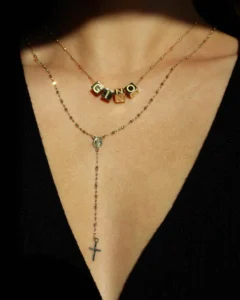
Necklaces are often the most visible part of a jewelry collection. A well-rounded capsule typically includes:
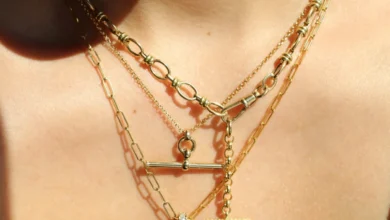
- The Daily Driver: A short, simple chain (16–18 inches) such as a cable link or a mini figaro. This is designed for 24/7 wear.
- The Statement Piece: A thicker, semi-hollow or solid chain that provides visual weight. Mariner links or heavy curb chains are popular choices that hold significant gold weight.
- The Versatile Long Chain: A solid box chain or elongated link (20+ inches) that can be worn over clothing or layered with shorter pieces.
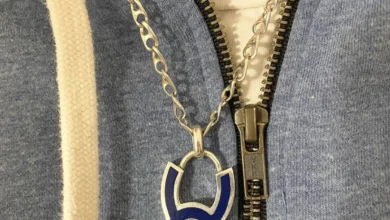
- The Unique Texture: An enamel-accented or fancy-link chain that adds a distinct personality to the stack.
The Frame: Earrings
Earrings frame the face and are essential for professional settings. A capsule usually consists of:

- The Perfect Hoops: Medium-sized gold hoops are considered the "white t-shirt" of the jewelry world.
- Secondary Studs: For those with multiple piercings, simple gold studs or small gemstones provide a cohesive look.
- The Geometric Statement: A pair of architectural dangles for formal occasions.
The Wrist: Bracelets and Timepieces
Bracelets must be durable, as they are subject to more physical impact than other jewelry.
- The Bangle: A solid gold bangle with a secure clasp is a classic investment.
- The Line Bracelet: Whether a simple gold link or a diamond-set "tennis" bracelet, these pieces offer a blend of elegance and liquid value.
The Identity: Rings
Rings are often the most sentimental part of a collection.
- The Signet: Often worn on the pinky, the signet ring is a historical staple that has seen a modern resurgence.
- The Stacker: Thin, 14k gold bands that can be added over time to mark milestones.
- The Color Piece: A ring featuring a high-quality natural gemstone to break the monotony of all-gold stacks.
Technical Analysis: Why Karat Gold Matters
The push for karat gold over plated alternatives is rooted in chemistry and economics. Gold is a noble metal, meaning it does not oxidize or corrode in moist air. However, pure gold (24k) is too soft for daily wear. Therefore, it is alloyed with other metals like copper, silver, and zinc.
- 14k Gold: Contains 58.3% pure gold. It is the industry standard in the US for its balance of durability and gold content.
- 18k Gold: Contains 75% pure gold. It has a richer yellow hue and is more prestigious but is softer and more prone to scratching.
- Gold-Plated/Vermeil: These involve an electroplating process. Once the thin layer of gold wears off, the base metal is exposed, leading to skin irritation and a "cheap" appearance.
From an environmental standpoint, the fine jewelry capsule is also the more sustainable choice. The "fast jewelry" industry contributes significantly to landfill waste and relies on mining practices for base metals that are often less regulated than the gold supply chain. Investing in a few high-quality gold pieces reduces the cycle of constant replacement.
Market Implications and Future Outlook
As we look toward the remainder of the decade, the trend of the jewelry capsule wardrobe is expected to grow. Retailers are already responding to this shift; many are moving away from trend-heavy seasonal collections and toward "essentials" lines. The resale market for fine jewelry is also booming, with platforms like The RealReal reporting high retention values for unbranded gold jewelry.

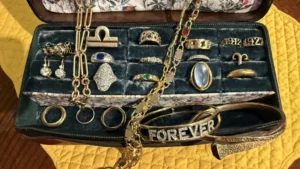
Statements from market analysts suggest that as long as economic uncertainty persists, gold will remain a favored asset class. For the modern consumer, this means that the jewelry box is no longer just a place for adornment—it is a diversified portfolio. By building a capsule collection with intention, consumers are securing their style and their finances simultaneously.
The transition from "quantity" to "quality" is more than a fashion statement; it is a sophisticated response to a high-inflation, high-commodity-price era. Whether starting from scratch or refining an existing collection, the goal of the gold capsule wardrobe is clear: to own pieces that are timeless, durable, and—most importantly—inherently valuable.