LVMH Reports First Quarter Revenue Decline Amid Global Geopolitical Tensions and Evolving Luxury Consumer Trends

LVMH Moët Hennessy Louis Vuitton, the world’s leading luxury goods conglomerate, has reported a decrease in revenue for the first quarter of 2024, signaling a cooling period for the high-end retail sector following years of unprecedented post-pandemic growth. The group, which serves as a bellwether for the global luxury market, announced that total revenue for the three months ending March 31 fell by 6% on a reported basis, totaling EUR 19.12 billion ($20.32 billion). This decline highlights the mounting challenges facing the industry, including heightened geopolitical instability in the Middle East, fluctuating tourist patterns in key markets, and a shifting economic landscape that has impacted consumer sentiment across major geographical regions.
The downturn was particularly notable within the group’s prestigious Watches and Jewelry division. Revenue for this segment slipped 2% year on year, settling at EUR 2.44 billion ($2.59 billion). While the decrease reflects a broader normalization of the luxury market, LVMH leadership remains optimistic, citing the resilience of its core brands and a strategic focus on high-jewelry collections and innovative marketing campaigns to maintain long-term desirability.
Analysis of the First Quarter Performance
The decline in first-quarter sales represents a departure from the double-digit growth rates that characterized LVMH’s performance throughout 2021 and 2022. The group attributed the recent contraction to a combination of external factors, most notably the conflict in the Middle East and a significant reduction in tourist spending in Europe and Japan. While local demand in these regions remained relatively steady, the lack of high-spending international travelers—particularly from mainland China—has created a vacuum that local consumption has yet to fully fill.
Geopolitical tensions played a decisive role in the quarter’s trajectory. After a robust start in January and February, LVMH noted that overall performance suffered a sharp downturn in March. The company specifically pointed to the impact of regional instability, including tensions involving Iran, which dampened consumer confidence and disrupted retail traffic in the Middle Eastern market. This region has historically been a significant growth engine for luxury brands, and the sudden cooling of demand there contributed to the group’s missed targets for the quarter.
Despite the 6% drop in total revenue, LVMH’s performance in the United States remained "solid," according to the company’s financial statement. The American market has shown signs of stabilization as the "aspirational" consumer—those who buy entry-level luxury goods—pulls back due to inflationary pressures, while ultra-high-net-worth individuals continue to invest in "hard luxury" items like jewelry and timepieces.
Strategic Resilience in Watches and Jewelry
The Watches and Jewelry division, which includes iconic houses such as Tiffany & Co., Bulgari, and TAG Heuer, faced a challenging environment but demonstrated brand-specific successes. LVMH’s strategy for this segment has increasingly leaned toward "elevated" offerings, focusing on high jewelry and exclusive collections that cater to the most affluent clients.
Tiffany & Co. and the Power of Ambassadorship
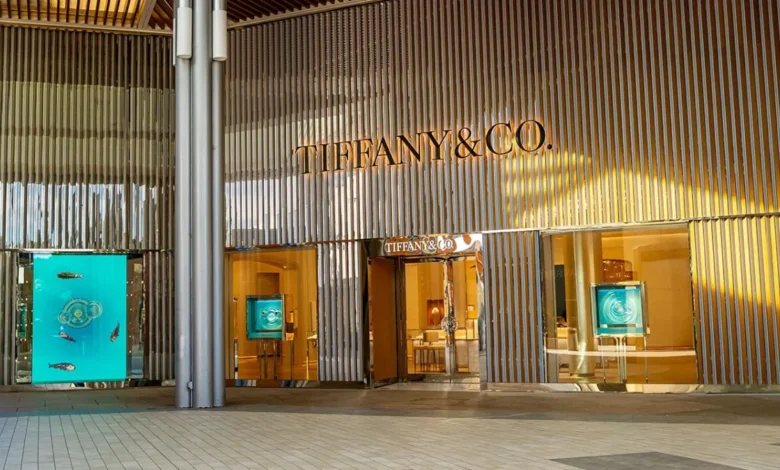
Tiffany & Co. continued its brand transformation under LVMH ownership, launching a high-profile campaign featuring global brand ambassador Natalie Portman. This initiative is part of a broader effort to modernize the brand’s image while reinforcing its heritage in high jewelry. During the first quarter, the brand also debuted its latest high-jewelry collections, which reportedly saw positive engagement from collectors. The renovation and reopening of the "Landmark" flagship store in New York City continues to serve as a significant driver for the brand’s prestige, even as broader retail trends fluctuate.
Bulgari’s Growth and Innovation
In contrast to the slight decline in the overall division, Bulgari reported strong growth during the quarter. The Roman jeweler benefited from the launch of "Eclettica," a new line of high jewelry and high-end watches that emphasizes the brand’s signature use of bold colors and architectural shapes. Bulgari’s ability to maintain growth in a contracting market underscores the strength of its brand identity and its successful expansion into the "ultra-luxury" timepiece market, where demand remains less sensitive to economic cycles.
Chaumet and Niche Excellence
Chaumet, another pillar of the LVMH jewelry portfolio, saw success through the expansion of its "Bee My Love" (Bee de Chaumet) collection. By leveraging its historical association with French royalty and focusing on recognizable, iconic designs, Chaumet has managed to capture market share in the bridal and self-purchase segments.
Chronology of the Quarter: From Growth to Contraction
To understand the 2024 first-quarter results, it is essential to look at the timeline of events that shaped the three-month period:
- January 2024: LVMH began the year with positive momentum. Post-holiday sales were healthy, and the group benefited from early Chinese New Year preparations, which typically drive luxury spending in Asia and at major travel hubs.
- February 2024: Performance remained stable. The group continued to roll out new collections and marketing initiatives, including major presence at global fashion weeks. During this period, local demand in Japan was buoyed by a weak Yen, attracting some regional tourism, though not at the levels seen in previous years.
- March 2024: A pivot point occurred as geopolitical tensions escalated in the Middle East. The company noted a visible impact on foot traffic and consumer sentiment. Simultaneously, the comparison against a very strong March 2023 (when China was just beginning its post-lockdown spending surge) made year-over-year growth difficult to achieve.
- April 2024: Upon the release of the results, LVMH executives emphasized a "vigilant yet confident" stance, signaling that while the immediate environment is volatile, the structural demand for luxury remains intact.
Regional Variations and Global Trends
The first-quarter data revealed a fragmented global market. In Europe, the lack of high-spending tourists was a significant headwind. Historically, Chinese and American tourists have driven a large portion of luxury sales in cities like Paris and Milan. With travel patterns shifting and the "revenge spending" phase of the pandemic recovery concluding, LVMH has had to rely more heavily on its loyal European client base.
Japan presented a unique case. While the weak Yen made luxury goods cheaper for foreigners, LVMH reported that lower tourist spending overall impacted the bottom line. However, steady local demand helped mitigate some of these losses. The Japanese market remains one of the most sophisticated luxury environments in the world, and LVMH’s investment in flagship stores in Ginza and Omotesando reflects a long-term commitment to the region.
The "rest of Asia" (excluding Japan) recorded strong growth, reinforcing a trend of improvement seen since the second half of 2023. This growth was largely driven by mainland China, where the middle class continues to expand, and Southeast Asian markets like Vietnam and Thailand, which are emerging as significant luxury hubs.
Official Response and Future Outlook
In its official statement, LVMH maintained a tone of cautious optimism. “LVMH remains vigilant yet confident at the start of the year,” the company stated. “The group remains focused on the development of its brands, driven by a sustained policy of innovation and investment as well as by a constant quest for quality in its designs, their desirability and their selective distribution.”
Financial analysts suggest that LVMH’s decision to maintain high levels of investment during a downturn is a calculated move to gain market share from smaller competitors who may be forced to cut costs. By continuing to spend on high-profile marketing and store renovations, LVMH ensures that its brands—Louis Vuitton, Dior, Tiffany, and others—remain at the forefront of the consumer’s mind when spending eventually rebounds.
The group’s focus on "selective distribution" is also a key part of its strategy. By tightly controlling where its products are sold and avoiding heavy discounting, LVMH preserves the exclusivity and "Veblen good" status of its products. This strategy is essential for maintaining margins during periods of lower volume.
Broader Implications for the Luxury Industry
The Q1 results from LVMH provide several critical insights for the broader economy and the retail industry:
- Normalization of Luxury: The "boom" years of 2021-2023 are over. The industry is entering a phase of "normalization," where growth will likely align more closely with historical averages of 4% to 6% rather than the 20%+ seen recently.
- Geopolitical Sensitivity: Luxury consumption is highly sensitive to global stability. The conflict in the Middle East does not just affect sales in that region; it affects the global "mood" of consumption and disrupts international travel routes.
- The Resilience of the Top 1%: While entry-level luxury (handbags, small accessories) may see a slowdown, the high-jewelry and "haute horlogerie" segments are proving more resilient. This suggests that the wealthiest consumers are still willing to spend on assets that hold or increase in value.
- Currency Fluctuations: The volatility of the Euro against the Dollar and the Yen continues to complicate global pricing strategies for luxury conglomerates.
As 2024 progresses, all eyes will be on the upcoming Summer Olympics in Paris. As a premium partner of the games, LVMH is expected to leverage this global platform to showcase its brands to millions of visitors. This event could provide the necessary catalyst to reverse the tourist spending decline seen in the first quarter and propel the group toward a stronger second half of the year.
For now, LVMH’s performance serves as a reminder that even the most prestigious companies are not immune to the complexities of the modern geopolitical and economic landscape. However, with a diversified portfolio and a clear focus on brand desirability, the group remains well-positioned to navigate the current headwinds.