The North Face’s Clyffe Ultra Emerges as an Unforeseen Lifestyle Hit, Marking a Pivotal Moment in its 60-Year Footwear Journey

In a significant development for an outdoor apparel giant traditionally known for its expedition-grade gear, The North Face has quietly unveiled a surprising success in the lifestyle footwear market: the Clyffe Ultra shoe. As the brand approaches its 60th anniversary in 2026, this unassuming model is cutting through the crowded social media landscape, garnering widespread acclaim and positioning itself as a legitimate crossover hit. This achievement is particularly noteworthy given The North Face’s long-standing reputation in performance outerwear and a relatively nascent, albeit respected, presence in non-technical casual footwear. The Clyffe Ultra’s ability to seamlessly blend rugged outdoor capability with contemporary urban aesthetics signals a potential paradigm shift in the brand’s footwear strategy and broader market appeal.
The North Face’s Footwear Legacy and the Pursuit of Lifestyle Crossover

For over half a century, The North Face has been synonymous with exploration, durability, and innovation in outdoor apparel. From its origins as a small mountaineering retail store in San Francisco in 1966, founded by Douglas Tompkins and Kenneth "Hap" Klopp, it rapidly evolved into a global powerhouse, dressing adventurers for the world’s most extreme conditions. Its iconic jackets, such as the Nuptse puffer and the Mountain Jacket, have long transcended their utilitarian roots, becoming staple items in urban fashion and streetwear. The brand’s distinctive half-dome logo, inspired by Yosemite’s Half Dome, has become a universally recognized symbol of outdoor adventure and, increasingly, urban style.
However, the brand’s extensive foray into footwear has historically followed a different trajectory. While it has consistently produced highly regarded hiking boots and trail shoes—praised for their performance, resilience, and weather protection in demanding environments—few models have achieved the same broad, trend-setting appeal as its apparel counterparts. The technical demands of outdoor footwear often dictate design priorities that do not always align with mainstream fashion sensibilities, making the crossover particularly challenging.
Notable exceptions exist, such as the 2013 ThermoBall Mules. Initially designed for post-activity comfort at base camps or after long hikes, these insulated slip-ons later found an unexpected embrace within fashion circles, even leading to high-profile collaborations with influential labels like Kim Kardashian’s Skims and streetwear titan Supreme. These instances, however, have been more sporadic rather than indicative of a consistent, intentional push into lifestyle footwear. The challenge for The North Face, and indeed many heritage outdoor brands, has been to translate their core values of functionality and ruggedness into designs that resonate with a fashion-conscious consumer base without diluting their authentic outdoor identity. This delicate balance is precisely what the Clyffe Ultra appears to have struck, arriving at a moment when outdoor-inspired aesthetics, often dubbed "gorpcore," are experiencing a cultural resurgence.

The Genesis and Design Philosophy of the Clyffe Franchise
The Clyffe Ultra is the pinnacle offering within The North Face’s broader Clyffe franchise, which also includes the Clyffe Slip-On, Clyffe Suede, and the standard Clyffe shoe. This family of footwear represents a deliberate effort by the VF Corporation-owned brand to expand its footprint beyond strictly performance-oriented categories. VF Corporation, a global apparel and footwear giant, has a strategic imperative to drive growth across its diverse portfolio, and innovation in footwear, particularly in crossover categories, is a key component of this strategy. The Clyffe line is a testament to this evolving strategic direction.
The design inspiration for the Clyffe series, and particularly the Ultra model, draws heavily from climbing shoe aesthetics, known for their precise fit, robust construction, and distinct visual language characterized by wraparound rubber rands and durable uppers. This foundation is then artfully merged with The North Face’s own archival "2000s ultra-running design language," creating a silhouette that feels both retro and forward-looking. The early 2000s were a period of significant innovation in trail running, emphasizing lightweight materials, aggressive traction, and ergonomic designs for endurance over varied terrains. The Clyffe Ultra synthesizes these disparate yet complementary influences into a cohesive and compelling product.

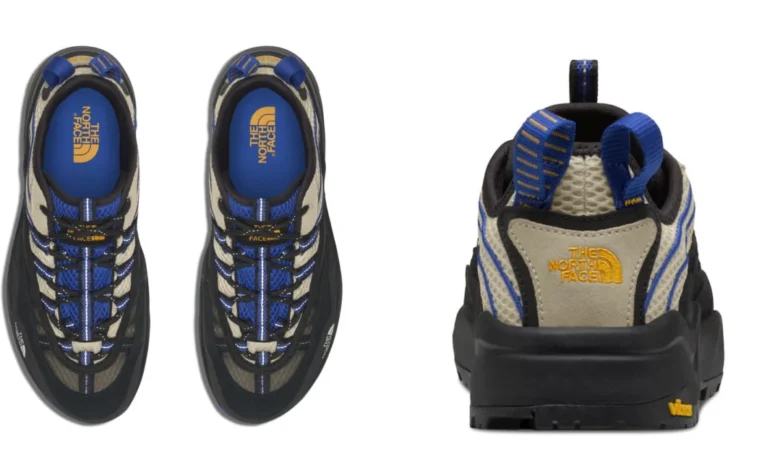
The blending of these design influences is evident in every detail of the Clyffe Ultra. The upper is a sophisticated composition of premium suede, offering a tactile and luxurious feel, paired with a wide spacer mesh. This mesh not only enhances breathability but also contributes to the shoe’s retro appeal, featuring intricate, retro-informed embroidery and strategic reflective accents. These elements collectively harken back to a period when outdoor gear began to integrate more technical fabrics and bold branding, without sacrificing functional integrity. The thoughtful choice of materials and design cues ensures that the shoe looks as at home on city streets as it does on a rugged trail, appealing to a diverse audience.
Technical Prowess Meets Urban Appeal
Beyond its compelling aesthetics, the Clyffe Ultra is engineered with the robust performance capabilities expected from The North Face. The shoe’s foundation is built upon Vibram XS Trek EVO rubber outsoles, a choice that underscores its outdoor bona fides. Vibram, an Italian company and a globally recognized leader in high-performance rubber soles, ensures superior traction and durability across varied terrains, from slippery rocks and loose gravel to urban pavements and concrete. The XS Trek EVO compound is specifically formulated for optimal balance of traction and durability on diverse surfaces, making it highly adaptable for both trail and urban environments.

This advanced outsole is further complemented by scratch-rubber rands, which provide enhanced protection against abrasions and impacts, particularly in high-wear areas around the toe and heel. These rands, a common feature in climbing and approach shoes, shield the upper materials from sharp objects and rough terrain, significantly extending the shoe’s lifespan and maintaining its aesthetic integrity even with heavy use. This combination of advanced traction and protective features ensures the Clyffe Ultra is "fully capable of delivering in outdoor environments," living up to The North Face’s heritage of producing reliable gear for demanding conditions.
The internal construction and cushioning systems, though not extensively detailed in the initial report, are designed to offer comfort and support, reflecting insights from ultra-running footwear where sustained performance and protection are paramount. The "modernized tech" alluded to likely encompasses advanced midsole compounds for energy return and shock absorption, anatomical fit systems to minimize hot spots, and lightweight construction techniques to reduce fatigue. This commitment to technical excellence, subtly integrated into a visually appealing package, is a key differentiator for the Clyffe Ultra, allowing it to appeal to both serious outdoor enthusiasts and fashion-forward consumers who value understated functionality and robust construction.
The "Gorpcore" Phenomenon and Market Alignment

The Clyffe Ultra’s emergence as a lifestyle hit is not an isolated event but rather a reflection of broader shifts in consumer preferences and fashion trends. The "gorpcore" aesthetic, characterized by the appropriation of functional outdoor wear for everyday fashion, has been gaining significant momentum over the past few years. This trend, which prioritizes practicality, comfort, and a rugged yet stylish appearance, has seen brands like Salomon, Hoka, and Arc’teryx achieve unprecedented popularity in mainstream fashion and streetwear circles. Consumers are increasingly seeking products that offer versatility—items that can transition seamlessly from a weekend hike to a city stroll, or from a casual office environment to an outdoor adventure.
The North Face, with its deep roots in authentic outdoor culture, is uniquely positioned to capitalize on this trend. While its apparel has already made this transition, footwear has remained a more challenging frontier. The Clyffe Ultra’s success demonstrates that consumers are receptive to The North Face’s design language in footwear when it is thoughtfully adapted for a dual purpose. It taps into a desire for authenticity and performance, even if the primary use case for many buyers will be casual wear. This market alignment is critical, as it allows The North Face to expand its consumer base without compromising its core brand identity. The global outdoor footwear market, estimated at billions of dollars and growing steadily, presents ample opportunity for brands that can effectively bridge the gap between technical performance and everyday style. Analysts estimate the global outdoor footwear market to exceed $20 billion by the end of the decade, with the lifestyle segment showing particularly robust growth.
VF Corporation’s Strategic Imperative and Brand Diversification

The success of the Clyffe Ultra holds significant implications for VF Corporation, the global apparel and footwear company that owns The North Face, alongside other prominent brands like Vans, Timberland, and Supreme. VF Corporation has a strategic imperative to drive growth across its diverse portfolio, and innovation in footwear, particularly in crossover categories, is a key component of this strategy. For The North Face, expanding its footwear presence beyond its established hiking and trail segments into lifestyle offers a substantial new revenue stream and strengthens its overall market position. This move aligns with VF Corp’s broader strategy to enhance brand relevance and capture market share in evolving consumer landscapes.
This diversification can help mitigate reliance on specific product categories or seasonal trends. A successful lifestyle footwear line can attract a younger, fashion-conscious demographic that may then be introduced to The North Face’s wider range of products, from jackets to backpacks. Furthermore, it reinforces the brand’s perception as a versatile and innovative player, capable of influencing both performance and style domains. The brand’s ability to "cut through the social media noise," even outperforming releases from more traditional athletic footwear brands, is a strong indicator of its potential to disrupt the lifestyle footwear market, a segment typically dominated by sportswear giants like Nike and Adidas. This could provide VF Corporation with a valuable asset in its ongoing efforts to optimize its brand ecosystem and capture new growth opportunities, especially as it seeks to rejuvenate growth in some of its heritage brands.
Overwhelming Social Media Resonance and Future Outlook

The immediate and overwhelmingly positive reception on social media for the Clyffe Ultra, particularly its Desert Stone/TNF Blue colorway, highlights its instant connection with consumers. Platforms like Instagram, TikTok, and various sneaker forums have seen a surge in organic content featuring the shoe, with users praising its unique aesthetic, comfort, and versatile appeal. Comments praising its "versatility" and "potential for more styles" are crucial indicators of market demand and future product development directions. In an era where consumer sentiment expressed on digital platforms can make or break a product, this organic buzz is invaluable. It suggests that The North Face has not only designed a technically competent shoe but one that also aesthetically resonates with current tastes, embodying a sense of adventurous style that is both accessible and aspirational. The Desert Stone/TNF Blue colorway, with its earthy tones contrasted by a vibrant blue, has proven particularly popular, echoing the trend for nature-inspired palettes with pops of color.
The availability of a more subdued TNF Black/TNF Red colorway alongside the popular Desert Stone/TNF Blue indicates a thoughtful initial rollout, catering to different aesthetic preferences and demonstrating an understanding of diverse consumer tastes. Given the strong public reaction and the shoe’s inherent versatility, it is highly probable that The North Face will rapidly expand the Clyffe Ultra’s color palette and potentially introduce further iterations within the Clyffe franchise, exploring new materials and technical enhancements. This consumer-driven feedback loop is vital for brands aiming for sustained success in fast-moving fashion and lifestyle markets. The brand’s 60th anniversary serves as a fitting backdrop for such a breakthrough, symbolizing both its enduring legacy and its capacity for continuous evolution and adaptation to contemporary trends, solidifying its position not just as an outdoor pioneer, but as a dynamic force in modern fashion.
Availability and Pricing

The North Face Clyffe Ultra is currently available for purchase at a competitive price point of $150. Consumers can acquire this versatile shoe directly from thenorthface.com, ensuring a direct channel for enthusiasts. Additionally, it is distributed through a curated selection of prominent retailers, including major sporting goods chains like Dick’s Sporting Goods, upscale department stores such as Nordstrom, and outdoor recreation specialists like REI. This broad distribution strategy ensures accessibility for both core outdoor enthusiasts who shop at specialized retailers and mainstream consumers who frequent department stores, further solidifying its position as a genuine crossover product. Its strategic pricing makes it competitive within both performance outdoor footwear and premium lifestyle sneaker categories, offering significant value given its dual functionality and quality construction. The initial success of the Clyffe Ultra positions it not merely as a new product launch, but as a significant milestone in The North Face’s journey to redefine its presence in the global footwear market.