The global fashion industry, a colossal economic engine driving trends and consumer desire, is simultaneously one of the planet’s most significant environmental burdens, with alarming projections indicating an unsustainable future. By 2050, it is anticipated that the industry will annually manufacture an astounding 138 billion items of clothing that will never be worn, a stark symbol of rampant overproduction and resource depletion. This staggering figure, highlighted in a recent analysis by Oxfam, underscores the urgent need for a fundamental paradigm shift within a sector notorious for its rapid cycles and disposable culture.
The Staggering Scale of Unworn Garments
Oxfam’s comprehensive report paints a vivid and concerning picture of the sheer volume of unused apparel accumulating globally. The projected 138 billion unworn garments by 2050 would be enough to create a thread stretching from Earth to Mars and back again, illustrating a level of waste that transcends conventional understanding. This statistic serves as a critical indicator of the "take-make-waste" linear model that has dominated the industry for decades, pushing consumption and production to unprecedented, environmentally damaging levels.
Focusing on more immediate and tangible data, Oxfam’s analysis reveals that in the United Kingdom alone, an estimated 1.6 billion items of clothing are currently languishing unworn in wardrobes across the country. To put this into a relatable perspective, if these garments were to be effectively recycled, repurposed, or successfully integrated into everyday wardrobes, they could theoretically dress the entire population of Manchester for 18 generations, a period spanning approximately 450 years. This localized snapshot serves as a powerful microcosm of a global crisis where clothing’s lifespan is drastically shortening while manufacturing output continues to soar relentlessly.
Further exacerbating the problem is the alarming statistic that, on average, a garment in the UK is worn for a mere five days before being discarded, donated, or relegated to the back of a closet. This fleeting engagement with clothing is a testament to the disposable nature fostered by contemporary fashion trends. Many items are not removed from circulation due to genuine wear and tear or physical degradation but simply because they are forgotten, perceived as outdated, or replaced by newer, often unnecessary purchases. This rapid turnover contributes significantly to the build-up of unused clothing, highlighting a profound disconnect between production volume and actual utility. Moreover, globally, it is estimated that 40% of all clothing produced each year is never even sold, let alone worn. These garments, having passed through factories, logistics chains, and retail stores, ultimately contribute to the colossal waste stream without ever fulfilling their intended purpose.
The Drivers of Overproduction: Fast Fashion and E-commerce Acceleration
The roots of this profound crisis are deeply intertwined with the rise and pervasive influence of "fast fashion." This business model is characterized by rapid production cycles, often mimicking high-fashion trends at incredibly low prices, and the constant introduction of new styles. Originating in the late 20th century and accelerating dramatically in the 2000s with globalization, optimized supply chains, and technological advancements, fast fashion brands have perfected the art of convincing consumers that they need new clothes constantly to stay current. This model inherently prioritizes quantity over quality, leading to garments with shorter lifespans, reduced durability, and a built-in obsolescence.
The explosive growth of online shopping, particularly over the last decade, has further fueled overproduction and waste. The unparalleled convenience of browsing and purchasing from home, coupled with increasingly lenient return policies offered by many retailers, encourages impulsive buying and a significantly higher volume of returns. Many of these returned items, especially from fast fashion retailers, are not resold but instead end up in landfills or are destroyed. This is often due to logistical complexities, the high cost of re-processing, or a perceived brand devaluation if items are re-entered into the market at a reduced price. This phenomenon adds another significant layer to the problem of unworn clothing, as items that were never truly "used" still contribute substantially to the waste stream.
The relentless pace of changing fashion trends, often amplified and dictated by social media and influencer culture, plays a crucial role in perpetuating this cycle. The desire to keep up with fleeting micro-trends creates a continuous and insatiable demand for new clothing, driving brands to produce at an accelerated, often unsustainable, pace. This cycle of desire, purchase, and rapid perceived obsolescence has normalized the idea of disposable fashion, pushing global clothing consumption to unprecedented heights. Reports indicate that the average consumer today buys approximately 60% more clothing than they did just 15 years ago but keeps each garment for only half as long.
The Hidden Environmental Toll: A Planetary Burden
The implications of this massive overproduction extend far beyond crowded wardrobes and overflowing landfills; they represent a severe and escalating threat to the environment and global climate stability. The fashion industry is currently responsible for an estimated 8-10% of global carbon emissions, a figure that surpasses the combined emissions of all international flights and maritime shipping. This enormous carbon footprint is largely attributable to energy-intensive manufacturing processes, extensive transportation across complex global supply chains, and the production of raw materials, particularly synthetic fibers derived from fossil fuels.
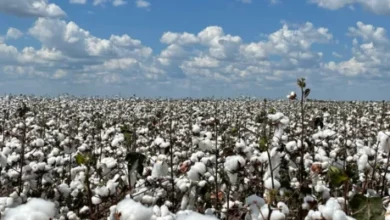
Water consumption is another critical environmental concern. Producing a single cotton t-shirt can require up to 2,700 liters of water – an amount equivalent to what an average person drinks in 2.5 years. A pair of denim jeans can consume upwards of 10,000 liters. The cultivation of conventional cotton often relies on extensive irrigation in water-stressed regions, contributing significantly to water scarcity and depletion of freshwater resources. While synthetic fibers like polyester require less water in their production, they are derived from petroleum, contributing to plastic pollution and a continued reliance on non-renewable fossil fuels.
Chemical pollution is rampant throughout the fashion industry’s production cycle. Dyeing and finishing processes utilize thousands of different chemicals, many of which are toxic and subsequently discharged into waterways. This contaminates ecosystems, harms aquatic life, and poses severe health risks to local communities and workers in manufacturing regions, particularly in developing countries where environmental regulations may be less stringent. Furthermore, microplastic pollution from synthetic garments is a growing and insidious problem. Tiny plastic fibers shed during washing cycles enter rivers and oceans, ultimately making their way into marine life and the human food chain, with unknown long-term ecological and health consequences.
Landfill waste is a direct and visible consequence of overproduction. Globally, an estimated 92 million tons of textile waste is generated annually, a staggering volume equivalent to a truckload of textiles ending up in landfill or being incinerated every single second. The decomposition of natural fibers in landfills produces methane, a potent greenhouse gas that contributes significantly to climate change. Synthetic fibers, on the other hand, can take hundreds of years to break down, releasing harmful chemicals into the soil and groundwater as they slowly degrade. The sheer volume of discarded clothing overwhelms waste management systems worldwide, particularly in developing countries that often become dumping grounds for the global North’s textile excess.
The "Take-Make-Waste" Mentality and Brand Destruction
A particularly egregious and ethically questionable aspect of the industry’s linear model is the widespread practice of destroying unsold or returned goods. Several reports in recent years have revealed that not only fast fashion brands but also luxury fashion houses routinely incinerate or shred returned and unsold products. This practice is often justified by brands as a means to protect their intellectual property, maintain brand exclusivity, or prevent items from being sold at discounted prices that could devalue their high-end image. However, it epitomizes the "take-make-waste" approach, where the inherent value of materials, resources, and significant human labor is disregarded in favor of short-term commercial interests and brand perception.
This deliberate destruction represents an immeasurable loss—not just financially for the companies involved, but more critically, in terms of the vast quantities of energy, water, and human effort invested in creating these garments. It exposes a systemic flaw where economic incentives are profoundly misaligned with environmental responsibility. The European Environment Agency (EEA) has highlighted this issue, noting that such practices underscore how wasteful and fundamentally outdated the current linear production system is. Instead of actively exploring and implementing avenues for reuse, repair, recycling, or upcycling, the default remains to produce new items, further burdening the environment and accelerating the impacts of climate change.
Calls for Change and the Path Towards Circularity
The escalating crisis has spurred growing calls for systemic change from a diverse range of stakeholders, including environmental organizations, consumer advocacy groups, and even a growing number of forward-thinking brands. The concept of a circular economy for fashion is gaining significant traction, advocating for a fundamental shift away from the linear model towards one where materials are kept in use for as long as possible, maximum value is extracted from them while in use, and products and materials are recovered and regenerated at the end of each service life.
Organizations like Fashion Revolution, which emerged in the wake of the devastating 2013 Rana Plaza factory collapse in Bangladesh, have been instrumental in raising global consumer awareness and advocating for greater transparency and accountability within the fashion supply chain. Their influential campaigns challenge consumers to ask "Who made my clothes?" and encourage brands to adopt more ethical, sustainable, and transparent practices.
Policy initiatives are also emerging and gaining momentum globally. The European Union, for example, has introduced ambitious strategies aimed at making textiles more durable, reusable, repairable, and recyclable. These include extended producer responsibility schemes, which hold brands accountable for the entire lifecycle of their products, and ambitious targets for textile waste reduction and increased recycling rates. Such legislative frameworks are crucial for driving industry-wide change and ensuring that sustainability commitments translate into tangible, measurable actions.
Brands themselves are increasingly exploring and investing in circular business models, including take-back programs for used garments, offering repair services, experimenting with clothing rental models, and investing in innovative recycling technologies. While many of these efforts are still nascent and often limited in scale, they represent a vital step towards reducing waste and extending the functional life of garments. However, critics argue that such initiatives must be scaled up dramatically and integrated into core business strategies, rather than remaining peripheral "greenwashing" efforts or marketing ploys.
The Imperative of the Conscious Consumer
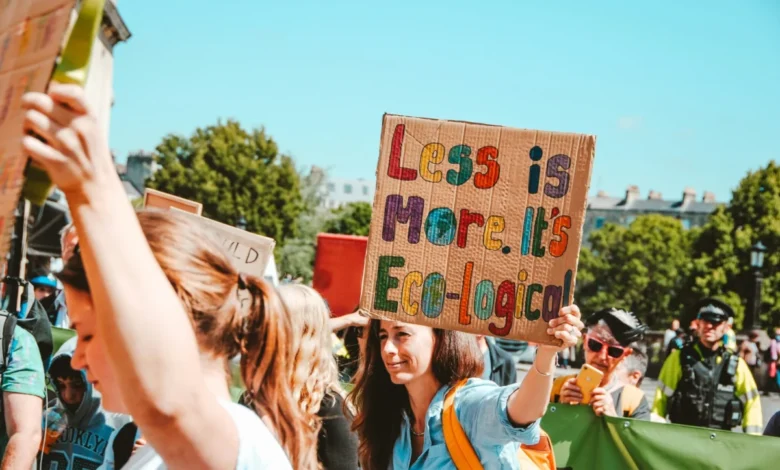
While systemic change at the industry and policy level is paramount, individual consumer choices also play a profoundly significant role in shaping the future of fashion. The message to consumers is clear and urgent: every purchase has an impact. Before succumbing to the allure of a new garment, individuals are increasingly encouraged to pause and reflect on critical questions: "Do I truly need this item?" and "Can I potentially replace it with something I already own, or find a pre-owned, high-quality alternative?"
Embracing conscious consumption means prioritizing quality over fleeting quantity, actively extending the life of existing clothes through diligent care, repair, and creative repurposing, and exploring sustainable options like second-hand shopping, clothing swaps, and rental services. It involves understanding that the story of a garment doesn’t conclude at the checkout counter or when it disappears into the depths of a closet. Every piece we buy has a tangible impact on people (through labor conditions and wages), on resources (through raw material extraction and processing), and on our planet (through pollution, waste, and carbon emissions).
The journey towards a truly sustainable fashion future is complex and multifaceted, requiring concerted and collaborative efforts from governments, the industry, and consumers alike. The alarming projection of 138 billion unworn garments by 2050 serves not as a distant warning but as an immediate and urgent call to action. By making informed decisions, advocating for systemic change, and adopting more mindful consumption habits, we can collectively work towards a fashion industry that dresses us stylishly without undressing the planet.
Sources:
- Oxfam. (Accessed from: https://www.oxfam.org.uk/media/press-releases/global-fashion-industry-on-track-to-produce-enough-unworn-clothes-to-almost-reach-from-earth-to-mars-and-back/)
- European Environment Agency (EEA). (Accessed from: https://www.eea.europa.eu/en/analysis/publications/the-destruction-of-returned-and-unsold-textiles-in-europes-circular-economy)
- Additional data and insights drawn from reports by the UN Environment Programme (UNEP), Fashion Revolution, and the Ellen MacArthur Foundation on textile waste, pollution, and circular economy principles.
Image Source: https://unsplash.com/