The Paradox of the Full Closet: Shifting from Trend-Chasing to Intentional Dressing

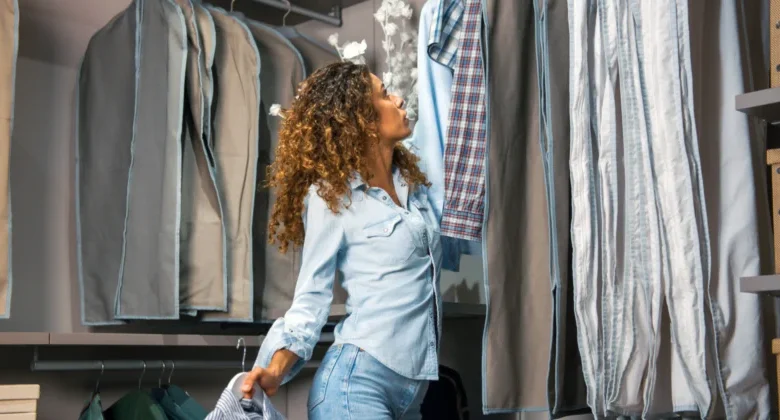
Despite wardrobes often overflowing with garments, a pervasive sentiment of "having nothing to wear" resonates with countless individuals daily, leading to morning paralysis and persistent dissatisfaction. This common dilemma, far from being a mere personal quirk or indecisiveness, points to a deeper systemic issue rooted in contemporary consumption patterns and the relentless pursuit of fleeting fashion trends. The distinction between a wardrobe curated by external trends and one built on internal intention extends beyond mere apparel; it reflects a fundamental difference in how individuals approach self-expression and fulfillment, influencing not just personal style but also economic well-being and environmental impact.
The Acceleration of Fashion Cycles: A Chronology of Consumption
The fashion industry has undergone a radical transformation over the past few decades, evolving from a traditional model of seasonal collections to an ultra-fast cycle driven by rapid production and obsolescence. Historically, fashion operated on a biannual or quarterly schedule, with designers dictating trends well in advance. However, the late 20th and early 21st centuries saw the emergence of "fast fashion" retailers like Zara, H&M, and Shein, which revolutionized supply chains to bring runway styles to store shelves in a matter of weeks, sometimes even days. This acceleration was fueled by globalization, technological advancements in manufacturing, and increasingly sophisticated logistics.
The rise of the internet and subsequently, social media platforms, further amplified this pace. What was once a seasonal trend now often becomes a micro-trend, peaking in popularity for mere weeks before being deemed "out" and replaced by the next novelty. Platforms such as Instagram and TikTok have become powerful engines for trend dissemination, with influencers and algorithms constantly showcasing new styles, creating a pervasive sense of urgency and the "fear of missing out" (FOMO). This chronological shift from measured innovation to relentless novelty has fundamentally altered consumer behavior, embedding a desire for constant newness rather than enduring quality or personal resonance.
The Allure of the Trend: Psychological Drivers and Social Media’s Role
The exhausting cycle of trend-chasing is deeply intertwined with psychological mechanisms and the pervasive influence of digital media. When individuals encounter a particular style repeatedly—on social media feeds, in retail displays, or worn by peers—a subconscious pressure to conform begins to build. The brain often interprets widespread adoption as a signal of desirability and social acceptance, triggering thoughts like, "You need this. You’re behind. Everyone has this but you."
The act of purchasing a trendy item often delivers an immediate dopamine hit, a fleeting sense of satisfaction that momentarily resolves the perceived inadequacy. This neurochemical reward reinforces the behavior, creating a cyclical pattern where the individual associates buying new, trendy items with feeling current and belonging. However, this satisfaction is often short-lived. Within weeks, the item may feel dated, or simply not align with the individual’s actual lifestyle or personal aesthetic. This disconnect frequently arises because the purchase was driven by external validation—the desire for approval from an imaginary audience—rather than genuine internal need or personal preference. Research in consumer psychology highlights the concept of the "hedonic treadmill," where the initial pleasure of a new acquisition quickly fades, leading to a continuous pursuit of the next "thing" to maintain a baseline level of happiness.
Social media platforms play a critical role in perpetuating this cycle. Influencers, often compensated to promote new products, create aspirational lifestyles that heavily feature current trends. Algorithms are designed to keep users engaged by showing them content that reinforces their existing interests, including fashion trends, thereby intensifying the exposure and pressure to buy. This constant visual bombardment fosters a culture where self-worth can become implicitly linked to staying "on trend," pushing individuals to dress from the outside in, prioritizing collective approval over authentic self-expression.
The Cost of Constant Chasing: Economic and Environmental Burdens
The economic and environmental ramifications of this trend-driven consumption model are substantial and far-reaching. From a financial perspective, the continuous acquisition of fleeting trends represents a significant expenditure for consumers. A recent client analysis revealed a startling pattern: one individual spent an estimated $5,000 in six months on trendy pieces, wearing each item an average of just twice. This is not an isolated incident; studies indicate that consumers in some Western countries purchase 60% more clothing than they did 15 years ago but keep each garment for half as long. The cumulative effect of these seemingly small, impulsive purchases can significantly impact personal finances, diverting funds from savings, investments, or more meaningful experiences.
The environmental toll is even more severe. The fast fashion industry is a major contributor to global pollution and resource depletion. The Ellen MacArthur Foundation reports that the equivalent of one garbage truck of textiles is landfilled or incinerated every second. Annually, textile waste accounts for millions of tons of material, much of which is synthetic and non-biodegradable, accumulating in landfills for centuries.
The production phase is equally damaging. The fashion industry is responsible for 10% of global carbon emissions, more than international flights and maritime shipping combined. It is also an enormous consumer of water, particularly for crops like cotton, with estimates suggesting it takes around 2,700 liters of water to produce a single cotton t-shirt—the amount an average person drinks in 2.5 years. Furthermore, the dyeing and finishing processes often involve toxic chemicals that pollute waterways and harm ecosystems, while the prevalence of synthetic fibers like polyester contributes to microplastic pollution in oceans and food chains. Environmental advocates consistently highlight these alarming statistics, calling for systemic changes in production and consumption habits.
Defining Intentional Dressing: A Paradigm Shift
In stark contrast to the exhausting cycle of trend-chasing, intentional dressing represents a paradigm shift rooted in self-awareness and mindful consumption. This approach begins with a fundamental, often radical, question: "What does your actual life look like?" It moves beyond aspirational Instagram feeds and fantasy scenarios to acknowledge the real, everyday activities that comprise one’s existence—the morning coffee runs, the client meetings, the dog walks, the dishwashing.
Intentional dressing prioritizes functionality, comfort, and personal resonance. It means choosing garments that genuinely fit one’s lifestyle needs, rather than acquiring items based on external dictates. For instance, opting for washable silk over dry-clean-only alternatives reflects an understanding of one’s own habits and practical constraints. Similarly, selecting comfortable, durable boots over aesthetically pleasing but painful heels demonstrates a commitment to personal well-being and mobility. The focus shifts from accumulating a vast quantity of mediocre items to curating a select number of high-quality, versatile pieces that truly serve a purpose. An intentional wardrobe might feature three impeccably fitting white shirts that integrate seamlessly into various outfits, rather than twenty disparate tops that rarely feel "right." This approach champions quality over quantity, versatility over fleeting novelty, and personal utility over performative display. It signifies a profound transition from dressing for an imaginary audience to dressing for oneself, fostering a sense of authenticity and ease.
Practical Strategies for Cultivating an Intentional Wardrobe
Shifting from a trend-based to an intentional approach requires concrete strategies that reframe purchasing decisions and daily habits.
-
The Lifestyle Audit: Begin not by auditing existing clothes, but by auditing one’s actual life. For two weeks, meticulously track daily activities and corresponding outfits. Where do you go? What do you do? Which garments make you feel capable and comfortable versus constrained or self-conscious? This objective data reveals true wardrobe needs. For example, realizing that black pants are worn four days a week might lead to investing in several high-quality pairs rather than fighting this reality in pursuit of "variety." Style consultants often recommend this initial step to ground wardrobe choices in reality.
-
Identify Non-Negotiables: Establish a clear set of criteria that every new garment must meet. These "non-negotiables" act as a filter against impulsive purchases. For some, these might include natural fibers, machine washability, pockets, specific fits, ethical production standards, or a particular color palette. If an item, no matter how trendy, fails to meet these fundamental requirements, it is immediately disqualified. This practice empowers individuals to reclaim authority over their choices, aligning purchases with deeply held values and practical needs.
-
The "Pause Practice": When the pull of a new trend or an appealing item arises, resist the immediate urge to buy. Instead, write down the item and the date. Revisit this list after thirty days. If the desire persists, and you can articulate a clear rationale for the purchase that doesn’t involve phrases like "everyone has it," "I should get it," or "it’s in style," then consider it. More often than not, the initial urgency dissipates within a week, revealing that the desire was fleeting and externally motivated rather than a genuine need. This practice fosters delayed gratification and critical self-reflection.
-
Building a Foundation: Focus on acquiring foundational pieces that are versatile, durable, and reflect your core personal style. These are the items that can be mixed and matched, dressed up or down, and withstand the test of time and changing micro-trends. This strategy minimizes decision fatigue and ensures that every item in the closet has a clear role and purpose, contributing to a cohesive and functional wardrobe.
Beyond the Closet: Broader Implications of Mindful Consumption
The adoption of intentional dressing extends far beyond the confines of one’s closet, yielding profound psychological, economic, and environmental benefits.
From a psychological well-being perspective, an intentional wardrobe significantly reduces decision fatigue. When every piece in the closet is functional and aligns with personal style, the daily act of getting dressed transforms from a stressful ordeal into a swift, effortless process. This conserved mental energy can then be redirected towards more productive or fulfilling pursuits—work, relationships, creative endeavors. Furthermore, trusting one’s own taste cultivates self-confidence, diminishing the need for external validation. When individuals dress for themselves, they cease scanning rooms for approval, fostering a deeper sense of self-acceptance and authenticity. This internal validation is far more enduring and satisfying than any fleeting approval gained from conforming to trends.
Economically, intentional dressing encourages smarter spending. By investing in fewer, higher-quality items that last longer and are more versatile, consumers ultimately save money in the long run, avoiding the continuous cycle of buying cheap, disposable garments. This shift promotes a more conscious approach to personal finance, empowering individuals to make deliberate choices about where their money goes.
Environmentally, the implications are substantial. By reducing the frequency of purchases and extending the lifespan of clothing, intentional dressing directly combats textile waste and mitigates the environmental footprint of the fashion industry. Supporting brands that prioritize durability, ethical production, and sustainable materials further reinforces these positive impacts, contributing to a broader movement towards responsible consumption. This conscious approach positions clothing as a tool to support one’s life rather than a demanding entity that constantly requires attention and resources.
Expert Perspectives and Industry Responses
The growing movement towards intentional dressing and mindful consumption has not gone unnoticed by experts and the industry alike. Consumer psychologists, such as those studying the "hedonic treadmill," increasingly emphasize the long-term benefits of intrinsic motivation over extrinsic rewards in fostering genuine satisfaction. They argue that aligning purchases with personal values and practical needs leads to greater contentment than the fleeting pleasure derived from acquiring trendy items for external approval.
Within the fashion industry, there is a burgeoning segment of designers and brands championing sustainability, ethical production, and timeless design. These entities offer alternatives to the fast fashion model, focusing on quality craftsmanship, durable materials, and transparent supply chains. While still a niche, their growth signals a shift in consumer demand towards more responsible and enduring fashion. Industry analysts also observe a nascent trend among consumers, particularly younger generations, who are becoming more critical of brand practices and more inclined to support companies aligned with their values. This evolving landscape suggests a potential future where the "newness" inherent in trends is tempered by a greater appreciation for longevity and conscious choice.
Conclusion
The shift from a trend-based to an intentional approach to one’s wardrobe is more than a mere aesthetic choice; it is a profound act of reclaiming authority over personal decisions. Every deliberate choice, made in alignment with genuine needs rather than manufactured desires, strengthens an individual’s capacity for self-trust. This cultivated skill extends far beyond clothing, influencing relationships, career paths, and an overall sense of self.
Beginning this journey can be as simple as focusing on one category—be it shoes, bags, or a specific type of garment—and making every subsequent choice within that category entirely intentional. The discernible difference between selecting for oneself versus seeking approval is often immediate and deeply liberating. It allows one to experience the true meaning of "enough"—not as a restrictive limit, but as a calm sufficiency born from knowing what genuinely serves and enhances one’s life. Ultimately, a wardrobe’s primary purpose is not to make its owner look like everyone else, but to empower them to feel authentically themselves. The path to achieving this outcome is clear, and deep down, individuals instinctively recognize which approach delivers this invaluable sense of self-possession and freedom.