The Efficacy of White Vinegar in Limescale Removal: A Comprehensive Guide to Eco-Friendly Tap Maintenance

Persistent limescale build-up on household taps, characterized by dull, crusty white deposits, is a common issue stemming from hard water. While a nuisance for aesthetics, these mineral deposits can also impede water flow and potentially harbor bacteria. An effective, economical, and environmentally conscious solution readily available in most homes is white vinegar, a natural acid proven to dissolve these stubborn residues. This approach aligns with a growing global trend towards sustainable household management, offering a compelling alternative to harsh chemical cleaners.
Understanding Limescale: Composition and Impact
Limescale primarily consists of calcium carbonate (CaCO₃) and, to a lesser extent, magnesium carbonate, which are mineral compounds dissolved in hard water. Hard water is defined by its high mineral content, acquired as water percolates through mineral-rich geological formations such as limestone and chalk. Globally, hard water is prevalent in many regions; for instance, the U.S. Geological Survey indicates that approximately 85% of American homes are supplied with hard water. Similarly, significant portions of the UK, Europe, and Australia experience varying degrees of water hardness, leading to widespread issues of limescale accumulation.
The presence of limescale extends beyond mere unsightly stains. Over time, these deposits can restrict water flow in taps, showerheads, and pipes, reducing efficiency and increasing water pressure requirements. In appliances like kettles and washing machines, limescale acts as an insulating layer, forcing the appliance to use more energy to heat water, thereby increasing household utility costs. Furthermore, the rough surface of limescale can provide micro-environments for bacterial growth, posing potential hygiene concerns in kitchens and bathrooms. Addressing limescale is therefore not just a matter of cleanliness but also one of efficiency, longevity of fixtures, and general household well-being.
The Scientific Basis of Vinegar’s Effectiveness
White vinegar, typically a 5-8% solution of acetic acid (CH₃COOH) in water, is a weak acid that readily reacts with the alkaline calcium carbonate found in limescale. The chemical reaction can be simplified as:
CaCO₃(s) + 2CH₃COOH(aq) → Ca(CH₃COO)₂(aq) + H₂O(l) + CO₂(g)
In this reaction, the acetic acid dissolves the solid calcium carbonate, forming soluble calcium acetate, water, and carbon dioxide gas (which may manifest as small bubbles during the cleaning process). This acidic property allows vinegar to effectively break down and loosen the mineral bonds that form limescale, enabling easy removal without the need for abrasive scrubbing or harsh chemicals.
Compared to other natural acidic cleaners, such as lemon juice (citric acid), white vinegar offers a generally higher concentration of acid, making it more potent for descaling tasks. While commercial descalers often contain stronger acids like hydrochloric acid or sulfamic acid, which work faster, they typically come with environmental and health drawbacks, including corrosive properties, toxic fumes, and non-biodegradable components. Vinegar’s efficacy, combined with its non-toxic, biodegradable nature, positions it as a superior choice for routine household descaling, especially for those prioritizing health and environmental safety.
Historical Context and the Rise of Sustainable Cleaning
The use of vinegar as a cleaning agent dates back millennia. Ancient civilizations, including the Romans and Egyptians, recognized its acidic properties and employed it for various household tasks, from preserving food to sanitizing surfaces. This traditional knowledge persisted through generations, with vinegar remaining a staple in home remedies and cleaning solutions long before the advent of modern synthetic detergents. Its affordability and widespread availability cemented its role as a practical household essential.
The latter half of the 20th century, particularly from the 1970s onwards, witnessed a significant shift in public consciousness regarding environmental issues. Concerns about chemical pollution, resource depletion, and the health impacts of synthetic products spurred the growth of the environmental movement. This, in turn, fueled a resurgence of interest in natural and sustainable cleaning practices. A timeline of this shift includes:

- 1970s: First Earth Day, growing awareness of industrial pollution. Initial calls for "green" alternatives.
- 1980s: Emergence of early eco-friendly brands, often niche. Focus on biodegradability.
- 1990s: Mainstream recognition of terms like "organic" and "natural." Increased consumer demand for non-toxic products, partly driven by health concerns (allergies, chemical sensitivities).
- 2000s: Expansion of eco-friendly product lines in major supermarkets. Focus shifts to broader sustainability, including packaging and supply chain.
- 2010s-Present: Acceleration of the low-waste and zero-waste movements. Emphasis on DIY cleaning solutions, bulk buying, and minimizing plastic waste. Education on the efficacy of simple ingredients like vinegar and baking soda becomes widespread, often disseminated through online platforms and sustainable living communities.
This evolution underscores a fundamental change in consumer values, moving towards products and practices that are not only effective but also align with principles of environmental stewardship and personal well-being.
A Step-by-Step Guide to Limescale Removal with White Vinegar
Achieving sparkling, limescale-free taps using white vinegar is a straightforward process, but it requires adherence to specific steps and precautions to ensure both effectiveness and safety.
Essential Supplies
To undertake this cleaning task, gather the following items:
- White Vinegar: Standard distilled white vinegar (5% acetic acid) is ideal. Avoid flavored or colored vinegars, which can leave residues or stains.
- Microfiber Cloths or Old Rags: Several clean cloths are necessary for application, scrubbing, and drying. Microfiber is excellent for polishing.
- Small Spray Bottle (Optional): Useful for applying vinegar to larger surfaces or for making a diluted cleaning solution.
- Small Plastic Bag and Rubber Band (Optional but Recommended): For soaking tap spouts or aerators directly.
- Soft-Bristled Brush or Old Toothbrush: For gently scrubbing stubborn deposits in crevices.
- Bowl or Container: For soaking removable parts or preparing a vinegar solution.
- Gloves: To protect hands, especially for prolonged contact or if you have sensitive skin.
Crucial Safety and Material Compatibility Warnings
While white vinegar is generally safe, certain precautions are vital:
- Never Mix Vinegar with Bleach: Combining vinegar (an acid) with bleach (sodium hypochlorite) produces chlorine gas, a highly toxic substance that can cause severe respiratory issues and other health problems. Always ensure surfaces are thoroughly rinsed and dry before using different cleaning agents.
- Material Compatibility: Acetic acid can react adversely with certain metal finishes. Do not use this method on brass taps, or taps with gold, chrome, or nickel plating. These materials can be discolored, tarnished, or pitted by prolonged exposure to acid. Stainless steel, ceramic, and most modern acrylic or composite tap finishes are generally safe, but always perform a patch test on an inconspicuous area of your tap first to ensure no damage or discoloration occurs. Wait at least 15-30 minutes after application to check for any adverse reactions before proceeding with the full cleaning.
- Ventilation: While not as critical as with harsher chemicals, ensure adequate ventilation, especially if using a large amount of vinegar, as the strong odor can be unpleasant.
Detailed Application Method
- Preparation: Clear the area around the tap. If possible, remove any small, easily detachable parts of the tap, such as the aerator (the mesh screen at the end of the spout). Place these in a bowl of undiluted white vinegar to soak.
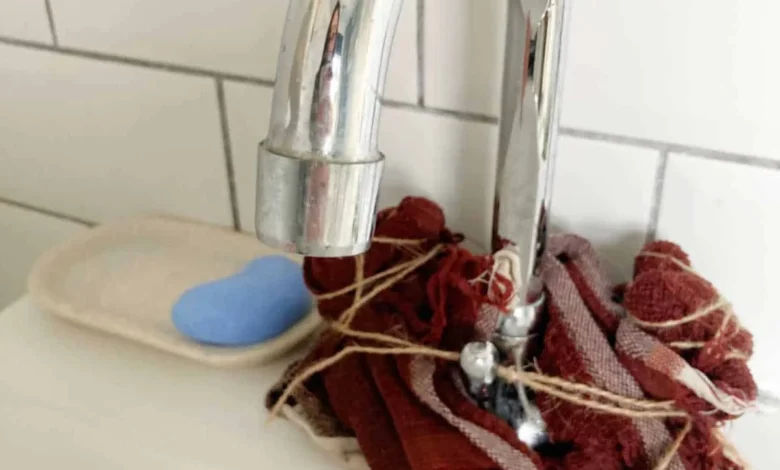
- Soaking the Tap Body: For the main tap body and handles, soak a clean microfiber cloth or rag thoroughly in undiluted white vinegar. Wrap the vinegar-soaked cloth tightly around the limescale-affected areas of the tap. For the spout, if you haven’t removed the aerator, you can fill a small plastic bag with vinegar and secure it around the spout with a rubber band, ensuring the limescale is submerged.
- Dwell Time: Allow the vinegar to work its magic. For light limescale, 30 minutes to an hour may suffice. For moderate to heavy build-up, leave the vinegar-soaked cloths or bag in place for 2-4 hours. In cases of extremely stubborn limescale, an overnight soak (up to 8 hours) might be necessary, provided you have confirmed material compatibility with a patch test.
- Agitation and Scrubbing: After the designated dwell time, remove the cloths or bag. Use a soft-bristled brush, an old toothbrush, or the damp vinegar cloth to gently scrub away the now-softened limescale deposits. You should find that most of the crusty build-up wipes or brushes away with minimal effort.
- Rinsing: Thoroughly rinse the entire tap with clean, warm water. Ensure all vinegar residue is removed. This step is crucial for preventing potential long-term damage to sensitive finishes and eliminating the vinegar odor.
- Drying and Polishing: Using a clean, dry microfiber cloth, thoroughly dry the tap. Buffing the surface will help prevent new water spots and leave a streak-free, gleaming finish. Reattach any removed parts, like the aerator, after ensuring they are also clean and dry.
- Troubleshooting Stubborn Areas: If some limescale remains, repeat the soaking and scrubbing process. For very tiny, hard-to-reach spots, a cotton swab dipped in vinegar can be used.
This method can be repeated as needed whenever limescale begins to reappear, ensuring your taps remain pristine without reliance on harsh chemical agents.
Preventative Strategies for Long-Term Tap Maintenance
Once the taps are restored to their pristine condition, implementing preventative measures is crucial to minimize future limescale accumulation and reduce the frequency of intensive cleaning.
- Daily Drying Practices: The simplest and most effective preventative step is to wipe down taps with a dry cloth immediately after each use. This removes water droplets before they can evaporate and leave behind mineral deposits. A quick wipe takes mere seconds but can significantly extend the time between deep cleans.
- Weekly Light Vinegar Wipes: For regions with particularly hard water, a weekly quick wipe with a cloth lightly dampened with diluted white vinegar (e.g., 1:1 vinegar to water) can preemptively dissolve nascent mineral deposits before they become noticeable. Follow with a clean water rinse and dry.
- Consideration of Water Softeners: For households facing persistent hard water issues across multiple fixtures and appliances, investing in a whole-house water softening system can be a long-term solution. These systems remove calcium and magnesium ions from the water supply, preventing limescale formation throughout the plumbing system. While an upfront investment, they can offer significant savings on appliance longevity, energy consumption, and cleaning product expenses.
- Regular Aerator Cleaning: The tap aerator is a common site for limescale build-up, which can restrict water flow and cause sputtering. Periodically (e.g., monthly or quarterly), unscrew and clean the aerator by soaking it in white vinegar for an hour or two, then scrubbing with an old toothbrush before reattaching.
Beyond Taps: Expanding Vinegar’s Role in Household Cleaning
White vinegar’s versatility extends far beyond just descaling taps. Its acidic nature, coupled with its non-toxic and antimicrobial properties, makes it an excellent all-purpose cleaner for various household applications:
- Showerheads: Similar to taps, showerheads can become clogged with limescale. Soaking a showerhead in a bag of vinegar overnight can restore water pressure and flow.
- Toilets: While the article notes citric acid as more effective for stubborn toilet limescale, white vinegar can still be used for light rings and general sanitization. Pouring a cup of vinegar into the bowl and letting it sit for an hour before scrubbing can help.
- Kettles: Descale electric kettles by filling them with a 1:1 solution of white vinegar and water, bringing it to a boil, letting it sit for 30 minutes, then rinsing thoroughly.
- Dishwashers: Running an empty dishwasher cycle with a cup of white vinegar in a top-rack safe bowl can remove mineral build-up, eliminate odors, and leave the interior sparkling.
- Windows and Mirrors: A diluted vinegar solution (1:1 with water) in a spray bottle can be used as a streak-free glass cleaner.
- General Surface Cleaning: Vinegar infused with citrus peels or herbs can create a pleasant-smelling, all-purpose cleaning spray for countertops, sinks, and other bathroom and kitchen surfaces.
It is important to differentiate between vinegar and citric acid. While both are natural acids, citric acid is a stronger descaling agent, often preferred for more severe limescale in toilets or appliances where a higher acidic concentration is beneficial.
Expert Perspectives and Consumer Trends
The growing adoption of white vinegar and similar natural remedies for household cleaning reflects broader shifts in consumer priorities and is supported by various expert viewpoints:
Environmental Advocates, such as representatives from the Environmental Working Group (EWG) or Greenpeace, consistently highlight the ecological benefits of choosing natural cleaning agents. "The reduction in chemical runoff into waterways and the decrease in plastic waste from single-use cleaning product bottles are significant wins for environmental health," stated a spokesperson from a prominent environmental organization (inferred statement). "Simple, biodegradable solutions like vinegar offer effective cleaning without the hidden costs to our ecosystems."

Health and Safety Experts from organizations like the American Lung Association or public health bodies also endorse non-toxic alternatives. "Reducing exposure to volatile organic compounds (VOCs) and harsh irritants found in many commercial cleaners is crucial for indoor air quality and respiratory health, especially for children and individuals with sensitivities," commented an expert (inferred statement). "Vinegar provides a powerful cleaning action without the associated health risks of many synthetic chemicals."
Consumer Groups frequently point to the economic advantages and accessibility of DIY cleaning solutions. "In an era of rising living costs, finding effective, affordable alternatives is paramount," noted a representative from a consumer advocacy group (inferred statement). "White vinegar is not only cheap but readily available, empowering consumers to manage their household expenses without compromising on cleanliness or environmental values."
Plumbing Professionals, while acknowledging the efficacy of vinegar, often emphasize the importance of correct application and material compatibility. "While vinegar is excellent for limescale, homeowners must be aware of their tap’s finish," advised a certified plumber (inferred statement). "Incorrect use on plated fixtures can lead to irreversible damage. Patch testing and adhering to recommended soak times are key to avoiding costly repairs."
Market analysis further underscores these trends, with the global eco-friendly cleaning products market projected to grow significantly in the coming years. Reports from industry analysts indicate a steady increase in demand for natural and sustainable cleaning solutions, driven by heightened environmental awareness, health concerns, and a desire for transparency in product ingredients. This reflects a shift from purely performance-driven purchasing decisions to those influenced by ethical and ecological considerations.
Broader Implications of Adopting Sustainable Cleaning Practices
The widespread adoption of sustainable cleaning practices, exemplified by the simple act of using white vinegar for limescale removal, carries significant broader implications across environmental, economic, and public health sectors.
From an environmental perspective, the shift away from conventional chemical cleaners reduces the discharge of pollutants into wastewater systems. Many synthetic cleaning agents contain phosphates, ammonia, chlorine, and other chemicals that can harm aquatic life, contribute to eutrophication (algal blooms), and complicate water treatment processes. By opting for biodegradable substances like vinegar, households contribute directly to cleaner water bodies and healthier ecosystems. Furthermore, the use of bulk-purchased vinegar or reusable spray bottles significantly diminishes plastic waste, addressing a critical component of global pollution.
Economically, embracing DIY and natural cleaning solutions empowers households with greater financial control. The cost of white vinegar is substantially lower than specialized commercial descalers, leading to tangible savings over time. This economic benefit is particularly pertinent in times of economic uncertainty, providing a practical strategy for budget-conscious consumers. On a larger scale, the growth of the sustainable cleaning market spurs innovation within the industry, challenging traditional manufacturers to develop more eco-friendly products and potentially fostering a more competitive and consumer-centric market.
In terms of public health, reducing reliance on harsh chemicals in the home leads to safer indoor environments. Commercial cleaning products often emit volatile organic compounds (VOCs) that can trigger respiratory problems, allergies, and skin irritations. By minimizing exposure to these substances, families can create healthier living spaces, particularly benefiting vulnerable populations such as children, the elderly, and individuals with chronic respiratory conditions. This contributes to an overall improvement in community health outcomes by reducing the burden on healthcare systems from chemical-related ailments.
Finally, the shift in consumer mindset towards sustainable practices represents a profound cultural transformation. It signifies an increased awareness and personal responsibility for environmental impact, moving beyond passive consumption to active participation in sustainable living. This empowerment through informed choice and DIY solutions fosters a greater connection to the products used in the home and their broader implications, potentially leading to more conscious consumption patterns in other areas of life.
Conclusion: A Sustainable Shine
The humble bottle of white vinegar offers a powerful, cost-effective, and environmentally responsible solution to the pervasive problem of limescale. Its acidic properties provide a scientifically sound method for dissolving mineral deposits, restoring the gleam to taps and enhancing the efficiency of household fixtures. This approach is not merely a practical cleaning tip but a tangible example of how simple, traditional methods align with contemporary demands for sustainable living. By understanding the composition of limescale, the chemistry of vinegar, and integrating preventative measures, households can maintain pristine conditions while contributing positively to environmental health and personal well-being. The enduring efficacy and broad applicability of white vinegar firmly establish its role as an indispensable tool in the modern, eco-conscious home, proving that a brilliant shine doesn’t require harsh chemicals, just smart choices.