Unworn Clothes in Wardrobes Pose a Significant Challenge to Textile Circularity, New Research Reveals

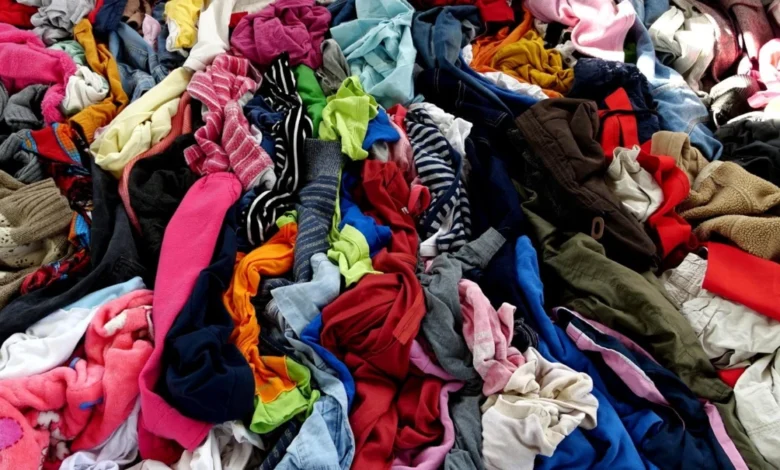
Idle clothes languishing in wardrobes are emerging as a critical hurdle to achieving true circularity in the textile industry, posing a challenge nearly as significant as discarded items themselves, according to groundbreaking new research from Reconomy. This revelation underscores a growing concern within the sector: the sheer volume of unworn garments diminishes their perceived value, actively discouraging the very maintenance, repair, and reuse essential for a circular economy. The study, commissioned by Reconomy and conducted by independent sustainability consultancy Sancroft, points to widespread overproduction and the prevalence of inexpensive, lower-quality garments with limited lifespans as primary drivers of this issue.
The implications of this finding are profound. When garments are neglected and forgotten in closets, their journey towards waste is inadvertently accelerated. This neglect leads to a situation where these unworn items contribute to waste streams comparable to those directly sent to landfill or incineration. This directly contradicts the aspirations of a circular economy, which aims to keep resources in use for as long as possible, extracting maximum value from them before recovering and regenerating products and materials at the end of each service life.
The Growing Problem of Overproduction and Low-Quality Textiles
Reconomy’s research highlights "widespread overproduction" as a fundamental issue plaguing the textile industry. The relentless drive for new collections and the pressure to offer low-priced items have resulted in an overwhelming supply of garments. This overabundance, coupled with the production of textiles designed for short lifespans, creates a "fast fashion" cycle that is inherently unsustainable. The study emphasizes that these inexpensive, lower-quality garments, often characterized by reduced durability, are less likely to be repaired or passed on, contributing to their premature discard.
This phenomenon directly impacts the perceived value of clothing. When consumers acquire garments at very low price points, there is often a diminished sense of ownership and a reduced incentive to care for them. The research indicates that unworn clothes actively "reduce garments’ perceived value," creating a psychological barrier to engagement with circular practices. Consequently, instead of being mended or repurposed, these items are more likely to be relegated to the back of the wardrobe and eventually discarded, adding to the burgeoning global textile waste problem.
Stalled Progress in Circular Initiatives
Despite increasing awareness and a growing number of initiatives aimed at promoting circularity within the textile sector, progress remains frustratingly slow. The Reconomy study reveals that many of these schemes are struggling to transition beyond the pilot stage. This stagnation is attributed to a complex web of interconnected challenges, including a lack of consistent regulations, absence of standardized circular design principles across different markets, and insufficient infrastructure.
For international brands and retailers, the absence of harmonized regulations and design standards creates significant complexities. Developing coherent and scalable circular strategies becomes a daunting task when faced with a patchwork of differing requirements and expectations across various geographical regions. This inconsistency hinders investment and slows down the widespread adoption of truly circular business models.
Infrastructure, Investment, and Data: The Missing Links
The research further delves into the systemic barriers hindering the expansion of circular business models. "Unsuitable infrastructure, poor data availability, and lack of long-term financial investment" are identified as critical roadblocks. The existing infrastructure for textile collection, sorting, and recycling is often inadequate to handle the sheer volume of waste generated. Furthermore, a lack of robust data on material flows, product lifecycles, and consumer behavior impedes effective planning and decision-making for circular initiatives.
Crucially, the absence of long-term financial investment deters innovation and the scaling up of promising circular solutions. Investors are often hesitant to commit capital to ventures with uncertain returns or long development timelines, particularly in an industry heavily influenced by rapidly changing consumer trends and economic fluctuations. This financial hesitancy creates a significant gap between the ambition for circularity and the practical implementation of viable business models.
Reconomy’s Recommendations for a Circular Future
In response to these identified challenges, Reconomy’s research outlines eight key focus areas designed to guide the industry towards a more circular future. While the specifics of these recommendations are not detailed in the provided excerpt, their general direction aims to address the systemic issues identified. These recommendations likely encompass areas such as policy advocacy, infrastructure development, technological innovation, consumer education, and collaborative industry efforts.
Aimee Campanella, Reconomy Textiles EPR Development Director, articulated the urgency and the potential of the research. "While brands and retailers recognise this is a business-critical issue and want to accelerate circularity, too many structural barriers stand in the way of adopting solutions that work at scale," she stated. "We hope this research provides the industry with a better understanding of the barriers and what needs to change to help the sector move beyond pilots to viable circular systems that help the sector reduce waste, cut carbon emissions, while also lowering costs for businesses and strengthening profitability." This statement underscores Reconomy’s commitment to providing actionable insights that can drive tangible change.
The Alarming Scale of Textile Waste
The Reconomy research is situated against a backdrop of escalating global demand for clothing and footwear, a trend that continues to fuel unsustainable waste generation and significant carbon emissions due to a persistent lack of widespread circular practices. The figures are stark: an estimated 120 million metric tonnes of textile waste were generated globally in 2024 alone. Alarmingly, approximately 80% of this waste is destined for landfill or incineration, representing a colossal loss of valuable resources and a substantial environmental burden.
This volume of waste is not merely an environmental concern; it also represents a significant economic opportunity lost. The materials that end up in landfills could be recovered and reintegrated into the production cycle, reducing the need for virgin resources and mitigating the environmental impact associated with their extraction and processing.
Context and Methodology of the Study
The comprehensive study was meticulously carried out by Sancroft, an independent sustainability consultancy renowned for its in-depth research and stakeholder engagement. The consultancy drew upon extensive research and conducted in-depth interviews with a wide array of stakeholders across the textiles ecosystem, including manufacturers, retailers, policymakers, and waste management experts. This multi-faceted approach ensures that the findings are grounded in real-world experiences and reflect the diverse perspectives within the industry.
This research follows closely on the heels of Reconomy’s recent strategic move to join ReHubs, a significant European alliance dedicated to accelerating the transition to a circular textile economy. This membership signifies Reconomy’s active engagement in collaborative efforts to drive systemic change and advance the adoption of circular principles within the European textile sector and beyond. The timing of this research, coupled with Reconomy’s active participation in key industry alliances, suggests a strategic push to translate research findings into tangible policy and industry action.
Broader Implications for the Fashion Industry and Consumers
The implications of Reconomy’s findings extend far beyond the operational challenges of textile manufacturers and retailers. They signal a fundamental need for a paradigm shift in how clothing is produced, consumed, and managed. For consumers, it underscores the importance of mindful purchasing decisions, prioritizing quality over quantity, and embracing practices such as repair, resale, and donation. The concept of "perceived value" is crucial here; consumers need to be educated and incentivized to view their clothing as durable assets rather than disposable commodities.
For the fashion industry, the research serves as a wake-up call. It highlights that incremental changes are insufficient and that a more radical transformation is required. This includes investing in circular design principles, developing innovative business models such as rental and repair services, and collaborating with industry peers and policymakers to create a supportive ecosystem for circularity. The economic benefits of embracing circularity – such as reduced material costs, enhanced brand reputation, and new revenue streams – are substantial, offering a compelling business case for adopting these practices.
The challenge of idle clothes in wardrobes is a stark reminder that the circular economy is not just about what happens at the end of a product’s life, but also about its entire lifecycle. By understanding and addressing the factors that lead to garments being neglected and ultimately discarded, the textile industry can move closer to achieving genuine sustainability and creating a more resilient and responsible future for fashion. The research from Reconomy provides a crucial roadmap, but its impact will depend on the collective commitment of brands, retailers, policymakers, and consumers to implement the necessary changes.