The luxury sector is facing a period of profound recalibration, as evidenced by the latest financial results from Kering. The French global luxury group, which oversees an expansive portfolio of iconic fashion houses including Gucci, Saint Laurent, Bottega Veneta, and Balenciaga, has reported a 6% year-on-year decline in revenue for the first quarter of 2026. Total revenue for the period fell to €3.5 billion (£3.04 billion), a figure that underscores the persistent challenges facing the group’s flagship brand, Gucci. As the primary driver of Kering’s profitability and growth, Gucci’s continued underperformance has created a significant drag on the group’s overall financial health, raising questions among investors about the pace of the brand’s high-stakes creative and strategic pivot.
The first quarter of 2026 was characterized by a cooling of global demand for high-end leather goods and apparel, particularly in key markets such as Greater China and North America. While other luxury conglomerates have shown varying degrees of resilience, Kering’s heavy reliance on Gucci—which historically accounts for roughly half of the group’s revenue and two-thirds of its operating profit—has left it uniquely vulnerable to the brand’s current transitionary phase.
The Gucci Factor: A Protracted Turnaround
The central narrative of Kering’s Q1 2026 report is the ongoing struggle to revitalize Gucci. Since the appointment of Sabato De Sarno as creative director and the subsequent rollout of his "Gucci Ancora" aesthetic, the brand has been attempting to shift away from the maximalist, eclectic style of the previous era toward a more refined, timeless, and elevated positioning. However, the financial data suggests that this transition is taking longer to resonate with the "aspirational" consumer segment than initially projected.
Sales at Gucci fell by an estimated 11% on a comparable basis during the quarter. The decline was particularly pronounced in the Asia-Pacific region, where economic headwinds and a shift in consumer sentiment have led to a more discerning luxury shopper. In previous years, Gucci’s rapid growth was fueled by a younger, logo-driven demographic; as this group faces inflationary pressures and economic uncertainty, their pullback has left a void that the brand’s new, higher-priced "quiet luxury" offerings have yet to fully fill.
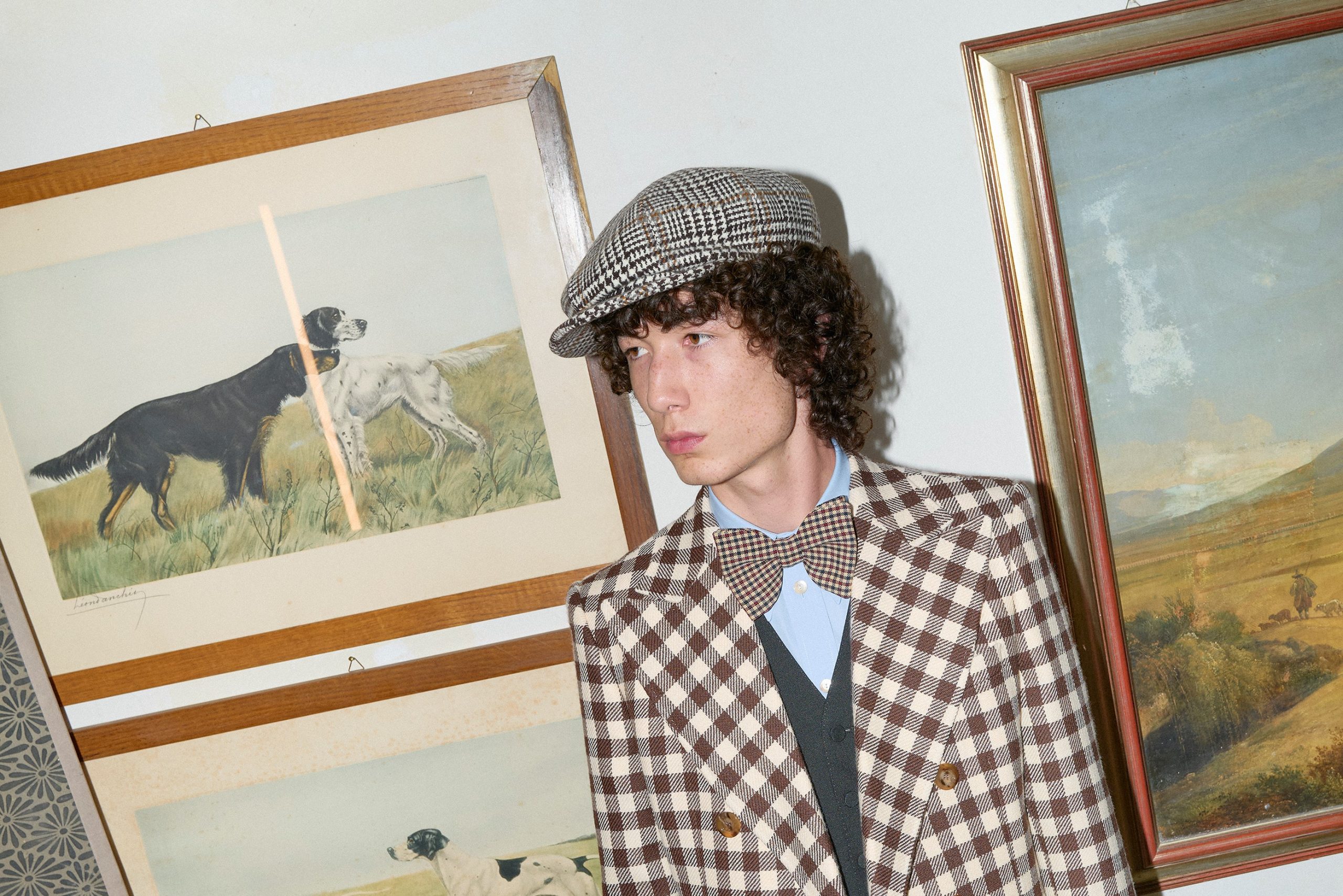
Industry analysts suggest that the brand is currently caught between two worlds: it is shedding its older, trend-focused identity but has not yet fully cemented its new status as a purveyor of understated "ultra-luxury." This "middle-ground" positioning has resulted in sluggish sell-through rates for new collections, even as the brand increases its marketing spend to support De Sarno’s vision.
Performance Across the Portfolio
While Gucci remained the primary source of downward pressure, the performance of Kering’s other "Houses" provided a mixed picture of the luxury landscape in early 2026.
Saint Laurent, often considered the most stable performer in the Kering stable, reported a marginal revenue decrease of 2%. The brand has managed to maintain its allure through a consistent aesthetic and a strong focus on high-margin accessories, but it was not entirely immune to the broader slowdown in the European and American wholesale markets.
Bottega Veneta emerged as a rare bright spot for the group, posting a 3% increase in revenue. The brand’s focus on artisanal craftsmanship and "stealth wealth" continues to appeal to the ultra-high-net-worth individual (UHNWI) segment, which remains less affected by macroeconomic fluctuations. Bottega Veneta’s success in the first quarter highlights a broader trend in the industry: brands that prioritize exclusivity and craftsmanship over high-volume, logo-centric products are currently outperforming their peers.
Conversely, the "Other Houses" category, which includes Balenciaga and Alexander McQueen, saw a collective revenue decline of 5%. Balenciaga continues its slow recovery following previous brand controversies, while Alexander McQueen is still in the early stages of a creative reset under new leadership. Kering Eyewear and Corporate remained a growth area, with the eyewear division benefiting from a robust licensing business and the integration of high-end acquisitions made in previous years.

Regional Breakdown and Macroeconomic Headwinds
The geographical distribution of Kering’s revenue in Q1 2026 reflects the uneven recovery of the global economy.
- Asia-Pacific: This region, which remains the most critical for Kering’s growth, saw a double-digit decline. The Chinese market, in particular, has shown signs of "luxury fatigue," with consumers shifting their spending toward domestic travel and experiential luxury rather than traditional retail goods.
- North America: Revenue in North America remained soft, declining by 7%. High interest rates and a cooling labor market have dampened the enthusiasm of the American aspirational shopper, a demographic that was instrumental in Gucci’s explosive growth between 2015 and 2021.
- Western Europe: Performance in Europe was relatively flat. While local demand remained stable, the lack of a significant rebound in high-spending Chinese tourists prevented the region from offsetting losses elsewhere.
Chronology of the Decline: A Three-Year Struggle
To understand the €3.5 billion figure reported in April 2026, it is necessary to look at the timeline of Kering’s strategic maneuvers over the last three years:
- Late 2023: Kering announces a major management shake-up, including the departure of long-time Gucci CEO Marco Bizzarri. The group signals a "new chapter" focused on brand elevation.
- Early 2024: Sabato De Sarno’s first collections hit stores. Initial reviews are positive but cautious. Kering warns of a "challenging" year ahead as it invests heavily in the transition.
- Mid-2025: Group revenue begins to stagnate. While competitors like LVMH and Hermès report modest growth, Kering’s margins begin to contract due to high marketing costs and lower sales volumes at Gucci.
- Late 2025: Kering issues a profit warning for the full year, citing a sharper-than-expected slowdown in China.
- April 2026: The Q1 results confirm that the "bottom" of the cycle may not have been reached yet, with a 6% revenue drop marking one of the group’s most difficult quarters in recent history.
Official Responses and Strategic Outlook
In a statement following the release of the Q1 results, Kering’s Chairman and CEO, François-Henri Pinault, emphasized a long-term perspective. "Our performance in the first quarter reflects a luxury market that is currently in a state of transition, as well as the specific evolution we are leading at our Houses, particularly Gucci," Pinault stated. "While the current environment is demanding, we are convinced that the strategy we have implemented—focusing on brand desirability, exclusivity, and the highest standards of craftsmanship—is the correct path for the long-term value of our brands."
Chief Financial Officer Armelle Poulou echoed these sentiments during a call with analysts, noting that the group is prioritizing "quality of revenue" over volume. She indicated that Kering would continue to streamline its wholesale distribution and focus on its direct-to-consumer (DTC) network, even if this resulted in short-term sales volatility.
Despite these assurances, market reaction was lukewarm. Shares in Kering fell by nearly 4% in early trading following the announcement, as investors expressed concern over the timeline for Gucci’s recovery. Analysts at major investment banks have pointed out that while the "elevation" strategy is theoretically sound, the execution is happening during a period of reduced consumer appetite, making the margin for error razor-thin.
Broader Impact and Implications for the Luxury Industry
Kering’s Q1 2026 results serve as a bellwether for the wider luxury industry. The data suggests that the "post-pandemic boom" is officially over, replaced by a "normalized" growth environment where brand heritage and exclusivity are the primary currencies.
One of the most significant implications is the widening gap between "mega-brands." While Hermès continues to see waiting lists for its iconic bags and LVMH benefits from its massive scale and diversification, Kering’s struggle highlights the risks of "single-brand dependency." The group’s reliance on Gucci to fund its broader ambitions has created a bottleneck; until Gucci stabilizes, Kering lacks the financial firepower to aggressively expand its smaller brands or pursue large-scale acquisitions.
Furthermore, the results suggest a permanent shift in the Chinese market. The era of explosive, double-digit growth in China appears to have been replaced by a mature market where consumers are more interested in "quiet luxury" and "investment pieces." For a brand like Gucci, which was built on high-visibility fashion and constant novelty, adapting to this new Chinese consumer is a generational challenge.
Conclusion: A Test of Patience
The €3.5 billion revenue reported by Kering for the first quarter of 2026 is a sobering reminder of the difficulties inherent in pivoting a multi-billion-euro brand. For Kering, the rest of 2026 will be a test of patience and financial discipline. The group must balance the need for heavy investment in brand marketing with the reality of declining sales, all while keeping increasingly nervous shareholders at bay.
As the fashion industry looks toward the second half of the year, the focus will remain squarely on Gucci’s ability to gain traction with its new collections. If the "Ancora" vision fails to ignite sales by the third or fourth quarter, Kering may face pressure to undergo further structural changes or reconsider its creative direction once again. For now, the group remains committed to its path, betting that the long-term allure of the "Double G" will eventually overcome the current macroeconomic and creative headwinds.