WAK TOK Architects Renovation of a Historic School Creates Harmony with Nature

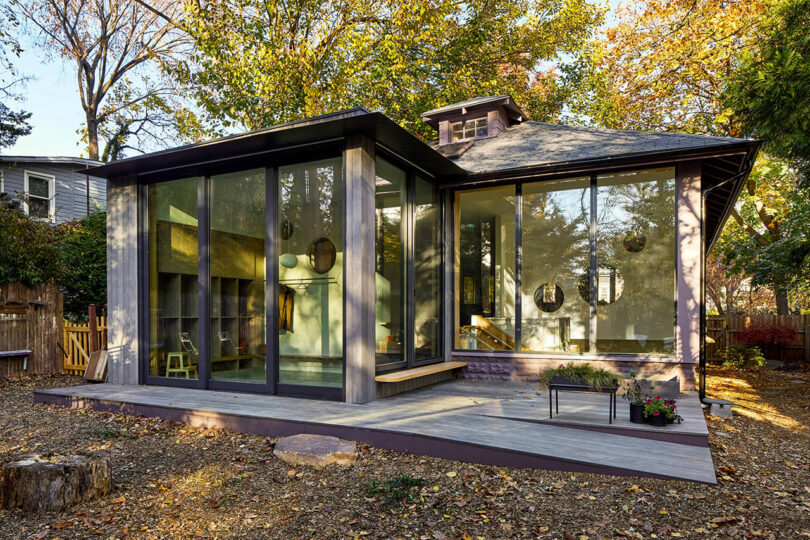
The successful renovation of any historic structure requires a delicate calibration between honoring the original architectural intent and implementing modern updates that serve contemporary inhabitants. This challenge is particularly acute when the building holds significant communal value, serving as a landmark for generations. In Takoma Park, Maryland, a local architectural firm, WAK TOK architects, has recently completed a transformative project that exemplifies this balance. By reimagining a 1920s bungalow that has served as an educational facility for over eight decades, the firm has created a space that integrates the built environment with the natural world, fostering a unique pedagogical atmosphere for its young students.

For more than 80 years, this particular structure has been a fixture in the Takoma Park neighborhood, a community known for its historic preservation and commitment to environmental stewardship. When WAK TOK architects, led by founder Wakako Tokunaga, was tasked with modernizing the schoolhouse, the primary objective was to maintain the residential charm of the original dwelling while radically improving its functionality and connection to the landscape. The project, titled "Outdoor-In," reflects a growing movement in educational design that prioritizes biophilic principles—the idea that humans possess an innate tendency to seek connections with nature and other forms of life.
Historical Context and the Evolution of the Takoma Park Bungalow
The structure at the heart of this renovation began its life as a classic 1920s bungalow, a style characterized by its modest scale, low-pitched roofs, and deep porches. In the early 20th century, these homes represented the American dream of suburban living, offering a "human-scale" environment that felt grounded and accessible. In Takoma Park—a city often referred to as "Azalea City" and recognized as a "Tree City USA"—the preservation of such residential character is a point of local pride.
Over the decades, the building transitioned from a private residence to a community-centric educational facility. For 80 years, it functioned as a nursery school, becoming a rite of passage for local families. However, as the decades passed, the limitations of the 1920s floor plan became evident. The basement was underutilized and dimly lit, and the interior spaces felt disconnected from the sprawling, tree-lined grounds that define the school’s "outdoor nursery" curriculum.
The renovation initiated by WAK TOK architects sought to address these deficiencies without erasing the building’s history. According to Tokunaga, the goal was to preserve the "warmth, sense of wonder, and connection to nature" that had defined the school for nearly a century. This required a surgical approach to demolition and a creative reimagining of vertical space.
Architectural Innovation: The "Outdoor-In" Strategy
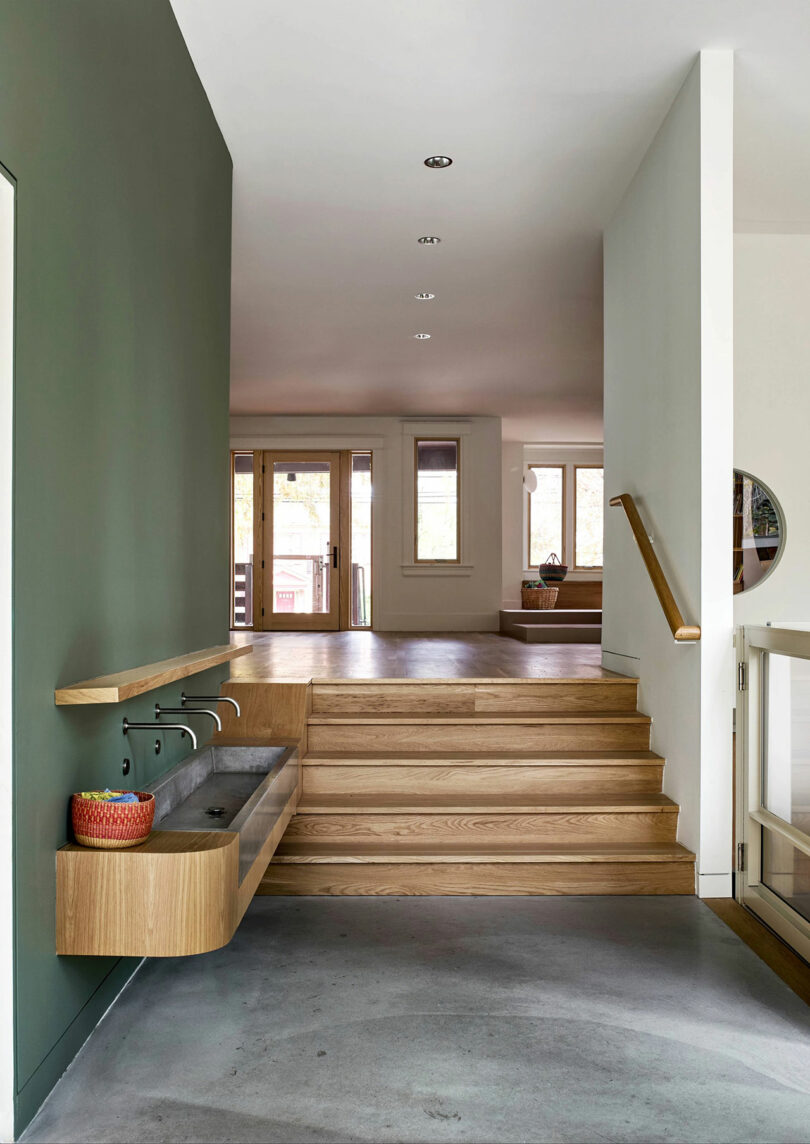
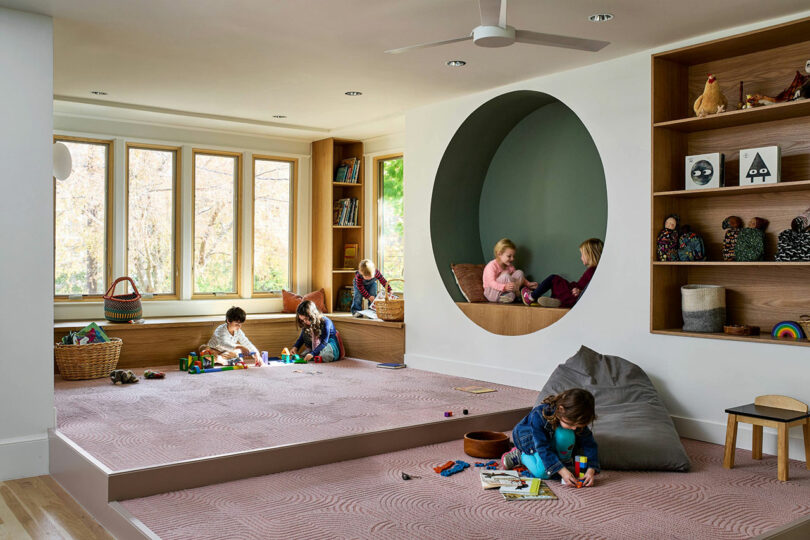
The defining feature of the renovation is the radical transformation of the building’s interior volume. To solve the issue of a "neglected basement," the architects chose to remove a significant portion of the first floor. This structural intervention created a sun-filled, double-height room that serves as the heart of the school. By opening the vertical space, the design allows natural light from the upper-level windows to penetrate deep into the lower levels, effectively turning what was once a dark cellar into a vibrant, airy environment for learning.
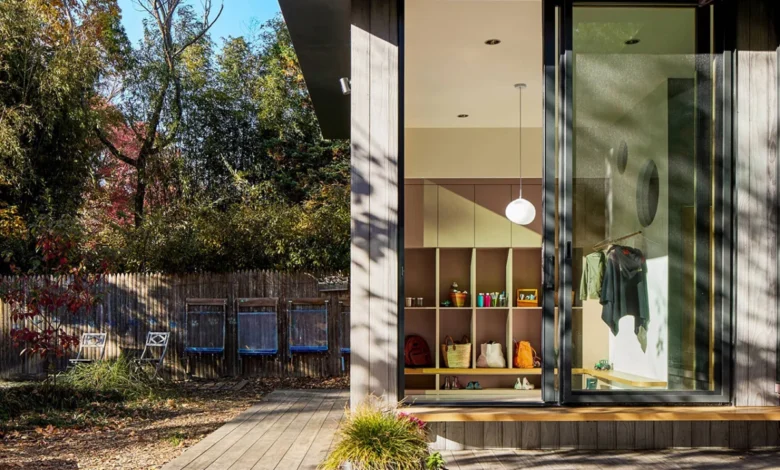
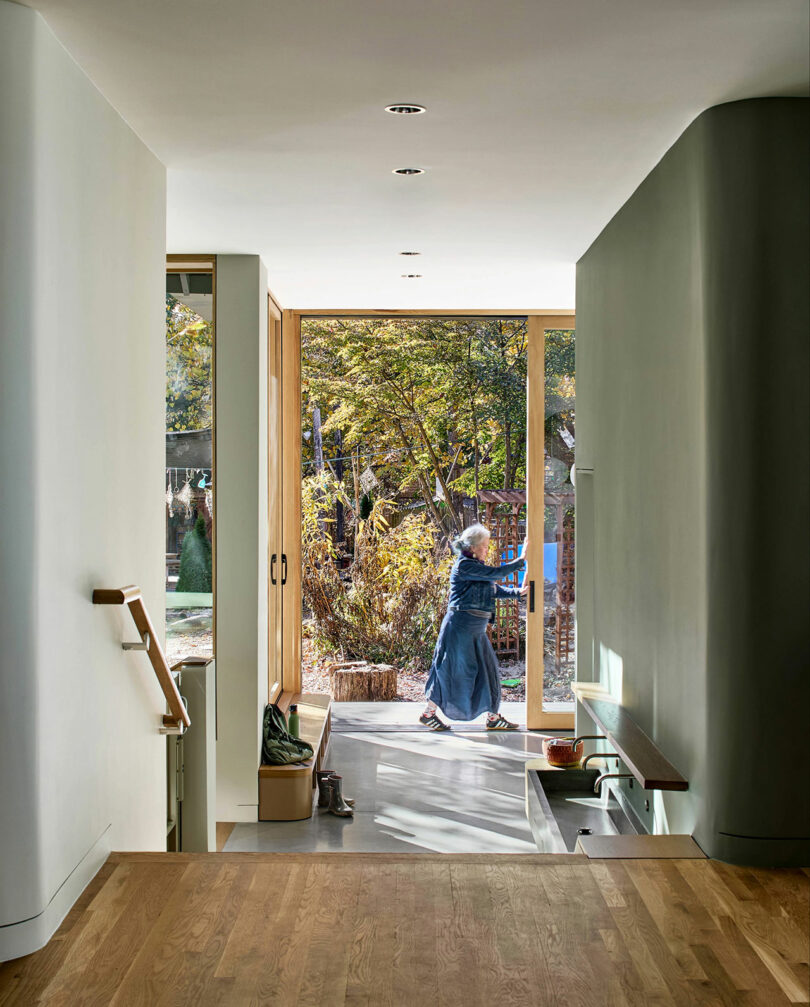
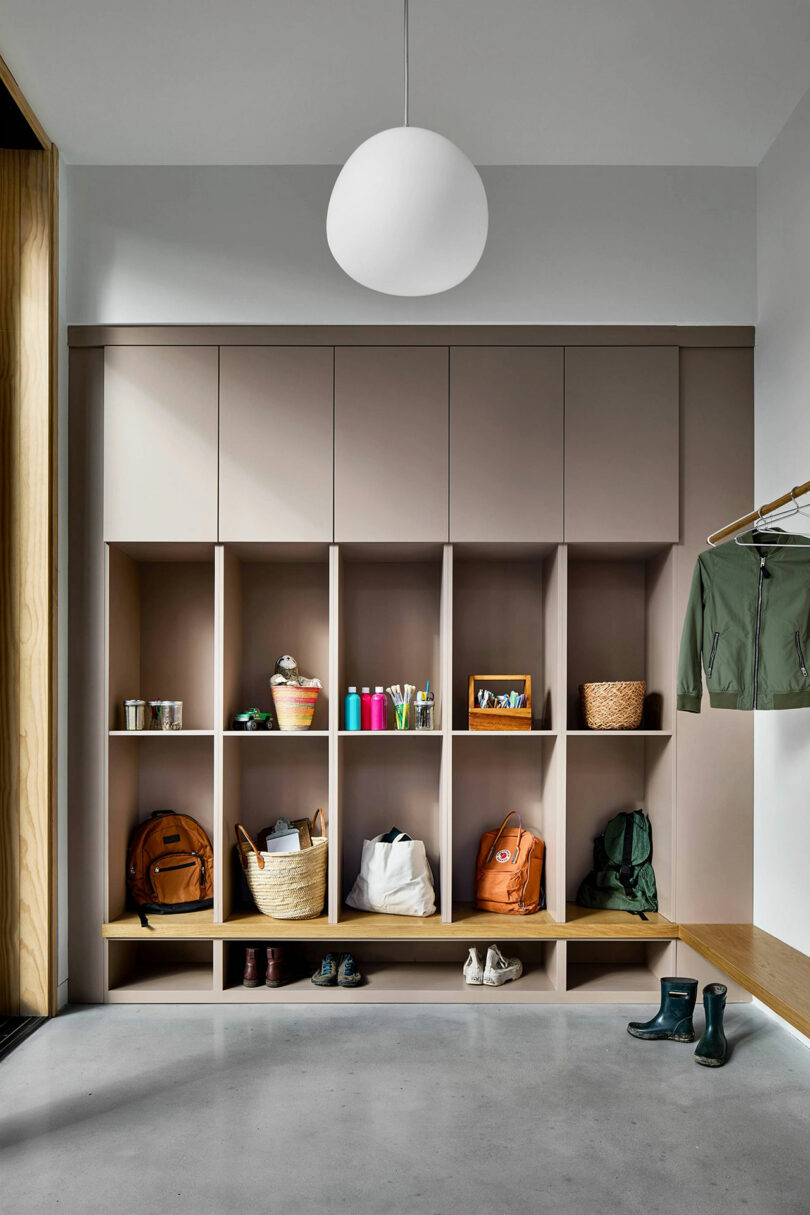
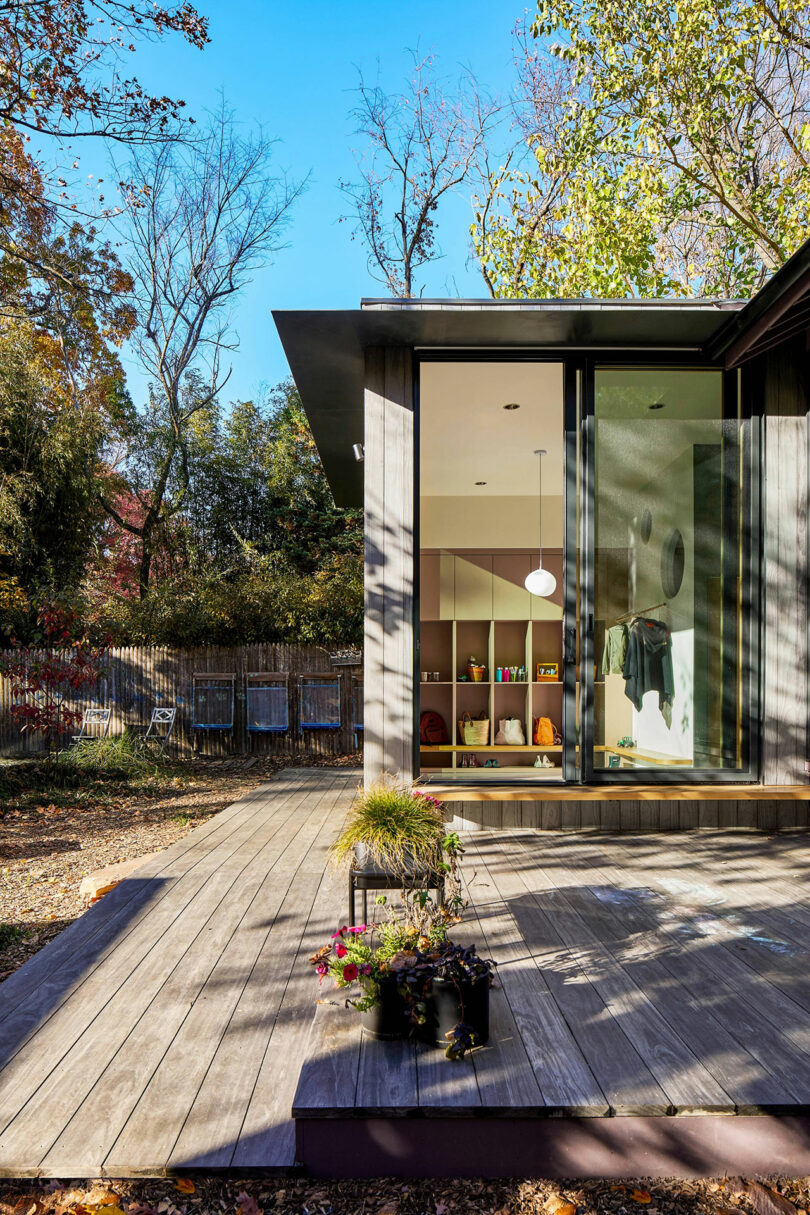
This double-height atrium does more than just provide light; it fosters a sense of connectivity between the different age groups and activities within the school. The "Outdoor-In" concept is further realized through the strategic placement of expansive glass walls. A central mudroom serves as the primary threshold between the interior and the exterior. This space is equipped with a large glass wall that opens fully, creating a seamless transition. For an outdoor nursery school where children spend a significant portion of their day exploring the landscape, this mudroom is essential. It features custom-built benches and cubbies designed specifically for child-sized proportions, facilitating the transition from "alfresco exploration" to indoor reflection.
Materiality and Environmental Stewardship
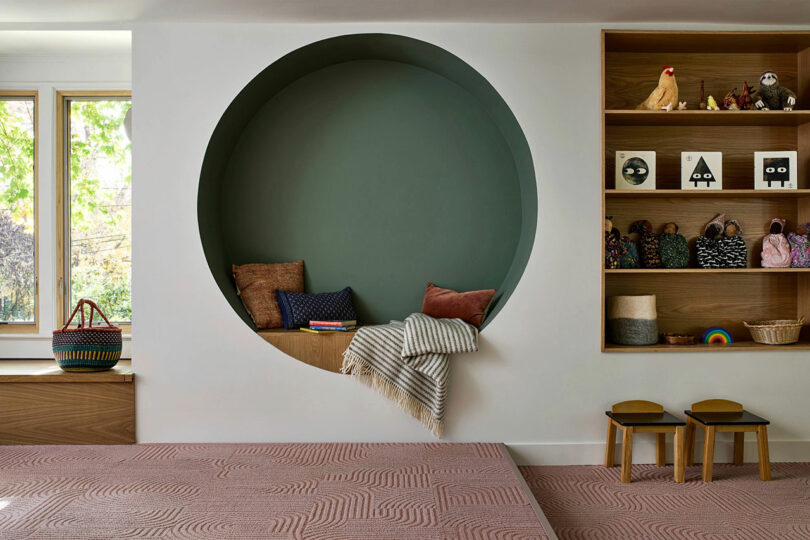
In alignment with the school’s ecological curriculum, the material palette for the renovation was selected with a rigorous focus on health, sustainability, and durability. The interior is dominated by oak finishes, which provide a warm, organic texture that complements the surrounding trees visible through the windows. This choice of wood is not merely aesthetic; it is a nod to the biophilic design goal of bringing natural elements indoors to reduce stress and improve cognitive function in students.
The flooring and utility areas utilize buffed concrete, a choice driven by practical necessity. Given the nature of an outdoor-focused school, the floors must withstand constant traffic from muddy boots and wet coats. Concrete provides a durable, low-maintenance surface that retains a modern, minimalist appeal. Furthermore, the architects integrated raised platforms for rest and play, which are finished with carpeting made from recycled and bio-based materials. This ensures that even the soft surfaces of the school contribute to a circular economy and minimize the presence of volatile organic compounds (VOCs).
The commitment to sustainability extends beneath the surface. WAK TOK architects implemented a high-efficiency HVAC system and significantly improved the building’s insulation. These upgrades have not only reduced the facility’s overall energy consumption but have also enhanced the "occupant well-being" by ensuring consistent air quality and thermal comfort. In an era where indoor air quality is a paramount concern for educational institutions, these technical improvements represent a critical investment in the health of the community.
Pedagogy and the Immersive Learning Environment
The architectural changes were designed to support a specific educational philosophy. At this Takoma Park facility, instruction is not limited to four walls. The renovation ensures that even when students are inside, they remain observers of the natural world. The classrooms now feature expansive views that allow children to witness the changing seasons—from the vibrant foliage of Maryland’s autumns to the stark beauty of winter and the blossoming of spring.
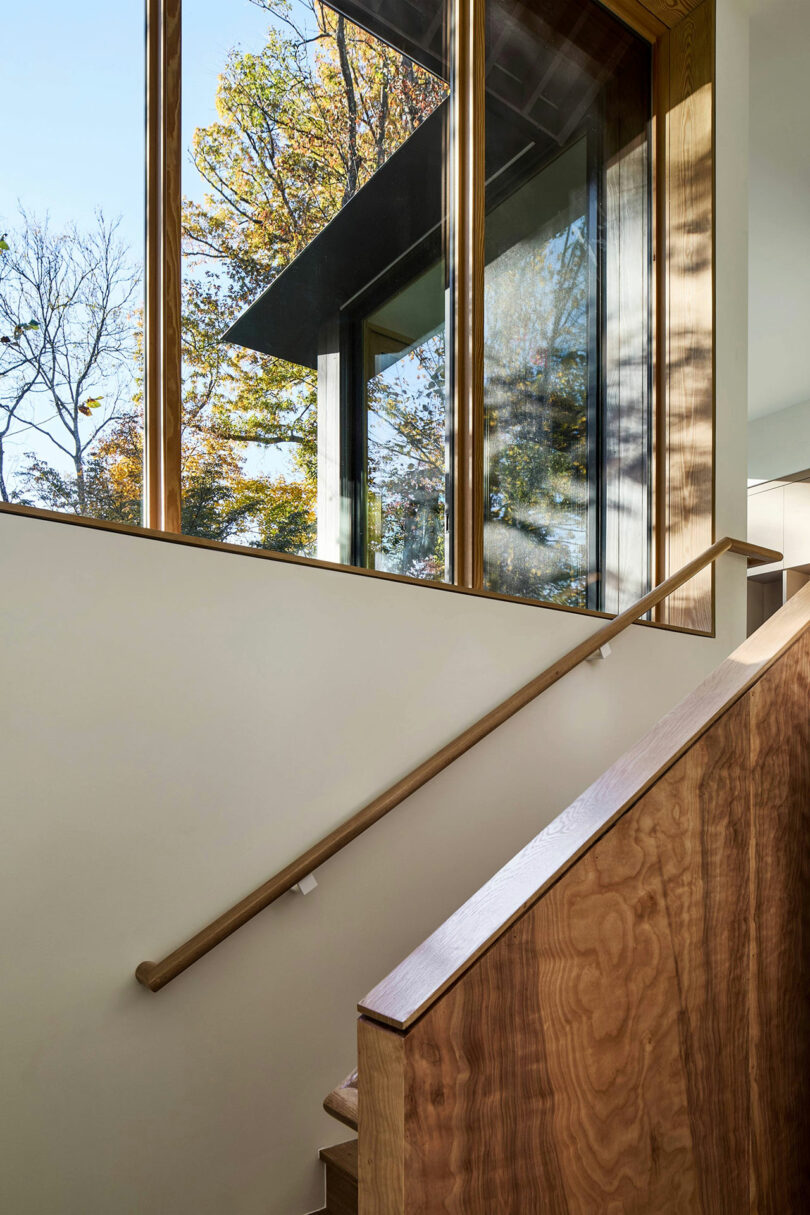
The placement of steps, windows, and transitional zones was carefully calculated to align with a curriculum that emphasizes ecological awareness. The building itself becomes a teaching tool. By moving through spaces that transition from enclosed to open, and from subterranean to sun-drenched, students develop a spatial awareness and a physical connection to the environment.
"The school has always felt like an extension of the home, both physically and emotionally," Tokunaga noted. By maintaining the bungalow’s residential scale while introducing modern transparency, the architects have successfully preserved the "domestic" comfort of the school while opening it up to the vast educational possibilities of the outdoors.
Broader Implications for Adaptive Reuse in Education
The WAK TOK architects project serves as a case study for the broader architectural community on the value of adaptive reuse. In many urban and suburban environments, the reflex is often to demolish older structures to make way for purpose-built, modern facilities. However, the Takoma Park schoolhouse demonstrates that preserving a "beloved" structure can yield results that are both emotionally resonant and functionally superior.
From a data perspective, adaptive reuse projects often have a lower carbon footprint than new construction, as they capitalize on the "embodied carbon" already present in the existing structure’s foundation and framing. By modernizing the 1920s bungalow rather than replacing it, the project saved significant resources and maintained the historical continuity of the streetscape.
Furthermore, the project highlights the shifting priorities in early childhood education. There is an increasing body of research suggesting that "nature-deficit disorder" can impact a child’s development, and that environments which facilitate "outdoor-in" learning can improve attention spans and emotional regulation. The Takoma Park renovation provides a physical blueprint for how architecture can mitigate these issues, even within the constraints of a traditional residential neighborhood.
Conclusion and Project Legacy
The completion of the "Outdoor-In" renovation marks a new chapter for this 80-year-old Takoma Park institution. Through the vision of WAK TOK architects and the photography of Stacy Zarin Goldberg, the project has gained recognition for its sophisticated simplicity and its profound respect for the relationship between children and their environment.
By removing the barriers between the classroom and the canopy, the firm has ensured that learning is "effortless, wherever it unfolds." The project stands as a testament to the idea that the most effective educational spaces are those that honor the past while looking resolutely toward a sustainable and nature-integrated future. As schools across the country look to update their aging infrastructure, the Takoma Park schoolhouse offers a compelling argument for the power of thoughtful, site-specific renovation.
Related posts: