The news comes at a pivotal time for the UK retail landscape, which continues to undergo significant consolidation. For Next, adding Radley to its portfolio would represent a strategic pivot toward higher-margin leather goods, a category that has shown remarkable resilience in the face of fluctuating consumer spending patterns. Radley, currently owned by the private equity firm Freshstream, has spent the last several years refining its international presence and digital footprint, making it an attractive target for a suitor with Next’s logistical prowess and massive customer database.
The Strategic Logic Behind the Potential Acquisition
Next’s interest in Radley is far from an isolated event; it is part of a calculated, decade-long evolution orchestrated by Chief Executive Lord Simon Wolfson. Under his leadership, Next has moved beyond selling its own-brand apparel to becoming a host and partner for dozens of global brands. The acquisition of Radley would fit perfectly into the "Total Platform" model, a service where Next manages the e-commerce, logistics, and back-end operations for third-party brands in exchange for a commission or an equity stake.
From a product perspective, Radley occupies a unique "affordable luxury" niche. Its handbags typically retail between £150 and £350, positioning it above fast-fashion accessories but below the high-end luxury houses of LVMH or Kering. This segment is particularly lucrative for Next, as it appeals to a loyal, slightly older demographic that prioritizes quality and brand heritage—a demographic that already constitutes a significant portion of Next’s 8-million-plus active credit customers.
Furthermore, the leather goods market offers distinct operational advantages over apparel. Handbags and wallets have lower return rates than clothing, which is plagued by sizing issues. In a retail environment where "returns culture" significantly erodes profit margins, expanding into accessories provides a more stable revenue stream with higher inventory turnover and lower logistical waste.
A History of Market Consolidation: The Next Timeline
To understand the significance of the Radley deal, one must look at the chronology of Next’s acquisitions over the past several years. The company has effectively become the "consolidator-in-chief" of the British high street, stepping in to rescue or partner with brands that possess strong equity but require operational modernization.
- 2020: The Victoria’s Secret Pivot: Next formed a joint venture with Victoria’s Secret to operate the brand’s UK and Ireland business, marking its first major move into high-profile brand management.
- 2021: Gap UK Partnership: Following Gap’s decision to close its physical stores in the UK, Next stepped in to manage the brand’s e-commerce and shop-in-shop presence.
- 2022: The Joules Rescue: After the heritage lifestyle brand Joules fell into administration, Next acquired the business in a £34 million deal, taking a 74% stake and migrating the brand to its Total Platform.
- 2023: Cath Kidston and FatFace: Next continued its spree by acquiring the brand name and intellectual property of Cath Kidston for £8.5 million. Later that year, it completed the acquisition of FatFace for £115.2 million, further diversifying its lifestyle offerings.
- 2024-2025: Strengthening Reiss: Next increased its stake in the premium fashion brand Reiss to 74%, cementing its dominance in the aspirational fashion sector.
- April 2026: The Radley Prospect: The current report indicates that Next is now looking to fill a specific gap in its portfolio: a dedicated, heritage-led leather goods specialist.
Radley London: A Brand Profile
Radley London was founded in 1998 by Lowell Harder, starting as a small stall in London’s Camden Market. The brand quickly gained a cult following for its colorful leather designs and its distinctive branding. By the mid-2000s, Radley had become a household name in the UK, distributed through major department stores like John Lewis and House of Fraser, as well as its own network of standalone boutiques.
In 2017, the private equity firm Freshstream acquired a majority stake in Radley. Under Freshstream’s ownership, the brand focused on international expansion, particularly in the United States and Asia, and invested heavily in its digital transformation. However, like many mid-market retailers, Radley has faced headwinds including rising raw material costs (leather prices), global supply chain disruptions, and the decline of the traditional department store model.
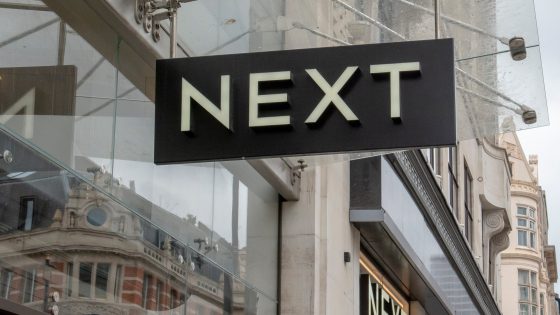
Despite these challenges, Radley’s brand health remains robust. Its "Scottie dog" charm remains one of the most recognized logos in British retail, and the brand has successfully expanded into footwear, watches, and travel accessories. For Next, the attraction lies in Radley’s "stickiness"—the ability to retain customers through multi-year product lifecycles and seasonal gift-giving.
Financial Data and Market Context
The potential deal is backed by Next’s formidable balance sheet. In its most recent annual report, Next Plc reported a pre-tax profit of over £900 million, defying broader retail trends that saw many competitors struggle with inflation. Next’s cash flow generation allows it to fund acquisitions through internal reserves rather than high-interest debt, a significant advantage in the current economic climate.
Market analysts estimate that Radley could be valued in the region of £80 million to £120 million, depending on the inclusion of its international wholesale contracts and its physical store lease obligations. While this is a relatively small transaction for a company of Next’s size, the strategic value is outsized.
Data from the British Retail Consortium (BRC) suggests that while clothing sales have seen volatile growth in 2025 and early 2026, the "personal luxury and accessories" category has remained a top performer. Consumers are increasingly adopting a "buy less, buy better" mentality, opting for one high-quality leather handbag over multiple synthetic alternatives. Next’s data-driven approach will likely identify exactly which segments of its existing customer base are already purchasing Radley products elsewhere, allowing for immediate cross-selling opportunities once the brand is integrated into the Next website.
Industry Reactions and Analyst Perspectives
While official statements from Next and Radley remain pending, industry analysts have been quick to weigh in on the implications of such a deal.
"Next is essentially building a retail ecosystem that is immune to the traditional boom-and-bust cycles of fashion," says Michael Henderson, a senior retail analyst at a leading London brokerage. "By acquiring Radley, they aren’t just buying a handbag company; they are buying a data set and a loyal customer demographic. When you plug a brand like Radley into the Next ‘Total Platform,’ you immediately strip out massive costs related to warehousing and distribution. The margin improvement is almost instantaneous."
Retail consultant Sarah Lloyd notes that this move could signal trouble for traditional department stores. "If Next continues to swallow up these heritage brands, they become the de facto department store of the digital age. If you can buy your Reiss suit, your FatFace casuals, and your Radley bag all in one Next checkout with next-day delivery to a local collection point, why would you go anywhere else?"
However, some voices in the industry urge caution regarding brand dilution. There is a risk that by becoming part of the "Next machine," niche brands might lose the unique personality that made them successful. Maintaining the "boutique feel" of Radley while scaling it through a mass-market platform will be the primary creative challenge for Next’s management team.
Broader Implications for the UK High Street
The potential acquisition of Radley by Next is emblematic of a broader trend: the "professionalization" of retail management. In the past, brands like Radley might have struggled through independent growth phases or fallen victim to overly aggressive private equity debt. Under the Next umbrella, these brands are given a second life powered by world-class technology.
This trend suggests a future where the UK high street is dominated by a few "super-groups." Much like LVMH and Kering dominate luxury, and Inditex dominates fast fashion, Next is positioning itself as the undisputed leader of the mid-market. For the consumer, this often means better availability, more reliable delivery, and more competitive pricing. For the retail industry, it means a survival of the fittest where operational scale is the only true defense against global giants like Amazon or Shein.
As of mid-April 2026, the retail sector awaits a formal announcement. Should the deal proceed, it will likely trigger a flurry of similar activity as other retailers scramble to consolidate their own positions. For now, the focus remains on Radley’s Scottie dog and whether it will soon find a new home within the sprawling, ever-growing kennel of Next Plc.
Conclusion and Future Outlook
If the acquisition is finalized, the immediate focus will be the migration of Radley’s digital operations onto the Total Platform. Customers can expect to see Radley products featured prominently on the Next website by the autumn/winter season of 2026. Furthermore, Next may look to introduce Radley shop-in-shops within its larger flagship stores, providing the brand with high-footfall physical space without the overhead of standalone leases.
The deal would also provide Radley with the capital necessary to accelerate its sustainability initiatives. With Next’s established ESG (Environmental, Social, and Governance) framework, Radley could more easily transition to audited, sustainable leather sourcing and carbon-neutral shipping—factors that are increasingly important to the modern consumer.
In the grander scheme of British business, Next’s pursuit of Radley confirms that the era of the "retail specialist" is giving way to the era of the "retail platform." Success in 2026 is no longer just about the product; it is about the infrastructure that delivers that product to the customer’s door. By eyeing Radley, Next is once again proving that it has its sights set not just on the next sale, but on the future of the industry itself.