Digital Edition: Ann Summers cuts staff safety incidents by 42% after body camera trial


The British high street has long been the frontline of a complex battle against retail crime, but recent data from Ann Summers suggests that technology may finally be turning the tide in favor of employee protection. Following a rigorous eight-week trial of body-worn camera technology, the specialized lingerie and adult-interest retailer has reported a staggering 42% reduction in staff safety incidents. This significant drop in verbal abuse, physical threats, and retail-related violence has prompted the company to initiate an immediate rollout of the technology across its network of high-risk stores, marking a pivotal shift in the brand’s operational security strategy.
The success of the pilot program comes at a time when the retail sector is grappling with an unprecedented surge in workplace hostility. For Ann Summers, a brand that prides itself on creating a safe and empowering environment for both customers and staff, the results of the trial represent more than just a statistical victory; they signal a necessary evolution in how brick-and-mortar businesses manage the intersection of public service and personnel safety.
The Rising Tide of Retail Crime in the United Kingdom
To understand the significance of the Ann Summers trial, one must first look at the broader landscape of the UK retail industry. According to the British Retail Consortium’s (BRC) 2024 Crime Survey, incidents of violence and abuse against retail workers have risen to more than 1,300 cases per day. This represents a significant increase from previous years, reflecting a post-pandemic shift in consumer behavior and an increase in organized retail theft.
The financial toll of these incidents is equally daunting. The BRC estimated that retail theft cost the industry approximately £1.8 billion in the last fiscal year alone. However, the human cost—manifested in psychological trauma, high staff turnover, and a general sense of insecurity among frontline workers—is what has driven retailers like Ann Summers to seek more aggressive preventative measures.
Ann Summers, which operates approximately 80 stores across the UK and Ireland, occupies a unique niche in the retail market. Its product range and brand identity often require staff to engage in highly personal consultations with customers. When these interactions are disrupted by aggressive individuals or organized shoplifting groups, the impact on staff morale and brand reputation can be profound.
Chronology of the Eight-Week Trial
The decision to implement body-worn video (BWV) technology was not made in isolation but followed a year-on-year increase in reported incidents across several of the brand’s urban locations. The trial was structured to test the efficacy of the cameras in diverse environments, ranging from high-traffic shopping centers to standalone high-street units.
Phase 1: Selection and Training (January – February 2026)
The company identified a cluster of stores classified as "high-risk" based on historical incident reports and local crime statistics. Before the cameras were switched on, staff underwent intensive training. This training focused not only on the technical operation of the devices but also on the legalities of recording, data privacy (GDPR) compliance, and de-escalation techniques that complement the presence of a camera.
Phase 2: The Eight-Week Implementation (February – April 2026)
During the trial period, designated staff members wore the cameras prominently on their uniforms. The devices were typically set to a "standby" mode, only being activated when a staff member perceived a growing threat or witnessed a crime in progress. The presence of the "front-facing" screen—which allows the aggressor to see themselves being recorded—was a key component of the deterrent strategy.
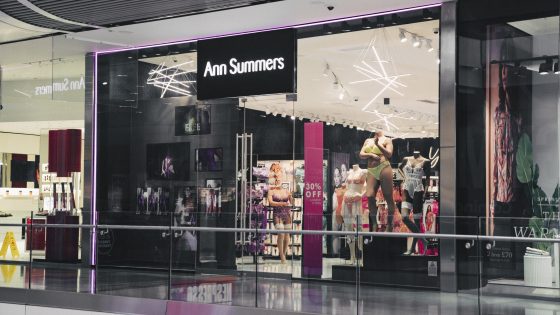
Phase 3: Data Analysis and Evaluation (Mid-April 2026)
Following the eight-week window, Ann Summers’ security and operations teams cross-referenced incident logs from the trial stores against historical data and control stores that did not use the cameras. The 42% reduction in safety incidents was the headline finding, but the qualitative data was equally compelling. Staff reported feeling more "empowered" and "supported" by the business, while the duration of aggressive encounters was significantly shortened.
The "Observer Effect" and Behavioral De-escalation
Psychologically, the success of body cameras in a retail setting is often attributed to the "observer effect"—the phenomenon where individuals modify their behavior in response to their awareness of being observed. In a high-tension retail encounter, the activation of a camera serves as a "digital witness," often forcing a belligerent individual to reconsider their actions due to the immediate threat of evidence collection.
Security experts note that for retailers like Ann Summers, the cameras serve three primary functions:
- Deterrence: The visible presence of the device prevents many incidents from starting.
- De-escalation: If an incident begins, the act of turning on the camera often lowers the temperature of the confrontation.
- Evidence: If a crime or assault occurs, the high-definition footage provides the police with irrefutable evidence, increasing the likelihood of successful prosecution.
The data from the Ann Summers trial suggests that the "deterrence" and "de-escalation" factors were the most significant contributors to the 42% drop in incidents. Many would-be offenders chose to leave the premises rather than be captured on film, while verbal disputes that previously might have escalated into physical threats were neutralized more quickly.
Supporting Data and Financial Implications
Beyond the primary 42% reduction figure, the trial revealed several secondary benefits that impact the company’s bottom line. Retailers using BWV technology often see a reduction in "shrinkage" (the loss of inventory due to theft). While Ann Summers has not released specific figures regarding theft reduction during the trial, industry benchmarks suggest that body cameras can reduce stock loss by as much as 15% to 20% in high-risk zones.
Furthermore, there is a clear correlation between staff safety and operational costs. High levels of workplace violence lead to increased sick leave, higher recruitment and training costs due to staff turnover, and potential legal liabilities. By investing in body cameras, Ann Summers is effectively engaging in a "preventative spend" strategy designed to stabilize its workforce and reduce the long-term costs associated with retail crime.
Official Responses and Industry Reaction
While official statements from the executive board emphasize the welfare of the "store stars" (the brand’s term for its retail employees), the move has also been welcomed by retail unions. The Union of Shop, Distributive and Allied Workers (USDAW) has long advocated for better protection for retail staff, frequently calling for the government to make abuse against shop workers a specific, standalone offense.
"We welcome any initiative that puts the safety of our members first," a retail safety analyst noted in response to the Ann Summers report. "The 42% reduction seen by Ann Summers is a powerful testament to the fact that when technology is deployed thoughtfully and with proper staff training, it can act as a massive shield for those working on the front lines of the high street."
Management at Ann Summers indicated that the feedback from the store teams was a deciding factor in the decision to expand the program. Store managers reported that the cameras helped to "clear the air" in stores that had previously been plagued by repeat offenders, allowing the staff to focus on customer service rather than constant surveillance and self-defense.

Broader Impact and Future Implications for the Retail Sector
The success of the Ann Summers trial is likely to accelerate a trend that is already gaining momentum across the UK. Major retailers like Tesco, Sainsbury’s, and the John Lewis Partnership have all experimented with or fully implemented body-worn cameras in recent years. However, the Ann Summers data is particularly striking due to the specialized nature of its retail environment.
As more retailers adopt this technology, several implications emerge for the future of the high street:
1. Standardization of Security Kits: Body cameras may soon become as standard as point-of-sale systems or anti-theft tags. The integration of these cameras with store-wide CCTV and "headset" communication systems creates a comprehensive security ecosystem.
2. Legal and Privacy Evolution: The widespread use of cameras in retail stores will continue to test the boundaries of privacy laws. Retailers must remain transparent about their data usage, ensuring that footage is only used for security purposes and is deleted after a set period if no incident is recorded.
3. Police Cooperation: With high-quality video evidence becoming more readily available, the pressure will shift to local police forces to act on the footage. The "Retail Crime Action Plan," recently backed by the UK Home Office, aims to ensure that police prioritize attendance at retail crime scenes where a person has been detained or where there is clear video evidence.
Conclusion: A Safer Future for Ann Summers
The announcement that Ann Summers will roll out body cameras to additional high-risk stores is a clear signal that the company views the safety of its employees as a non-negotiable priority. By achieving a 42% reduction in incidents in just eight weeks, the brand has demonstrated that the tide of retail crime can be stemmed through a combination of technology, training, and a proactive corporate culture.
As the program expands, the retail industry will be watching closely to see if these results can be sustained over the long term. For now, the staff at Ann Summers can look forward to a working environment where the "digital witness" on their uniform provides the security they need to perform their roles with confidence. In the challenging landscape of 2026 retail, such a significant improvement in safety is not just a corporate success—it is a vital step toward reclaiming the high street as a safe space for everyone.