The Museum Rietberg in Zurich presents a compelling new exhibition, "A Kind of Paradise – Colonial-Era Photography in Contemporary Art," which delves into the powerful ways contemporary artists are engaging with, and critically reinterpreting, archival images from the colonial era. Inspired by Chimamanda Ngozi Adichie’s seminal TED Talk, "The Danger of a Single Story," the exhibition champions a multiplicity of perspectives, bringing together twenty artists from the Global South and its diaspora. These artists are not merely observers of the past but active participants in its reconstruction, employing archival photographs as raw material for critique, reclamation, and reimagining.
Curated by Nanina Guyer, Head of Photographic Archive and Curator of Photography at Museum Rietberg, the exhibition aims to showcase a global phenomenon of artists re-examining historical photographic archives, a practice that has not been comprehensively presented in a single exhibition until now. Guyer states in the accompanying exhibition catalogue, "Through repair, correction and reinvention, the artists subvert familiar narratives and recalibrate our view of the past. Their works form a visionary cosmos that overwrites colonial visual logics and regimes of visuality, opening up a space for previously unheard narratives. From the depths of the past, the artists’ focus remains firmly on the future." This forward-looking approach is central to the exhibition’s ethos, demonstrating how the past can be a fertile ground for envisioning new futures.
The exhibition is meticulously structured into four thematic sections, each exploring a distinct yet interconnected approach to engaging with colonial-era photography. These sections offer a nuanced understanding of the diverse strategies employed by the featured artists.
Shapeshifters: Reconfiguring the Archival Image
The first chapter, "Shapeshifters," highlights artists who are fundamentally transforming the form and content of archival images. This involves reinterpreting what these photographs depict, what they conceal, and critically, filling in the silences with counter-archives. These artists challenge the fixed nature of historical images, imbuing them with new meanings and contexts.
An example of this approach can be seen in the work of Dinh Q. Lê, whose installations utilize family photographs left behind by those fleeing Ho Chi Minh City in 1978. Lê crafts intricate structures, reminiscent of mosquito nets, from these salvaged prints. These nets served as vital protection for refugees, including Lê and his family, during their perilous journeys to safety. His work transforms personal mementos into powerful metaphors for resilience and displacement, recontextualizing the intimate within a broader narrative of migration and survival.
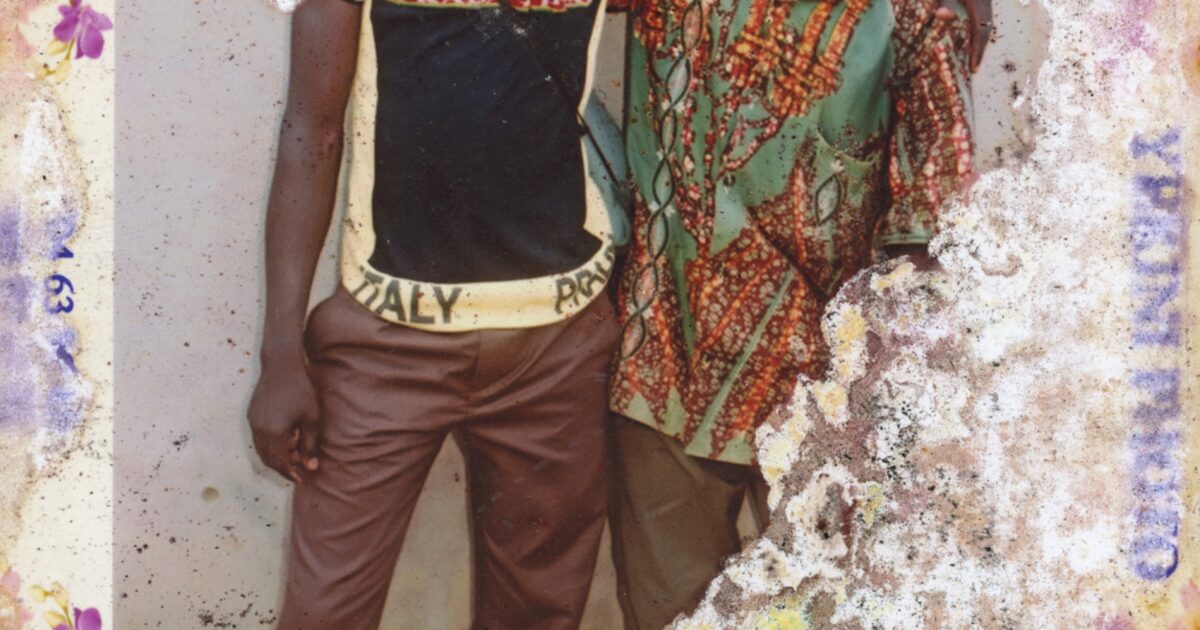
Another artist featured in this section is Cédric Kouamé, whose practice involves collecting photographs from Ivory Coast. These images, often produced by professional studios, are now succumbing to the region’s humid climate, leading to their disintegration. Kouamé’s engagement with these decaying photographs raises profound questions about the very nature of photographic attempts to capture and preserve time. His work also prompts critical reflection on the practices of museum preservation and archiving, highlighting the inherent fragility of physical media and the subjective processes involved in selecting what endures.
Confrontation: Deconstructing Stereotypes and Power
The "Confrontation" section delves into artistic practices that directly challenge and dismantle the pervasive racist and stereotypical tropes embedded within colonial photography. Artists in this segment often employ satire, humor, and their own bodies to destabilize these established visual narratives, reclaiming agency and subverting the colonial gaze.
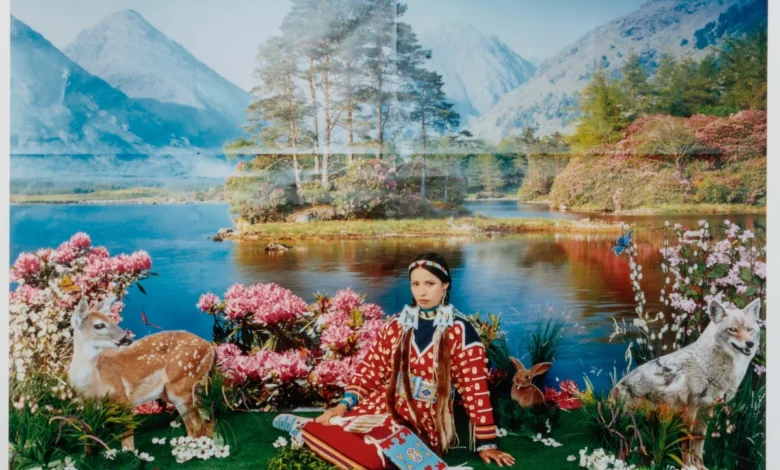
Wendy Red Star, a member of the Apsáalooke Nation, exemplifies this through her work that playfully interrogates and dismantles stereotypes of Indigenous North Americans as stoic, timeless figures intrinsically connected to nature. Red Star constructs elaborate dioramas, complete with artificial grass and inflatable deer, and then positions herself within these staged environments. By inserting her contemporary presence into these artificial historical settings, she critically exposes the constructed nature of colonial representations and asserts her own multifaceted identity.
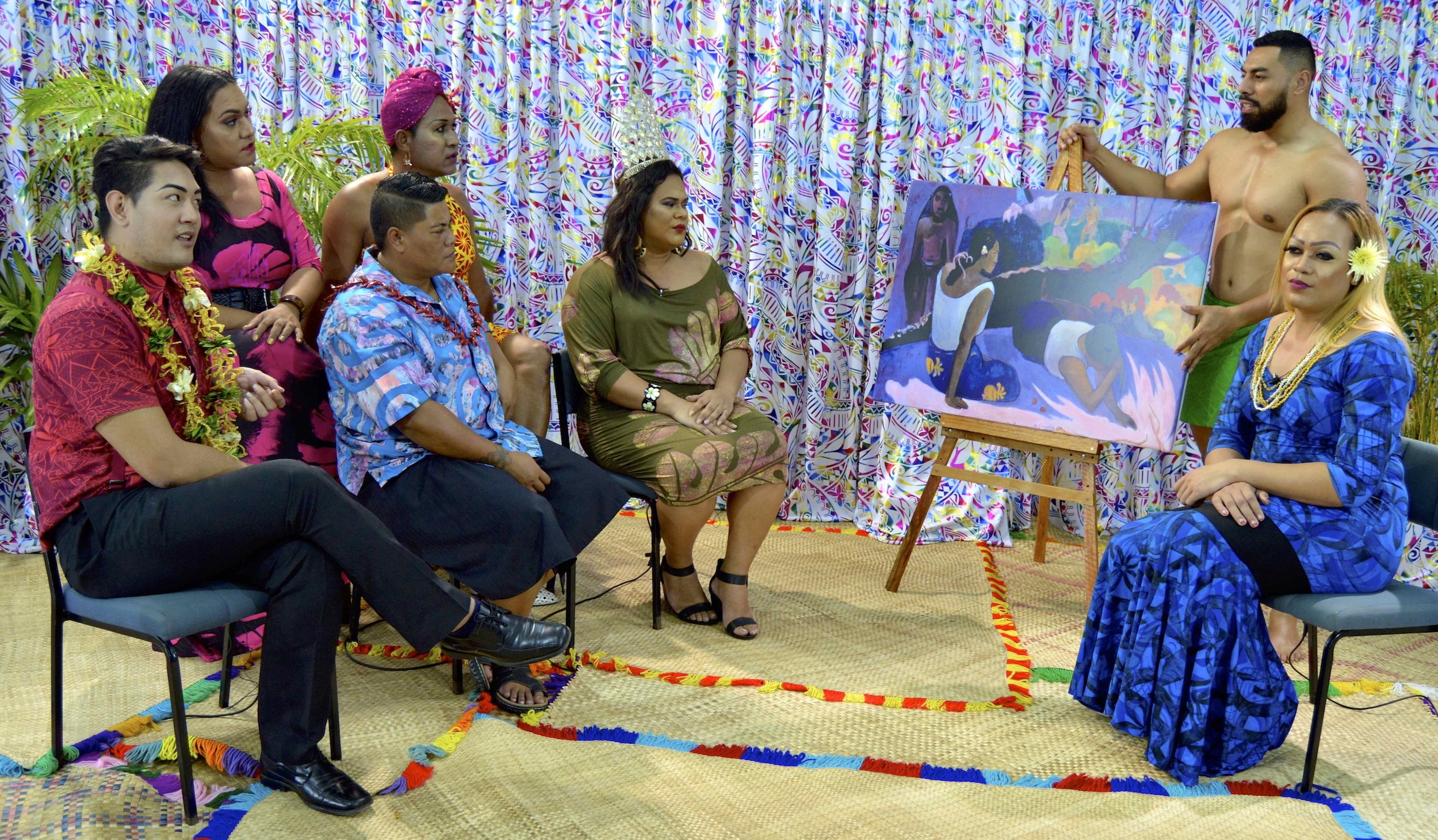
Samoan trans artist Yuki Kihara also contributes significantly to this section. Kihara reimagines the exoticized and eroticized depictions of Polynesian women, famously rendered by artists like Paul Gauguin. Through a clever pastiche of a television talk show, Kihara creates a platform for queer individuals to discuss these problematic paintings and engage in a vital dialogue about gender politics and representation. Her work directly confronts the legacy of colonial gaze and its impact on the perception of Pacific Islander women.
Care: Reclaiming Dignity and Redressing Historical Wrongs
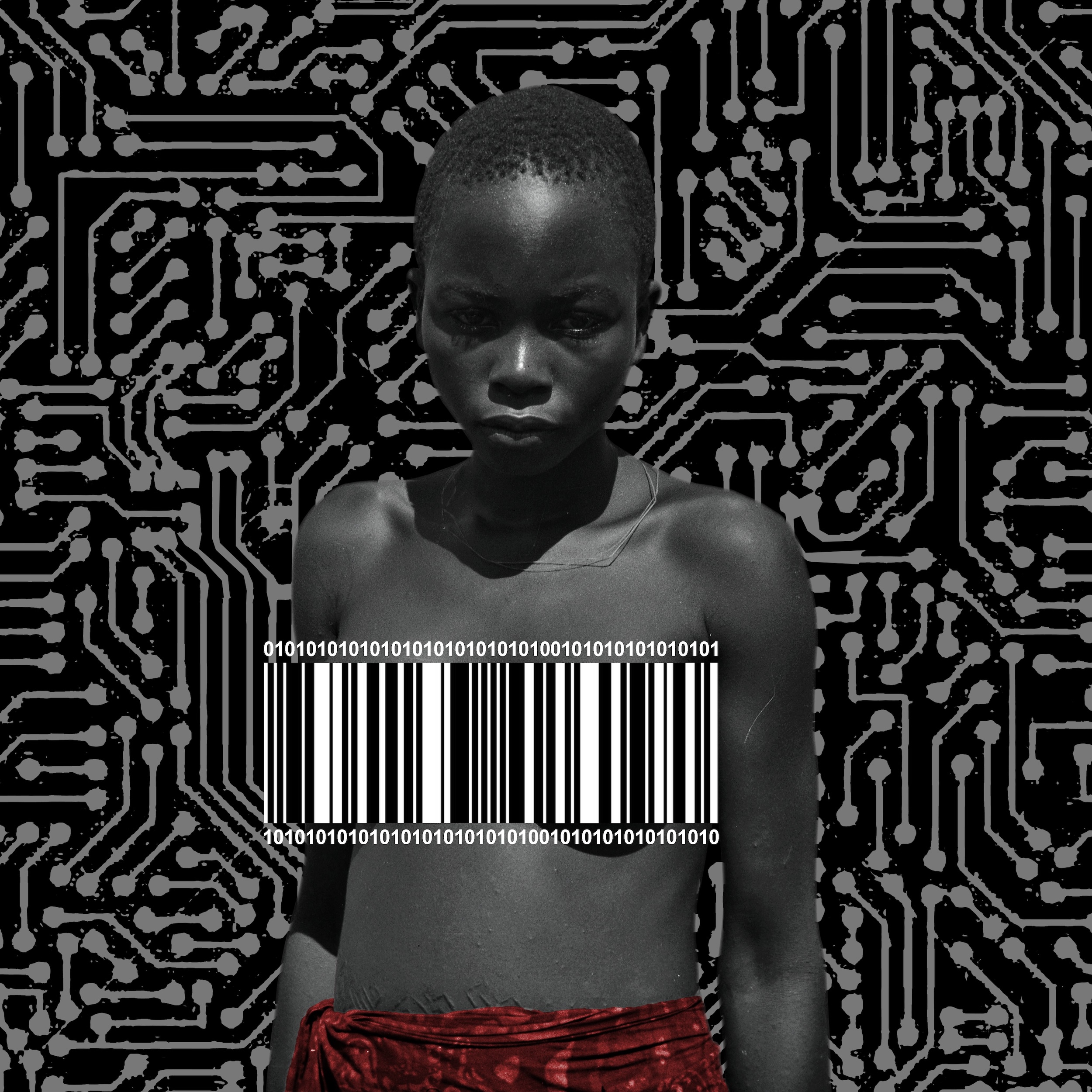
The "Care" chapter focuses on artists who seek to honor and protect the individuals captured in archival images, aiming to shield them from the exploitative colonial gaze and to offer a form of redemption for the historical horrors of colonialism and enslavement. This section emphasizes empathy and the ethical responsibility of re-presenting these subjects with dignity.
Sasha Huber’s powerful series, "Tailoring Freedom," is a cornerstone of this section. Huber reclaims images originally organized in the 19th century by Louis Agassiz, which depicted enslaved individuals in a state of undress. In a profound act of reclamation, Huber "dresses" these figures in outfits inspired by abolitionist leaders Frederick Douglass and Harriet Tubman. Her method of attachment, using staples, expresses a fierce fury and a piercing critique of the original photographic framing. Huber has expanded this series with new works created from photographs Agassiz commissioned in Brazil, demonstrating an ongoing commitment to addressing these historical injustices.
Foto Fantastic: Speculative Futures and Critical Fabulation
The final chapter, "Foto Fantastic," ventures into the realm of critical fabulation and speculative art. Here, artists employ imaginative strategies to create alternative histories and futures, often drawing inspiration from marginalized or suppressed narratives. This section celebrates the power of artistic imagination to fill the gaps left by dominant historical accounts.
Andrea Chung’s installation, inspired by the Afrofuturist myths of Drexciya – a mythical underwater kingdom created by the children of enslaved pregnant women thrown overboard during the Middle Passage – is a notable contribution. Chung utilizes images of Black women within her installation, releasing ultra-fine salt particles into a display case. This ephemeral covering serves as a protective, albeit temporary, veil, referencing the imagined aquatic realm and offering a symbolic shield against historical trauma. Guyer notes that artists like Chung "reimagine these photographs as sources of creativity and strength, using critical and imaginative strategies to fill gaps in historiography."
A Global Dialogue on Colonial Archives
Nanina Guyer, a seasoned curator with extensive experience in photographic archives, conceptualized "A Kind of Paradise" to address what she identified as a significant lacuna in the art world: a comprehensive exhibition dedicated to the global phenomenon of artists re-examining colonial-era photography. Her initial longlist of potential artists comprised around fifty individuals, underscoring the breadth and depth of this artistic movement. The selection process, which spanned two to three years, prioritized artists who not only engaged with the historical narratives embedded in these images but also critically examined the medium of photography itself.
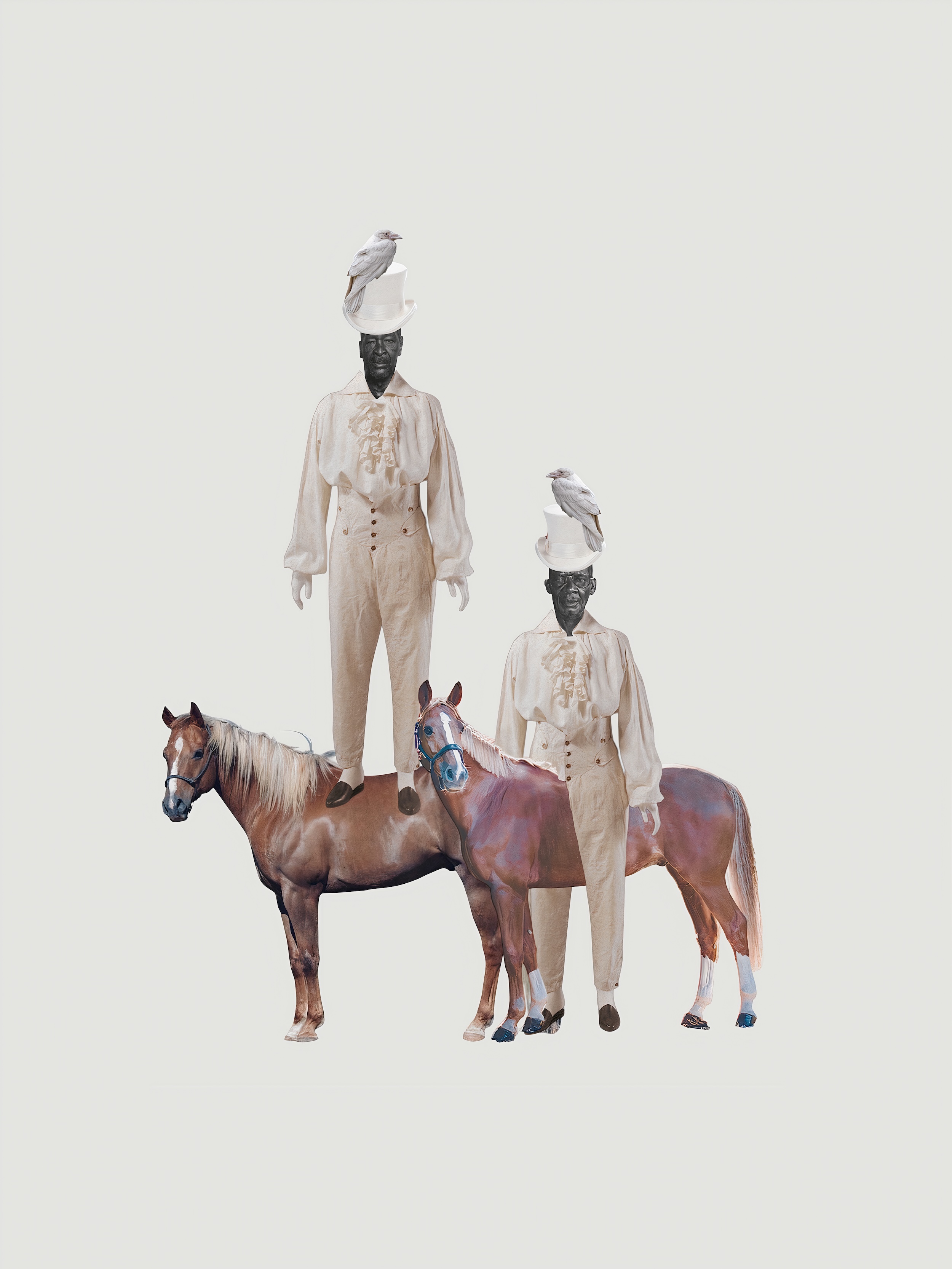
Guyer emphasizes that many of these artists do not work within a classical definition of photographic art. Instead, their practice involves transforming and expanding the very notion of what photography can be, challenging established visual power structures. "What these artists do is transform and expand the notion of photography, and question visual regimes of power," she states. This redefinition is crucial, moving beyond mere depiction to active interrogation and reappropriation.
The exhibition’s deliberate framing of "colonial-era" rather than simply "colonial" photographs is a strategic choice that allows for the inclusion of artists working with personal or family archives that might have originated during that period, even if not explicitly commissioned by colonial powers. This inclusive approach broadens the scope of the exhibition and acknowledges the multifaceted ways individuals and communities interact with their photographic past.
Engaging with the Museum’s Collection
"A Kind of Paradise" also incorporates photographic works from the Museum Rietberg’s own collection, carefully selected in collaboration with the exhibiting artists. This integration highlights the museum’s commitment to a more dialogical approach to its holdings, moving away from traditional, often hierarchical, juxtapositions.
Guyer engaged in extensive deliberation regarding how to present these archival materials without perpetuating colonial hierarchies or imposing undue burdens on the represented communities. She invited three artists – Tuli Mekondjo, Raphaël Barontini, and Sasha Huber – along with art historians Sandrine Colard and Sophie Junge, to the museum to discuss how they wished to engage with the collection.
"I knew what we shouldn’t do was just juxtapose the artistic works with the original photographs," Guyer explains. "That wouldn’t say anything. So instead we invited artists here, to discuss how to talk about this hidden history without giving the burden to the Black body. This dialogue was very productive."
Following these discussions, and at the suggestion of Sandrine Colard, the decision was made to present landscape photographs from Congo and Sumatra. These images, often devoid of human figures, represent regions historically exploited for their resources and labor. By presenting these seemingly empty landscapes, the exhibition aims to provoke contemplation about what these historical images failed to capture and the narratives that were deliberately omitted.
The collaborative process proved fruitful, with five artists expressing a desire to create new artworks specifically for the exhibition. Notably, Tuli Mekondjo and Andrea Chung expressed a keen interest in working directly with the Museum Rietberg’s collection, a testament to the exhibition’s success in fostering creative engagement with archival materials. Guyer underscores the importance of the artists’ initiative, stating, "for me it was important that the impetus came from them."
Broader Implications and Future Directions
The exhibition "A Kind of Paradise" represents a significant contribution to the ongoing discourse surrounding post-colonial art and the critical re-examination of historical visual archives. By foregrounding artists from the Global South and its diaspora, the exhibition challenges Western-centric narratives and offers vital alternative perspectives on colonial history.
The artists’ innovative approaches—from digital manipulation and re-staging to the creation of speculative narratives and physical interventions—demonstrate the dynamic potential of contemporary art to engage with complex historical legacies. They are not simply critiquing the past but actively shaping its interpretation for future generations, emphasizing that the act of looking at historical images is never neutral.
The exhibition’s success in fostering new artistic creation and encouraging artists to engage with museum collections points towards a model for more inclusive and collaborative museum practices. As these artists continue to deconstruct and reconstruct the visual archives of the past, they are not only revealing hidden histories but also forging new pathways for understanding and healing. The exhibition serves as a powerful reminder that reclaiming the narrative is an essential step towards a more equitable and nuanced understanding of our shared global history. The Museum Rietberg’s initiative, by providing a platform for these vital conversations, offers a glimpse into a future where colonial-era imagery can be transformed from instruments of oppression into catalysts for liberation and self-determination.
Related posts: