US clothing sales inch up in March despite sinking consumer sentiment

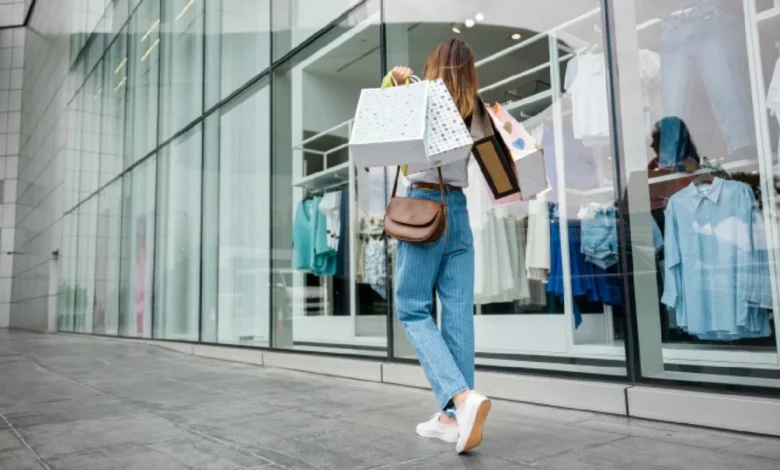
US retail sales, including clothing, rose for the sixth consecutive month in March 2026, as higher-than-average tax refunds helped offset increased petrol prices linked to the conflict in the Middle East. Despite a noticeable dip in consumer sentiment, a key economic indicator, the apparel sector demonstrated resilience, posting a 0.57% month-over-month increase in sales, seasonally adjusted. This continued upward trend, spanning over half a year, suggests a persistent, albeit cautious, consumer willingness to spend on essential and discretionary items, with clothing and accessories emerging as particular bright spots.
The broader retail landscape mirrored this positive momentum. According to data from the CNBC/NRF Retail Monitor, nearly all retail sectors experienced year-on-year growth in March. Clothing stores, alongside sporting goods stores and health and personal care stores, were at the forefront of this expansion, indicating a diversified consumer spending pattern. Specifically, clothing and accessories outlets not only achieved a healthy 0.57% month-on-month gain but also recorded an impressive 10.89% surge compared to March 2025. This substantial annual growth suggests a significant rebound or sustained demand in the apparel market over the past year.
Similarly, shops specializing in sporting goods, hobbies, music, and books also saw positive movement, with a 0.4% rise in monthly sales and a 10.88% increase from the previous year. These figures, while slightly lower than those for apparel, still point to a robust performance across several key consumer spending categories.
Broader Retail Performance and Economic Context
The CNBC/NRF Retail Monitor’s analysis, which excludes vehicle dealerships and fuel stations to provide a clearer picture of consumer spending on goods, revealed a 0.4% seasonally adjusted increase in retail sales for March compared to February. On an unadjusted basis, this represents a 6.59% growth over the same month in 2025. This sustained growth follows a modest 0.28% month-on-month increase and a 6.24% year-on-year rise observed in February 2026, indicating a consistent, albeit moderate, expansion in the retail sector.
Further refining the data, core retail sales, which exclude not only car dealers and petrol stations but also restaurants, showcased an even stronger performance. In March, core sales climbed by 0.41% month-on-month and an impressive 7.05% annually. This compares favorably to February’s core sales, which were up 0.27% from the previous month and 5.87% year-over-year, highlighting a growing consumer inclination towards non-essential goods and services beyond immediate needs.
First Quarter Review and Consumer Sentiment Dynamics
The positive performance in March capped off a solid first quarter for the retail industry. Total retail sales for the first three months of 2026 were up by 6.18% compared to the same period in the previous year. Core sales also demonstrated robust growth, reporting a 6.14% increase. This cumulative performance underscores the resilience of consumer spending in the face of prevailing economic headwinds.
However, this upward trend in sales occurs against a backdrop of significant challenges, most notably a decline in consumer sentiment. Consumer sentiment, a critical measure of how optimistic individuals feel about their personal finances and the overall economy, had reached record lows in the preceding months. This juxtaposition – rising sales amidst falling confidence – presents a complex economic picture.
The Role of Tax Refunds and Inflationary Pressures
The primary driver behind the March sales surge appears to be the disbursement of tax refunds. The National Retail Federation (NRF) highlighted that higher-than-average tax refunds provided a crucial boost to household budgets. These refunds, often a significant source of discretionary income for many Americans, helped to cushion the impact of rising prices, particularly at the pump.
The conflict in the Middle East, which began escalating in late 2025, led to a notable increase in global oil prices. This, in turn, translated to higher petrol prices in the US, impacting household transportation costs and contributing to overall inflationary pressures. The Consumer Price Index (CPI) had shown a concerning upward trend, reaching its highest rate in two years by early 2026. This inflationary environment typically erodes purchasing power and can lead consumers to cut back on non-essential spending.
Expert Analysis and Retailer Strategies
Matthew Shay, President and CEO of the NRF, commented on the March retail figures, emphasizing the dual forces at play: "Retail sales grew for a sixth consecutive month in March as the first wave of tax refunds offset higher gas prices resulting from the conflict in the Middle East. Despite record-low consumer sentiment and the highest inflation rate in two years, consumers continued to spend on household priorities. As consumers focus on costs, retailers remain laser-focused on keeping prices competitive and affordable.”
Shay’s statement points to a strategic imperative for retailers. In an environment characterized by cautious consumers and rising costs, the ability to offer competitive pricing and maintain affordability becomes paramount. Retailers are likely employing a range of strategies to attract and retain customers, including promotions, loyalty programs, and a focus on value-driven product assortments. The emphasis on "household priorities" suggests that consumers are being discerning with their spending, prioritizing essential items and those offering demonstrable value.
Implications for the Apparel Sector
The strong performance of the clothing and accessories sector, in particular, warrants further examination. Several factors could be contributing to this resilience:
- Pent-up Demand: Following periods of economic uncertainty or restrictive spending, consumers may feel a release of pent-up demand for new clothing, especially as seasonal changes occur.
- Value-Conscious Purchases: While spending on apparel is up, it’s possible that consumers are opting for more affordable brands, focusing on essentials, or making strategic purchases rather than impulse buys. The rise in "fast fashion" or budget-friendly retailers could be a contributing factor.
- Fashion Trends and Seasonal Needs: The spring season typically brings a renewed interest in fashion and wardrobe updates. New collections, promotional events, and a desire to refresh one’s appearance could be driving sales.
- Discretionary Spending Allocation: Despite broader economic concerns, consumers may be reallocating their discretionary income. If spending on other categories like entertainment or travel is curtailed due to economic pressures, funds might be redirected towards more accessible forms of self-expression, such as clothing.
- Online vs. Brick-and-Mortar: The data doesn’t differentiate between online and in-store sales, but it’s probable that both channels are contributing. E-commerce platforms, with their vast selection and competitive pricing, continue to be a significant force in apparel retail.
Future Outlook and Potential Risks
The sustained growth in retail sales, particularly in clothing, is a positive indicator for the US economy. However, the underlying consumer sentiment remains a concern. A prolonged period of low confidence, coupled with persistent inflation and potential geopolitical instability, could eventually dampen consumer spending.
The NRF’s emphasis on retailers’ focus on affordability suggests an awareness of this delicate balance. If inflation continues to outpace wage growth, or if tax refunds provide only a temporary reprieve, consumers may be forced to make tougher choices, potentially impacting discretionary spending in sectors like apparel.
Furthermore, the conflict in the Middle East’s impact on global supply chains and commodity prices remains a variable. Any further escalation or disruption could lead to renewed inflationary pressures, posing a significant challenge to both consumers and retailers.
Chronology of Key Events and Data Points:
- Late 2025: Escalation of conflict in the Middle East, leading to rising global oil prices and subsequent increases in US petrol costs.
- Early 2026: Consumer Price Index (CPI) reaches its highest rate in two years, indicating significant inflationary pressures. Consumer sentiment surveys reveal record-low levels of optimism.
- February 2026: US retail sales show a modest increase of 0.28% month-on-month and 6.24% year-on-year. Core retail sales rise by 0.27% month-on-month and 5.87% year-on-year.
- March 2026:
- Disbursement of higher-than-average tax refunds to US consumers.
- CNBC/NRF Retail Monitor data indicates a 0.4% seasonally adjusted rise in overall retail sales (excluding vehicles and fuel) compared to February.
- Clothing and accessories stores report a 0.57% month-on-month increase and a 10.89% annual growth.
- Sporting goods, hobbies, music, and books sectors see a 0.4% monthly rise and a 10.88% annual increase.
- Core retail sales (excluding restaurants, vehicles, and fuel) increase by 0.41% month-on-month and 7.05% year-on-year.
- Total retail sales for the first quarter of 2026 are up 6.18% from the previous year.
- Core sales for the first quarter show a 6.14% increase year-on-year.
Conclusion
The March 2026 retail sales figures present a nuanced economic picture for the United States. The continued month-over-month growth, particularly in the clothing sector, demonstrates a degree of consumer resilience, largely buoyed by tax refunds that helped mitigate the impact of rising fuel costs and inflation. However, the underlying weakness in consumer sentiment remains a critical factor to monitor. Retailers’ ability to maintain competitive pricing and offer value will be paramount in navigating the economic landscape ahead. The coming months will reveal whether this positive sales momentum can be sustained against the backdrop of persistent economic challenges and geopolitical uncertainties.