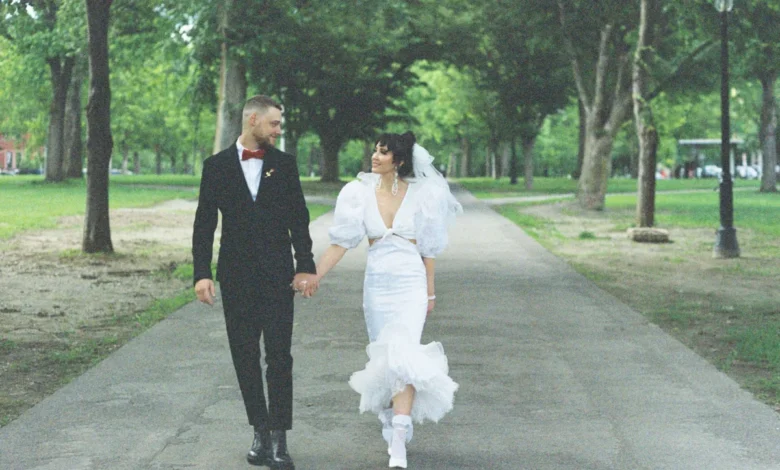
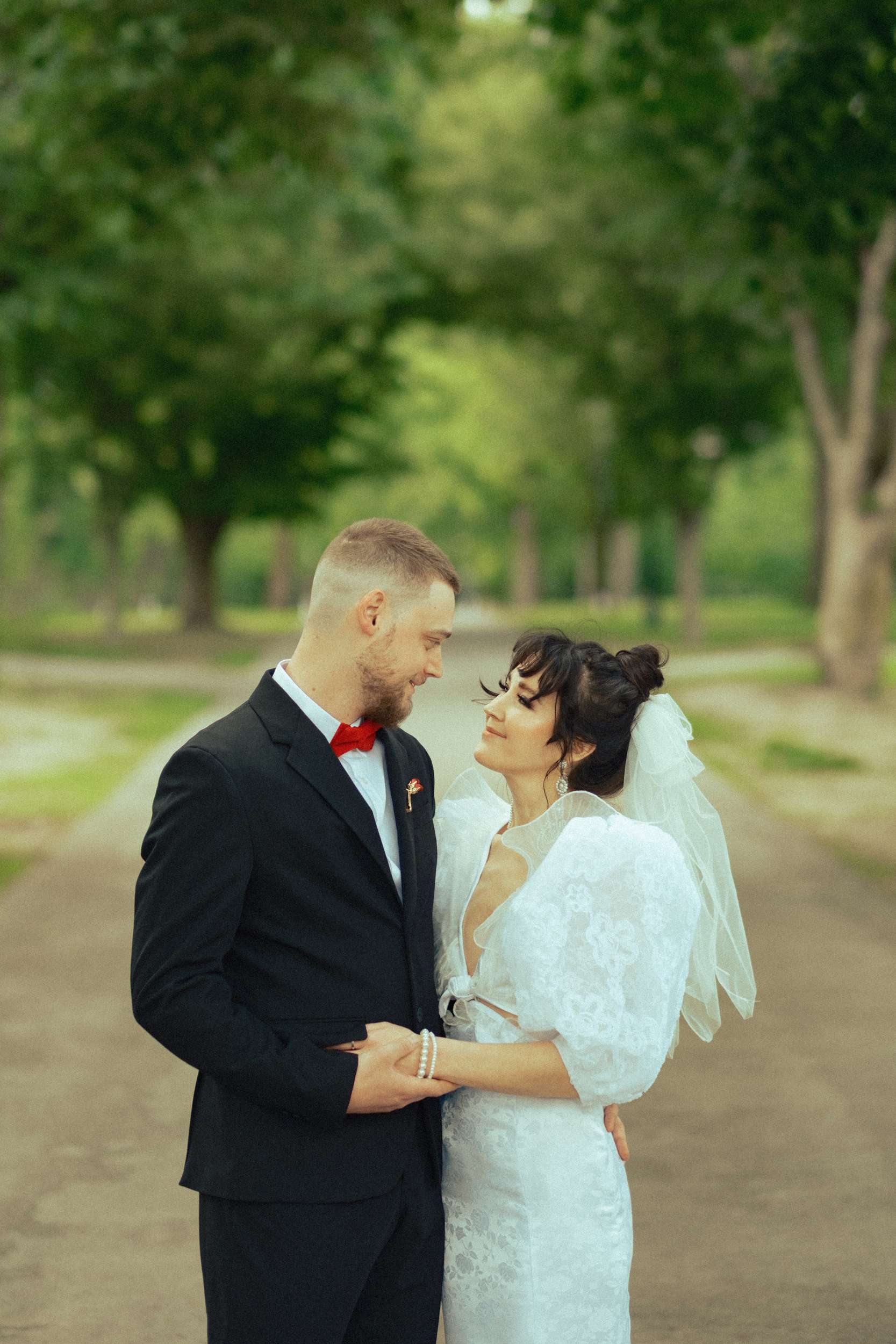
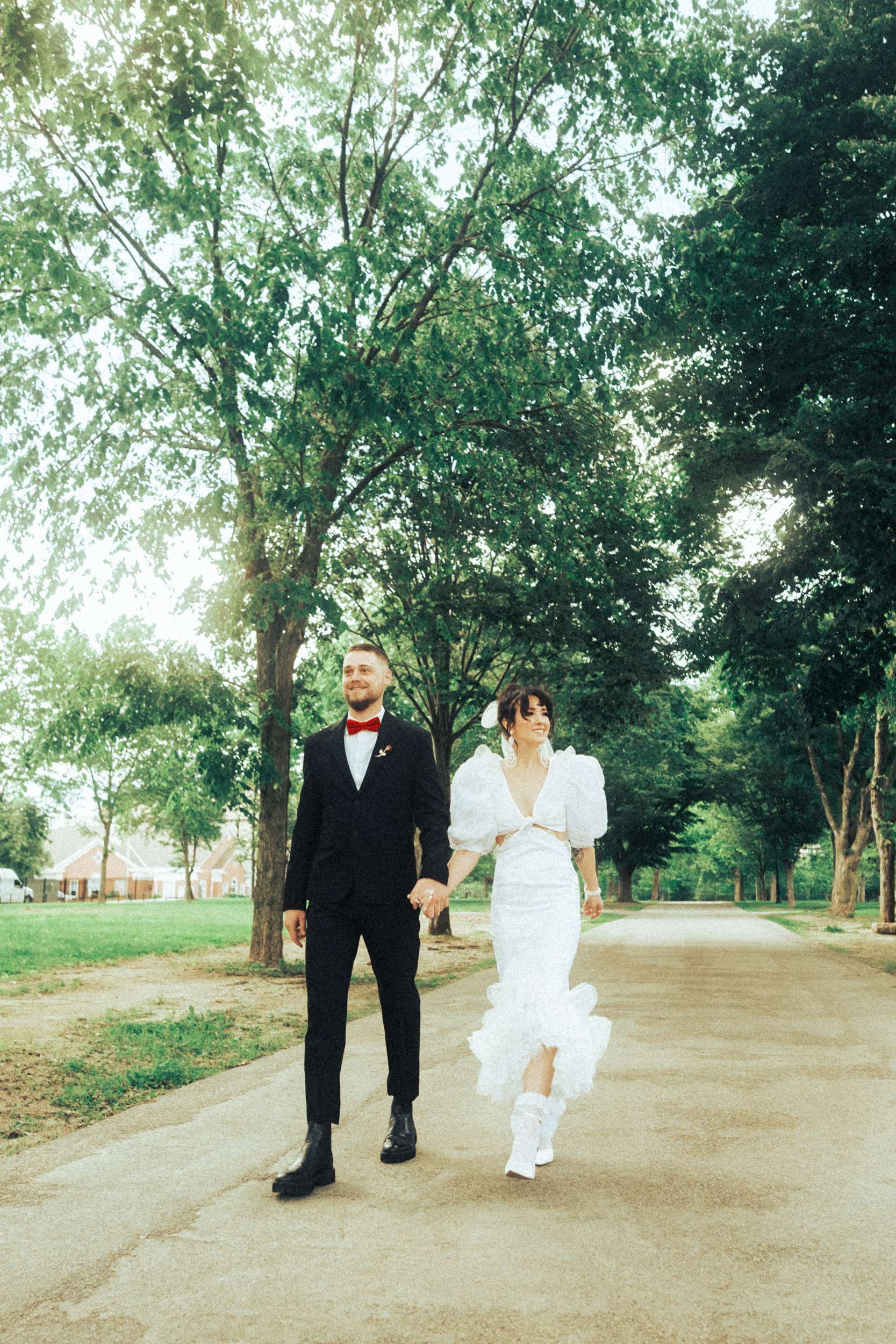
In a notable departure from the increasingly commercialized wedding industry, a Pittsburgh couple, Ari and Bry, recently executed a celebration that synthesized 1980s Las Vegas aesthetics with the grounded, communal traditions of a Western Pennsylvania working-class hall wedding. Held at the Allegheny Elks Lodge #339, the event on April 14, 2026, served as a case study in the "community-led" wedding movement, where the labor of friends and family replaces the services of high-end commercial vendors. By blending elements of "Vegas kitsch" with stylistic nods to the 1978 cinematic classic The Deer Hunter, the couple managed to host a significant social event on a budget of approximately $13,000—less than half of the current national average for wedding expenditures in the United States.
The Cultural Context of the Pittsburgh Hall Wedding
The choice of the Allegheny Elks Lodge #339 was central to the wedding’s thematic and philosophical framework. Fraternal organizations like the Benevolent and Protective Order of Elks have historically served as "third places"—social environments separate from the two usual social environments of home and the workplace. In Pittsburgh, a city defined by its industrial heritage, the "hall wedding" is a deeply rooted tradition. These events were historically characterized by large guest lists, buffet-style meals, and a focus on community over exclusivity.
Ari and Bry sought to reclaim this working-class identity, which they felt had been stigmatized by modern wedding trends that favor curated, high-cost "luxury" experiences. By selecting a venue that operates as a functional community space rather than a dedicated wedding factory, the couple was able to secure a rental rate that they described as "beyond reasonable." This financial flexibility allowed them to redirect their resources toward personal touches and the comfort of their guests, rather than venue premiums and administrative fees.
Synthesizing Aesthetics: Vegas Kitsch and The Deer Hunter
The visual theme of the day was an ambitious crossover of three distinct influences: 1980s Las Vegas chapel culture, classic Pittsburgh social hall vibes, and the cinematic realism of The Deer Hunter. The latter, directed by Michael Cimino and set in a Pennsylvania steel town, features an extensive wedding sequence that captures the raw, celebratory energy of a blue-collar community.
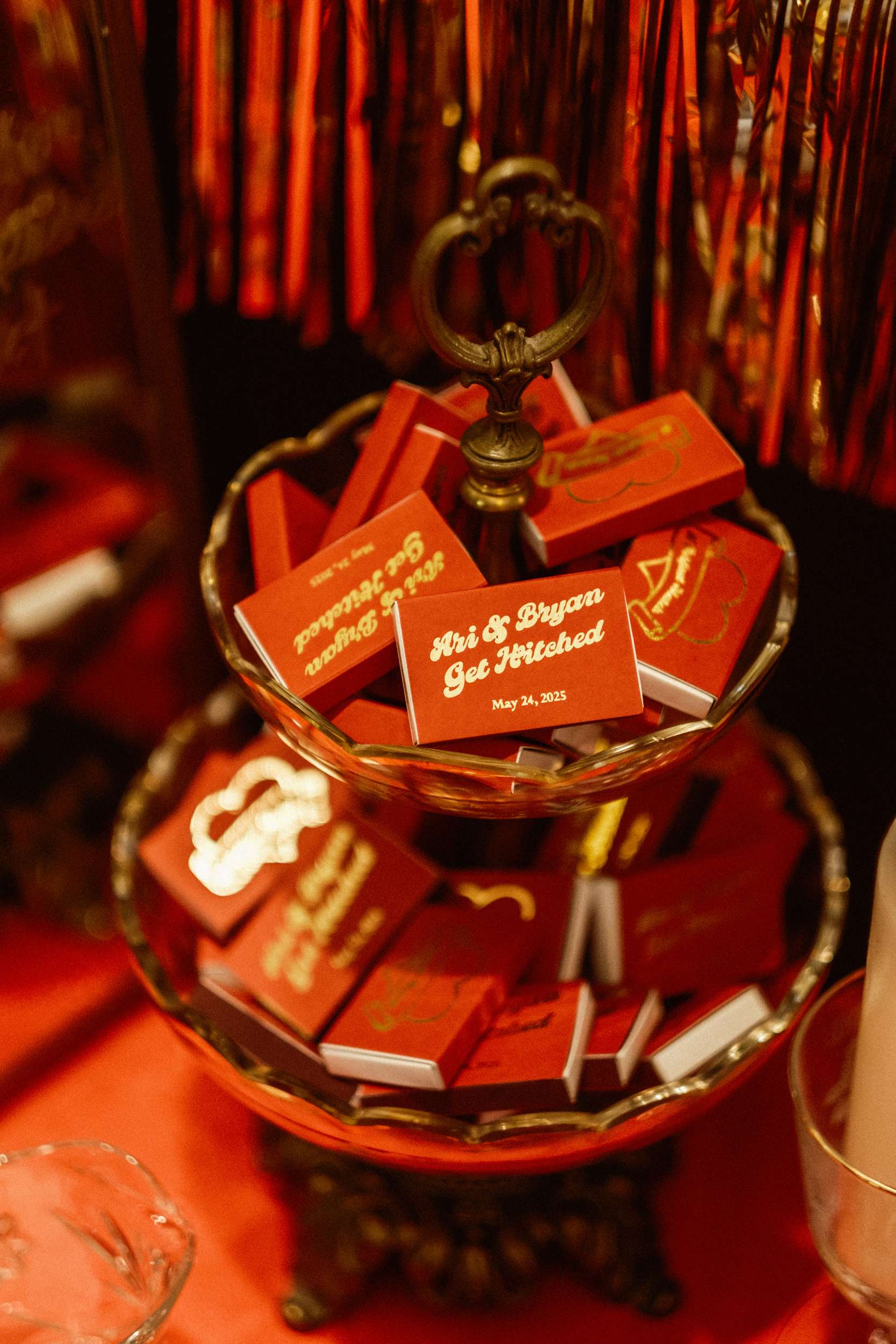
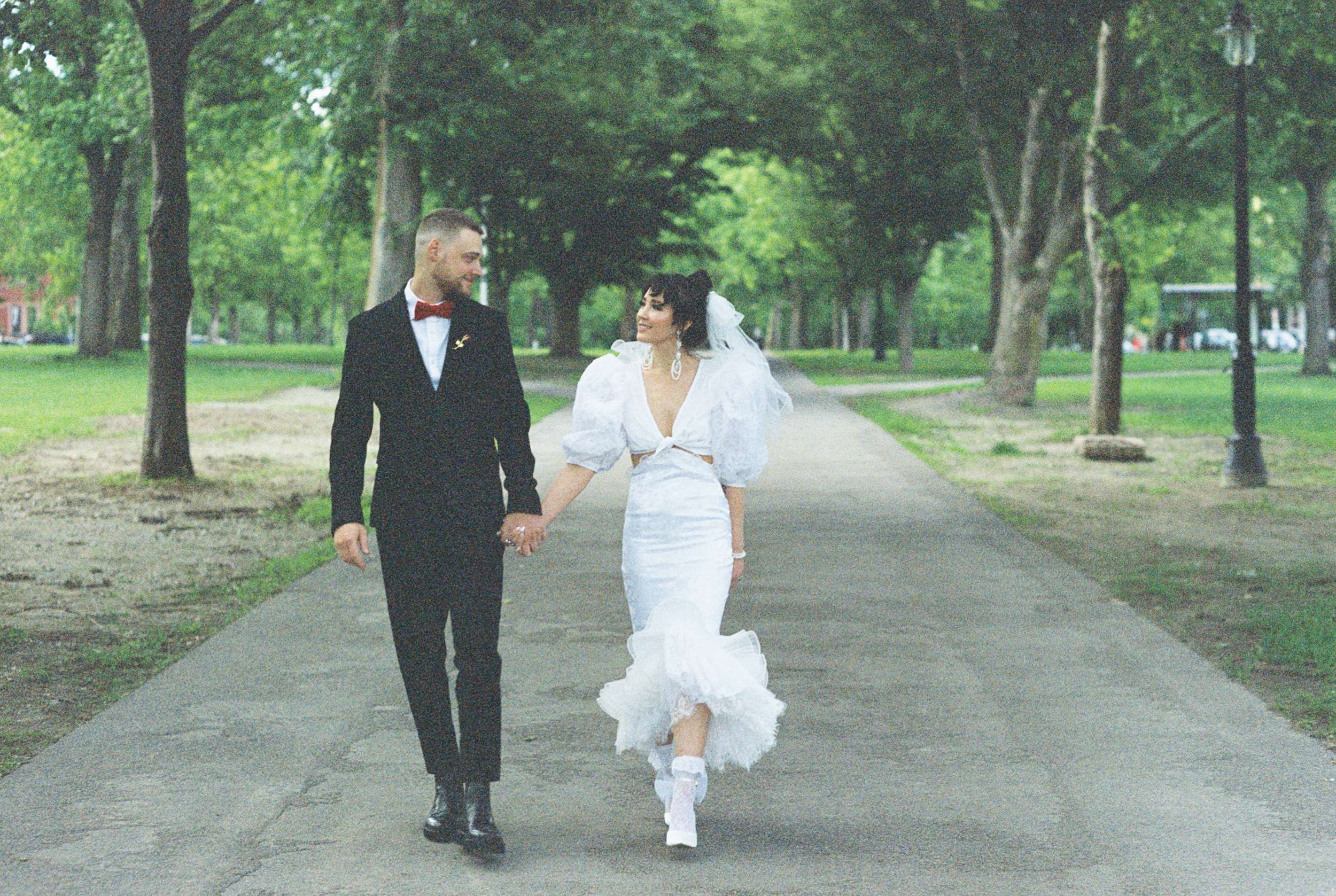
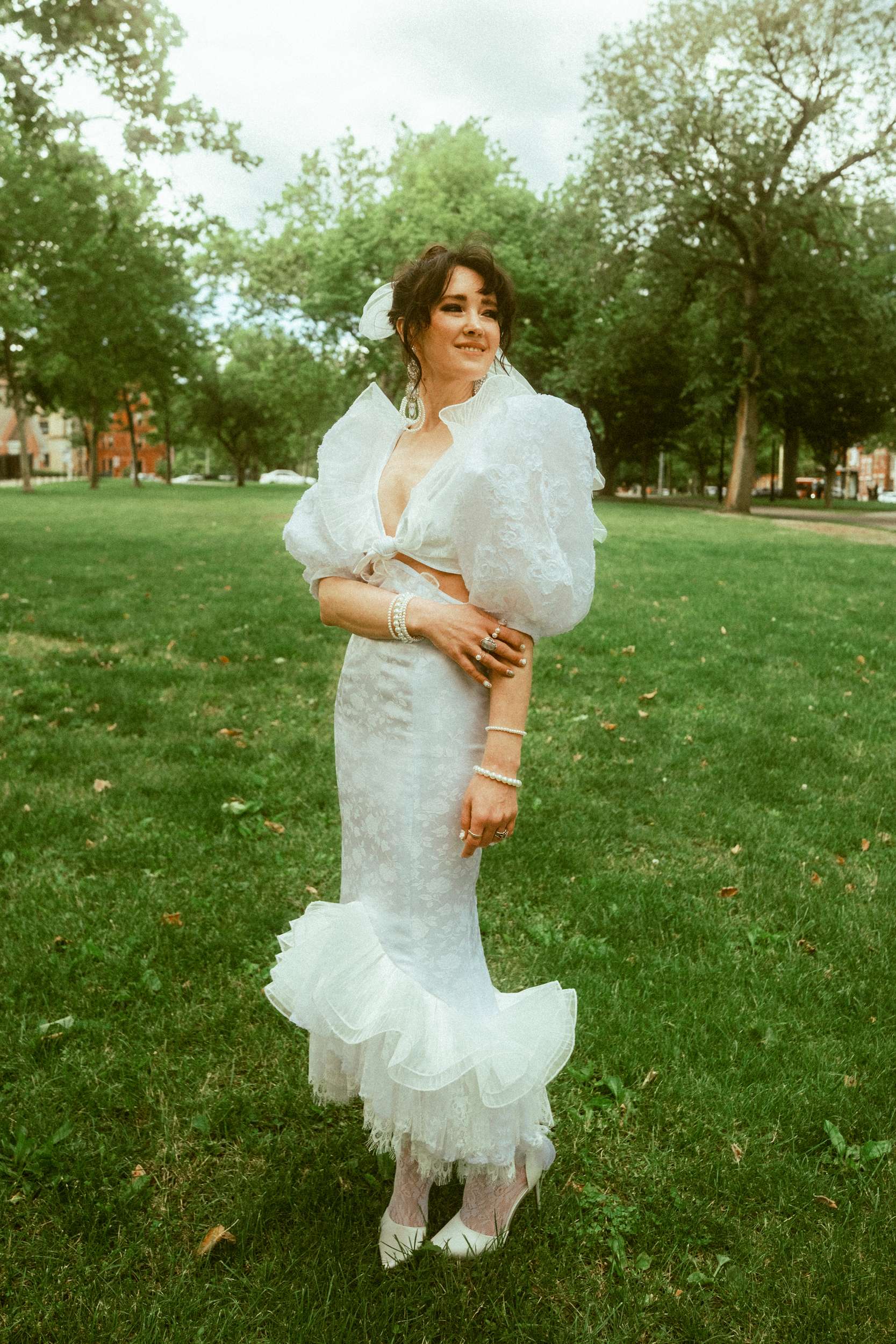
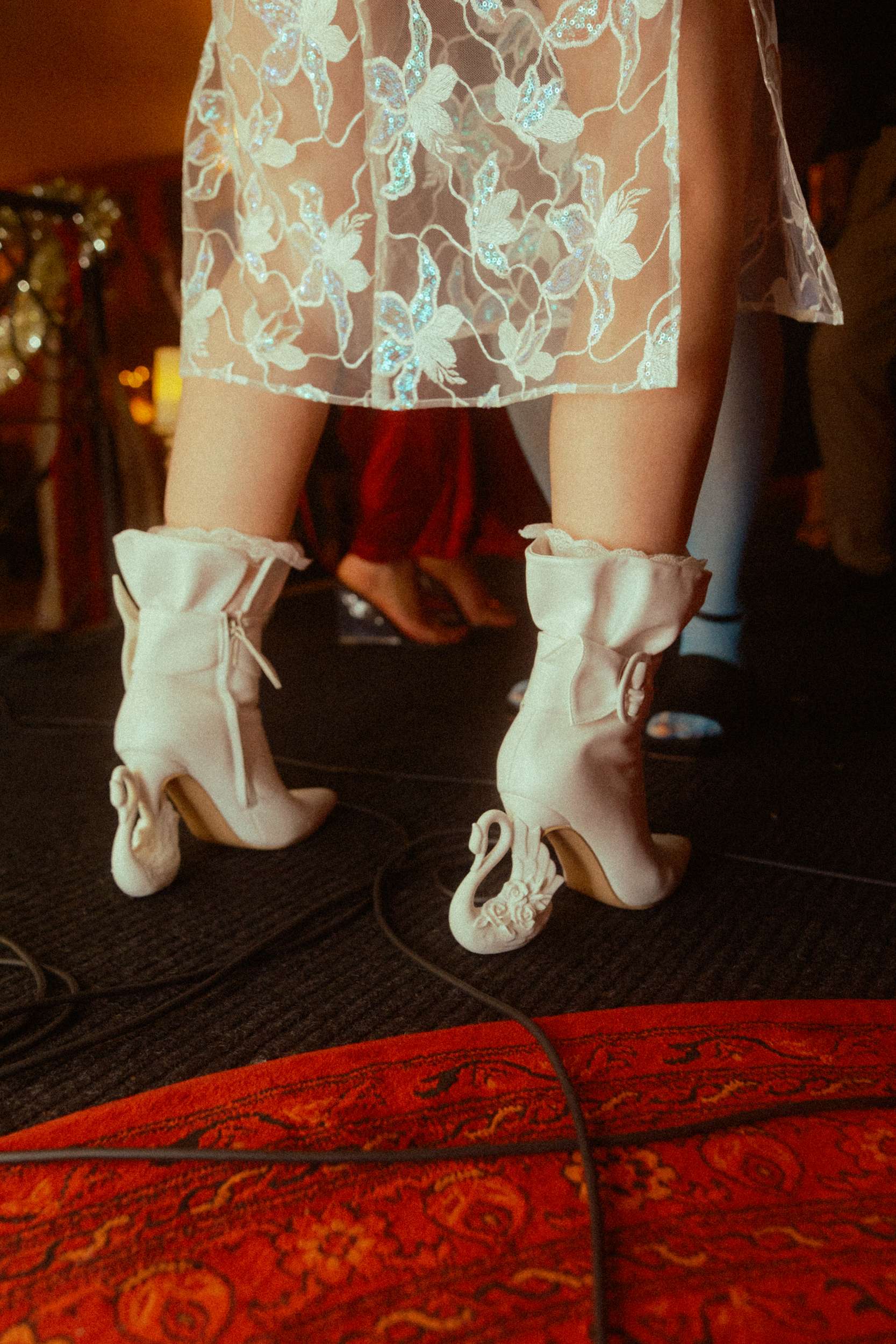
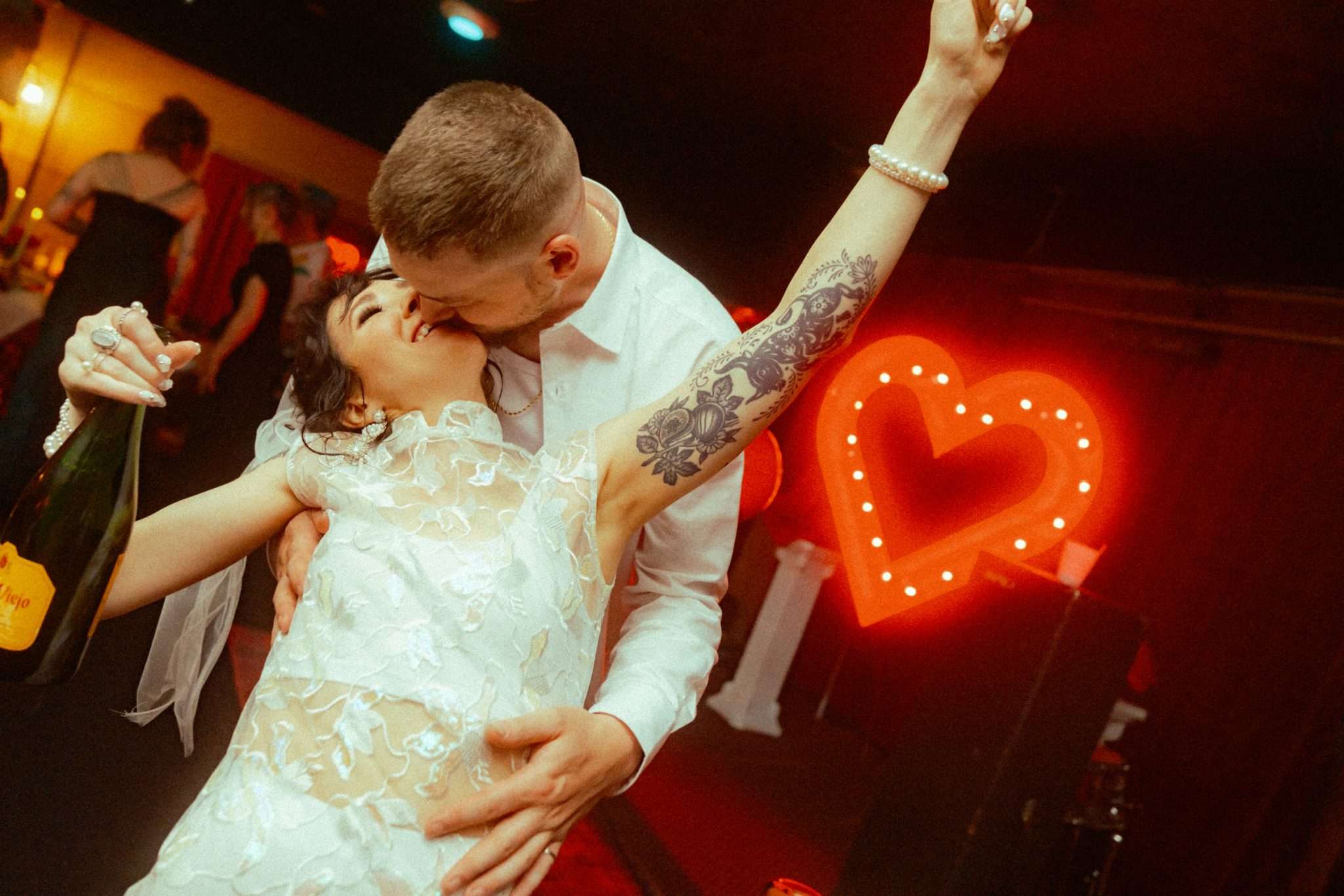
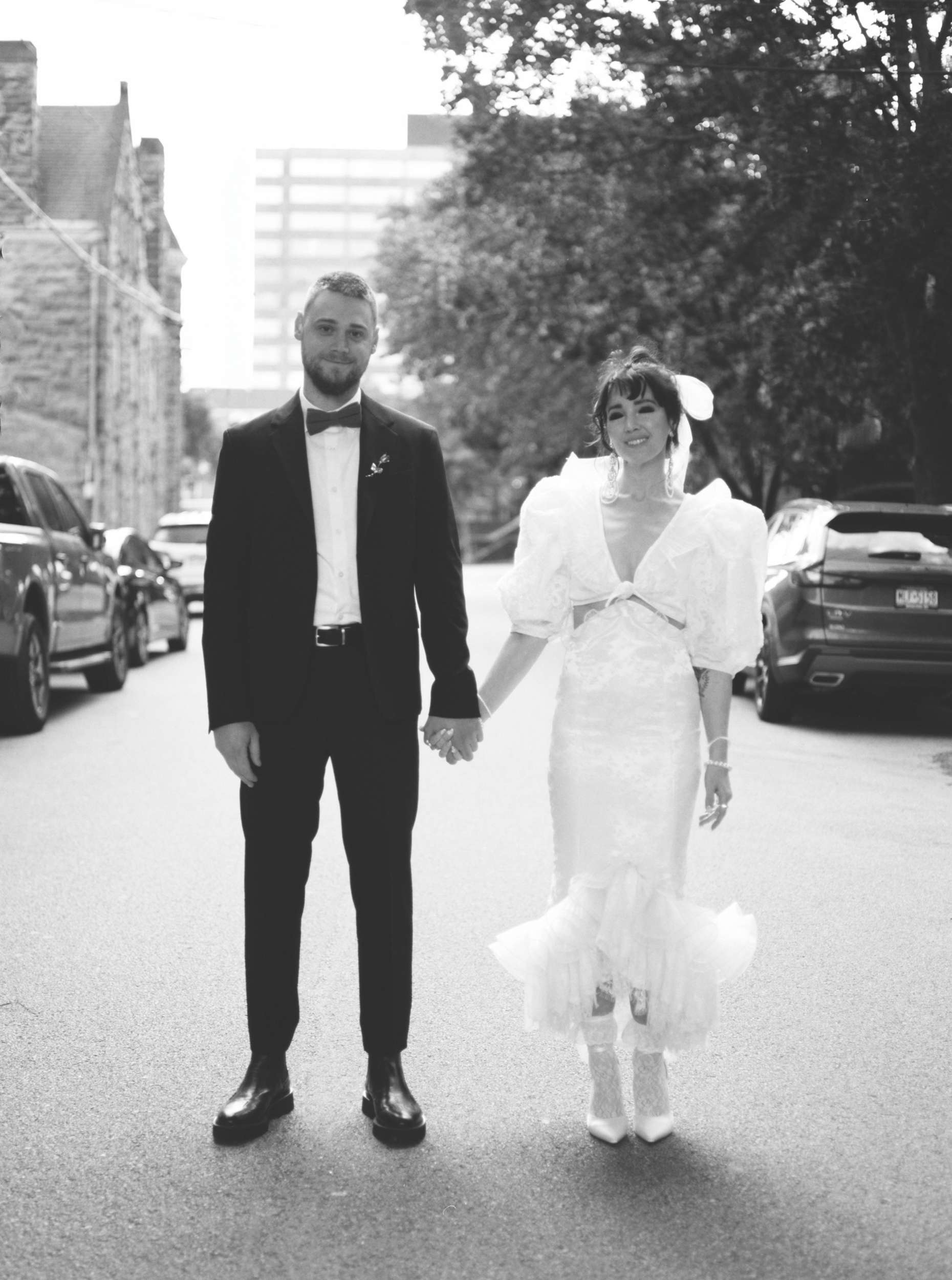
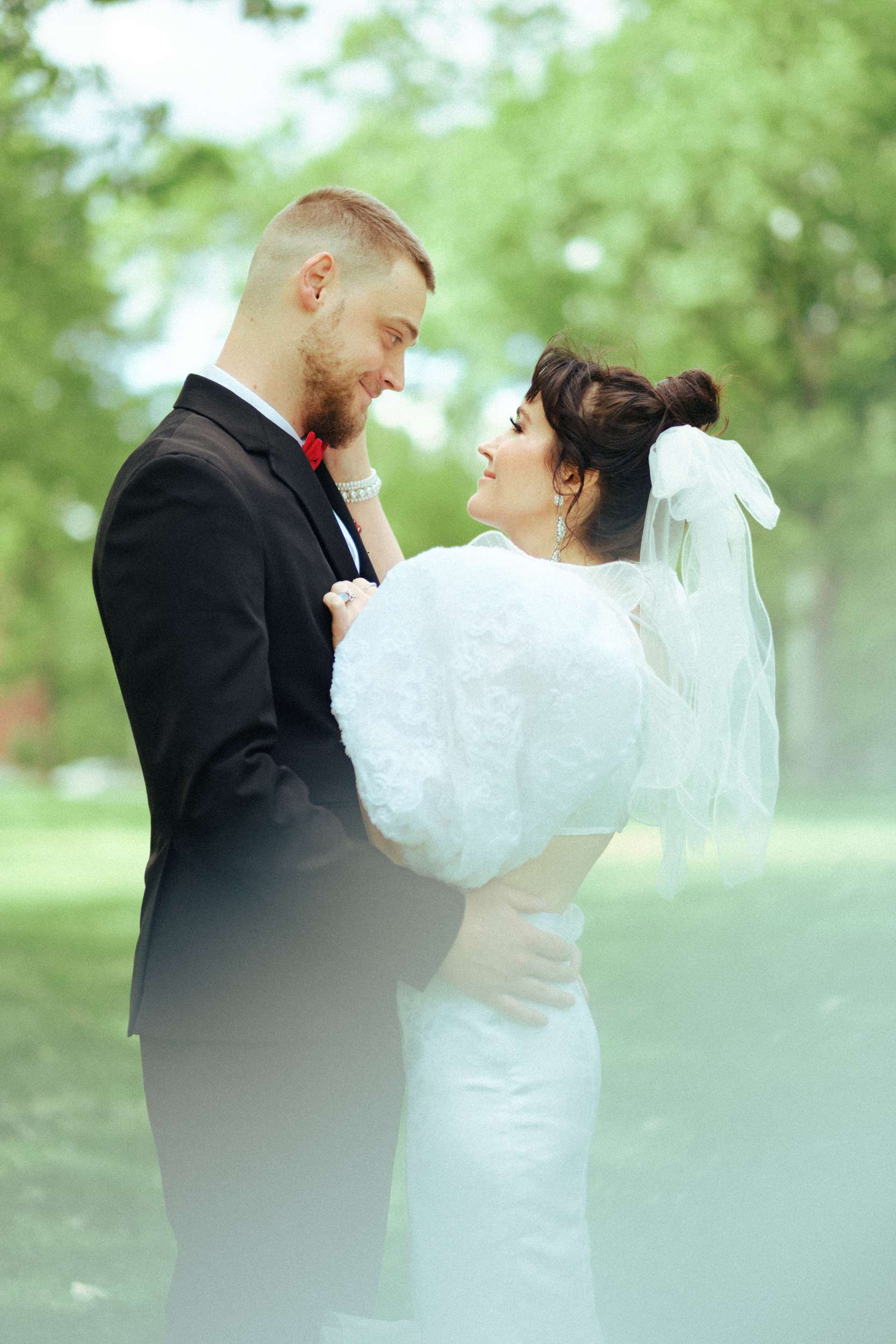
To achieve this, the couple leaned heavily into DIY (Do-It-Yourself) decor and thrifting. Ari, who took the lead on the visual vision, designed her own wedding dress in collaboration with Pale Blue Thread, a custom garment maker. The dress was designed to be both a tribute to retro bridal fashion and a functional piece for the evening’s festivities. Later in the night, she transitioned into a second look for the reception, mirroring the 1980s trend of the "reception dress."
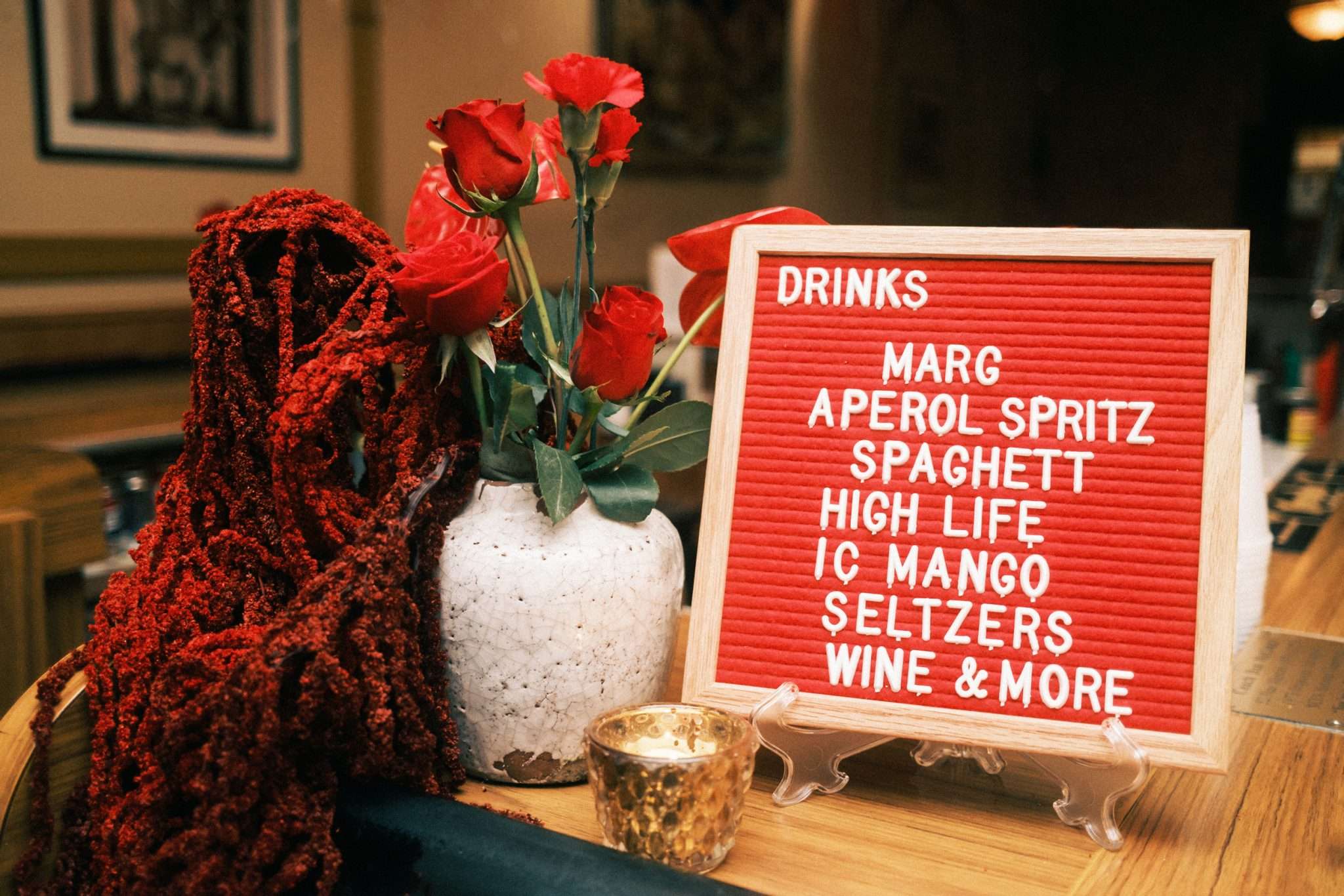
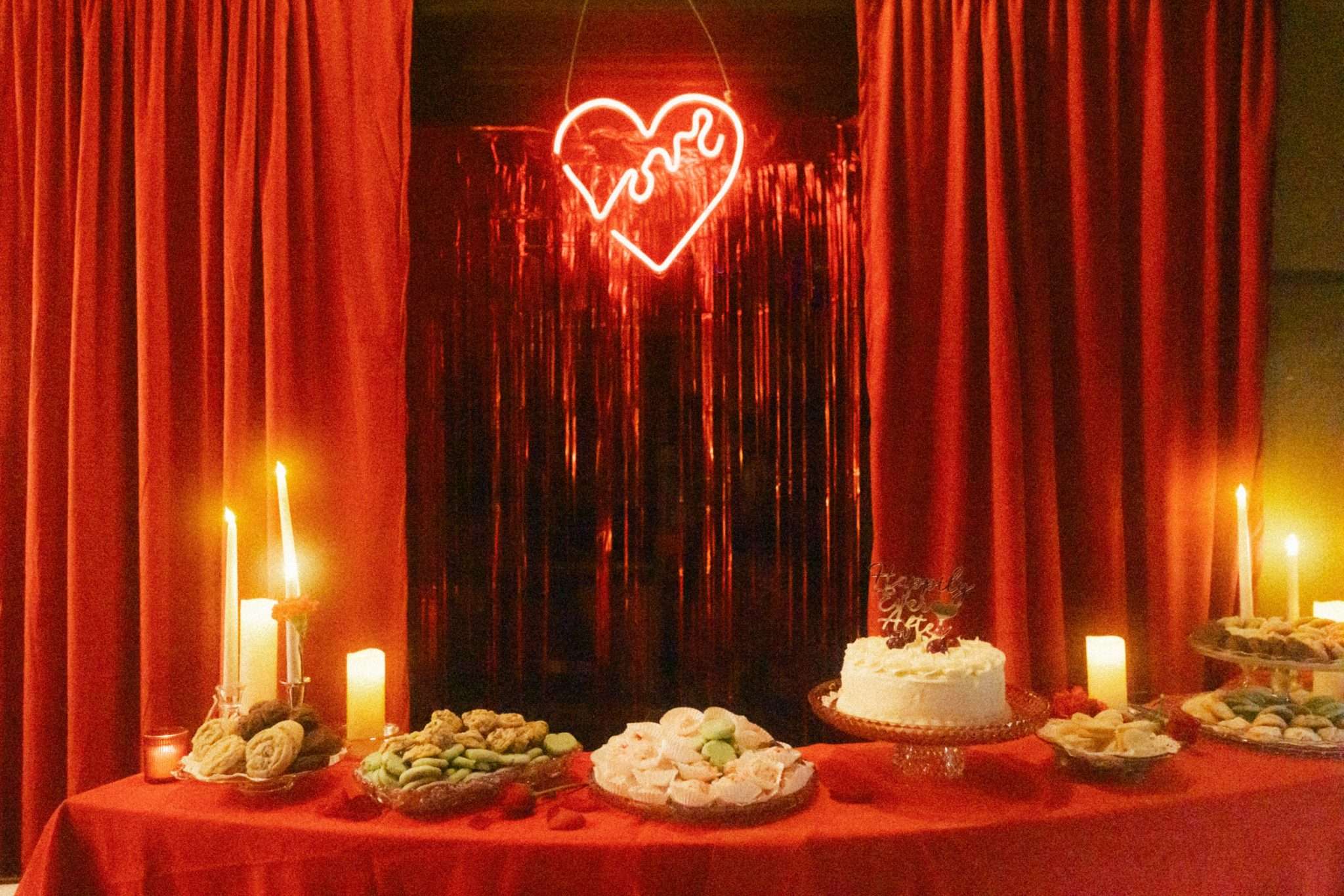
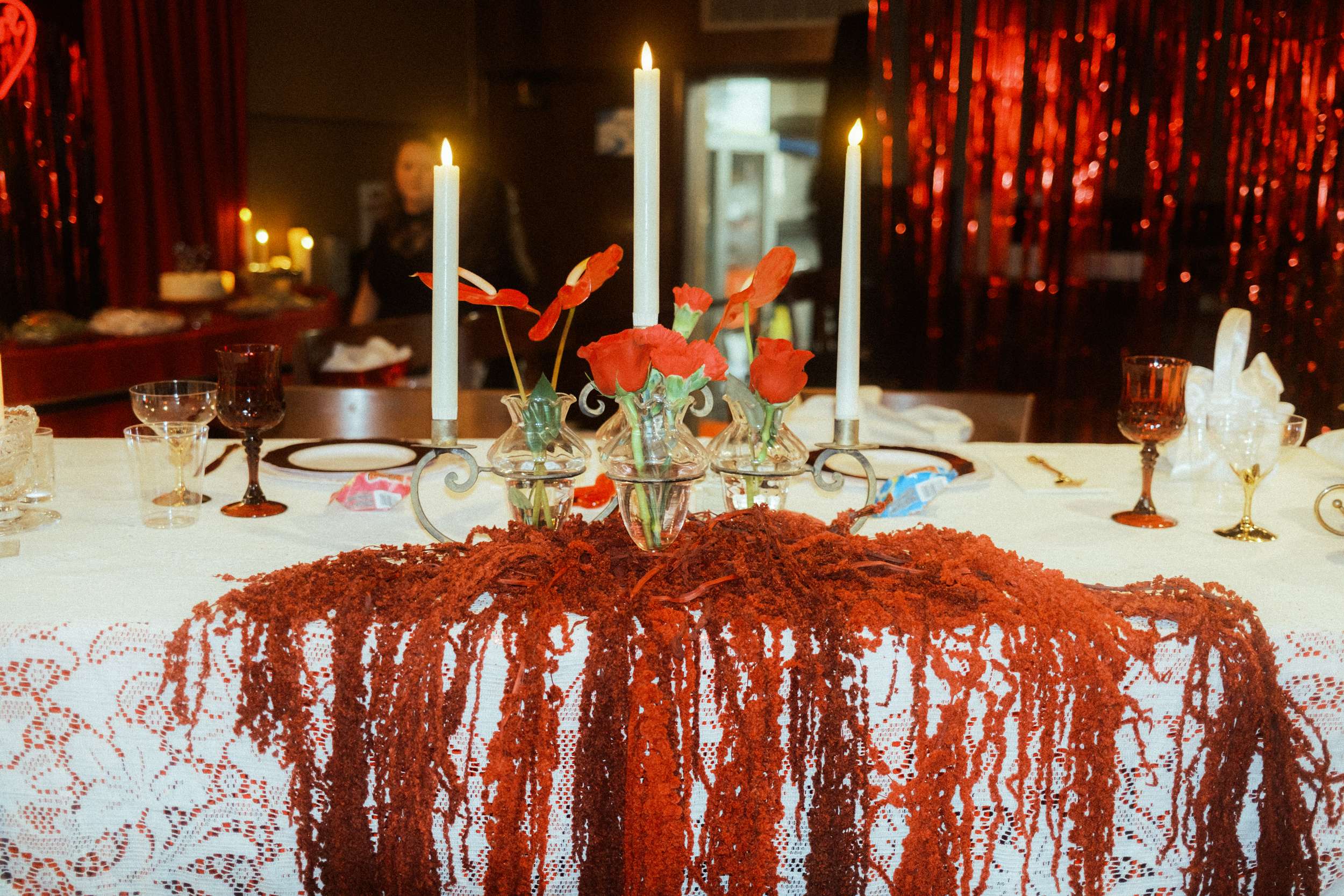
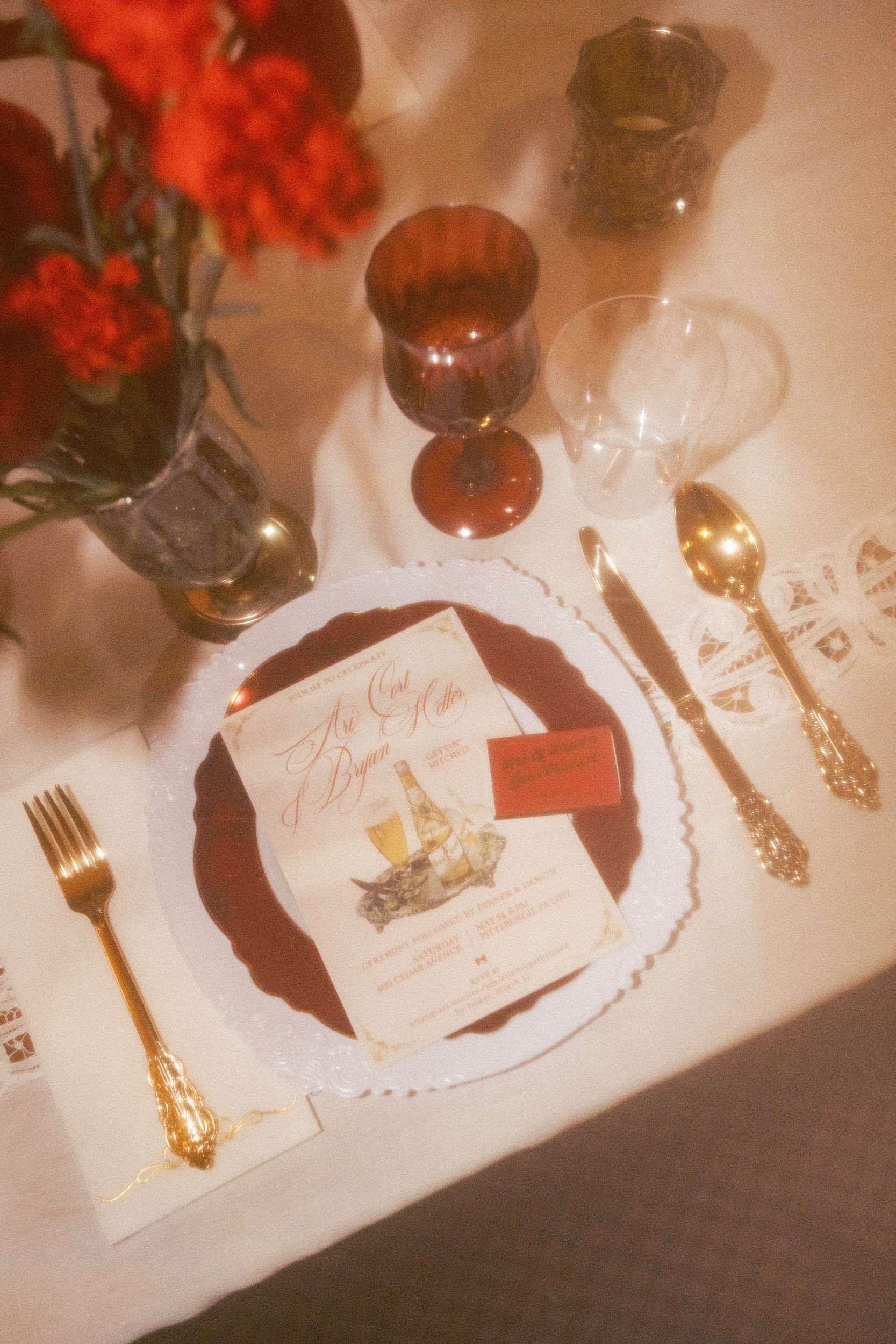
The decor was a collective effort. Friends and family spent weeks sourcing items from thrift stores and Mac Bids—a regional liquidation auction site popular among budget-conscious planners. This approach not only kept costs low but ensured that every element of the room had a story or a personal connection to the couple’s social circle.
The Chronology of a Community-Led Event
The timeline of the wedding was marked by a high degree of informal coordination and collective labor. Unlike traditional weddings that rely on a professional crew for setup and teardown, Ari and Bry’s event was powered by their "village."
Pre-Event Preparation
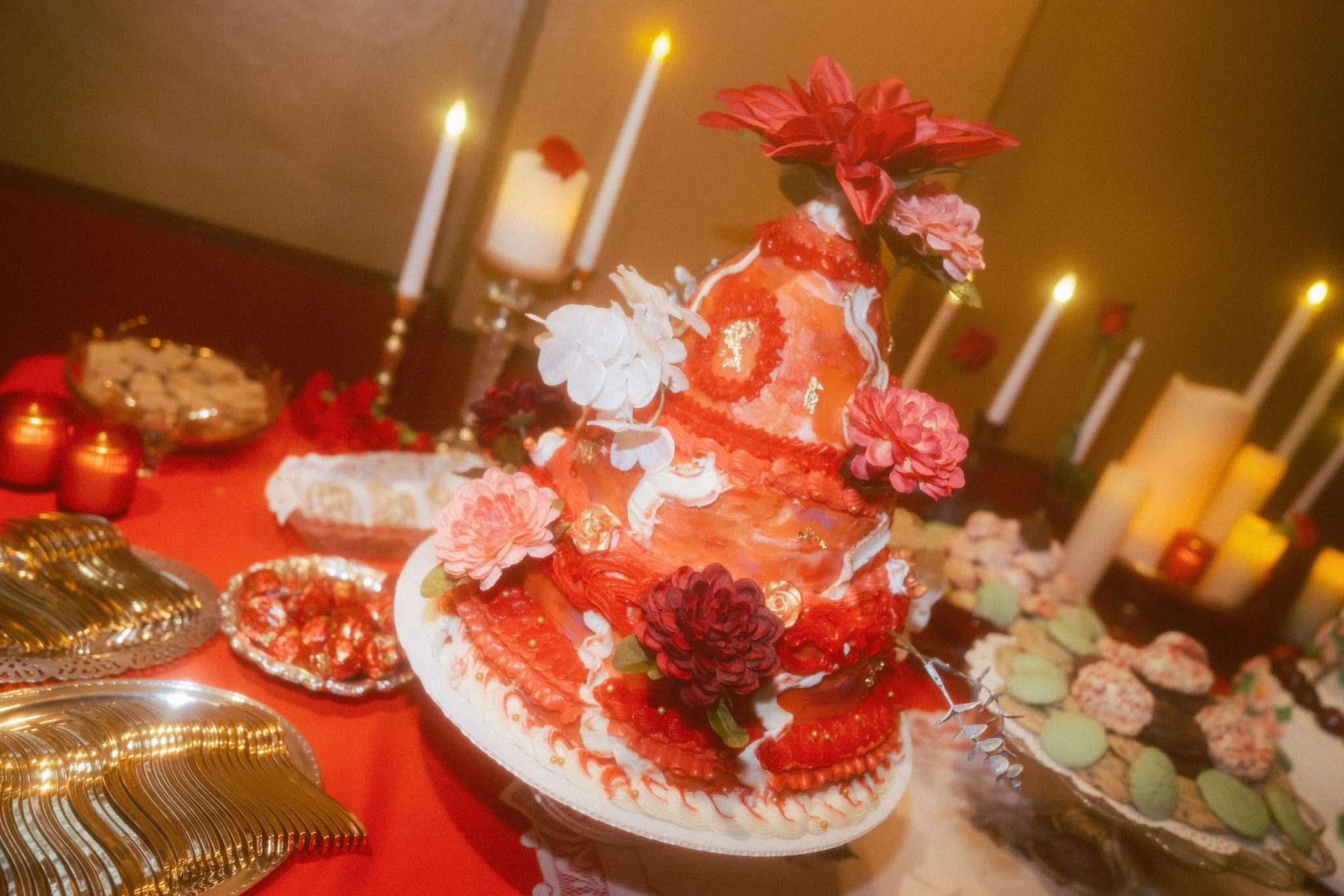
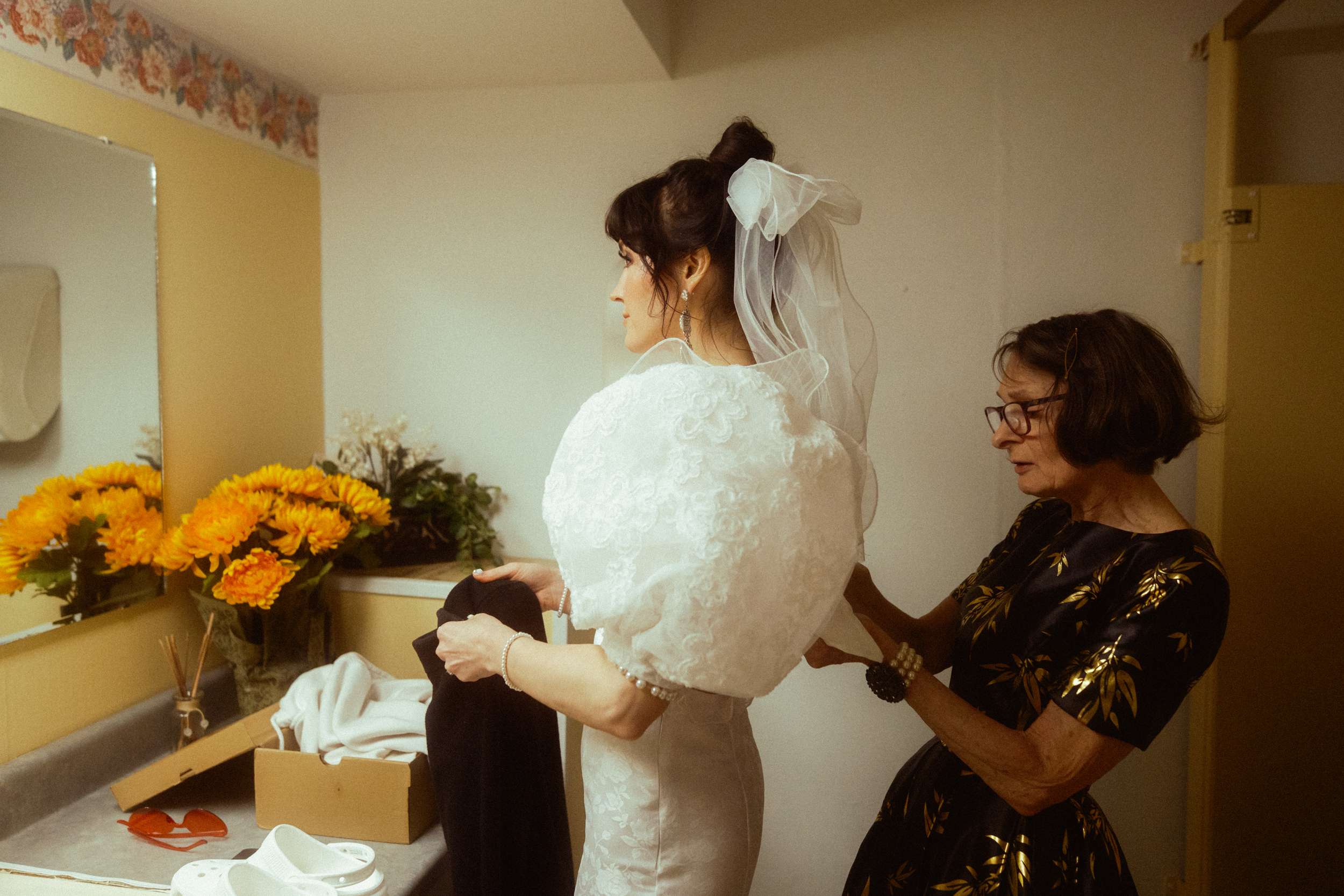
Months prior to the event, the couple’s friend group was mobilized. Almost every professional service typically hired out was handled internally. The hair styling, makeup application, floral arrangements, stationery design, and even the cake were managed by friends. This "skill-sharing" model is a hallmark of contemporary non-traditional weddings, where the "gift" to the couple is often the professional-grade labor of the guests.
The Surprise Ceremony
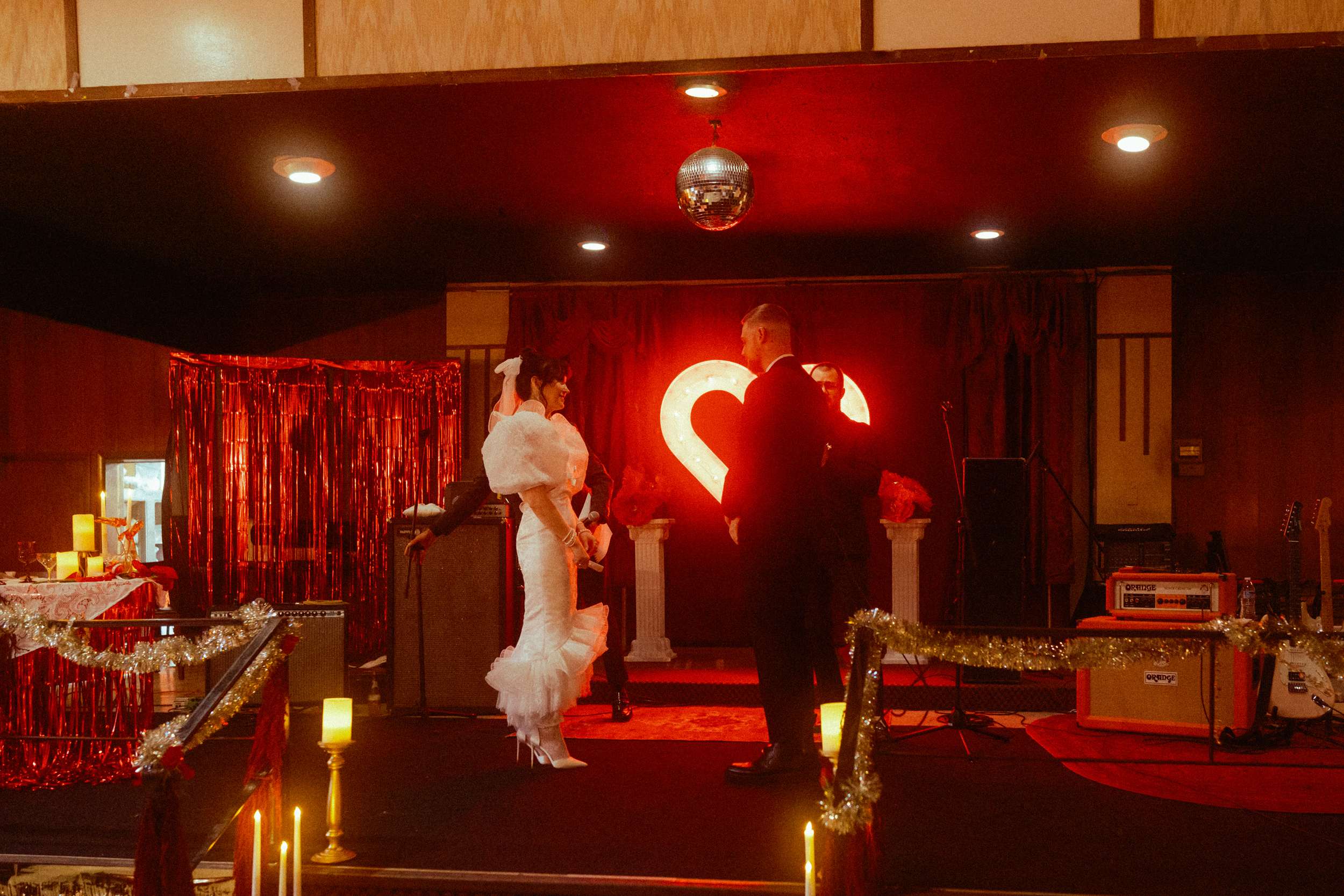
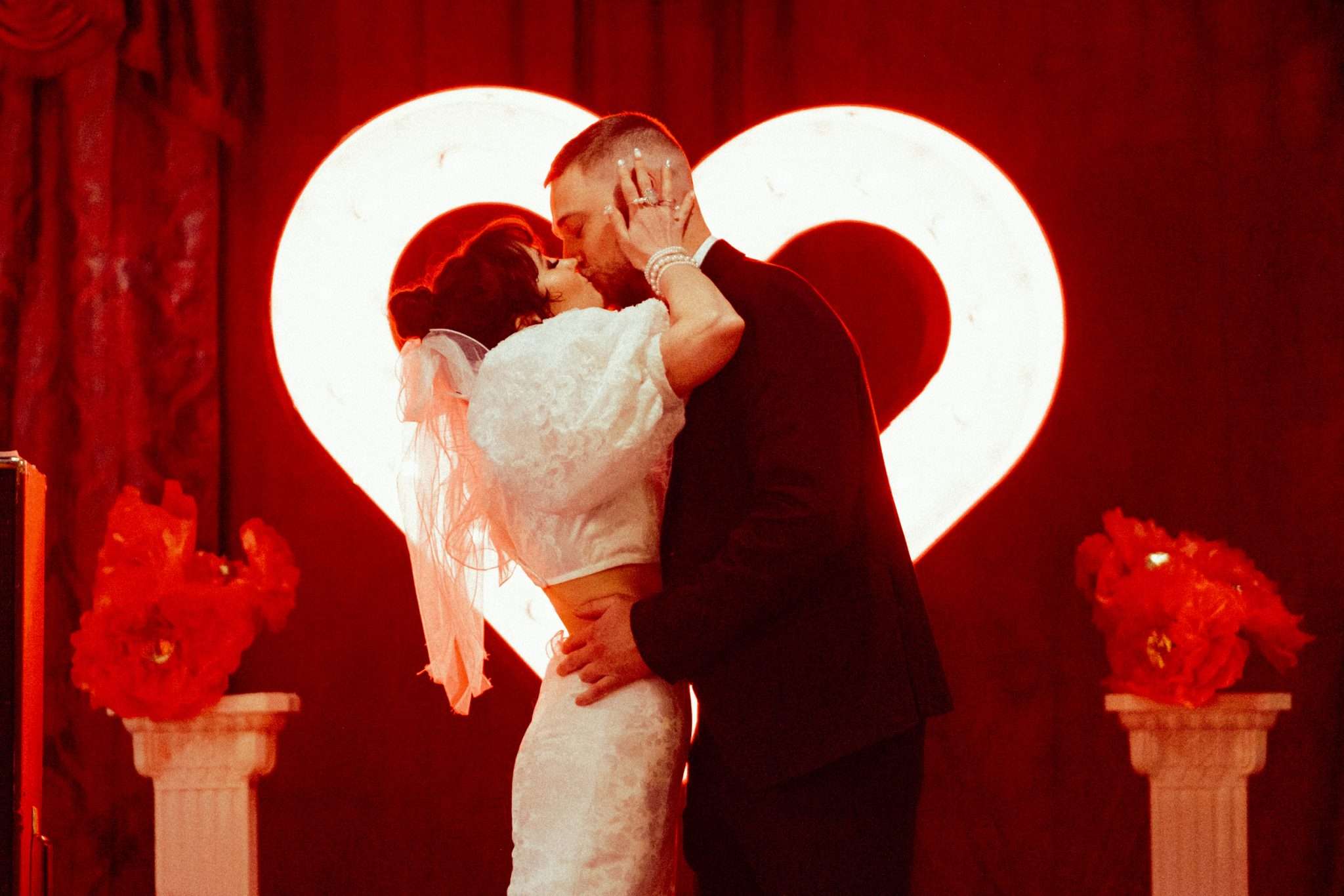
The ceremony itself was held within the Elks Lodge and was officiated by two close friends, Chris and Benedict. In a rare move, Ari and Bry gave the officiants "free rein" over the script, resulting in a ceremony that was a complete surprise to the couple. The proceedings were described as a balance of hilarity and sincerity, emphasizing a secular but deeply emotional commitment. This choice highlighted the couple’s desire to center their community, making the guests active participants in the narrative of the marriage rather than mere spectators.
The Reception and the Pittsburgh Cookie Table
The reception featured a buffet-style meal, which the couple initially intended to be a low-maintenance, self-service affair. However, the logistical reality of feeding a large group without professional catering staff led to a spontaneous intervention by the family’s "aunties," who took over food replenishment and service.
A standout feature of the reception was the "Pittsburgh Cookie Table." This local tradition, which dates back to the early 20th century among Eastern European, Italian, and Greek immigrants, involves family members and friends baking thousands of cookies to be shared at the wedding. For Ari and Bry’s wedding, their friend Devin managed the table, ensuring it maintained what Ari described as "18th-century Rococo opulence" throughout the night. The cookie table serves as a powerful symbol of communal support, as it is impossible for a single person to produce such a volume of baked goods alone.
Financial Analysis and Budgeting
The total cost of the wedding—approximately $13,000—is significant when compared to broader industry data. According to 2024–2025 industry reports, the average cost of a wedding in the United States fluctuates between $30,000 and $35,000. Ari and Bry achieved a 60% reduction from the national average by identifying "penny-pinching" opportunities that did not sacrifice the guest experience.
Key cost-saving measures included:
- Venue Choice: Avoiding "wedding-specific" venues that charge premium Saturday rates.
- Labor Substitution: Utilizing the professional skills of friends for photography, hair, and florals.
- Procurement: Using liquidation auctions (Mac Bids) for decor rather than buying new or renting from event supply companies.
- Eliminating Luxury Services: The couple opted out of traditional "wedding prep" costs such as professional spa days and high-end makeup trials.
While the financial savings were substantial, the couple noted that the "cost" was instead paid in physical labor. The process of unloading, setting up, and tearing down the venue was described as an exhausting endeavor that required the "poise and grace" of their entire support system.
The Logistical Challenge of Total DIY
Despite the success of the event, the couple offered a candid reflection on the difficulties of a completely DIY approach. The absence of a professional day-of coordinator meant that the physical and mental load of management fell on the couple and their inner circle.
"The unloading, setup, and teardown process made us want to walk off into the sunset and never return," Ari remarked, highlighting the "hidden cost" of the community-led model. The physical toll of moving furniture, arranging decor, and managing the "service" aspects of the buffet was a significant burden. For couples considering a similar path, Ari and Bry suggested that hiring a day-of coordinator to handle the "heavy lifting" might be the one luxury worth the investment.
Broader Implications for the Wedding Industry
The success of Ari and Bry’s wedding reflects a growing trend among Millennials and Gen Z to reject the "Wedding Industrial Complex"—a term coined to describe the high-pressure, high-cost expectations placed on modern couples. By prioritizing "community-led" planning, couples are reclaiming the wedding as a social ritual rather than a consumer product.
This shift has several implications for the broader industry:
- Demand for Non-Traditional Venues: Spaces like Elks Lodges, VFW halls, and community centers are seeing a resurgence in interest as couples seek affordable, flexible alternatives to ballrooms and barns.
- The Rise of the "Micro-Vendor": There is a growing market for independent creators (like Pale Blue Thread) who offer bespoke, collaborative services rather than off-the-rack solutions.
- Cultural Authenticity: The revival of regional traditions, such as the Pittsburgh Cookie Table, suggests a move toward weddings that reflect the specific heritage and geography of the couple, rather than a homogenized "Pinterest" aesthetic.
Conclusion: A Village-Built Celebration
Ari and Bry’s wedding was ultimately a celebration of the community they had built in Pittsburgh. By centering their people and their shared history, they created an event that was both a retro-kitsch spectacle and a sincere tribute to working-class values.

The couple’s final assessment of the day focused on the concept of the "village." They argued that the true value of a wedding lies not in the perfection of the decor or the prestige of the venue, but in the collective effort required to bring the event to life. In reclaiming the hall wedding and squashing the stigmas often associated with budget-conscious celebrations, Ari and Bry demonstrated that a wedding can be both a high-concept art piece and a deeply grounded community party. Their experience serves as a roadmap for others looking to bypass traditional industry expectations in favor of a day that is, in their words, "just about love. Nothing else."