ASA Issues First Rulings Under New High Fat Salt and Sugar Advertising Regulations for Television and Online Media

The landscape of British advertising underwent a seismic shift at the beginning of 2026 with the formal implementation of rigorous new restrictions targeting the promotion of less healthy food and drink. In a landmark move to address public health concerns and rising rates of childhood obesity, the Advertising Standards Authority (ASA) has now released its first four adjudication decisions regarding the enforcement of these rules. These rulings serve as a critical litmus test for how the regulator intends to interpret the "High Fat, Salt, or Sugar" (HFSS) legislation, providing a roadmap for retailers, food manufacturers, and digital marketers operating within the UK market.
The regulations, which represent some of the strictest advertising controls in the world, prohibit the broadcast of HFSS product advertisements on television before the 9:00 PM watershed. Furthermore, they impose a comprehensive ban on paid-for online advertisements for these items, covering everything from social media "boosted" posts to banner ads on third-party websites. The primary objective of these measures is to drastically reduce the volume of "less healthy" food cues reaching the general public, particularly younger audiences who are most susceptible to marketing influences.
Guy Parker, Chief Executive of the ASA, emphasized the regulator’s commitment to a rigorous and impartial enforcement strategy. "As the ad regulator, our role is to remain impartial and independent, making sure our new LHF (Less Healthy Food) rules, which reflect the law, are applied fairly and consistently," Parker stated. He noted that these initial rulings are essential for clarifying the practical application of the law, adding that the ASA will utilize tech-assisted proactive monitoring to ensure compliance across the digital ecosystem.
The Legislative Context and Nutrient Profiling Model
To understand the weight of these rulings, it is necessary to examine the criteria used to define "less healthy" products. The UK government utilizes a Nutrient Profiling Model (NPM) to determine whether a product falls under the HFSS restrictions. This model assigns scores based on the "A" points (energy, saturated fat, total sugar, and sodium) and "C" points (fruit, vegetable and nut content, fiber, and protein). If a food product scores 4 or more, or a drink scores 1 or more, it is classified as less healthy and becomes subject to advertising restrictions.
The implementation of these rules follows years of consultation and legislative debate under the Health and Care Act 2022. While the industry was granted a grace period to adjust marketing strategies, the recent rulings indicate that the ASA is prepared to take immediate action against non-compliance, regardless of whether the breach was intentional or the result of technical oversight.
Iceland Foods: The Risks of Programmatic Advertising
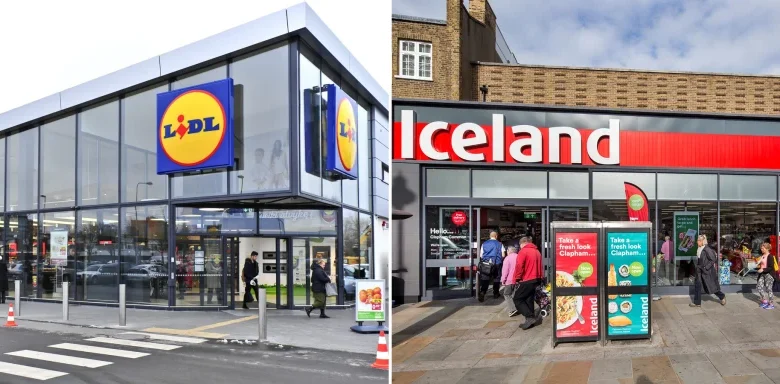
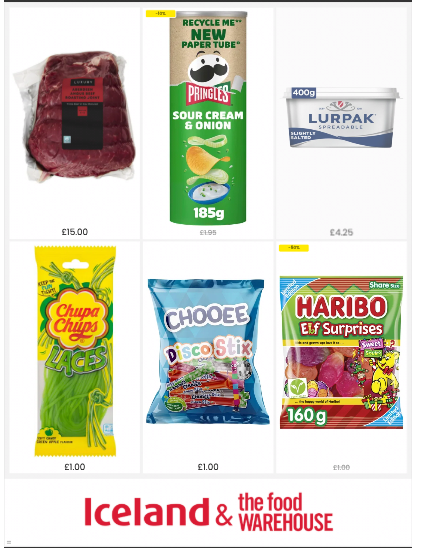
The most significant "upheld" ruling involved Iceland Foods, the frozen food specialist. The ASA investigated two specific digital advertisements: a banner ad and a display ad seen on the Daily Mail website on January 12, 2026. These ads featured a variety of products, including an Aberdeen Angus Beef Roasting Joint, vegetable spring rolls, and various confectionery items such as Swizzels Sweet Treats, Chupa Chups Laces, and Haribo Elf Surprises.
The complaint was brought forward by Bite Back, a youth-led campaign group co-founded by chef Jamie Oliver, which focuses on redesigning the food system. Bite Back argued that the ads violated the ban on paid-for online advertising for HFSS products.
In its defense, Iceland Foods admitted that several of the items—specifically the Swizzels, Chupa Chups, and Haribo products—were classified as HFSS. The retailer explained that the ads were part of a "retargeting" campaign managed by an external ad network. This system was designed to show ads to consumers who had previously visited Iceland’s website but had not completed a purchase. Iceland noted that while it had attempted to compile nutritional data for its entire online range, there were "gaps" in the data provided by suppliers. Consequently, the automated system used by the ad network inadvertently pulled HFSS items into the display ads.
The ASA was firm in its decision. It ruled that the presence of identifiable HFSS products in a paid online space constituted a breach of CAP Code rule 15.19. The ruling highlights a crucial takeaway for the industry: retailers are ultimately responsible for the output of their automated marketing systems and must ensure that nutritional data is 100% accurate before launching programmatic campaigns.
Lidl Northern Ireland: Influencers and the "Brand-Led" Defense
The second upheld ruling targeted Lidl Northern Ireland following a social media campaign featuring influencer Emma Kearney. On January 8, 2026, Kearney posted a video on Instagram showcasing Lidl’s "bakery special guests." The content featured close-up shots of cheese pretzels and a pastry known as a "Pain Suisse."
The ASA investigated whether this was a paid advertisement for identifiable HFSS products. Lidl NI confirmed the post was a paid collaboration but argued the intent was "brand-led"—aimed at promoting the bakery section as a whole rather than specific items. However, Lidl acknowledged that the "Pain Suisse" was classified as an HFSS product, whereas the cheese pretzel was not.
The regulator found that because the ad prominently featured and encouraged the purchase of the Pain Suisse—including shots of the tray being refilled and Kearney describing them as "absolutely stunning"—it crossed the line from general brand promotion into product-specific HFSS advertising. This ruling sets a precedent for influencer marketing: even if a campaign is intended to promote a general service or store department, the inclusion of specific HFSS items can trigger a ban.
German Doner Kebab: A Model for Compliance
In contrast to the rulings against Iceland and Lidl, the ASA cleared German Doner Kebab (GDK) of any wrongdoing regarding an Instagram post by influencer John Fisher (known as itsbigjohn1). The post, dated January 13, 2026, promoted the opening of a new GDK branch in Romford and featured Fisher tasting an Inferno OG chicken kebab, a rice bowl, and a doner burrito.
The complaint alleged that the post was a paid ad for HFSS products. However, GDK provided a robust defense, demonstrating that it had proactively planned the content to avoid the new regulations. The company had worked with its marketing agency to select only non-HFSS menu items for the video. Furthermore, GDK provided the ASA with detailed nutrient calculations for the specific items shown.
The ASA concluded that because the items featured did not meet the HFSS threshold according to the Nutrient Profiling Model, the ad did not breach rule 15.19. This case serves as a successful blueprint for food brands, showing that they can still utilize influencer marketing and digital ads if they strictly limit the featured content to healthier menu options.
On The Beach: Incidental Appearance vs. Promotional Focus
The final ruling concerned a television advertisement for the holiday booking site On The Beach. The ad, which aired before the 9:00 PM watershed, depicted a family enjoying the perks of a five-star holiday, including free airport lounge access. In one scene, a child was shown taking a chocolate doughnut and some grapes from a buffet.
The investigation focused on whether the inclusion of the doughnut—an HFSS item—constituted an ad for "less healthy food" during restricted hours. On The Beach argued that the doughnut appeared only "incidentally" and that the core message of the ad was the holiday experience and the value of the lounge access.
The ASA agreed with the travel company, finding that the average consumer would view the doughnut as a minor detail within a broader lifestyle advertisement. Because the ad was not promoting the doughnut itself or a food-related service, it was not found in breach of the code. This ruling provides some relief for non-food brands, clarifying that the incidental appearance of HFSS items in the background of lifestyle or service-based ads is generally permissible.
Broader Implications for the UK Advertising Industry
The release of these first four rulings marks the beginning of a new era of accountability in food marketing. Several key implications emerge for the broader industry:
- Data Integrity is Paramount: The Iceland case demonstrates that "data gaps" or technical errors in automated ad networks are not valid excuses for breaching HFSS rules. Companies must perform exhaustive nutritional audits of their product catalogs.
- The Influencer "Grey Area" is Closing: The ruling against Lidl NI suggests that the ASA will look closely at the visual and verbal cues in influencer content. If an HFSS product is shown in a way that encourages consumption, the "brand-led" defense is unlikely to hold up.
- Proactive Planning Pays Off: German Doner Kebab’s success shows that brands can navigate the restrictions by being selective. This may lead to a shift in product development, with companies creating "advertising-friendly" versions of their products that fall just below the HFSS threshold.
- Technological Enforcement: Guy Parker’s mention of "tech-assisted proactive monitoring" indicates that the ASA is using AI-driven tools to scan the internet for violations. This means the likelihood of being caught for a "minor" digital breach is higher than ever before.
As the ASA continues to monitor the market, these rulings provide the first clear boundaries for the 2026 regulatory environment. While the goal of the legislation is to improve public health, the immediate impact is a complex logistical and creative challenge for the UK’s multi-billion-pound advertising sector. Brands must now balance the need for appetizing, engaging content with a strict adherence to the Nutrient Profiling Model, ensuring that their marketing remains both effective and compliant with the law.