The modern wedding landscape has shifted significantly over the last decade, moving away from rigid traditions and toward a more immersive "guest experience" model. While floral arrangements and stationery remain staples of wedding aesthetics, industry data suggests that the reception’s food and beverage service is the most frequently cited factor in guest satisfaction. Specifically, the wedding bar has evolved from a utilitarian service point into a central hub of social interaction and thematic expression. As couples increasingly prioritize personalization, the logistical and creative execution of the bar experience has become a primary focus for event planners and hospitality professionals.
In the current economic climate, where the average wedding cost in the United States hovers around $30,000, couples are looking for high-impact investments. The bar represents a significant portion of this budget, often accounting for 10% to 20% of the total reception costs. However, experts note that the "unforgettable" nature of a bar is rarely tied to the price of the spirits served, but rather to the intentionality of the service, the speed of delivery, and the integration of the couple’s personal narrative into the menu.
The Strategic Planning Timeline for Beverage Service
A successful wedding bar experience requires a structured planning timeline that begins months before the event. According to industry standards, the process generally follows a specific chronological order to ensure both legal compliance and aesthetic consistency.
Six to Nine Months Before the Event: Conceptualization
During the initial phase, couples determine the "vibe" or narrative of the bar. This involves aligning the beverage program with the overall wedding theme—whether it be an industrial speakeasy, a garden party, or a coastal lounge. This is also the period where the type of bar is decided: open bar, limited bar (beer and wine only), or a consumption-based bar.
Three to Four Months Before the Event: Vendor Selection and Menu Design
This stage involves hiring professional bartending services and designing the signature cocktail menu. Professionals emphasize the importance of "batchable" cocktails—drinks that can be partially prepared in large quantities to ensure that quality remains consistent while service speed increases.
Two Weeks Before the Event: Final Logistics
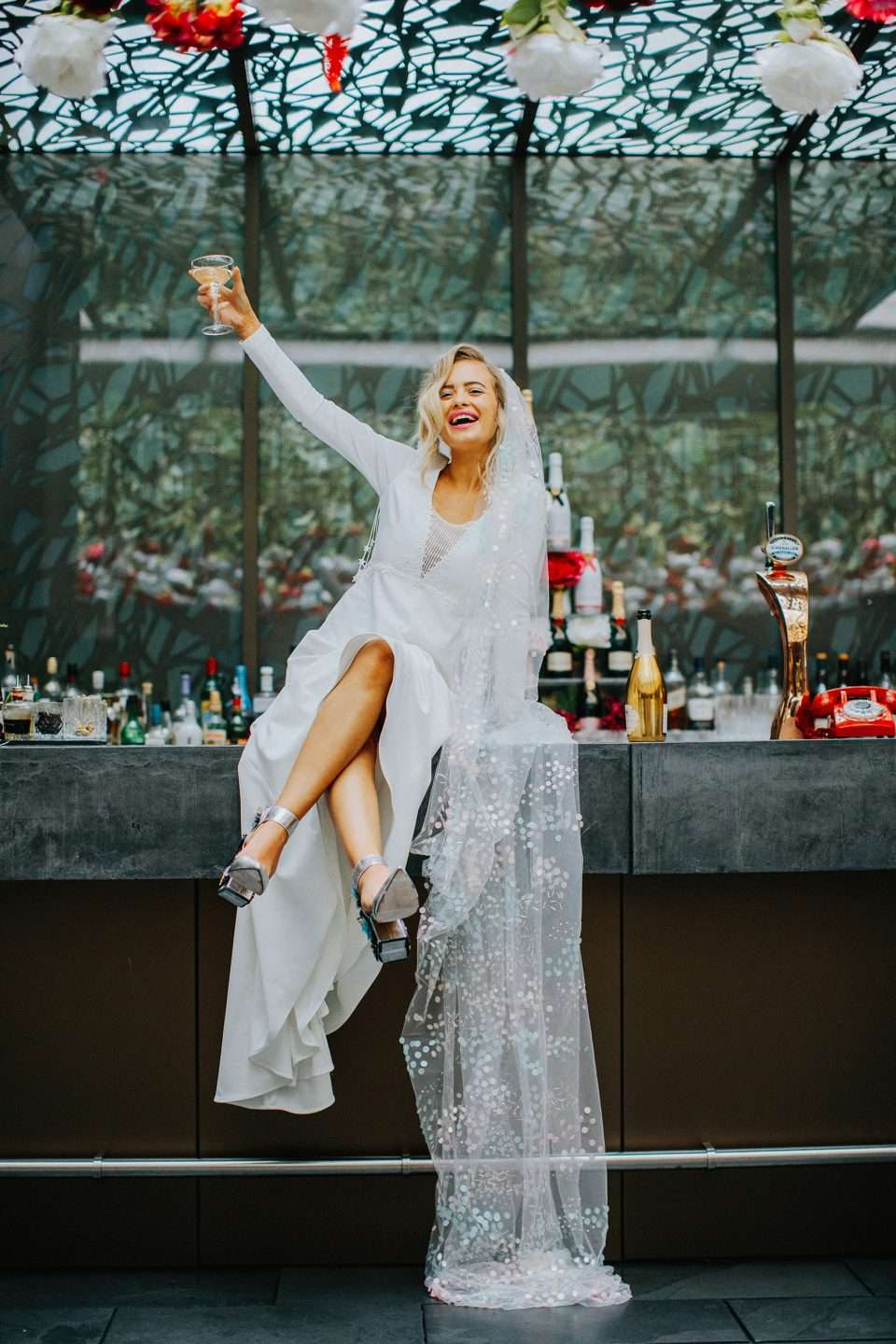
The final stage involves confirming guest counts with the caterer or bar service to ensure proper staffing ratios and inventory. This is also when specialized items, such as custom ice, vintage glassware, or specific garnishes, are sourced.
The Logistics of Professional Service and Staffing
One of the most critical, yet frequently underestimated, components of a successful wedding bar is the staffing ratio. While many venues provide a standard ratio of one bartender per 75 guests, professional event coordinators often recommend a more aggressive ratio of one bartender per 40 or 50 guests. This reduction in the guest-to-staff ratio significantly minimizes wait times, which is the primary complaint among wedding attendees.
Professional bartending services, such as Deluxe Wedding Bartenders in Las Vegas or Encore Bar Service, play a vital role in risk management and flow. Unlike amateur servers or family members, professional bartenders are trained in "TIPS" (Training for Intervention ProcedureS) or similar certifications. This training allows them to monitor guest intoxication levels, manage potential liabilities, and handle the physical demands of high-volume service. In regions with extreme climates, such as the Nevada desert, professionals are also tasked with managing ice melt rates and ensuring that beverages remain at food-safe temperatures throughout the duration of the event.
Data-Driven Trends in Signature Cocktails and Personalization
The "Signature Cocktail" has moved from a trendy addition to a standard expectation. Data from wedding planning platforms like The Knot and WeddingWire indicate that over 75% of couples now include at least one signature drink in their reception. The most successful programs offer a "his and hers" or "ours" duo that balances flavor profiles—typically one citrus-forward or sweet option and one spirit-forward or herbal option.
Personalization extends beyond the ingredients. Industry analysts have noted a rise in "narrative-based" naming conventions, where drinks are named after significant life events, pets, or travel destinations. This creates a conversational touchpoint for guests. Logistically, the use of "batched" cocktails allows bartenders to serve complex drinks, such as a Smoked Rosemary Paloma or a Lavender French 75, in under thirty seconds, maintaining the momentum of the party.
The Rise of the Sophisticated Non-Alcoholic Experience
Perhaps the most significant shift in the 2024-2025 wedding seasons is the prioritization of the "Zero-Proof" or mocktail program. With the rise of "sober-curiosity" and a general cultural shift toward wellness among Millennials and Gen Z, providing high-quality non-alcoholic options has become a benchmark of inclusive hospitality.
Market research indicates that the global non-alcoholic spirits market is expected to grow by over 10% annually through 2030. At weddings, this translates to the inclusion of hibiscus spritzes, ginger-grapefruit shrubs, and botanical infusions that utilize the same high-quality garnishes and glassware as their alcoholic counterparts. This ensures that non-drinking guests, including pregnant individuals, designated drivers, and those in recovery, feel fully integrated into the celebratory atmosphere.
Spatial Dynamics and the Physics of Flow
The physical placement of the bar can dictate the energy of the entire reception. Architectural flow is a key consideration for event designers. If a bar is placed too close to the entrance, it creates a bottleneck during the initial cocktail hour. If it is placed too far from the dance floor, it can pull guests away from the main event, thinning out the energy of the party.
For large-scale weddings (over 150 guests), the "satellite bar" strategy is increasingly common. By splitting the service into two locations—perhaps one focusing on craft beer and wine and another on signature cocktails—planners can distribute the crowd more evenly. This also allows for different thematic "micro-environments" within the same venue.
Visual Aesthetics and the "Instagram Effect"
In the era of social media, the visual appeal of the bar is a form of currency. Details that were once considered luxuries are now standard for couples looking to create a "sharable" moment. These include:
- Customized Ice: Clear ice blocks with frozen edible flowers or embossed monograms.
- Interactive Stations: Garnish bars where guests can customize their drinks with dehydrated citrus, fresh herbs, or flavored salts.
- Glassware Variety: Moving away from standard banquet "all-purpose" glasses toward vintage coupes, crystal tumblers, and copper mugs.
- Signage: Professional calligraphy or neon signs that serve as both a menu and a backdrop for photography.
These elements, while seemingly minor, contribute to the "Peak-End Rule"—a psychological heuristic in which people judge an experience largely based on how they felt at its peak and at its end.
The "Final Hour" Strategy: Emotional and Logistical Closure
The conclusion of the bar service is as important as the opening. Industry experts suggest that the final hour of the wedding is when the bar becomes the "emotional center" of the evening. To maintain a high level of guest satisfaction through the end of the night, many couples are implementing "late-night" beverage activations.
Common strategies include:
- Espresso Martini Carts: Providing a caffeine boost for the final dance sets.
- Miniature Pairings: Serving small "shooter" versions of cocktails with late-night snacks like sliders or fries.
- Seasonal Transitions: Offering hot toddies or mulled cider for winter departures, or frozen fruit pops for summer exits.
This final touch serves as a "gift" to guests, ensuring that the last interaction with the wedding’s hospitality is a positive and memorable one.
Broader Impact and Industry Implications
The professionalization of the wedding bar experience reflects a broader trend in the hospitality industry toward "experiential luxury." As consumers move away from purchasing goods and toward purchasing experiences, weddings have become more than ceremonies; they are curated events designed to provide a specific sensory journey.
The economic impact of this shift is notable. The demand for specialized bar services has led to a surge in boutique bartending companies and mobile bar rentals (such as converted horse trailers or vintage vans). Furthermore, the emphasis on high-quality, local ingredients has created new opportunities for local distilleries and craft breweries to partner with wedding vendors.
Ultimately, an unforgettable wedding bar is the result of balancing high-level logistics with intimate personalization. By treating the bar as a narrative tool rather than a beverage station, couples can ensure that their celebration remains a topic of conversation long after the final glass is cleared. The success of the experience lies in the invisible details—the speed of the line, the temperature of the glass, and the inclusivity of the menu—all of which combine to create a seamless and celebratory environment.