The Evolution of Modern Bridal Fashion and the Global Rise of the Blue Wedding Gown Trend

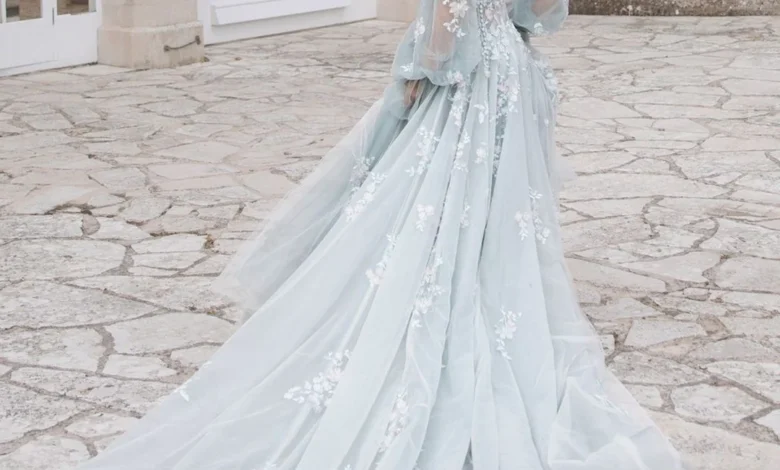
The landscape of the global bridal industry is undergoing a significant transformation as contemporary brides increasingly move away from the monochromatic tradition of the white wedding dress in favor of vibrant, expressive alternatives, most notably the blue wedding gown. For nearly two centuries, the white wedding dress has been the standard of Western matrimonial attire, a tradition largely credited to Queen Victoria’s choice of a white lace gown in 1840. However, shifting consumer values, the rise of personalized ceremonies, and a resurgence of historical symbolism have propelled shades of blue—ranging from ethereal dusty tones to commanding navy hues—into the forefront of high-fashion bridal couture.
This departure from tradition is not merely a stylistic whim but a reflection of a broader cultural shift toward individualism in the multi-billion-dollar wedding industry. Industry analysts observe that modern brides are prioritizing self-expression and personality over rigid adherence to historical norms. As designers integrate blue accents, floral patterns, and full-color silhouettes into their collections, the "something blue" tradition is being reimagined as a central aesthetic theme rather than a hidden accessory.
Historical Context and the Symbolism of "Something Blue"
The integration of blue into bridal attire is rooted in deep-seated cultural traditions. The well-known Victorian-era rhyme, "Something old, something new, something borrowed, something blue, and a silver sixpence in her shoe," has long dictated the inclusion of a blue element to represent love, purity, and fidelity. Historically, before the mid-19th century, blue was actually one of the most popular colors for wedding dresses in many parts of Europe because it symbolized the Virgin Mary and was associated with modesty and eternal devotion.
In the contemporary context, the return to blue represents a full circle in fashion history. Designers are now utilizing the color to evoke specific emotional responses: serenity through sky blue, authority and elegance through royal blue, and mystery through navy. This psychological approach to color selection allows brides to curate the "vibe" of their ceremony with greater precision than a standard white or ivory gown allows.
Analysis of Color Trends: From Dusty Hues to Royal Statements
The market for blue wedding gowns is segmented into several distinct "moods," each catering to different wedding themes and seasonal requirements. According to bridal design experts, the selection of a specific shade of blue is often the first step in defining the entire wedding’s color palette.
The Rise of Dusty and Light Blue
Dusty blue has emerged as a dominant trend in the "refined-romantic" category. This muted, sophisticated hue offers a bridge between traditional white and bold color. Its popularity is attributed to its versatility across various skin tones and its ability to pair seamlessly with neutral accents like champagne, silver, and sage green. Light blue and sky blue gowns, conversely, are frequently selected for outdoor, whimsical, or "celestial" themed weddings. These shades are often associated with the beauty of the natural world—the sky and the sea—making them ideal for destination weddings or spring ceremonies.
Authority and Elegance in Royal and Navy Blue
On the opposite end of the spectrum, royal blue and navy gowns are gaining traction among brides seeking a "maximalist" or "Victorian-gothic" aesthetic. Royal blue, often associated with power and grace, is frequently utilized in structured gowns with lace overlays or heavy satin finishes. Navy blue, meanwhile, serves as a bold alternative for evening weddings or winter ceremonies. Industry data suggests that navy is particularly popular among brides who wish to deviate from tradition while maintaining a sense of formal maturity and "red-carpet" glamour.
Hybrid Designs: The Blue and White Aesthetic
For brides who remain hesitant to fully commit to a colored gown, the "accented" dress has become a significant market niche. These designs feature blue elements such as embroidered floral patterns, blue lace appliqués, or tinted tulle underlays. This hybrid approach allows for a "princess-like" aesthetic that retains the silhouette of a traditional gown while incorporating modern color theory.
The Designer’s Perspective and Manufacturing Shifts
Bridal designers, such as those at the MYWONY atelier, emphasize that the shift toward blue requires a different approach to textile selection and garment construction. Unlike white fabric, which can be standardized, blue textiles must be carefully vetted for light-reflectivity and color depth.
Experts suggest that when selecting a shade, brides must consider the "temperature" of the blue. Cool-toned blues (with silver or grey undertones) are often recommended for winter weddings, while warm-toned blues (with slight green or teal undertones) are preferred for summer or tropical settings. This level of customization has led to an increase in bespoke bridal services, as off-the-rack retailers work to catch up with the demand for diverse color palettes.
Furthermore, the rise of the blue dress has impacted the bridesmaid and groomsmen market. To maintain a cohesive look, bridal parties are often styled in contrasting neutrals—such as ivory or cream—to ensure the bride’s blue gown remains the focal point. This inversion of the traditional "white bride, colorful bridesmaids" dynamic is a hallmark of the 2024-2025 wedding seasons.
Data and Economic Impact on the Bridal Market
The wedding industry, currently valued at over $70 billion in the United States alone, is seeing a measurable shift in consumer spending toward non-traditional attire. Market research indicates that "alternative color" wedding dresses now account for approximately 10% to 15% of the specialty bridal market, a figure that has nearly doubled over the past decade.
The demand for blue gowns is also driven by the "second look" trend, where brides purchase a traditional white gown for the ceremony and a more colorful, expressive gown—often in blue or gold—for the reception. This trend has effectively increased the average per-capita spending on bridal attire, as consumers view the wedding not just as a ceremony, but as a multi-act fashion event.
Seasonal Considerations and Practical Styling
The logistics of wearing a blue wedding dress extend to seasonal appropriateness and accessory coordination. Journalistic analysis of recent bridal fashion weeks reveals a clear chronology of how these colors are deployed throughout the year:
- Spring: Soft pastels and baby blues paired with floral lace to mimic the blooming of the season.
- Summer: Vibrant sky blues and "ice" blues that reflect sunlight and provide a cooling visual effect in outdoor settings.
- Fall: Slate blues and "dusty" tones that complement the earthy oranges and browns of the autumn landscape.
- Winter: Deep navy, royal blue, and velvet-textured blues that provide a sense of warmth and dramatic contrast against snow or indoor lighting.
Regarding accessories, the consensus among stylists is that blue gowns require a strategic approach to jewelry. While white gowns are almost universally paired with pearls or diamonds, blue gowns offer the opportunity to experiment with silver (for cool blues) or gold (for royal and navy blues). The choice of footwear has also shifted; nude, metallic, or even matching blue shoes are now preferred over the traditional white satin pump.
Industry Response and Expert Recommendations
Leading bridal consultants recommend that brides hesitant about the trend should start with subtle integrations. "The beauty of blue is its versatility," notes one industry expert tip. "It can be as loud or as quiet as the bride desires. A navy sash or a light blue veil can serve as an entry point for those not ready for a fully colored silhouette."
Additionally, the symbolic "warding off of evil" or "bringing of good luck" associated with blue in various cultures adds a layer of sentimental value that white gowns often lack. This narrative-driven approach to fashion is particularly appealing to the Millennial and Gen Z demographics, who value storytelling and authenticity in their purchasing decisions.
Broader Implications for the Future of Weddings
The rise of the blue wedding dress is symptomatic of a larger movement toward the "de-standardization" of weddings. As ceremonies become less about religious or societal expectations and more about the couple’s personal journey, the visual language of the wedding is changing.
The move toward blue and other vibrant colors also has implications for the sustainability of the bridal industry. White gowns are notoriously difficult to wear again or repurpose. A navy or dusty blue gown, however, possesses a higher degree of "re-wearability" for formal galas or anniversaries, aligning with the growing consumer interest in sustainable fashion and "investment pieces."
In conclusion, the blue wedding dress represents a sophisticated blend of historical reverence and modern rebellion. By embracing these hues, the contemporary bride is not merely choosing a different color; she is participating in a significant cultural evolution that celebrates diversity, emotion, and the breaking of long-held aesthetic barriers. As the industry continues to adapt, it is expected that the presence of blue on the bridal runway will transition from a "trend" to a permanent fixture of the modern wedding landscape.