Industries Reliant on Imported Goods Face Highest UK Supply Chain Disruption Risk Amidst Global Volatility

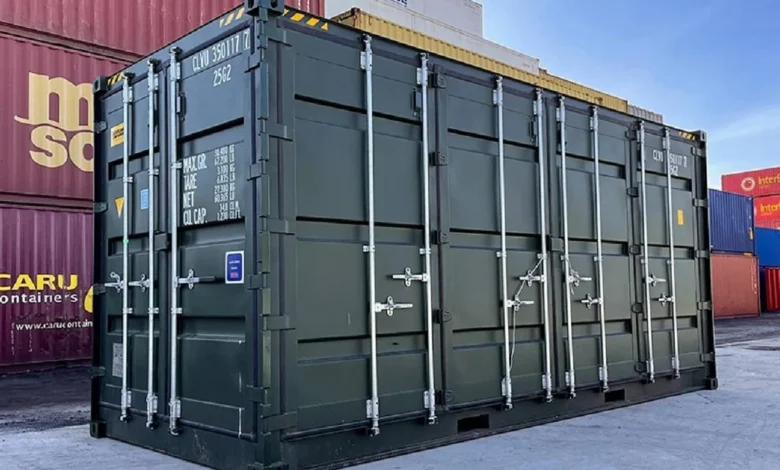
Industries heavily dependent on imported goods and internationally sourced components are currently confronting the most significant vulnerabilities within the United Kingdom’s supply chains. This heightened risk stems from persistent global trade uncertainties, geopolitical tensions, and logistical challenges that have become a defining feature of the modern economic landscape. Cleveland Containers, a prominent provider of shipping and storage solutions, has provided critical insights into these exposures, detailing how UK businesses are adapting to an era of unprecedented volatility in shipping routes and global commerce.
The foundational role of maritime trade in the UK economy cannot be overstated. Government figures from the Department for Transport reveal that a substantial majority of UK freight movements occur by sea. In 2024, this amounted to an impressive 85% by weight and a significant 55% by value. This profound reliance on maritime corridors renders key sectors such as construction, manufacturing, and retail exceptionally susceptible to any interruptions in global shipping. Such disruptions can manifest from a variety of sources, including escalating geopolitical conflicts, critical infrastructure failures, and the intensifying impact of climate-related events on global trade routes.
Recent analyses by the Office for National Statistics (ONS) have provided concrete evidence of these vulnerabilities. In 2024, instability within the Red Sea, a vital artery for global shipping, forced container ships destined for the UK to undertake lengthy diversions around the Cape of Good Hope. This rerouting strategy, while necessary to avoid conflict zones, had a direct and substantial impact on delivery times, extending them by several weeks. This underscores a critical reality for many UK businesses: their capacity to absorb unexpected delays and disruptions is increasingly limited, threatening production schedules, inventory levels, and ultimately, profitability.
The ripple effects of these logistical challenges extend far beyond individual shipments. International agencies, including the UN Trade and Development (UNCTAD), have issued stark warnings regarding the ongoing issues plaguing crucial maritime passages such as the Red Sea, the Suez Canal, and the Panama Canal. These bottlenecks are not only elevating operational costs for businesses worldwide but are also placing immense strain on the intricate global logistics network that underpins international trade.
Richard Gray, Chief Commercial Officer at Cleveland Containers, articulated the evolving nature of these challenges. "The challenge for businesses is that supply chain disruption is no longer a one-off event that can be treated as exceptional," Gray stated. "Volatility across trade routes is becoming a more regular operating condition, and that changes how businesses need to think about stock, space, and contingency planning." This shift in perspective is paramount, moving from a reactive approach to a proactive strategy focused on building resilience.
Sectors Most Vulnerable to Trade Disruption
Cleveland Containers’ observations highlight a clear pattern: sectors with a pronounced dependency on overseas imports are the most immediate and acutely affected by trade shocks.
Manufacturing: This sector stands out as particularly vulnerable. Manufacturing operations often rely on a complex web of global supply chains for essential machinery, specialized equipment, and a wide array of components. Disruptions to any part of this intricate network can halt production lines, delay product launches, and significantly impact a company’s ability to meet market demand. The latest ONS trade bulletins consistently reflect how shifts in the import and export of these categories influence monthly UK economic performance, impacting trade relations with both European Union (EU) and non-EU markets.
Construction: The construction industry is another significant area of concern. Government data for 2025 indicated that a substantial 60.2% of UK construction material imports originated from the EU. Any disruption to this flow, whether due to trade disputes, logistical bottlenecks, or unforeseen geopolitical events impacting continental Europe, can have cascading effects. These include project delays, escalating material costs, and a general scarcity of essential building supplies, directly impacting the pace and feasibility of construction projects across the nation.
Retail and Food Supply Chains: The retail sector, and particularly the food supply chain, faces unique pressures due to inherently tight restocking cycles. For businesses operating with just-in-time inventory models, even minor delays can have significant consequences, leading to stockouts and a diminished customer experience. The perishable nature of many food products adds another layer of complexity, where delays can result in spoilage and significant financial losses.
Gray further emphasized the interconnectedness of these issues: "Businesses tend to think about disruption in terms of whether goods arrive on time, but the real issue is what sits behind that. If one delayed shipment affects production, fulfillment, or a scheduled build program, the commercial impact can spread very quickly." This highlights how a single point of failure in a supply chain can trigger a domino effect, impacting multiple facets of a business’s operations and its financial health.
The Evolving Landscape of Global Trade Disruption: A Chronology
The current state of heightened supply chain vulnerability is not a sudden phenomenon but rather an escalation of trends that have been observable over the past few years.
- Early 2020s (Pre-Pandemic): While global supply chains were largely optimized for efficiency, underlying fragilities existed. Geopolitical tensions, though less pronounced in their impact on global trade, were a simmering concern.
- 2020-2022 (COVID-19 Pandemic): The pandemic acted as a significant catalyst, exposing the inherent risks of highly interconnected and lean supply chains. Lockdowns, factory closures, and a surge in demand for certain goods led to unprecedented shipping delays, port congestion, and shortages of critical components. This period served as a wake-up call for many industries.
- 2022-2023 (Post-Pandemic Adjustments and Emerging Conflicts): As economies began to recover, supply chains faced new challenges. Inflationary pressures, labor shortages, and the ongoing effects of pandemic-induced shifts in consumer behavior continued to create volatility. The Russian invasion of Ukraine in February 2022 further disrupted energy and commodity markets, adding another layer of complexity.
- Late 2023 – Present (Red Sea Crisis and Redoubled Vulnerabilities): The escalation of attacks on shipping vessels in the Red Sea, beginning in late 2023, marked a critical turning point. This vital trade route, connecting Europe and Asia via the Suez Canal, became a major point of concern. The need for vessels to reroute around Africa significantly increased transit times and costs, directly impacting UK imports. Simultaneously, ongoing issues at the Panama Canal, exacerbated by drought conditions, further constrained global shipping capacity.
This timeline illustrates a progressive increase in the frequency and severity of supply chain disruptions, moving from occasional disruptions to a more persistent state of global trade uncertainty.
Supporting Data and Official Responses
The data underpinning these concerns is robust and multifaceted. Beyond the Department for Transport and ONS figures, international bodies have been actively monitoring and reporting on the situation.
The Organisation for Economic Co-operation and Development (OECD) has consistently highlighted the interconnectedness of global value chains and the risks associated with their complexity. Their reports often emphasize the need for diversification of sourcing and enhanced transparency to mitigate vulnerabilities.
Similarly, the World Economic Forum (WEF) has published extensive research on supply chain resilience, advocating for a paradigm shift from pure efficiency to a balance between efficiency and preparedness. Their analyses frequently point to the need for increased digitalization, collaboration, and investment in infrastructure to bolster supply chain robustness.
In response to these growing concerns, the UK government has also taken steps to address supply chain risks. The publication of the government’s Critical Imports and Supply Chains Strategy signifies a broader recognition of the need to strengthen national resilience. This strategy aims to identify and mitigate risks to the supply of essential goods and materials, urging both government agencies and private companies to enhance their preparedness and reduce their exposure to disruptions. This represents a formal acknowledgment of the challenges and a commitment to developing more robust national supply chain policies.
How Businesses Are Adapting: Strategies for Resilience
In the face of these persistent challenges, UK businesses are actively recalibrating their supply chain strategies. The overarching goal is to move beyond reactive measures and build inherent resilience into their operational frameworks.
Diversification of Suppliers: A primary strategy involves reducing reliance on single-source suppliers, particularly those located in regions prone to geopolitical instability or extreme weather events. By cultivating relationships with multiple suppliers across different geographical locations, businesses can create alternative sourcing channels in the event of disruptions.
Increased Stockpiling of Critical Materials: While lean inventory management has long been a cornerstone of efficiency, the current environment necessitates a re-evaluation. Many companies are now increasing their buffer stocks of critical raw materials, components, and finished goods. This strategic stockpiling provides a cushion against delays, allowing operations to continue for a period even if new supplies are temporarily unavailable.
Enhanced Supply Chain Visibility through Digital Technology: The adoption of advanced digital tools is proving crucial. Technologies such as real-time tracking, AI-powered analytics, and integrated supply chain management platforms provide businesses with unprecedented visibility into their entire supply chain. This enables them to monitor shipments, identify potential bottlenecks proactively, and respond more rapidly to unfolding events.
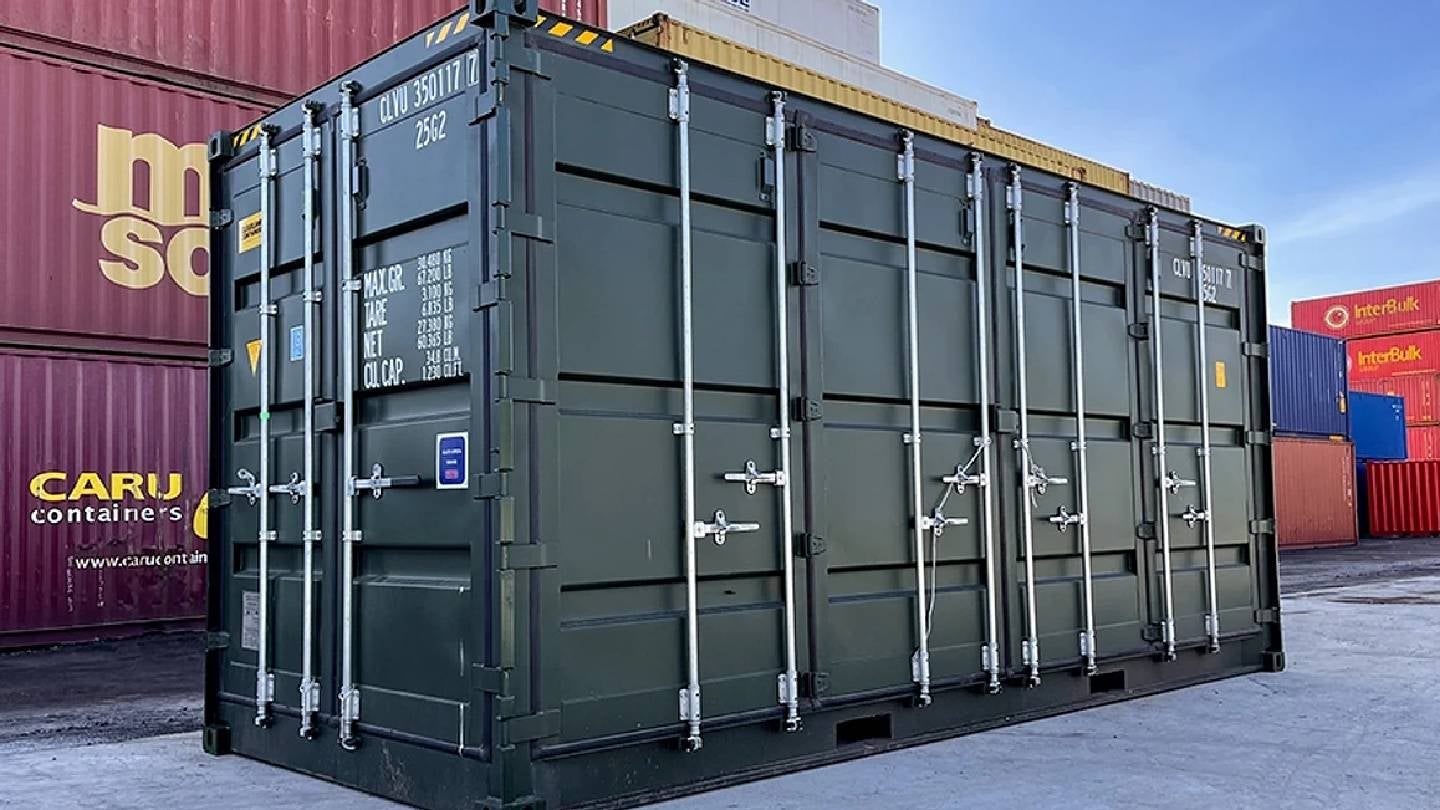
Flexible Storage Solutions: The need for increased inventory is driving demand for flexible and scalable storage solutions. Cleveland Containers has observed a growing trend of businesses turning to on-site storage options, such as deploying 20ft shipping containers. These containers offer a cost-effective and agile way to expand storage capacity quickly without the significant capital investment required for permanent warehousing facilities. This allows for rapid adjustments to inventory levels in response to unexpected delays or supply interruptions, offering a critical buffer.
Richard Gray of Cleveland Containers concludes with a forward-looking perspective: "The businesses that will handle future disruption best are the ones planning for it now. It’s not about eliminating risk entirely, but about making sure that when something does go wrong, it doesn’t bring operations to a halt." This sentiment encapsulates the prevailing wisdom in the current economic climate: proactive planning and strategic investment in resilience are no longer optional but essential for survival and success in an increasingly unpredictable global marketplace. The implications are clear: companies that fail to adapt their supply chain strategies risk facing significant commercial setbacks, impacting their competitiveness and long-term viability.