
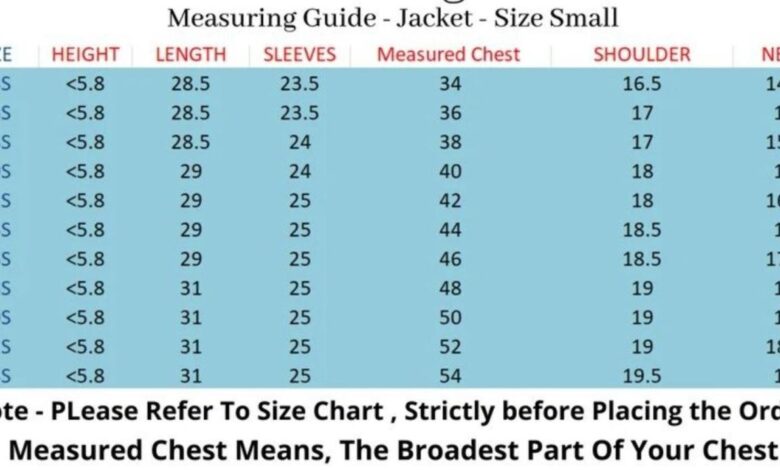
Suits or bust menswear larger chest is a critical discussion for men who want to look sharp and feel confident in their clothes. From understanding the evolution of menswear styles, to the challenges of tailoring for larger chests, this guide will equip you with the knowledge and insights to navigate the world of stylish and inclusive menswear. We’ll delve into the nuances of different suit types, alternative options, and essential styling tips to help you find the perfect fit and look, regardless of your physique.
This guide explores the historical context of men’s fashion, highlighting the importance of inclusivity and body positivity in contemporary menswear. It will address the unique considerations for tailoring suits to accommodate larger chests, providing practical advice on selecting fabrics, cuts, and sizes. Furthermore, it will present alternatives to suits, showcasing stylish and professional options that complement a larger chest.
Finally, it offers styling tips to help you create a balanced and flattering silhouette, ensuring you look and feel your best.
Understanding the Men’s Fashion Landscape
From the tailored suits of the 1950s to the relaxed streetwear of today, men’s fashion has undergone a dramatic transformation. This evolution reflects broader societal shifts, economic changes, and the ever-changing desires of men themselves. Understanding this journey is key to appreciating the current landscape and the factors influencing contemporary style choices.The history of men’s fashion is a fascinating reflection of societal values and economic forces.
Initially, menswear was often dictated by formality and practicality. As society progressed, so too did the freedom of expression within men’s clothing. This shift is clearly visible in the diverse range of styles available today, from classic tailoring to cutting-edge streetwear.
Historical Overview of Menswear Trends
Men’s fashion has always mirrored the times. The early 20th century saw the rise of the tailored suit, a symbol of sophistication and success. The 1960s brought a more relaxed aesthetic, influenced by the burgeoning youth culture and a growing sense of individualism. The 1980s introduced bold colors and patterns, a reflection of the era’s vibrant energy.
These stylistic shifts reflect the broader societal and cultural changes occurring at the time.
Shift in Preferences for Men’s Clothing
Contemporary men’s fashion showcases a remarkable diversity of styles. The preference for classic tailoring remains, but it has been complemented by a growing acceptance of more casual and relaxed looks. Athleisure, combining athletic and leisure wear, has become increasingly popular, reflecting a desire for comfort and versatility. Streetwear, with its unique blend of urban influences and bold designs, is also prominent.
The emergence of these diverse options has opened up a wide array of choices for men, enabling self-expression through their attire.
Role of Social Media and Influencers
Social media platforms and prominent influencers have revolutionized the way men discover and adopt fashion trends. Exposure to diverse styles and opinions has broadened the awareness of different fashion options. This has enabled men to explore new aesthetics and personalize their style choices. Influencers, with their dedicated followings and compelling narratives, play a significant role in shaping men’s fashion preferences.
Body Positivity and Inclusivity in Modern Menswear
Modern menswear is increasingly embracing body positivity and inclusivity. The rise of brands offering a wider range of sizes and styles caters to a broader spectrum of body types. This inclusivity reflects a growing understanding of individuality and a rejection of narrow beauty standards. The acceptance of diverse body types has led to a more welcoming and inclusive fashion environment.
Evolution of Men’s Fashion
| Era | Dominant Style | Key Features | Notable Designers |
|---|---|---|---|
| 1920s | The Jazz Age | Relaxed fits, bold colors | Paul Poiret, Coco Chanel (influenced menswear) |
| 1950s | Tailored Suits | Sharp lines, structured silhouettes | Christian Dior, Cristóbal Balenciaga (influenced menswear) |
| 1980s | Bold colors, patterns | Oversized silhouettes, statement pieces | Giorgio Armani, Versace (influenced menswear) |
| Present | Diverse styles | Athleisure, streetwear, classic tailoring | Virgil Abloh, Rick Owens (influenced menswear) |
Defining “Suits or Bust” in Menswear
The “suits or bust” philosophy in menswear represents a commitment to the elegance and sophistication that a well-tailored suit embodies. It’s a statement about personal style and the power of a tailored garment to elevate one’s appearance and confidence. This philosophy goes beyond mere practicality; it’s a declaration that a suit, in its various forms, is the pinnacle of sartorial expression for a man.This philosophy emphasizes the importance of a suit as a cornerstone of a man’s wardrobe.
It’s not just about attending formal events; it’s about projecting a certain image and confidence in various professional and social settings. Understanding the nuances of different suit styles is key to grasping this concept fully.
Types of Suits
Suits are not a monolithic entity; they come in various forms catering to different levels of formality and occasion. This allows for versatility in wardrobe planning.
- Formal Suits: These are the most structured and traditional suits, typically worn for black-tie events, weddings, and important business meetings. They are characterized by a notch lapel, a single or double-breasted jacket, and usually a matching waistcoat (vest). The fabric is often a heavier material like wool or wool blends, and the colors are classic, such as navy, charcoal, or grey.
- Semi-Formal Suits: These offer a more relaxed yet refined aesthetic. They are suitable for events that require a dressy look but not the full formality of a black-tie affair. They might include variations in lapel styles (e.g., peak lapels) and jacket cuts. Fabrics can be wool, linen blends, or even lighter materials. The color palette is wider, encompassing colors like brown, olive green, or burgundy.
- Casual Suits: These represent a departure from the traditional suit, embracing a more relaxed and informal style. They can still be composed of a jacket and trousers, but often the fabric is lighter (e.g., linen or cotton blends), and the tailoring is looser. Casual suits are perfect for business casual settings, brunch, or other everyday events requiring a more stylish approach.
The colors and patterns can be more diverse.
Suit Style Characteristics
Understanding the key characteristics of different suit styles is vital for selecting the right attire for any occasion. The choice is greatly influenced by the event’s formality and the desired impression.
- Formal suits are distinguished by their sharp tailoring, precise cuts, and often a matching waistcoat. The emphasis is on formality and elegance.
- Semi-formal suits allow for more flexibility in terms of cut and fabric, while still maintaining a refined aesthetic. They are appropriate for a broader range of occasions compared to formal suits.
- Casual suits offer a relaxed alternative to traditional suits. They prioritize comfort and style, making them ideal for a more informal setting.
Importance of Suits in Various Settings
The perception of suits in different contexts is significant. The choice of suit can convey a message about professionalism, authority, and style.
- Professional Settings: A well-tailored suit can project an image of competence and seriousness in a business environment. This is crucial for interviews, presentations, and meetings.
- Social Settings: Suits can enhance a man’s presence and style at various social events, creating an impression of sophistication and refinement.
Fit and Tailoring
A suit’s appearance is significantly enhanced by proper fit and tailoring. A custom-made suit often elevates the overall look and provides greater comfort.
- The right fit is crucial for maximizing a suit’s impact. It should allow for natural movement and comfort, without being too loose or too tight.
- Tailoring can significantly refine a suit’s appearance, addressing any imperfections and ensuring a perfect fit. It’s a key element in creating a tailored and sophisticated look.
Suit Styles for Different Body Types and Occasions
Choosing the right suit style depends on individual body type and the occasion. Understanding these factors is essential for making a confident and appropriate style choice.
- For a larger chest, a suit with a wider shoulder and a more structured fit might be preferable. Avoid overly fitted suits, as they can emphasize certain areas.
- For formal occasions, a classic navy or charcoal suit is a safe choice. Semi-formal occasions might call for a slightly more vibrant hue or a suit with a distinctive pattern.
- A well-tailored casual suit, particularly one made from a breathable fabric, can be suitable for more relaxed occasions. The key is to maintain a stylish yet relaxed look.
Addressing Larger Chest Sizes in Men’s Suits
Finding the perfect suit fit is a journey, especially for men with broader chests. It’s not just about the size number; it’s about understanding the nuances of tailoring to create a flattering and comfortable silhouette. This journey necessitates a deeper dive into the challenges and solutions for larger chests, from fabric choices to expert tailoring.Tailoring for larger chests requires careful consideration of both the fabric’s properties and the suit’s cut.
Simply ordering a larger size off the rack often leads to an ill-fitting garment, sacrificing style and comfort. A bespoke or custom approach is frequently the best solution for achieving the desired look and feel.
Tailoring Challenges for Larger Chests
Addressing larger chests in suits requires a meticulous approach to tailoring. The primary challenge lies in ensuring the suit doesn’t feel constricting or overly bulky around the chest area. This demands an understanding of the specific fabric’s drape and how it will react to the body’s contours. Additionally, the cut needs to be precisely tailored to avoid a boxy or awkward silhouette.
A well-fitted suit accentuates the wearer’s figure, while a poorly fitted one can create an unflattering appearance.
Suit Fabrics for Larger Chests
Fabric selection plays a critical role in achieving a comfortable and stylish fit. Lighter, more flexible fabrics are often preferable for men with larger chests. Woven fabrics like worsted wool, though substantial, can be tailored to accommodate larger chests with the right expertise. A lighter weight wool or a blend with natural fibers like linen or silk can provide the necessary drape and movement without feeling restrictive.
Avoid stiff, heavy fabrics that may add bulk and make the suit feel uncomfortable.
Suit Cuts for Larger Chests
The suit’s cut significantly impacts the overall aesthetic and comfort. A well-structured shoulder and a tailored chest area are crucial. A more relaxed fit, avoiding overly tight or constricting areas, is key. Avoid overly structured jackets or those with stiff lapels that may accentuate the chest. Look for jackets that allow for natural movement and drape, rather than ones that feel stiff or boxy.
This ensures the suit complements the body shape without hindering natural movement.
Reputable Tailors and Bespoke Services
Finding a reputable tailor or bespoke service specializing in larger chest sizes is essential. Word-of-mouth recommendations from friends or colleagues who have experienced positive results with tailors specializing in larger sizes are invaluable. Online reviews and portfolios can also provide insight into the tailor’s experience and expertise. Look for tailors who have a proven track record of successfully tailoring suits for men with larger chests.
Selecting the Appropriate Suit Size and Fit
Precise measurements are paramount for a well-fitting suit. Measurements beyond the standard size chart are necessary. Thorough measurements of the chest, waist, and shoulders are critical. The tailor should consider the body’s unique contours and adjust the suit accordingly. This personalized approach is vital for achieving a comfortable and flattering fit.
Importance of Proper Measurements, Suits or bust menswear larger chest
Accurate measurements are fundamental for a well-fitting suit. Inaccurate measurements can result in a suit that is either too tight or too loose, negatively impacting the wearer’s appearance and comfort. A professional tailor can take precise measurements and provide expert guidance in selecting the optimal fit. This process is vital for achieving a tailored suit that complements the wearer’s physique.
Suit-Making Techniques Comparison
| Suit-Making Technique | Considerations for Varying Chest Sizes |
|---|---|
| Bespoke | Offers maximum customization and precise fit, ideal for larger chests. Expert tailoring ensures a flattering silhouette. |
| Semi-Bespoke | Allows for customization but with some standardized elements. Suitable for those seeking a good balance between customization and cost-effectiveness. |
| Ready-to-Wear | Limited customization options. May not accommodate larger chest sizes effectively, leading to an ill-fitting suit. |
Alternative Menswear Options
Stepping outside the traditional suit can be a refreshing and stylish choice for formal and business settings. While a suit remains a classic, versatile option, exploring alternatives like blazers, sport coats, and tailored trousers can offer a more relaxed yet sophisticated look. This approach is particularly beneficial for men with larger chests, allowing for a more flattering and comfortable fit.Understanding the nuances of each style and their suitability for different occasions is key to creating a polished and professional appearance, even without a suit.
Choosing the right alternative can elevate your style while maintaining the necessary formality for various events.
Blazers: A Versatile Formal Alternative
Blazers are a versatile choice that can transition seamlessly between formal and semi-formal settings. Their structured fit and tailored silhouettes provide a refined aesthetic, while offering a more casual alternative to a full suit. Key considerations when selecting a blazer for a larger chest include a well-proportioned cut that doesn’t overwhelm the upper body. A slightly relaxed fit, with attention to the shoulders and chest area, is often more flattering than a tight-fitting style.
A well-constructed blazer will enhance your physique, emphasizing your build without hindering movement or comfort. The choice of fabric, whether wool, linen, or cotton, also plays a role in the overall impression, affecting both style and comfort.
Sport Coats: A Casual Yet Polished Option
Sport coats offer a less formal, more relaxed alternative to blazers or suits. Ideal for semi-formal events or business meetings where a suit feels overly dressy, sport coats provide a comfortable and stylish alternative. The key to a flattering fit for larger chests is a tailored cut that focuses on a balanced silhouette. Avoiding overly tight or boxy styles is important.
Look for sport coats with structured shoulders and a well-defined waist to create a streamlined look. The fabric choice should align with the occasion, with options ranging from wool blends to lighter fabrics like linen, offering versatility in terms of both style and comfort.
Tailored Trousers: The Foundation of a Polished Look
Tailored trousers are an essential component of any menswear wardrobe, regardless of the top garment. Choosing the right pair of trousers is crucial to complement a larger chest. A well-tailored fit, with careful attention to the waist and seat, is paramount. Avoid overly baggy or tight-fitting styles. Focus on a balanced silhouette that enhances your physique.
Consider fabrics such as wool, linen, or cotton blends, ensuring they complement the occasion and your personal style.
Matching Garments for a Larger Chest
When choosing non-suit options for larger chests, careful attention to fit and style is essential. A well-fitting blazer or sport coat, combined with properly tailored trousers, can create a sophisticated and professional look. The aim is to create a balanced silhouette that emphasizes your best features while maintaining a polished appearance. Avoiding overly tight or boxy styles is key.
Comparison Table: Suits vs. Blazers/Sport Coats
| Feature | Suit | Blazer | Sport Coat |
|---|---|---|---|
| Formal Occasion Suitability | High | Medium-High | Medium |
| Comfort Level | Moderate | High | High |
| Fit Considerations (Larger Chest) | Requires meticulous tailoring to avoid a constricted or bulky appearance. | Can be tailored to fit larger chests without sacrificing a sharp look. | Generally more relaxed, with tailoring important to avoid a sloppy appearance. |
| Versatility | High | Medium-High | Medium |
Styling Considerations for Larger Chests: Suits Or Bust Menswear Larger Chest
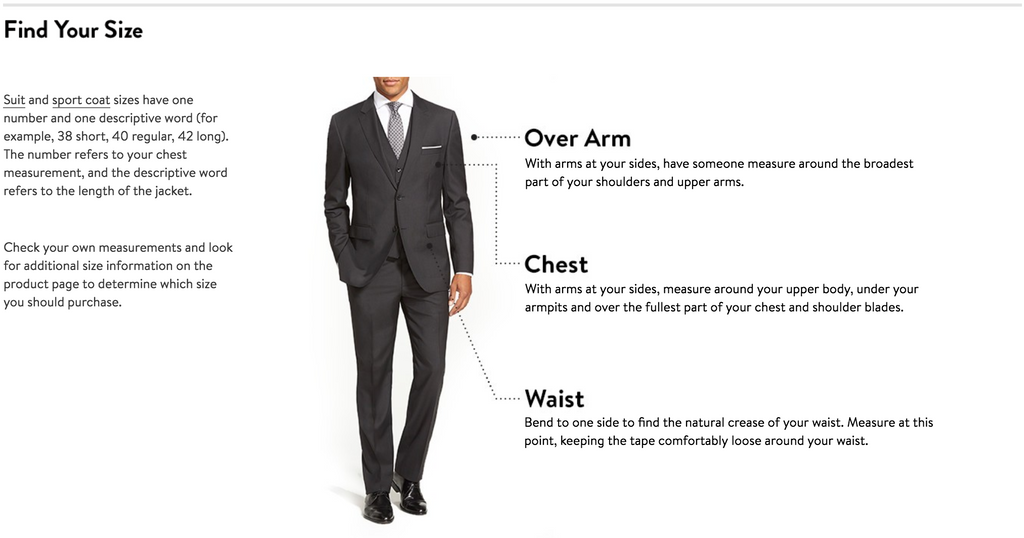
A well-tailored suit, or any garment, can accentuate a man’s best features and conceal less desirable ones. For men with larger chests, the key is to create a balanced silhouette that emphasizes the best parts of their physique without drawing unnecessary attention to areas they’d rather downplay. Finding the right fit and understanding styling choices is paramount.Understanding proportion and balance is crucial when dressing for a larger chest.
Finding the perfect suit for a larger chest can be tricky, but thankfully, menswear designers are stepping up their game. Speaking of stylish weddings, the recent nuptials of Alessandra Medina Garretti and Andrea Garretti ( alessandra medina garretti and andrea garretti wedding ) showcased some seriously impressive tailoring. Hopefully, this newfound focus on well-fitting, larger-sized suits will translate into more options and better quality for men with broader frames.
This means carefully considering the relationship between different parts of the body and how clothing choices can emphasize or de-emphasize them. The goal is to create a harmonious aesthetic that flatters the overall shape.
Selecting the Right Fit
Choosing a suit or other garment that fits well is paramount. Avoid overly tight or restrictive clothing. A tailored fit, which conforms to your body’s shape without being constricting, will be most flattering. This allows for movement and comfort, which are essential for confidence. Look for suits with a slightly wider shoulder, which creates balance and reduces any emphasis on a larger chest.
A relaxed, yet tailored fit, can help to create a more balanced aesthetic.
Finding the perfect suit for a larger chest can be a real challenge. You want something that looks sharp and stylish, not like you’re wearing a tent. Luckily, there are some great options out there, but sometimes you need to look beyond the typical menswear options. For instance, a graphic tee like the conner ives protect the dolls t shirt might just be the perfect contrast piece, allowing you to step outside the box while still maintaining a cool, collected look.
Ultimately, finding the right fit for a larger chest is all about exploring different styles and brands to find what works best for you. And don’t forget to embrace your unique style!
Color and Pattern Selection
Selecting the right colors and patterns is vital. Darker colors, such as navy, charcoal, or deep burgundy, can often create a slimming effect. Avoid overly bright or busy patterns that might draw undue attention to the chest area. Subtle patterns, like subtle checks or subtle stripes, can add visual interest without overpowering the overall silhouette. A well-chosen solid color can also be very effective.
Figuring out menswear for a larger chest can be tricky, sometimes feeling like you’re choosing between suits or bust. But, like finding the right balance in life, sometimes it’s about embracing confidence, just as Kim Cattrall’s recovering people pleaser resolution shows us. Ultimately, finding the perfect fit and style is key, and that often involves exploring different options, so keep experimenting and you’ll find your perfect suit fit.
Consider the color wheel and how different colors interact with each other. For example, blues and greys often work well together to create a sophisticated and balanced look.
Shirt, Tie, and Accessory Choices
Selecting the right shirts, ties, and accessories is crucial to complement a larger chest without overpowering the overall look. A button-down shirt with a relaxed fit, yet well-tailored, can help to create a balanced aesthetic. Avoid overly tight shirts that might emphasize the chest area. When choosing ties, consider the width and pattern. A narrower tie, around 2.5 inches wide, is often more appropriate for men with larger chests.
Avoid overly wide ties that could overwhelm the chest. A solid-color tie can create a more sophisticated and streamlined look.
Importance of Proportion and Balance
Achieving proportion and balance is key to a flattering silhouette. A well-proportioned outfit will make the wearer appear taller and more balanced. The length of the jacket, the width of the shoulders, and the placement of the waistline all play a role in achieving a balanced look. For example, a longer jacket can create the illusion of a longer torso, balancing the overall look.
Tips for Selecting Neckties
| Tie Width | Effect on Larger Chest | Recommendation |
|---|---|---|
| Narrow (2.5 inches or less) | Creates a more streamlined and balanced look, avoiding visual weight on the chest. | Suitable for most larger chest sizes. |
| Medium (3 inches) | Can work well, but might need to be paired with a more tailored jacket to maintain balance. | Consider this option if the chest is not exceptionally large. |
| Wide (3.5 inches or more) | Might overwhelm the chest, drawing undue attention to the area. | Generally not recommended for men with larger chests. |
Choosing the right necktie can significantly impact the overall look. The width of the tie, its pattern, and the overall balance with the suit and shirt all contribute to the final effect.
Shoe and Accessory Choices
Choosing the right shoes and accessories can enhance the overall look. A pair of well-made dress shoes, in a classic style, will complete the outfit. A simple watch or cufflinks, in a suitable metal tone and style, can add a touch of sophistication. The key is to maintain a consistent aesthetic, avoiding any accessories that might clash or draw attention away from the balanced overall look.
Exploring Trends and Innovations
The menswear landscape is undergoing a significant evolution, moving away from rigid norms and embracing inclusivity. This shift is particularly noticeable in how designers and brands are approaching larger chest sizes, recognizing the need for more adaptable and stylish options. The industry is responding with innovative designs, embracing new technologies, and showcasing a greater understanding of diverse body types.Contemporary menswear is increasingly characterized by a willingness to cater to a wider range of physiques.
This reflects a growing consumer demand for clothing that fits and flatters individuals, regardless of their size or shape. Designers are moving beyond traditional sizing charts and embracing more nuanced approaches to garment construction.
Current Trends in Inclusivity
The current trend in menswear leans heavily toward inclusivity, recognizing that fashion should be accessible and appealing to all men. This translates into broader sizing ranges, more diverse silhouettes, and a greater emphasis on individuality. Brands are understanding that “one size fits all” is no longer a viable approach, and a more nuanced understanding of body types is essential.
This is particularly important for larger chest sizes, where traditional suit designs often fall short.
Innovative Suit Design for Larger Chests
Designers are employing several innovative approaches to suit design for men with larger chests. These include using stretch fabrics that allow for greater movement and comfort without compromising style. Furthermore, the use of tailored patterns, carefully constructed to accommodate larger chests without sacrificing a sharp silhouette, is becoming more prevalent. This approach often involves adjusting the placement of seams and the use of specific draping techniques.
Technology and Materials Shaping the Future
Technology and materials are playing a crucial role in shaping the future of men’s fashion. Advanced fabrics are being developed with properties like enhanced breathability, wrinkle resistance, and improved drape, which are particularly beneficial for men with larger chests. Computer-aided design (CAD) and 3D body scanning technologies are enabling more precise tailoring, leading to suits that fit more comfortably and flatter individual physiques.
Brands are also experimenting with innovative materials like recycled fabrics and sustainable alternatives, demonstrating a growing commitment to eco-friendly practices.
Brands Leading the Charge in Inclusive Menswear
The fashion industry is witnessing a surge in brands committed to inclusive menswear. These brands are not only expanding their sizing ranges but also actively incorporating diverse body types into their marketing and promotional campaigns. This demonstrates a clear understanding that inclusive design is not just a trend but a fundamental shift in the industry’s approach.
| Designer/Brand | Approach to Larger Sizes |
|---|---|
| Brand A | Offers a wide range of sizes, including extended sizes. Their tailoring focuses on a relaxed fit that complements larger chests without compromising style. |
| Brand B | Utilizes advanced stretch fabrics and tailored patterns to accommodate larger chest sizes while maintaining a sharp silhouette. |
| Designer C | Employs 3D body scanning technology to create custom-fit suits that precisely accommodate larger chest sizes, offering exceptional comfort and style. |
Ultimate Conclusion
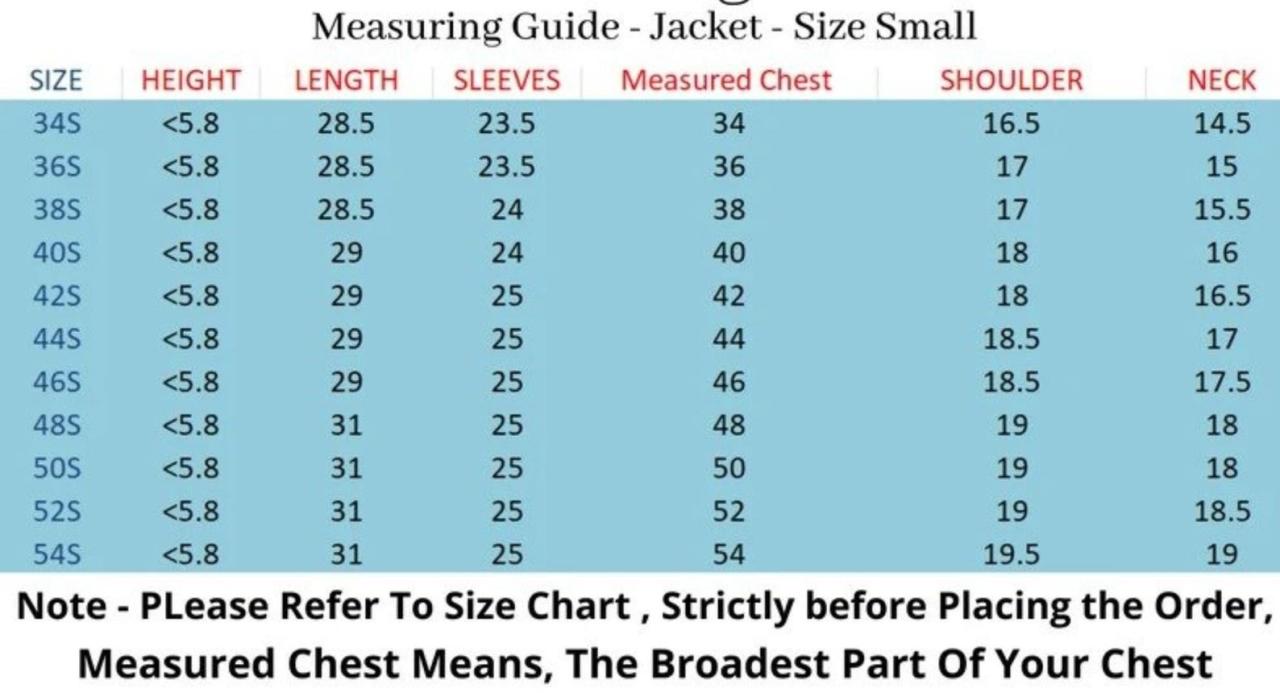
Ultimately, this exploration of suits or bust menswear larger chest empowers you to make informed decisions about your wardrobe. By understanding the evolution of menswear, tailoring considerations for larger chests, and alternative options, you can confidently choose styles that flatter your body type and reflect your personal style. Remember, confidence comes from feeling good in your clothes, and this guide provides the tools to achieve that.
So, embrace the power of style, and find the perfect suit or the perfect alternative that makes you feel great!


