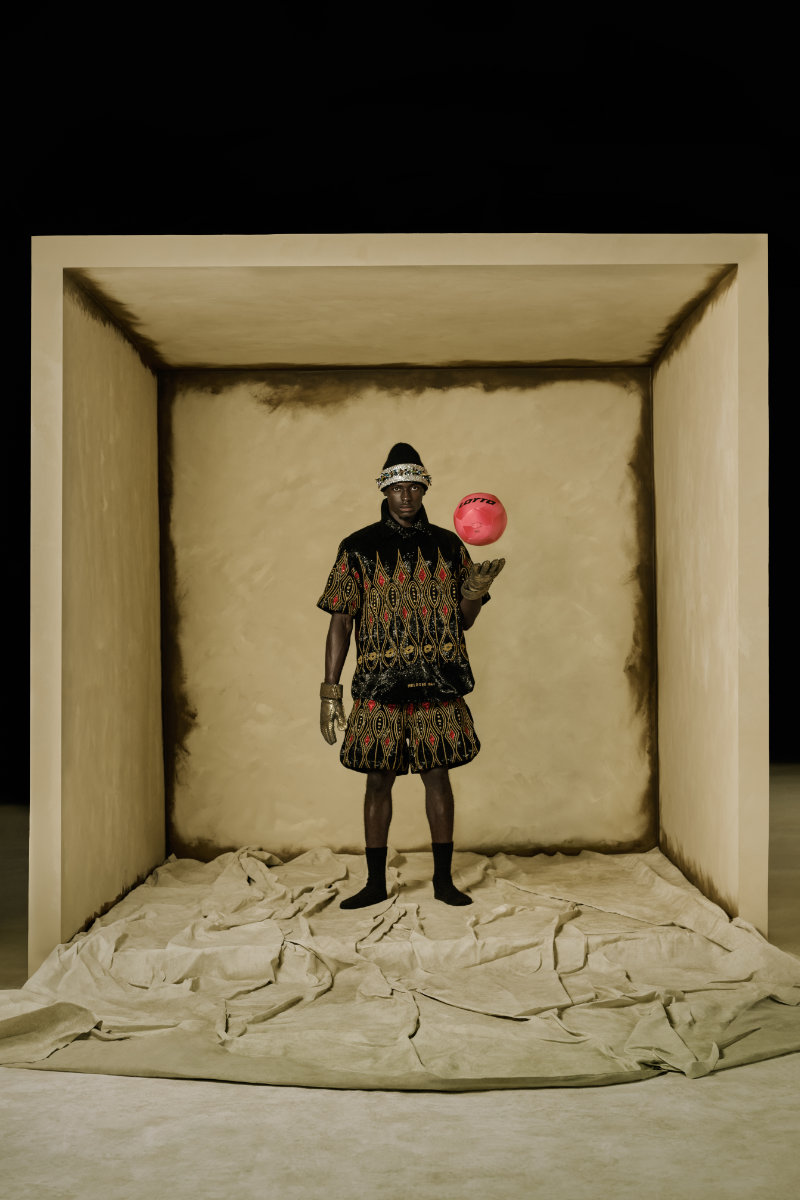
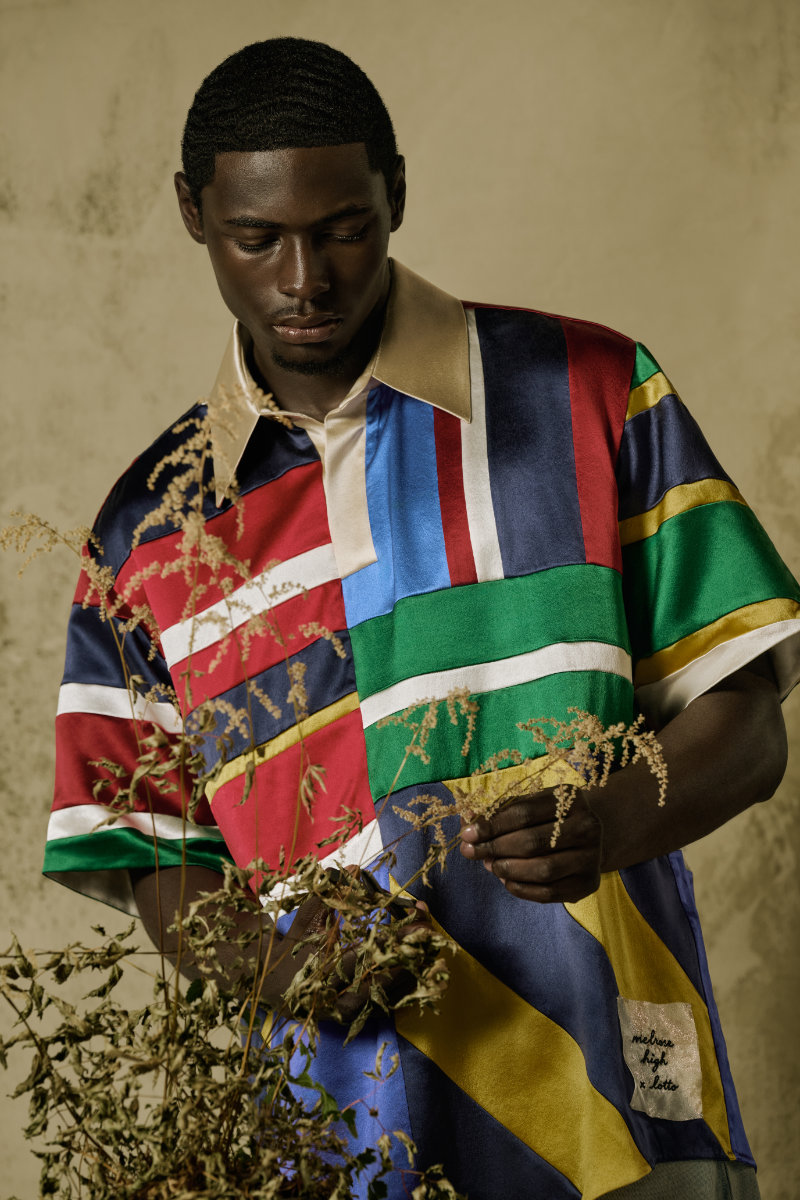
The collaboration between heritage sportswear brand LOTTO and Los Angeles-based label Melrose High has culminated in the launch of a limited-edition capsule collection titled "Faith Not Sight." This exclusive offering intricately weaves together LOTTO’s rich athletic legacy with the meticulous, handcrafted design ethos of Melrose High, presenting a unique narrative that transcends conventional fashion. The collection draws inspiration from the profound role of a goalkeeper, emphasizing protection and unwavering belief over fleeting glory, a sentiment captured in the family creed, "Faith Not Sight," which is symbolically stitched into each garment.
A Legacy of Protection: The Genesis of "Faith Not Sight"
At the heart of the "Faith Not Sight" capsule lies a deeply personal narrative, "A Letter to My Son." This poignant piece, penned from Sir Elidir Ddu to his son Antonio Manuel Marquis upon entrusting him with the critical role of goalkeeper, serves as the thematic bedrock of the collection. Each item is conceived not merely as apparel, but as a tangible heirloom, envisioned as garments passed down through generations, akin to armor and inheritance from a father to his son. This concept imbues the collection with a sense of enduring value and familial legacy. The goalkeeper, a figure inherently tasked with safeguarding the goal rather than basking in the spotlight of offensive play, becomes the central archetype. Their stoic dedication and the unseen battles they endure are translated into the very fabric and design of the pieces, embodying resilience and unwavering commitment. The overarching family motto, "Faith Not Sight," acts as a guiding principle, underscoring the importance of inner conviction and trust in one’s abilities, even when the outcome is uncertain. This philosophical underpinning elevates the collection beyond mere aesthetics, offering a narrative of personal strength and inherited wisdom.
Craftsmanship and Heritage: A Fusion of Styles
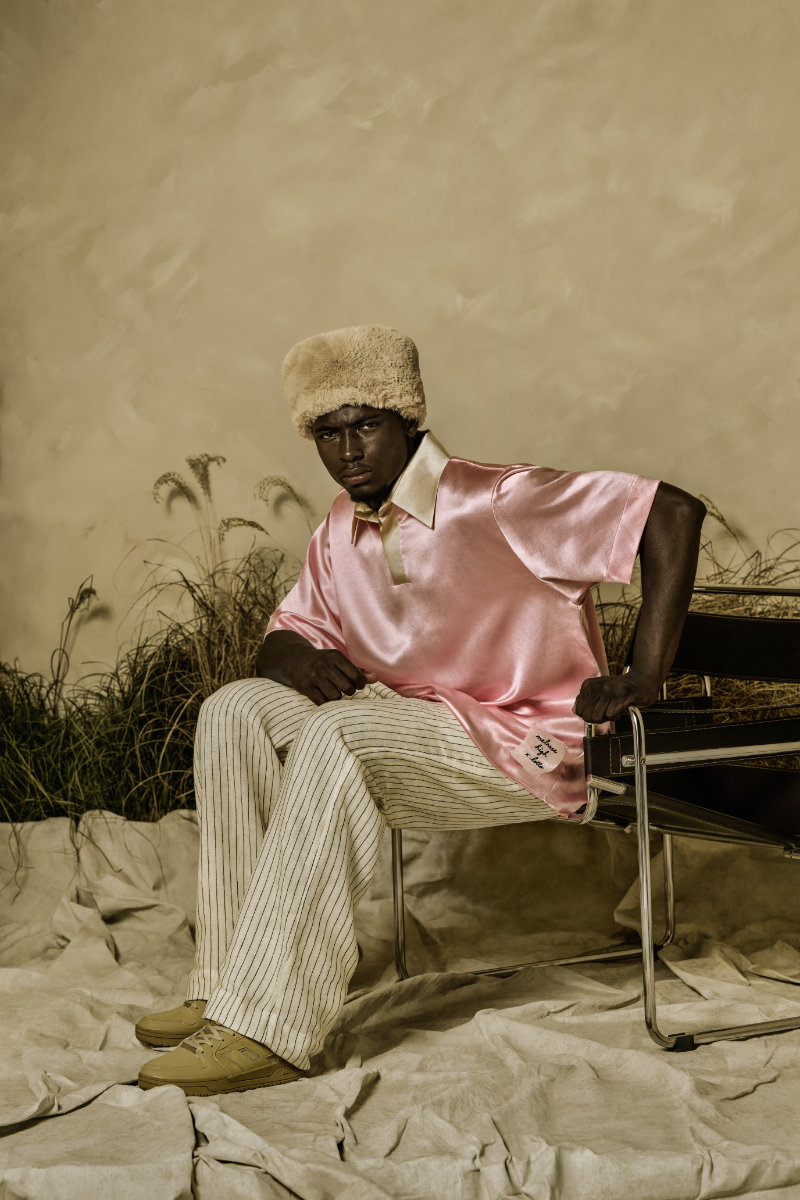
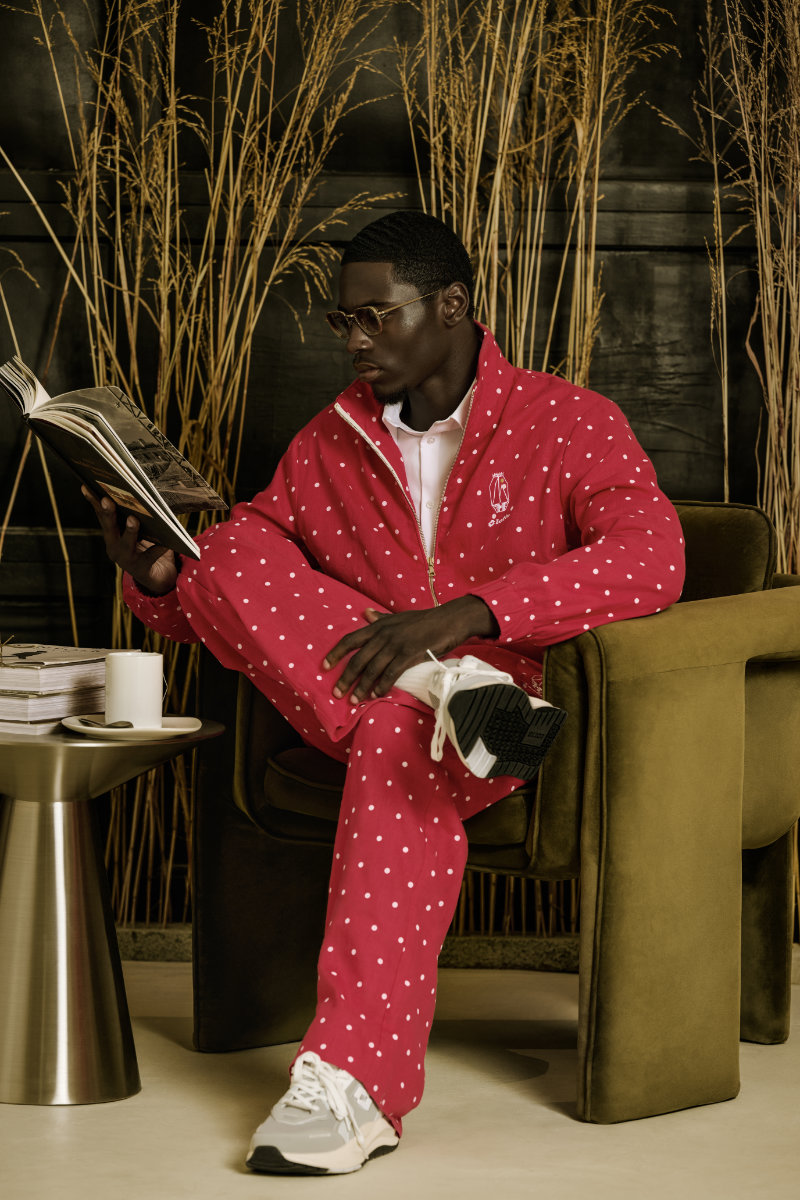
The "Faith Not Sight" capsule showcases a compelling fusion of distinct design elements, meticulously curated to reflect both brands’ identities. Prominently featured are "Crowns of Cairo," a series of vintage silk tops that exude an air of timeless elegance and refined luxury. These are complemented by expertly tailored linen suiting, offering a sophisticated and breathable aesthetic suitable for a variety of occasions.
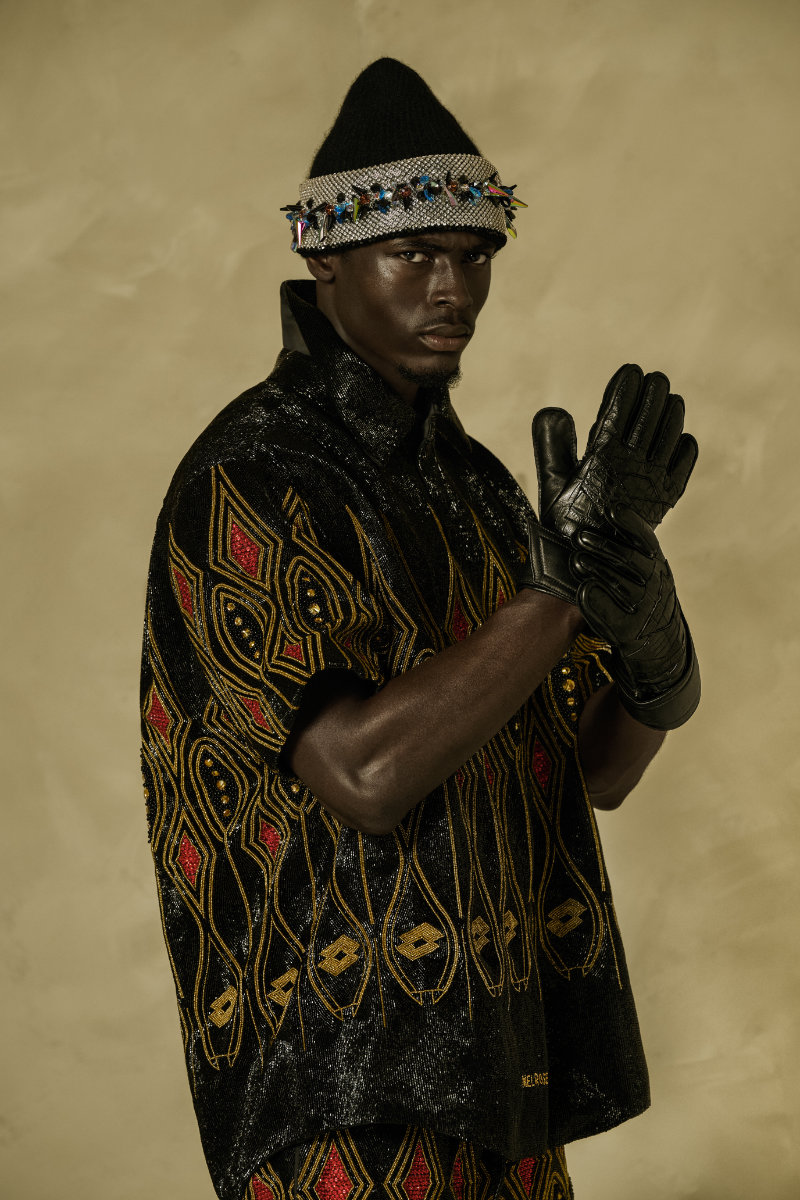
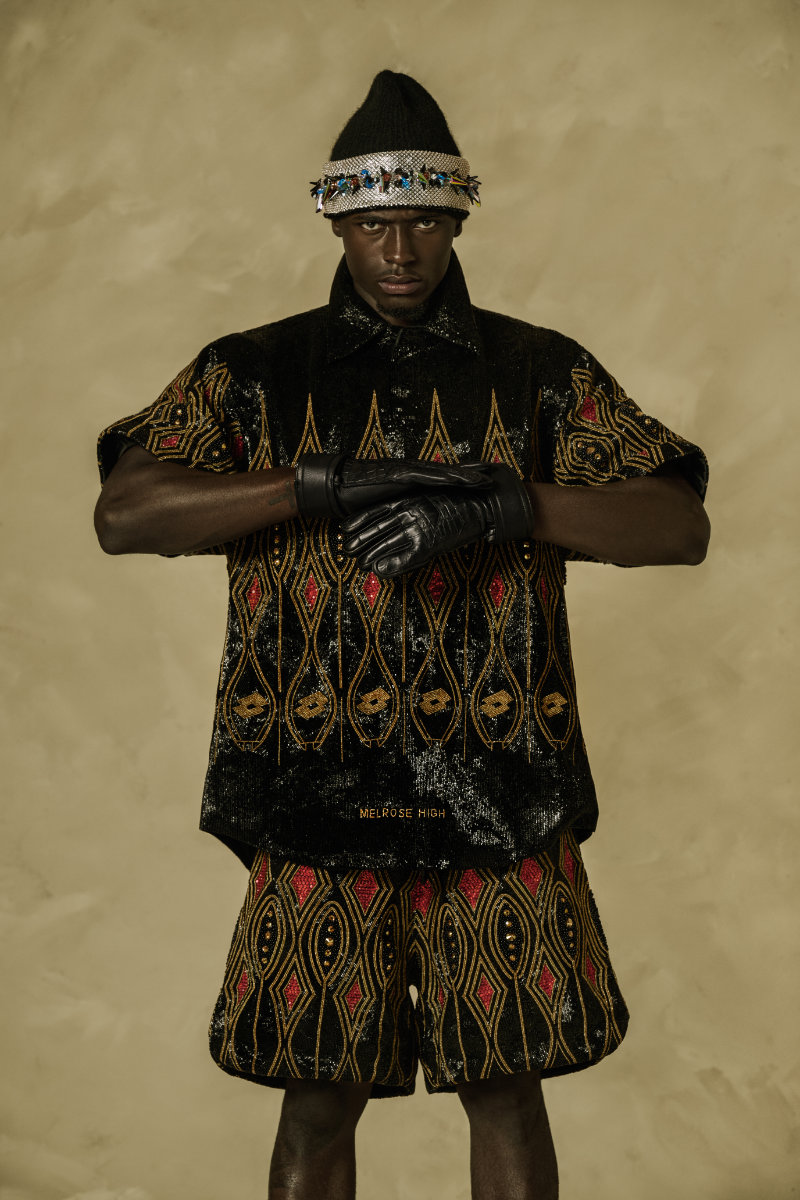
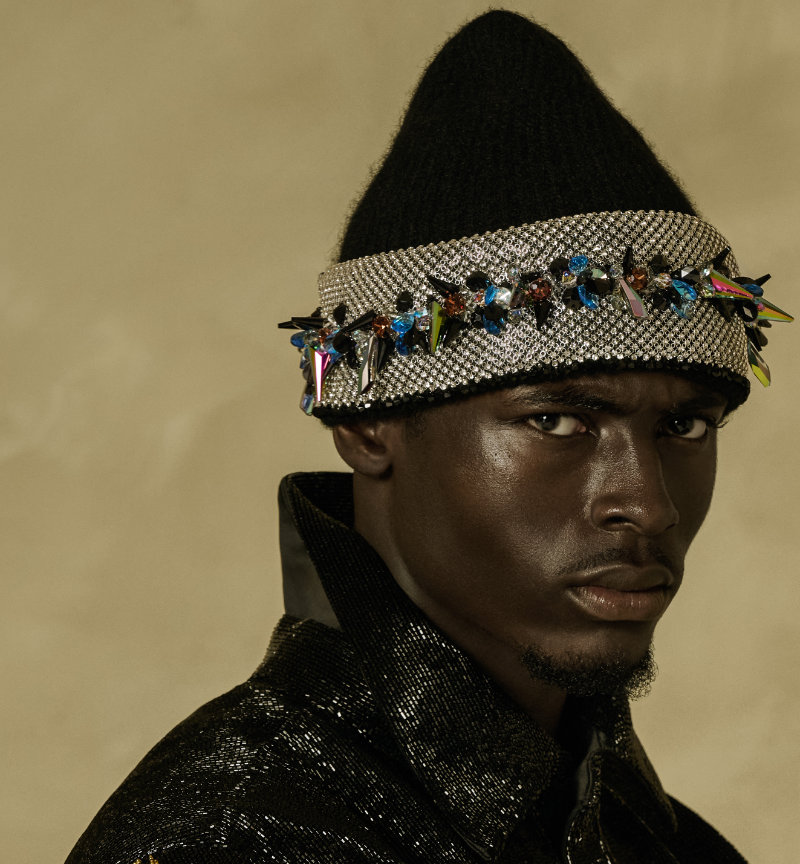
However, the collection’s true artistry is revealed in its museum-quality, hand-beaded goalkeeper pieces. These are not mere replicas but artisanal creations that elevate sportswear to the realm of fine art. The centerpiece of this intricate craftsmanship is a custom goalkeeper jersey and matching shorts. Each bead on these garments has been individually placed by master artisans, a testament to the painstaking dedication and skill involved. The sheer volume of glass beads, meticulously applied, creates a rich texture and a visual spectacle that speaks volumes about the value placed on detail and heritage craftsmanship. This process, which can take hundreds of hours per garment, highlights the exclusivity and artisanal nature of the collection, positioning it as a collector’s item rather than fast fashion.
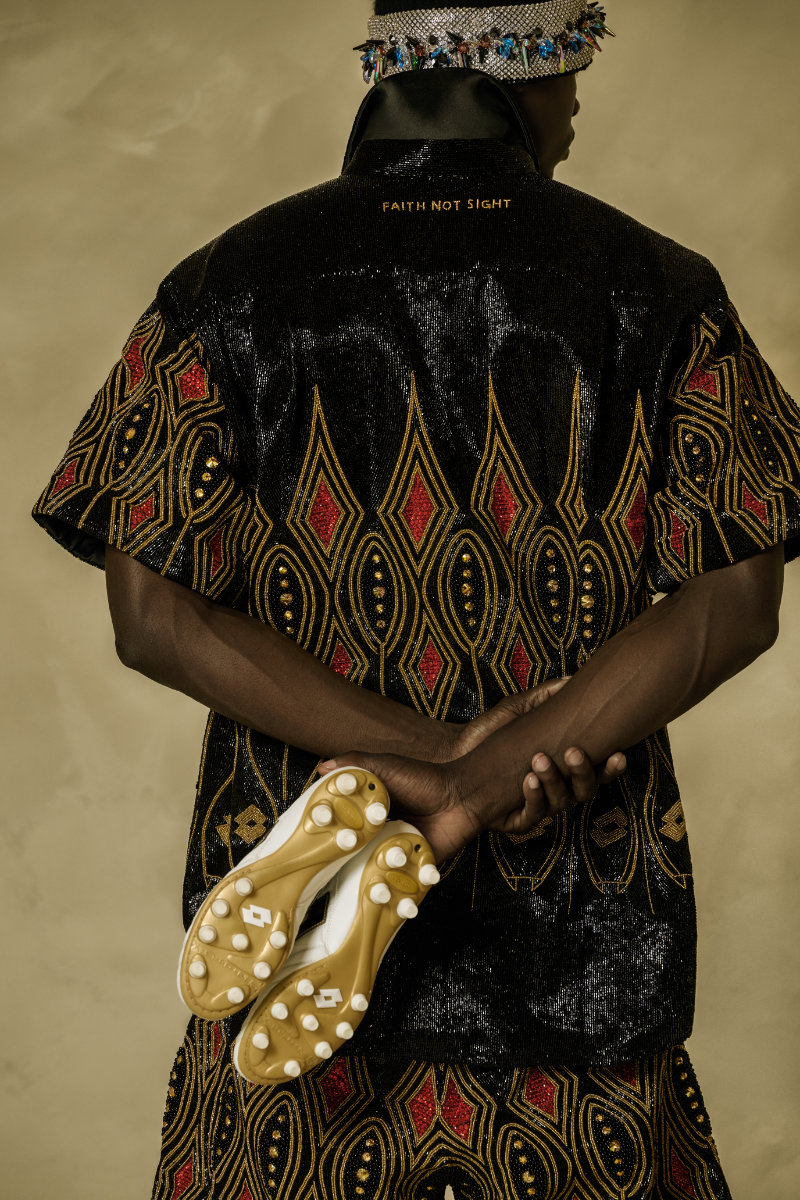
Further enhancing the installation is a unique, not-for-sale sneaker, a collaborative effort with Sui Customs. This bespoke footwear piece represents the apex of design innovation and exclusivity, serving as a silent testament to the creative boundaries being pushed within the capsule. The integration of these diverse elements – vintage silks, refined tailoring, and exquisite beadwork – creates a cohesive yet multifaceted collection that appeals to a discerning audience appreciating both athletic heritage and avant-garde design.
The Narrative of Inheritance: From Father to Son
The concept of inheritance is central to the "Faith Not Sight" capsule, providing a deep emotional and thematic resonance. The narrative of Sir Elidir Ddu’s letter to his son Antonio Manuel Marquis is more than just a creative prompt; it’s the blueprint for how each piece is intended to be perceived and cherished. The idea of a father passing down a trunk of garments to his son encapsulates a transfer of not just clothing, but of history, experience, and resilience. These are not transient fashion trends, but enduring pieces designed to be worn, loved, and perhaps one day, passed on again.
The goalkeeper, as the chosen symbol, embodies a specific kind of familial duty and protective spirit. Their role is one of constant vigilance, of being the last line of defense, a position that demands immense mental fortitude and a profound sense of responsibility. This mirrors the paternal role of safeguarding and guiding one’s offspring. The "Faith Not Sight" creed, stitched into every garment, becomes a mantra for both the wearer and the legacy it represents. It suggests a reliance on intuition, belief, and inner strength, particularly when facing challenges, much like a goalkeeper trusts their instincts in the heat of the game. This narrative arc adds a layer of profound storytelling to the collection, transforming it into a wearable testament to familial bonds and enduring values.
Availability and Exclusivity
The "Faith Not Sight" capsule collection, a testament to the synergistic creativity of LOTTO and Melrose High, is available in extremely limited quantities. This exclusivity underscores the artisanal nature of the pieces and their intended status as collector’s items. Potential buyers can secure these unique garments through select high-end retailers, including The Webster and H. Lorenzo. These curated retail partners are known for their discerning selection of luxury and avant-garde fashion, making them ideal platforms for showcasing the artistic merit and narrative depth of the "Faith Not Sight" collection.
For further details regarding the collection, including specific product information and the inspiration behind each piece, interested parties are encouraged to visit the official LOTTO website at lottosport.com. This platform serves as the central hub for all information pertaining to the collaboration, offering insights into the design process, the narrative, and the availability of the limited-edition items. The carefully chosen distribution channels and the emphasis on limited availability signal a strategic approach to marketing that prioritizes artistry and collectibility over mass market appeal.

Broader Implications and Market Positioning
The collaboration between LOTTO and Melrose High on the "Faith Not Sight" capsule signifies a growing trend within the fashion industry: the convergence of heritage sportswear with high-fashion craftsmanship and narrative depth. In an era where consumers increasingly seek authenticity and storytelling in their purchases, this partnership taps into a desire for products that offer more than just aesthetic appeal.

The emphasis on hand-beaded elements and artisanal techniques places the collection firmly in the luxury segment of the market. This strategy allows LOTTO, a brand historically associated with accessible sportswear, to transcend its traditional positioning and appeal to a more affluent and fashion-forward demographic. Simultaneously, it provides Melrose High with a broader platform to showcase its design capabilities and narrative-driven approach to a global audience.

The "Faith Not Sight" capsule can be seen as a strategic move to redefine brand perceptions and capture niche markets. By investing in such collaborations, heritage brands can revitalize their image, while emerging labels can leverage established names to gain wider recognition. The success of such ventures often hinges on the ability to authentically translate brand heritage into contemporary relevance, a challenge that LOTTO and Melrose High appear to have met with considerable artistic merit and commercial acumen. The collection’s narrative, focusing on themes of protection, faith, and familial legacy, resonates with a broader cultural zeitgeist that values depth, meaning, and enduring quality in an increasingly ephemeral world.
The future implications of such collaborations are significant. They signal a potential shift in how sportswear brands can evolve, moving beyond purely functional or trend-driven offerings to create pieces that are both wearable art and vehicles for personal expression and historical connection. The "Faith Not Sight" capsule serves as a compelling case study in how heritage can be reimagined through innovative design and compelling storytelling, creating products that hold both intrinsic and extrinsic value. The limited nature of the release ensures its desirability, positioning it as a significant acquisition for collectors and fashion enthusiasts alike. The strategic choice of retailers further solidifies its standing within the luxury fashion landscape, suggesting a deliberate effort to curate its reception and impact.