Kornit Digital Unveils Atlas Matrix Unified Digital Production System and Acquires Workflow Software Leader PrintFactory

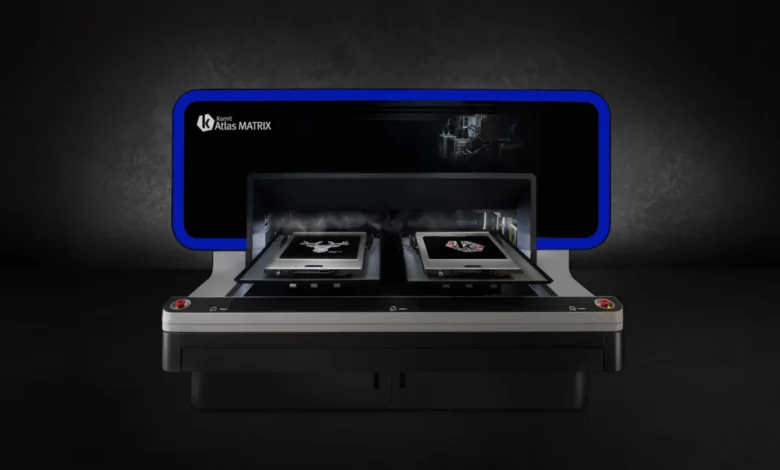
HOLLYWOOD, FL, USA – April 14, 2026 – Kornit Digital, a global leader in digital textile printing solutions, today announced a significant advancement in on-demand textile manufacturing with the launch of its Atlas Matrix unified digital production system. The unveiling, which took place at the company’s Konnections 2026 event in Hollywood, Florida, was accompanied by the simultaneous acquisition of PrintFactory, a Netherlands-based technology company renowned for its cloud-native workflow, color management, and production automation software. This strategic move aims to revolutionize apparel production by enabling true demand-driven manufacturing with unprecedented flexibility and efficiency across a wide range of fabrics.
The Atlas Matrix is engineered to address long-standing industry challenges, particularly the limitations faced when printing on polyester and blended fabrics, which often require complex processes and compromises in quality or durability. This new system promises to deliver consistent, vibrant, and durable results in a single-step process, maintaining a soft hand feel that meets stringent retail standards.
Addressing Industry Bottlenecks in Polyester Printing
For years, the textile printing industry has grappled with a dichotomy: screen printing offers robust results on polyester but demands lengthy setup times, multiple process steps, and costly measures to manage dye migration and ensure consistency. Digital solutions, while improving, have historically faced performance limitations on certain polyester types, requiring intricate process tuning and operational complexity.
"For years the industry has been constrained by trade-offs, but that is finally changing," stated Ronen Samuel, CEO of Kornit Digital. "Screen printing can deliver strong results on polyester, but requires long setup times and multiple process steps, with additional costs to control dye migration and maintain consistency. Digital solutions, including earlier generations such as Atlas Max Poly, meaningfully expanded the boundaries of what’s possible, but performance on polyester still depended on fabric type, process tuning and operational complexity. Atlas Matrix removes these limitations entirely and firmly positions digital as the new standard for apparel production."
The Atlas Matrix system directly tackles these issues through its proprietary Karbon Shield technology. This innovative protection layer is designed to prevent dye migration, even on deeply dyed and sublimated polyester fabrics, which are notoriously challenging for digital printing. This capability is crucial as polyester and blended materials constitute a growing segment of the apparel market.
The Strategic Integration of PrintFactory
The acquisition of PrintFactory is a key component of Kornit’s strategy to create a seamless, end-to-end digital production ecosystem. PrintFactory’s advanced automation capabilities are expected to significantly enhance Kornit’s platform by connecting production workflows and fulfillment processes into a single, continuous digital chain.

The demand for digital textile production continues to surge globally. However, many large-scale producers still encounter substantial operational hurdles when transitioning from traditional methods. These challenges include managing intricate workflows, coordinating multiple technologies, optimizing IT integration, and ensuring consistent output across diverse production lines. PrintFactory’s software suite directly addresses these pain points.
PrintFactory’s platform offers unified workflow management and ensures consistent output across mixed technology environments. This allows producers to achieve predictable results regardless of the specific printing technologies employed on their factory floors. By simplifying the transition to digital production, this acquisition is poised to accelerate Kornit’s penetration into the vast screen-printing market, a segment representing approximately 14 billion impressions annually. Notably, a significant portion of this market, around six billion impressions annually, involves run lengths below 1,000 units, where agility, speed, and flexibility are paramount. Approximately 30% of this volume comprises polyester and blended materials, demanding increasingly higher performance and quality standards – a market segment the Atlas Matrix is specifically engineered to serve at scale.
Unlocking Demand-Driven Manufacturing
The Atlas Matrix is designed to enable true demand-driven manufacturing, a paradigm shift towards producing goods only when and where they are needed. This model significantly reduces waste, optimizes inventory, and allows for greater customization and responsiveness to market trends.
The system’s flexibility extends to various printing methods. It supports direct printing utilizing Karbon Shield technology and transfer printing on film using Karbon Transfer. A critical advantage is the full consistency maintained between these decoration methods, ensuring a unified brand experience regardless of the chosen production technique. This capability is vital for brands aiming for consistent aesthetic appeal across diverse product lines and materials.
A Chronology of Innovation and Strategic Growth
Kornit Digital’s journey towards this integrated solution has been marked by a series of technological advancements and strategic acquisitions aimed at expanding the capabilities of digital textile printing.
- Early 2000s: Kornit Digital emerges as a pioneer in direct-to-garment (DTG) printing, focusing on addressing the limitations of existing technologies and offering more efficient and environmentally friendly alternatives to screen printing.
- Mid-2010s: The company introduces advanced DTG systems capable of printing on a wider range of fabrics and colors, including darker materials, laying the groundwork for broader application.
- Late 2010s: Kornit expands its portfolio to include solutions for broader textile applications beyond apparel, such as home décor and fashion textiles, demonstrating a commitment to diverse market needs.
- Early 2020s: The development of technologies specifically targeting polyester printing gains momentum, recognizing the market’s growing demand for digital solutions in this challenging segment. This period likely saw significant R&D investment in dye migration control and color consistency.
- 2024-2025: Preparations for the Atlas Matrix launch likely involved extensive testing and refinement of the Karbon Shield technology and integration of advanced workflow management principles. Discussions and due diligence for the PrintFactory acquisition would have been underway.
- April 14, 2026: The Konnections 2026 event serves as the public platform for the unveiling of the Atlas Matrix and the announcement of the PrintFactory acquisition, marking a pivotal moment in Kornit’s strategic roadmap.
This timeline highlights Kornit’s consistent focus on innovation, from foundational DTG technology to specialized solutions for challenging substrates and comprehensive workflow integration. The acquisition of PrintFactory represents a culmination of efforts to provide a holistic digital production solution.
Supporting Data and Market Context
The global digital textile printing market is experiencing robust growth, driven by increasing demand for personalization, sustainable production methods, and faster turnaround times. According to recent market analyses, the digital textile printing market was valued at approximately USD 2.5 billion in 2023 and is projected to reach over USD 6.5 billion by 2030, exhibiting a compound annual growth rate (CAGR) of over 14%.

Key drivers for this growth include:
- Sustainability: Digital printing significantly reduces water and energy consumption compared to traditional methods, aligning with industry-wide sustainability goals.
- On-Demand Production: The ability to print small batches and customized designs caters to the rise of e-commerce and fast fashion, minimizing overstock and waste.
- Technological Advancements: Continuous innovation in ink formulations, printhead technology, and workflow software enhances speed, quality, and substrate compatibility.
The specific segment of polyester printing, where Atlas Matrix aims to excel, is particularly significant. Polyester is a widely used synthetic fiber in apparel due to its durability, wrinkle resistance, and affordability. However, its hydrophobic nature and tendency for dye sublimation present unique printing challenges. The ability to overcome these challenges digitally opens up substantial opportunities for brands and manufacturers.
The screen-printing market, estimated at 14 billion impressions annually, represents a massive opportunity for digital disruption, especially in segments where flexibility and speed are critical. The transition of even a fraction of these impressions to digital platforms would represent significant market share capture for Kornit.
Implications for the Apparel Industry
The introduction of the Atlas Matrix, coupled with the PrintFactory acquisition, carries profound implications for the apparel industry:
- Democratization of Production: Smaller brands and designers can now access high-quality digital printing capabilities for polyester and blended fabrics, enabling greater creative freedom and market entry without the prohibitive costs and complexities of traditional setups.
- Enhanced Supply Chain Agility: Brands can respond more rapidly to changing fashion trends and consumer demands, shifting towards more agile and responsive supply chains that reduce lead times and inventory risks.
- Sustainability Gains: The move towards on-demand digital production inherently supports sustainability by minimizing waste associated with overproduction and inefficient traditional processes.
- Quality and Durability Standards: The assurance of consistent quality and durability on challenging fabrics like polyester sets a new benchmark for digital textile printing, bridging the gap with established traditional methods.
- Streamlined Operations for Manufacturers: For large-scale manufacturers, the integration of PrintFactory’s workflow automation simplifies the transition to digital, reduces operational friction, and ensures predictable production outcomes across diverse machinery.
Broader Industry Reactions and Future Outlook
While specific third-party reactions to the acquisition and product launch are not detailed in the provided text, it is reasonable to infer that the announcement would be met with keen interest from various stakeholders within the textile and apparel ecosystem.
- Brands and Retailers: Companies seeking greater flexibility, speed-to-market, and enhanced sustainability in their supply chains are likely to view these developments positively, seeing them as enablers of innovative business models.
- Manufacturers and Printers: Those looking to upgrade their production capabilities, particularly those currently reliant on traditional screen printing for polyester, will see the Atlas Matrix as a compelling next-generation solution. The integration of workflow automation from PrintFactory would be particularly attractive for streamlining operations.
- Competitors: Other digital textile printing technology providers will undoubtedly be analyzing the implications of Kornit’s integrated approach, potentially spurring further innovation and consolidation within the market.
- Industry Analysts and Investors: Financial analysts and investors in the textile technology sector will likely assess the strategic significance of this move, evaluating its potential to drive market share growth and profitability for Kornit Digital.
Kornit Digital’s strategic integration of advanced printing hardware with sophisticated workflow software positions the company as a comprehensive solution provider for the evolving demands of the textile industry. The Atlas Matrix and the PrintFactory acquisition signal a significant step towards a future where digital production is not just an alternative but the preferred standard for apparel manufacturing, characterized by flexibility, efficiency, and sustainability.
For further information, visit www.kornit.com.