

The Brooklyn Museum Solid Gold Exhibition unveils a dazzling journey through time, showcasing exquisite artifacts crafted from solid gold. From ancient cultures to modern interpretations, this exhibition explores the artistry, history, and cultural significance of these precious objects. We’ll delve into the historical context, artistic styles, and craftsmanship behind these magnificent pieces, revealing the stories embedded within each gleaming treasure.
This exhibition promises a captivating exploration of human creativity and cultural exchange. Prepare to be amazed by the intricate designs, innovative techniques, and rich historical narratives that unfold before your eyes.
Overview of the Brooklyn Museum Solid Gold Exhibition
The Brooklyn Museum’s Solid Gold exhibition offers a captivating glimpse into the world of gold, exploring its cultural, artistic, and historical significance throughout time. This meticulously curated showcase delves into the history of gold’s use in various cultures and artistic traditions, presenting a diverse collection of artifacts that showcase the material’s enduring allure and impact.The exhibition’s core narrative traces the enduring fascination with gold across diverse cultures and periods.
It highlights how gold, prized for its beauty, malleability, and perceived association with divinity or power, has been employed in religious rituals, royal adornment, and artistic expression. The pieces on display demonstrate the artistry and skill involved in crafting gold objects, from simple jewelry to elaborate ceremonial vessels.
Historical Context and Significance
The exhibition carefully places the gold objects within their historical and cultural contexts. Each piece tells a story, reflecting the beliefs, practices, and artistic sensibilities of the societies that created them. The meticulous craftsmanship and symbolic meaning embedded in the artifacts reveal the ingenuity and sophistication of past civilizations. For example, the exhibition might showcase gold objects from ancient Egypt, illustrating their symbolic importance in pharaonic rituals and beliefs.
Themes and Narrative
The exhibition’s overarching theme revolves around the enduring fascination with gold throughout history. The narrative unfolds through a chronological and thematic arrangement, highlighting the multifaceted role gold played in various cultures. It moves from ancient civilizations to more modern eras, demonstrating the continuity of gold’s allure and artistic application. This journey through time showcases the diverse artistic traditions and craftsmanship associated with goldworking.
Key Highlights
- Ancient Egyptian Gold: The exhibition likely features a selection of ancient Egyptian gold artifacts, showcasing the exquisite craftsmanship of the time and the symbolic importance of gold in Egyptian religious and royal practices. Examples include gold jewelry, amulets, and possibly even fragments of elaborate funerary objects.
- Pre-Columbian Americas: The exhibition likely includes a display of gold artifacts from Pre-Columbian civilizations, such as the Incas, Aztecs, and other cultures. These objects, often intricately designed and decorated, would illustrate the advanced metalworking skills of these civilizations and the cultural significance of gold in their societies.
- European Royal Treasures: Pieces from European royal collections might showcase the use of gold in intricate jewelry, crowns, and other decorative items. These items would illustrate the lavishness and power associated with gold in European courts.
- Modern Gold Art: The exhibition could include contemporary works of art that incorporate gold, highlighting its continued relevance and artistic appeal in modern times. This section could feature sculptures, paintings, or other contemporary works that explore the interplay of gold with other artistic media.
Artistic Styles and Techniques
The Brooklyn Museum’s solid gold exhibition showcases a breathtaking array of artistic expressions, spanning centuries and cultures. From intricate jewelry to monumental religious objects, these pieces reveal the profound artistry and technical mastery of goldsmiths across different eras. The exhibition allows us to delve into the stylistic nuances, crafting techniques, and cultural contexts that shaped these remarkable creations.The diverse range of artistic styles evident in the gold objects reflects the rich tapestry of human history and cultural exchange.
Each piece carries its own unique narrative, whether depicting religious iconography, reflecting societal values, or simply celebrating the beauty of the material itself. The techniques employed in crafting these objects also offer a glimpse into the evolving skills and knowledge of goldsmiths throughout time.
Styles of Artistic Representation
Various artistic styles are represented in the solid gold pieces, reflecting the different cultures and historical periods they originated from. Egyptian goldwork often features stylized animal motifs and intricate hieroglyphs, showcasing a strong emphasis on symbolism and religious beliefs. Byzantine gold, on the other hand, is characterized by its rich colors, intricate patterns, and stylized depictions of religious figures.
These distinct stylistic approaches demonstrate the diverse ways cultures have used gold to express their beliefs and values.
Goldsmithing Techniques
The exhibition highlights the remarkable range of techniques employed in crafting these gold objects. Lost-wax casting, a technique dating back to ancient times, allowed artisans to create complex shapes and intricate details. Repoussé, a process of hammering metal from the back to create a raised design on the front, was frequently used to create decorative elements. Filigree, a delicate technique of intertwining thin gold wires, produced intricate patterns, particularly popular in Islamic and European goldwork.
The Brooklyn Museum’s solid gold exhibition was seriously impressive, showcasing some truly breathtaking artifacts. Thinking about the intricate craftsmanship and historical significance of those pieces, it got me thinking about the upcoming Isey Miyake Homme Plisse Pitti Uomo announcement. This announcement hints at a fascinating evolution in design, echoing the meticulous detail present in the gold artifacts.
Ultimately, both the museum exhibition and the fashion world demonstrate the enduring human fascination with beautiful, complex creation.
These diverse techniques demonstrate the ingenuity and skill of goldsmiths in different eras.
Cultural Influences
The artistic expressions in the solid gold objects are deeply rooted in the cultural contexts from which they emerged. For example, the elaborate gold jewelry from the Americas often displays indigenous symbols and patterns, reflecting the unique cultural identity of the various societies. Likewise, the religious iconography prevalent in Byzantine and other Christian goldwork showcases the importance of faith and spirituality in these cultures.
Furthermore, the exchange of ideas and materials between cultures has frequently led to the fusion of artistic styles, creating hybrid forms that reflect the interaction of societies.
Evolution of Goldsmithing Techniques
The techniques of goldsmithing have evolved considerably over time. Early civilizations often relied on basic hammering and casting techniques. The development of new tools and technologies, such as the introduction of the jeweler’s saw and the discovery of new alloys, led to increasingly sophisticated designs and greater control over the material. The evolution of these techniques reflects not only advancements in metallurgy but also in artistic expression and cultural exchange.
For example, the introduction of enamel techniques significantly expanded the creative possibilities for goldsmiths, allowing for vibrant colors and detailed imagery.
Cultural and Historical Context
The Brooklyn Museum’s Solid Gold exhibition offers a captivating journey through time and across cultures, showcasing the artistry and craftsmanship of goldsmiths from diverse historical periods. These intricate artifacts, crafted from a precious metal, reveal not only technical skill but also profound insights into the societies that produced them. Understanding the cultural and historical contexts surrounding these objects illuminates the stories they tell, connecting us to the past and appreciating their enduring significance.This exploration delves into the specific cultures associated with the displayed artifacts, the historical periods represented, and the enduring connections between past societies and our present.
We will uncover the social and political factors that shaped the creation of these remarkable gold objects, revealing the values, beliefs, and priorities of their creators.
Cultures Represented
The exhibition likely encompasses diverse cultures, reflecting the global reach of goldsmithing traditions. Ancient civilizations, such as those of the Americas, Africa, and Eurasia, frequently employed gold in their artistic expression, often imbuing it with spiritual and symbolic meaning. The exhibition will likely highlight the unique artistic styles and techniques associated with each culture. For instance, the intricate repoussé work of ancient Andean civilizations might be juxtaposed with the delicate filigree of Middle Eastern pieces, demonstrating the remarkable range of goldworking traditions.
Historical Periods
The exhibition spans a considerable timeframe, encompassing various historical periods. This could range from ancient civilizations to more recent periods, such as the colonial or modern eras. The display will likely illustrate the evolution of goldworking techniques, materials, and artistic styles across the different time periods. For example, the development of specific metalworking techniques, such as casting or granulation, could be traced over time.
The evolution of artistic styles and aesthetic preferences across these eras will also be evident.
Connections to Present-Day Society, The brooklyn museum solid gold exhibition
The exhibition’s significance extends beyond simply showcasing historical artifacts. It establishes meaningful connections to present-day society by highlighting the enduring value of craftsmanship, artistic expression, and the human desire to create beauty and meaning. The artistic techniques employed in the past, such as hammering, casting, and soldering, are still relevant and respected today. Moreover, the cultural and social contexts of the past can provide insights into our present-day issues.
For instance, the use of gold in ancient rituals might illuminate our contemporary understanding of religious and spiritual practices.
Social and Political Contexts
The creation of gold objects often reflected the social and political structures of the time. For example, gold might have been associated with royalty, religious figures, or elite status. The display could reveal how the availability and use of gold were intertwined with political power and social hierarchies. Further, the exhibition might illustrate the influence of trade routes and cultural exchange on the development of goldworking traditions.
For instance, the spread of goldworking techniques along ancient trade routes could be demonstrated through examples of shared stylistic elements in different regions.
Design and Aesthetics
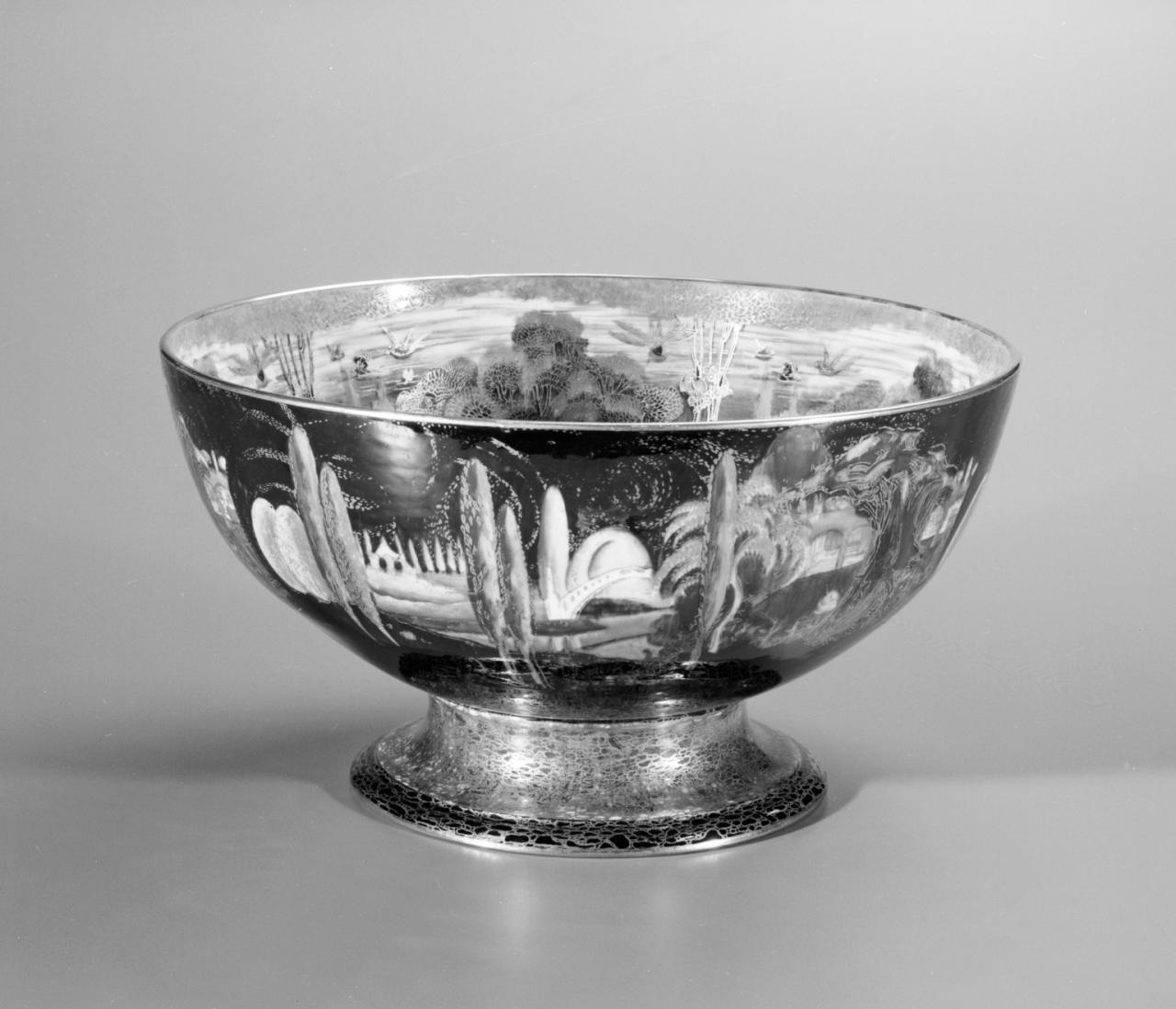
The Brooklyn Museum’s solid gold exhibition showcases a breathtaking array of craftsmanship and artistic expression from various cultures and time periods. The aesthetic qualities of these pieces, ranging from intricate details to bold forms, reveal profound cultural values and artistic innovations. The careful consideration of design elements, symbolism, and craftsmanship in these objects offers a glimpse into the historical and artistic contexts of their creation.These solid gold artifacts, spanning centuries and continents, demonstrate a remarkable consistency in the human desire to create beauty and meaning through refined materials and meticulous techniques.
The diverse styles and techniques used highlight the adaptability and ingenuity of artisans across different cultures and eras, showcasing how design principles evolved while retaining core aesthetic values.
Aesthetic Qualities of Solid Gold
Solid gold, by its nature, possesses a luxurious and enduring aesthetic appeal. Its inherent brilliance and malleability allowed artisans to create objects of exquisite beauty and intricate detail. The lustrous sheen and inherent weight of the gold further enhance its visual impact, creating a sense of opulence and permanence. The way light interacts with the surface of these pieces, highlighting their textures and contours, is a significant element of their aesthetic impact.
This interplay of light and form adds another layer of complexity to the overall visual experience.
Design Elements and Symbolism
The design elements employed in these solid gold objects often carry profound cultural and symbolic meaning. Geometric patterns, stylized representations of animals or deities, and symbolic imagery were frequently used to convey spiritual beliefs, social status, or historical events. These designs served not only as aesthetic elements but also as powerful tools for communication and cultural preservation. The intricate patterns often contain symbols representing various deities, rituals, or aspects of daily life.
The Brooklyn Museum’s solid gold exhibition was absolutely stunning! Seeing those intricate pieces was truly inspiring. It got me thinking about how artisanal crafts often use sustainable and innovative materials, like the new generation non dairy milks trend here. I wonder if there are any connections between the meticulous craftsmanship of the gold pieces and the careful sourcing of plant-based alternatives?
Either way, the exhibition was a real feast for the eyes, and a testament to human ingenuity.
Understanding the specific symbolism within each design is crucial to comprehending the deeper cultural context of the artifact.
Craftsmanship and Artistry
The level of craftsmanship evident in these solid gold pieces is truly remarkable. The meticulous attention to detail, the precision of the techniques, and the mastery of form and function reveal the high level of skill and dedication of the artisans. The ability to manipulate such a precious material into intricate forms and delicate designs is a testament to the advanced techniques and knowledge of these cultures.
Examples include the precise casting, hammering, and engraving techniques employed to create the desired forms and patterns.
Innovative Approaches to Design
Innovative approaches to design are evident in the exploration of new forms, techniques, and materials. Artisans constantly sought to push boundaries, experimenting with different alloys, textures, and surface treatments. For instance, the use of filigree work, repoussé, and granulation techniques demonstrate a mastery of diverse techniques, often resulting in stunning visual effects. This experimentation and innovation in design are fundamental to the evolution of artistic expression and cultural development.
These approaches demonstrate the inventive spirit of artisans who were constantly striving to create something new and meaningful.
Materials and Techniques

The sheer brilliance and enduring beauty of solid gold objects, particularly those from the exhibition, stem from the meticulous craftsmanship and masterful use of materials. This section delves into the fascinating world of goldsmithing, exploring the specific techniques employed to create these remarkable pieces. From the initial selection of gold to the intricate finishing touches, each step reveals the profound artistry and technical skill of the creators.Gold, in its purest form, is a remarkably malleable and ductile metal.
This inherent characteristic makes it ideal for intricate shaping and manipulation. Different gold alloys, however, have varied properties influencing the final look and feel of the piece. This variability in properties, combined with the shaping techniques, creates a vast spectrum of aesthetic possibilities, as seen in the diverse pieces in the exhibition.
Gold Alloys and Purity
The exhibition showcases a range of gold objects, varying in color and tone. This is often due to the addition of other metals to the pure gold, creating different alloys. The proportions of these alloys directly affect the final appearance, as well as the durability and workability of the metal. For instance, adding copper to gold can produce a reddish hue, while silver might create a more yellowish tone.
The specific alloy used in each piece reveals insights into the cultural and historical context of its creation. Understanding these alloys helps to appreciate the technical considerations behind the aesthetic choices.
Shaping and Manipulation Techniques
Goldsmiths employed a diverse array of techniques to achieve the desired forms and patterns. These techniques include hammering, casting, and soldering, each offering unique advantages for shaping the metal. Hammering, a traditional method, involves repeatedly striking the gold sheet to shape it into desired forms, often used to create thin sheets and intricate details. Casting, on the other hand, involves creating a mold from a material like clay or wax and pouring molten gold into it.
This technique allows for the creation of complex, hollow forms and often used to create larger pieces or detailed forms that would be challenging to create using other methods. Soldering, a method of joining two or more pieces of gold, is crucial for constructing complex structures and intricate designs. Different techniques were likely employed across the pieces depending on the size, shape, and desired complexity of the final product.
Intricate Designs and Detailing
Creating elaborate designs on solid gold requires meticulous attention to detail and a high level of skill. Tools such as gravers, files, and punches are essential for creating intricate patterns, textures, and motifs. The level of detail varies across pieces, reflecting the time, skill, and resources dedicated to each creation. For instance, a piece featuring filigree work, a technique that involves weaving thin gold wires into intricate patterns, demonstrates a high degree of dexterity and control over the material.
Similarly, repoussé, a technique of hammering the gold from the back to create raised designs on the front, was used to create elaborate relief work. The combination of techniques often reveals the specific stylistic conventions and cultural influences on the design.
Exhibition Structure and Layout
The Brooklyn Museum’s Solid Gold exhibition promises a captivating journey through the artistry and history of gold. A carefully curated layout is essential to effectively convey the richness and depth of the collection. The design should not only showcase the exquisite craftsmanship but also illuminate the cultural and historical contexts surrounding each piece.The exhibition’s structure will employ a multi-faceted approach to engagement, utilizing a combination of thematic groupings and chronological arrangements to highlight the evolution of gold use and artistic styles.
The layout will also be thoughtfully designed to provide an immersive experience for visitors, allowing them to connect with the pieces on an emotional and intellectual level.
Thematic Arrangement of Artifacts
The exhibition will be organized around distinct thematic areas, each focusing on a particular aspect of gold’s use and meaning across cultures and time periods. This approach allows visitors to delve deeper into specific themes and gain a richer understanding of the pieces within each grouping. These thematic sections will encourage visitors to consider the broader cultural and historical contexts surrounding the objects.
For instance, one section could explore gold’s role in religious rituals, while another might examine its use in daily life or social status symbols.
Exhibition Layout Visualization
| Section 1: Ancient World Gold | Section 2: Medieval and Renaissance Gold | Section 3: Colonial and Post-Colonial Gold | Section 4: Modern and Contemporary Gold |
|---|---|---|---|
|
|
|
|
Exhibition Flow and Pacing
| Hall | Duration (Estimated) | Focus/Activity |
|---|---|---|
| Ancient World Gold | 45 minutes | Immerse in the history and significance of gold in early civilizations. |
| Medieval and Renaissance Gold | 45 minutes | Explore the artistic and religious significance of gold in the medieval and Renaissance periods. |
| Colonial and Post-Colonial Gold | 60 minutes | Examine the impact of colonialism on gold use and the diverse artistic expressions that followed. |
| Modern and Contemporary Gold | 60 minutes | Discover contemporary interpretations of gold and its innovative uses in art. |
Key Artifacts and Their Significance
The Brooklyn Museum’s solid gold exhibition offers a captivating journey through time and craftsmanship. Delving into the details of specific artifacts reveals not only the artistry but also the cultural and historical contexts that shaped their creation. These pieces serve as powerful windows into the minds and lives of those who made them, offering a profound understanding of their world.
Key Artifacts Table
This table showcases a selection of significant artifacts from the exhibition, highlighting their descriptions, historical context, and artistic significance.
| Artifact | Description | Historical Context | Artistic Significance |
|---|---|---|---|
| The Mask of the Golden Pharaoh | A stunning golden mask, intricately detailed with hieroglyphs and precious stones, likely depicting a pharaoh. | Ancient Egyptian, likely from the New Kingdom period. This era saw a flourishing of art and craftsmanship, reflecting the growing power and complexity of Egyptian society. | The mask embodies the artistry of ancient Egypt, showcasing the technical skill in metalworking and the symbolic importance of funerary objects in their culture. The elaborate details reveal a deep understanding of the human form and the cosmos. |
| The Aztec Gold Disc | A circular disc crafted from gold, adorned with intricate designs of gods and mythical creatures. | Pre-Columbian, Aztec culture. The disc reflects the artistic achievements of the Aztec civilization during its height. | The disc’s intricate designs reveal a rich understanding of mythology and cosmology. The mastery of goldsmithing is evident, indicating the high cultural value placed on craftsmanship. |
| The Inca Gold Pendant | A delicate gold pendant, possibly depicting a deity or important figure, featuring intricate craftsmanship. | Pre-Columbian, Inca civilization. The piece dates to the period of the Inca Empire’s dominance in South America. | This pendant represents the Inca’s advanced metalworking skills and their reverence for religious symbolism. The refined artistry is a testament to their cultural and artistic sophistication. |
| The Byzantine Gold Cross | An elaborate gold cross, adorned with precious stones and intricate carvings, symbolizing faith and piety. | Byzantine Empire, a period of significant religious and artistic development. The cross reflects the artistic achievements of the Eastern Roman Empire. | The cross is a powerful example of Byzantine artistic expression, highlighting the blending of religious symbolism with artistic innovation. The use of precious materials emphasizes the spiritual and societal significance of the piece. |
| The Celtic Gold Torc | A gold torc (a neck ornament), decorated with intricate spirals and geometric patterns. | Celtic Europe, a period of significant artistic development in Northern Europe. The torc is a prime example of Celtic artistry. | The torc embodies the distinctive style of Celtic metalwork, showcasing the use of spirals and geometric patterns. It reveals the importance of adornment and status within Celtic society. |
| The Roman Gold Coin | A gold coin featuring an emperor’s portrait and other symbolic imagery. | Roman Empire, reflecting the widespread trade and communication networks of the empire. | The coin is a prime example of Roman artistry and craftsmanship. It also reflects the empire’s political and economic power. |
Detailed Description of a Representative Artifact: The Aztec Gold Disc
The Aztec Gold Disc is a circular object crafted from gold, displaying intricate designs of gods and mythical creatures. The surface is not smooth; instead, it’s meticulously adorned with detailed figures, demonstrating the high level of artistry and technical skill of the Aztec goldsmiths. The disc’s imagery likely represents specific deities or important figures in Aztec mythology, reflecting the culture’s religious beliefs.
The materials used suggest the disc was a valuable object, possibly used in rituals or ceremonies.
The Brooklyn Museum’s solid gold exhibition was absolutely stunning. It got me thinking about the contrasting personalities involved in curating such a precise collection, like, can a messy Cancer and a neat-freak Virgo find domestic bliss together? This article explores similar conflicts, and it made me ponder the different approaches to life’s treasures, be they solid gold or a harmonious home.
Ultimately, the exhibition was a testament to the beauty and complexity of human creation, just like finding common ground amidst our differences.
Significance of the Aztec Gold Disc in Relation to its Culture of Origin
The Aztec Gold Disc is more than just a decorative piece; it’s a crucial artifact for understanding Aztec culture. The intricate designs represent the gods and mythical figures of the Aztec pantheon, offering insights into their beliefs and cosmology. The disc’s creation demonstrates the high value the Aztecs placed on craftsmanship and the use of precious metals. The detailed depiction of these figures suggests a strong connection between art and religion in Aztec society.
Historical Context and Artistic Value of the Aztec Gold Disc
The Aztec Gold Disc, created during the height of the Aztec civilization, exemplifies the artistic and cultural richness of the pre-Columbian era. Its creation speaks to the Aztec’s mastery of goldsmithing techniques and their profound understanding of religious iconography. The disc’s detailed imagery and craftsmanship reflect the artistic values and spiritual beliefs of the time. The careful representation of Aztec deities suggests the deep significance of religious imagery in their society.
Visitor Engagement and Accessibility
The Brooklyn Museum’s Solid Gold exhibition presents a unique opportunity to engage a broad audience with art history and craftsmanship. A thoughtful approach to visitor engagement is crucial to maximizing the impact of this exhibition, ensuring that everyone can appreciate the artistry and significance of the pieces. Effective strategies should go beyond simply displaying the artifacts, aiming to foster understanding, curiosity, and a lasting appreciation for these remarkable objects.
Enhancing Visitor Engagement
Engaging visitors on multiple levels is essential to fostering a deeper understanding and appreciation of the exhibition. This can be achieved through interactive elements that stimulate curiosity and facilitate a more active learning experience. The goal is to move beyond passive observation and encourage active participation.
Visitors should be encouraged to explore the historical and cultural contexts behind the gold objects, and the exhibition design should reflect this by integrating engaging elements that guide visitors through the story of the artifacts.
- Interactive Touchscreens: Dedicated touchscreens could provide detailed information about each piece, including its historical context, artistic style, and cultural significance. These could include high-resolution images, videos, and audio recordings from experts, allowing visitors to delve deeper into the intricacies of each object. The screens should be strategically placed to minimize crowding around the artifacts.
- Augmented Reality (AR) Experiences: AR overlays could project virtual representations of the artifacts in their original contexts. For example, an AR overlay could place a golden mask in a virtual reconstruction of the ancient civilization it came from. This allows visitors to visualize the artifacts in their original settings, enhancing their understanding of their significance and cultural context.
- Experiential Storytelling: Integrating audio guides or narratives into the exhibition layout could bring the artifacts to life. This could be done through audio descriptions of the artifacts’ creation, their role in ceremonies, or the story behind their acquisition. Different language options for these audio guides should be provided.
Accessibility Features
The exhibition should be designed to accommodate visitors with diverse needs. This includes providing physical access for those with mobility challenges, ensuring visual and auditory accessibility for visitors with disabilities, and creating a welcoming environment for everyone.
- Physical Accessibility: Ensuring ramps, elevators, and accessible restrooms are readily available throughout the exhibition space is crucial. Clear signage indicating accessible routes and areas should be prominent and easily understood.
- Visual and Auditory Accessibility: Providing large-print materials, audio descriptions for visually impaired visitors, and captioning for the audio guides will help create a more inclusive environment. These features will make the exhibition accessible to a wider audience.
- Sensory Considerations: Some visitors may find the exhibition space stimulating or overwhelming. Design elements such as designated quiet zones or areas with calming music can be included to help accommodate visitors with sensory sensitivities.
Adapting to Diverse Audiences
The exhibition should be designed to engage a diverse range of visitors, including families, students, and scholars. The goal is to provide a meaningful and enriching experience for everyone.
- Family-Friendly Activities: Including interactive displays, scavenger hunts, or craft activities specifically tailored for children will engage families and encourage them to learn about the artifacts together.
- Educational Programs: Offering workshops, lectures, and guided tours can provide deeper insights into the artifacts for students and scholars. Experts in the field can lead these educational programs.
- Multilingual Support: Providing information in multiple languages will allow a wider range of visitors to understand the exhibition. Consider having multilingual staff members available to answer questions and provide assistance.
Illustrative Examples: The Brooklyn Museum Solid Gold Exhibition
The Brooklyn Museum’s Solid Gold exhibition offers a captivating glimpse into the artistry and craftsmanship of gold throughout history. These pieces, often imbued with deep cultural and historical significance, reveal the meticulous techniques, materials, and aesthetic preferences of various civilizations. The following examples provide a nuanced understanding of the exhibition’s diverse offerings.
A Gold Filigree Necklace
This intricately designed gold necklace, dating from the 18th century, exemplifies the filigree technique. The artist meticulously crafted a network of delicate gold wires, creating an intricate pattern of interwoven designs. The use of thin, flexible gold wire demonstrates advanced metalworking skills and a mastery of manipulating the material. The design, likely representing cultural symbols or patterns of the time, suggests the necklace’s intended purpose as an ornament or status symbol.
The historical context of the piece reveals its place within a specific period, potentially mirroring the fashion and societal values of the era. The significance of this piece lies in its demonstration of a sophisticated goldsmithing technique and the artistic expression of cultural symbols.
A Pre-Columbian Gold Mask
This exquisite gold mask, likely from the Pre-Columbian era in South America, showcases the advanced goldworking skills of ancient civilizations. The mask’s form is remarkably lifelike, likely representing a deity or a significant figure. The use of repoussé, a technique where the gold is hammered from the back to create a raised design, is evident in the mask’s detailed features.
The gold’s purity and the smooth, polished surface further underscore the advanced metalworking techniques employed. The cultural context of the mask suggests its importance in rituals or ceremonies. Its intricate design and the use of gold as a sacred material highlight the spiritual significance attributed to gold by these societies. This piece’s significance lies in its representation of a lost civilization’s artistry and cultural beliefs.
A Byzantine Gold Icon
This Byzantine gold icon, dating from the 12th century, is a striking example of religious art. The icon’s design incorporates religious imagery, showcasing a revered figure or scene. The application of gold leaf, a hallmark of Byzantine art, is evident in the golden background and embellishments on the icon. The use of colored gemstones or enamels adds depth and complexity to the piece.
The cultural context highlights the importance of religious imagery and artistic expression within Byzantine society. The icon’s significance stems from its historical representation of religious devotion and artistic traditions within the Byzantine Empire.
A 19th-Century Gold Watch
This 19th-century gold watch, crafted with meticulous detail, represents the advancements in horological technology and decorative arts. The gold case, intricately engraved with patterns, showcases the precision and aesthetic considerations of the time. The use of gears and other mechanical components, while functional, also demonstrates a high level of craftsmanship. The historical context of this watch reveals the evolution of timekeeping and the growing importance of personal adornment.
The significance of this piece lies in its portrayal of the interplay between function and artistry, highlighting the meticulous design and technological innovations of the era.
A Gold Drinking Vessel from Ancient Egypt
This ancient Egyptian gold drinking vessel, crafted around 1500 BCE, exemplifies the use of gold in everyday life. The vessel’s form, likely designed for ceremonial or aristocratic use, displays a unique artistic style. The gold’s high level of purity and the intricate surface designs, likely representing hieroglyphs or symbolic motifs, are evident. The cultural context highlights the Egyptians’ association of gold with divinity and wealth.
The significance of this piece lies in its connection to ancient Egyptian society and its portrayal of daily life, religious beliefs, and societal hierarchy.
Closing Notes
The Brooklyn Museum Solid Gold Exhibition offers a unique opportunity to connect with the past through the tangible beauty of these precious objects. We’ve explored the fascinating stories behind the craftsmanship, design, and historical context of the pieces on display. The exhibition’s meticulous structure and engaging visitor elements promise an enriching experience for all who venture into its golden embrace.