Famous Footwear Navigates Soft Athletic Demand Through Strategic Shifts Toward Fashion Footwear and Inventory Right-Sizing

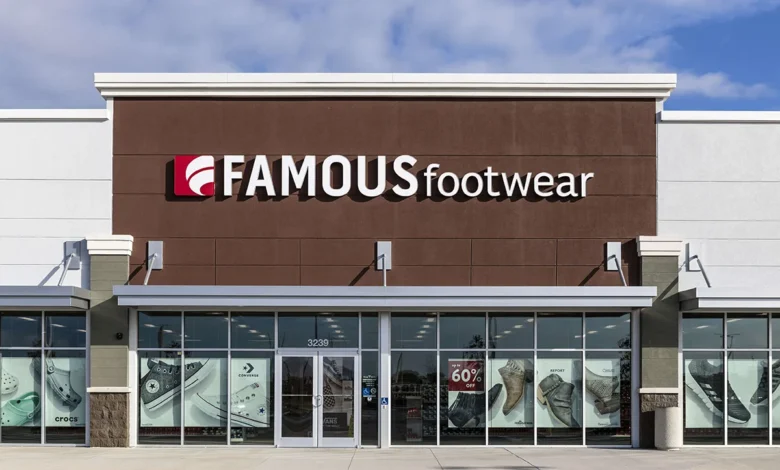
The retail footwear landscape is undergoing a structural realignment as shifting consumer preferences test the resilience of major market players. Famous Footwear, a prominent retail banner owned by Caleres, found itself facing significant headwinds during the second quarter of fiscal 2026. Mirroring challenges reported by industry competitors such as Foot Locker and JD Sports, the footwear retailer experienced a notable contraction in sales, driven primarily by a broader market pullback in consumer demand for lifestyle athletic footwear.
Despite an overall downturn in top-line figures, executive leadership at Caleres remains optimistic about the company’s long-term trajectory. During a Wednesday earnings call with analysts and investors, Caleres President and Chief Executive Officer Jay Schmidt outlined a comprehensive strategic pivot designed to address softening athletic segments while leaning into surging categories. By capitalizing on robust momentum in fashion footwear, adjusting inventory levels, and recalibrating its merchandise assortment, Famous Footwear is actively positioning itself to stabilize performance and drive sequential growth through the remainder of the fiscal year.
Financial Performance and Second Quarter Realities
The second-quarter financial results for fiscal 2026 underscored the immediate pressures facing Famous Footwear. Net sales for the banner declined by 6.3 percent compared to the same period in the previous fiscal year. Concurrently, comparable sales dropped by 5.9 percent, falling short of internal corporate forecasts and analyst expectations.
According to leadership, the underperformance was compounded by two primary factors: a later calendar start to the crucial back-to-school shopping season and a pronounced consumer shift away from traditional lifestyle athletic shoes. Because athletic inventory traditionally forms the bedrock of the retailer’s back-to-school offerings—accounting for over 60 percent of the merchandise mix during the peak selling window—the sudden softening in lifestyle sneaker demand directly impacted quarterly revenues.
Nevertheless, corporate leadership emphasized that the challenges were largely isolated to specific lifestyle segments rather than systemic operational failures. Performance athletic categories, by contrast, continued to demonstrate stable traction, highlighting a nuanced consumer base that remains willing to spend on specialized athletic gear even as casual sneakers lose steam.
The Rise of Fashion Footwear and Growth Brand Momentum
While lifestyle sneakers faced a turbulent quarter, distinct pockets of retail strength emerged within non-athletic and fashion-forward segments. During Wednesday’s earnings conference, CEO Jay Schmidt highlighted several standout performers that served as vital growth engines for the Famous Footwear banner.
Brands including Jordan, Birkenstock, Skechers, Brooks, and Steve Madden were singled out as key growth drivers during the period. Consumer enthusiasm for these specific labels helped propel the retailer’s fashion footwear business into positive territory, significantly outpacing the athletic category.
Data shared during the earnings call illustrated the widening performance gap between footwear segments. In August and throughout the quarter-to-date period, the company’s fashion comparable sales posted positive growth, outperforming the athletic segment by more than 10 percentage points. Recognizing this clear signal from consumers, Caleres management immediately initiated plans to expand its fashion assortment and increase inventory investments to fully capture emerging demand.
As part of this tactical shift, Famous Footwear has scheduled prominent floor takeovers featuring two major non-athletic brands for the back half of the year. Executives believe these visual merchandising updates and inventory realignments will generate tangible sales improvements, offsetting the earlier weakness observed in the second quarter.
Immediate Operational Adjustments and Inventory Management
To combat excess and aged inventory resulting from the lifestyle athletic slowdown, Caleres executed swift corrective measures during the second quarter. Management implemented aggressive clearance events and strategically reduced incoming purchase receipts to clear floor space for higher-trending categories.
While these necessary inventory-clearing protocols temporarily pressured gross margins, executive leadership maintains that the aggressive actions successfully positioned the business for a healthier operational baseline moving into the latter half of the year. Exiting the second quarter, Famous Footwear’s inventory posture was described as significantly improved and better aligned with current consumer shopping habits.
The timing of these operational adjustments coincided with the critical back-to-school shopping cycle. Although the late start temporarily depressed early third-quarter results, quarter-to-date metrics through Labor Day indicate that Famous Footwear’s comparable sales have stabilized to flat growth, pointing to a sequential recovery as the market absorbs the new merchandise mix.
Rebalancing the Assortment for Long-Term Health
Looking forward, the leadership team at Caleres views the current retail climate not as a crisis, but as an opportunity to right-size the Famous Footwear product mix. Historically, the retailer has relied heavily on casual and lifestyle athletic sneakers to carry its volume. However, the events of the second quarter have catalyzed a broader internal strategy to achieve a more sustainable, diversified balance between athletic and non-athletic offerings.
During the earnings discussion, CEO Jay Schmidt elaborated on the long-term merchandising strategy for the banner. Once the peak back-to-school window concludes, the typical merchandise mix normalizes to a split of approximately 50 to 55 percent athletic and roughly 40 percent non-athletic footwear.
Schmidt stressed that the athletic business remains a foundational pillar for the company, particularly in specialized performance categories where consumer demand remains resilient. However, by fine-tuning the proportion of lifestyle sneakers and infusing fresh fashion alternatives, the retailer aims to insulate itself from single-category volatility.
Broader Industry Implications and Market Outlook
The struggles and subsequent pivots observed at Famous Footwear reflect a wider recalibration across the footwear and apparel retail sectors. Throughout 2026, macroeconomic pressures, shifting lifestyle trends, and post-pandemic normalization have forced footwear chains to re-evaluate their inventory strategies. Competitors spanning specialty mall retailers to mass-market footwear chains have similarly reported inventory gluts in casual sneakers, prompting widespread discounting across the industry.
The ability of Famous Footwear to pivot toward high-demand fashion brands like Birkenstock and Steve Madden illustrates the agility required to navigate today’s retail environment. By listening closely to consumer behavior—evidenced by the 10-point outperformance of fashion over athletics—management is demonstrating a willingness to challenge long-standing inventory models in favor of responsive, trend-driven merchandising.
As Caleres advances into the third and fourth quarters of fiscal 2026, the success of its planned brand floor takeovers and inventory right-sizing initiatives will serve as a critical bellwether. If the momentum in non-athletic categories continues to offset soft lifestyle sneaker demand, Famous Footwear could emerge with a leaner, more profitable business model capable of weathering future shifts in consumer tastes.
Related posts: