
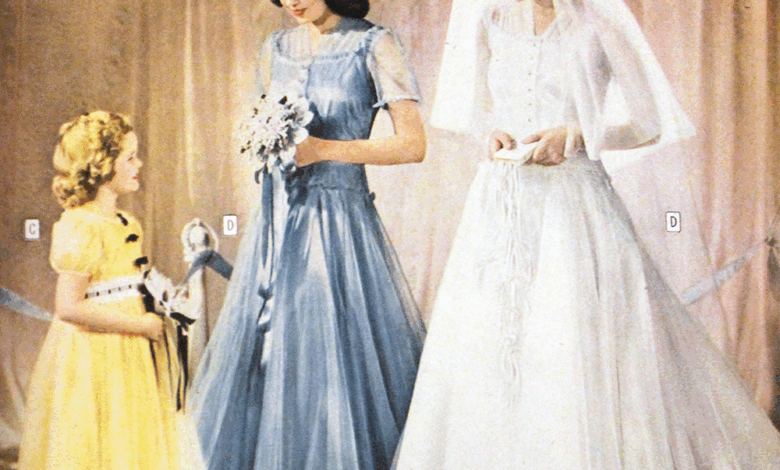
White wedding dress history is a fascinating journey through centuries of changing styles and societal expectations. From ancient traditions to modern interpretations, the white dress has evolved to reflect the values and beliefs of each era. This exploration delves into the rich tapestry of cultural influences, the rise of white as the dominant color, and how the dress has become a powerful symbol of love, commitment, and social commentary.
Early bridal traditions around the world were incredibly diverse, with garments reflecting the unique customs and materials available in each culture. We’ll explore these traditions, highlighting the symbolism and significance behind the choices of fabric, color, and design. This journey then traces the path to the modern white dress, exploring the factors that led to its widespread adoption, including Queen Victoria’s impact.
Early Influences
Before the 19th-century’s burgeoning obsession with white wedding gowns, bridal attire across cultures varied significantly, reflecting diverse social norms, religious beliefs, and economic realities. These traditions often served as powerful symbols of the union and the bride’s transition into married life. Understanding these historical precedents provides valuable context for appreciating the evolution of the modern wedding dress.Bridal attire, in its earliest forms, was not uniformly white or even consistently focused on a single garment.
Instead, it reflected the prevailing customs and resources of the era. From elaborate fabrics and adornments to practical considerations of warmth and durability, the dress served multiple functions beyond mere aesthetic appeal. The symbolic weight of these garments underscores their crucial role in marking a significant life event.
Pre-19th Century Bridal Attire: A Cultural Comparison
Different cultures developed distinct traditions regarding bridal attire long before the 19th century. These varied customs often incorporated local materials, reflecting the resources available and the symbolic significance held by the culture. The table below illustrates some key examples.
| Culture | Time Period | Key Material | Symbolic Meaning | Key Features |
|---|---|---|---|---|
| Ancient Rome | 1st-5th Centuries CE | Woolen fabrics, often dyed in vibrant colors like crimson, purple, or gold | Wealth, social status, fertility | Often adorned with jewelry, veils, and elaborate hairstyles. Colors reflected the bride’s family’s standing. |
| Medieval Europe (Various Regions) | 5th-15th Centuries | Locally sourced linen, silk (for the elite), velvet | Purity, status, and devotion. The specific colors or patterns often related to religious symbolism. | Elaborate gowns with long trains, intricate embroidery, and veils. Regional variations existed, reflecting local economic and social factors. |
| Ancient Egypt | 3100 BCE – 30 BCE | Fine linen, gold, and jewels | Fertility, wealth, and status | Gowns were often brightly colored and adorned with jewels. Heavily decorated headpieces were also a common feature. |
| Ancient Greece | 8th Century BCE – 6th Century CE | Woolen fabrics, often dyed in natural colors like purple, blue, or red | Purity, love, and devotion | Simple, draped garments, like the chiton, were common. The choice of color and fabric often symbolized the bride’s social status. |
| Medieval China | 11th – 19th Centuries | Silk, embroidered fabrics, jade | Wealth, beauty, and virtue | Gowns were often intricately embroidered, reflecting the bride’s family’s social standing. The choice of color often held cultural significance. |
Societal and Religious Factors
Bridal attire in pre-19th-century societies was deeply intertwined with social and religious customs. The choice of materials, colors, and styles reflected societal norms, religious beliefs, and the bride’s social standing. For example, in some cultures, specific colors might represent particular religious ideals, while in others, the extravagance of the attire might highlight the bride’s family’s wealth and social status.
Symbolic Meanings
The garments themselves often held symbolic meanings within their respective cultures. These symbols reflected the bride’s transition into marriage and her role within the community. The color choices, embellishments, and fabrics used all contributed to the symbolism, signifying purity, fertility, status, and devotion. For instance, in certain cultures, particular colors might be associated with specific deities or beliefs, lending additional layers of meaning to the attire.
The history of the white wedding dress is fascinating, evolving from modest practicality to a symbol of romance. While white wasn’t always the norm, it gained popularity in the 19th century. This shift in tradition mirrors the fashion world’s ever-changing trends, exemplified by collaborations like the Alexa Chung Madewell collaboration , which blends classic styles with modern interpretations.
Ultimately, the white dress continues to represent a timeless and powerful statement, echoing the enduring appeal of classic wedding attire.
“Bridal attire served as a potent symbol of transition and cultural identity, carrying with it the weight of tradition and expectation.”
The Emergence of the White Dress: White Wedding Dress History
The white wedding dress, a symbol of purity and innocence, is now a ubiquitous element of Western weddings. However, its adoption as the dominant color for bridal wear wasn’t always the case. A confluence of factors, from social shifts to royal influence, led to the dramatic transformation of bridal attire. This evolution is a fascinating glimpse into changing societal values and the enduring power of fashion.The transition to white as the preferred wedding dress color was a gradual process, rooted in historical contexts and fueled by the desires and actions of influential figures.
Queen Victoria’s decision to wear white at her wedding, a departure from the prevailing tradition of elaborate, often colorful gowns, marked a turning point. This choice not only shaped bridal fashion but also reflected the era’s social and cultural landscape.
Queen Victoria’s Impact
Queen Victoria’s wedding in 1840 profoundly impacted the trajectory of bridal fashion. Her choice of a white satin gown, designed by her dressmaker, made a significant statement. The gown, rather than reflecting the rich colors and embellishments favored by aristocratic women, symbolized purity and innocence. This was a departure from the customary practice of wearing brightly colored garments, reflecting the bride’s social standing and wealth.
Victoria’s wedding dress, meticulously documented and publicized, became a powerful visual representation of a new standard for bridal attire. The choice resonated with the public imagination, and within a few decades, white became the prevailing color for wedding dresses across various social classes.
Other Notable Figures and their Influence
While Queen Victoria’s impact was undoubtedly immense, other prominent figures also contributed to the rise of white as the dominant bridal color. Princess Alice of Hesse, for instance, followed in Victoria’s footsteps by selecting white for her wedding gown. These choices, publicized through various media outlets at the time, cemented white’s association with weddings and elevated its status in the public eye.
The history of the white wedding dress is fascinating, tracing back to Queen Victoria’s choice in the 19th century. But beyond the historical significance, modern fashion continues to be influenced by such choices. Looking at Amal Clooney’s chic winter style, particularly her sophisticated coats and accessories, offers a modern take on classic elegance, echoing the timeless appeal of a white wedding dress.
Ultimately, the enduring appeal of white wedding dresses lies in its association with purity, love, and a timeless sense of elegance, similar to how Amal Clooney’s style remains relevant and impactful. amal clooney winter style provides a closer look into her chic choices.
The consistent representation of white as a bridal color, driven by the choices of these prominent figures, contributed significantly to the enduring symbolism.
Social and Cultural Context
The shift toward white as the primary wedding dress color was deeply intertwined with societal and cultural norms of the time. Victorian ideals of femininity, purity, and romance played a significant role in shaping the association of white with weddings. The simplicity and elegance of white contrasted with the extravagance of previous bridal attire, aligning with the growing emphasis on a more demure and refined aesthetic.
White, symbolizing innocence and virtue, became a powerful visual representation of these ideals, reflecting a significant societal shift.
Evolution of White Wedding Dress Styles (1850-1920)
| Year | Key Designer (or Era) | Style Features | Notable Examples |
|---|---|---|---|
| 1850s | Early Victorian Era | Full, gathered skirts; often elaborate lace and embellishments; fitted bodices. | Gowns often featuring intricate lace patterns and satin fabrics, emphasizing a graceful silhouette. |
| 1860s | Late Victorian Era | Full skirts with a wider circumference; more structured bodices; introduction of crinolines. | Examples included the use of rich fabrics like velvet or brocade, incorporating elaborate embroidery and ornamentation. |
| 1870s | Late Victorian Era | Skirts began to narrow slightly; emphasis on the waistline; use of various fabrics like silk and linen. | The silhouette evolved to showcase a more defined waistline, often with intricate lace and embroidery. |
| 1880s | Late Victorian Era | Skirts remained narrow; increased use of decorative trims; emphasis on embellishments. | Wedding gowns reflected a sophisticated aesthetic, with intricate beading and embellishments. |
| 1890s | Late Victorian Era | Empire waistlines and fuller skirts; a blend of Victorian and emerging Edwardian styles; use of luxurious fabrics. | Gowns often featured a delicate blend of lace and embroidery, with a focus on flowing fabrics. |
| 1900s-1910s | Edwardian Era | A more streamlined silhouette; emphasis on elegance and sophistication; introduction of more flowing fabrics. | Gowns showcased a shift towards a more streamlined aesthetic, often with a subtle waistline. |
| 1910s | Early 20th Century | Straight lines; influence of the Art Deco movement; shorter, more practical styles; incorporation of modern fabrics. | The introduction of simpler silhouettes, like the hobble skirt, reflected the changing fashion trends. |
Changing Styles and Trends
The evolution of the wedding dress isn’t just about fabric and embellishments; it’s a reflection of broader societal shifts, economic realities, and cultural influences. The 20th century witnessed a dramatic transformation in wedding dress styles, mirroring the broader fashion landscape and the changing roles of women in society. This period saw a move away from the rigid formality of earlier eras towards a greater emphasis on individuality and personal expression.From the flapper dresses of the 1920s to the romantic silhouettes of the 1950s and the bohemian chic of the 1970s, each decade offered unique interpretations of bridal fashion.
These trends weren’t isolated phenomena; they were deeply connected to the social and cultural climate of the time, offering a glimpse into the aspirations and values of the brides of each generation.
Wedding Dress Styles Throughout the 20th Century, White wedding dress history
The 20th century witnessed a remarkable array of wedding dress styles, each reflecting the prevailing fashion trends of the time. The designs shifted from the elaborate gowns of the early part of the century to the streamlined silhouettes and playful details of the latter half.
| Decade | Key Style | Key Designers/Influences | Key Features |
|---|---|---|---|
| 1920s | Streamlined and Flapper | The influence of the flapper dress movement and emerging modernism. | Short, often A-line dresses, with emphasis on simple silhouettes and minimal embellishments. Often featuring dropped waistlines and a focus on creating a sense of ease and freedom. |
| 1930s | Romantic and Sophisticated | The influence of Hollywood glamour and the Art Deco movement. | Full skirts with intricate embellishments and elegant beading. Shoulder pads and more structured bodices, often featuring decorative detailing like floral patterns. |
| 1940s | Practical and Patriotic | The wartime restrictions and rationing influenced the simplicity and functionality of the dresses. | Shift dresses, A-line gowns with simpler embellishments. Emphasis on practicality and use of readily available fabrics. |
| 1950s | Full Skirts and the New Look | Christian Dior’s “New Look” and the rising influence of couture. | Full, voluminous skirts with a cinched waist. Often featured delicate embellishments and a focus on femininity. |
| 1960s | Sleek and Modern | The influence of the space age and pop culture. | Slim-fitting styles, often with A-line or sheath silhouettes. The use of bold colors and unconventional details became more prominent. |
| 1970s | Bohemian and Romantic | The rise of bohemian fashion and a renewed interest in natural beauty. | Flowy fabrics, intricate embroidery, and a focus on relaxed silhouettes. Often featured lace, flowing fabrics like chiffon, and intricate beading. |
| 1980s | Glamorous and Bold | The influence of pop culture icons and a focus on extravagant designs. | Elaborate beading, extravagant embellishments, and dramatic necklines. The silhouettes were often full or fitted, with a focus on creating a sense of drama and opulence. |
| 1990s | Simple and Elegant | The rise of minimalism and a focus on effortless elegance. | Clean lines, simple silhouettes, and a focus on quality fabrics. The gowns often featured delicate embellishments and a focus on timeless elegance. |
| 2000s-2010s | Modern and Individualistic | The influence of contemporary designers and celebrity brides. | A blend of various styles, including romantic, minimalist, and modern. Wedding dresses became increasingly diverse and reflected the unique personalities of the brides. |
Significant Designers and Their Contributions
Numerous designers have left their mark on the evolution of the wedding dress, shaping its aesthetics and influencing the styles of generations of brides. Christian Dior’s “New Look” revolutionized fashion in the 1950s, and its influence extended to wedding dresses, creating a surge in full-skirted gowns. Other prominent designers like Vera Wang, Pronovias, and many others have further expanded the range of options available to brides.
Influence of Popular Culture and Fashion Trends
Wedding dress designs are inextricably linked to popular culture and fashion trends. The styles reflect the aspirations, values, and aesthetics of the time. Hollywood films, music, and social movements have all influenced the way wedding dresses are designed and perceived. For example, the rise of the bohemian movement in the 1970s greatly influenced the adoption of relaxed, flowing fabrics and intricate embroidery in wedding dresses.
Modern Interpretations
The white wedding dress, while historically significant, has evolved dramatically in the modern era. Contemporary designers are pushing boundaries, blending tradition with innovation, and creating a diverse range of styles to suit a wide spectrum of brides. This evolution is a fascinating reflection of changing societal norms, global influences, and the creative spirit of the design world.Modern brides have more options than ever before, from minimalist silhouettes to elaborate embellishments.
This reflects a broader societal shift towards personalization and individual expression. Contemporary designers are now taking into account a wider range of cultural influences and preferences, leading to a truly global approach to wedding dress design.
Variety of Modern Wedding Dress Styles
Modern wedding dress styles showcase a remarkable diversity. From the classic A-line gown to the more contemporary mermaid or fit-and-flare styles, the choices are plentiful. These styles are further personalized with embellishments, like intricate beading, delicate lace, or bold embellishments. The contemporary bride can select a dress that best suits her personal style and body type, creating a wedding dress that reflects her unique identity.
Role of Contemporary Designers
Contemporary designers play a pivotal role in shaping the modern wedding dress landscape. They are frequently influenced by runway trends, but they also often draw inspiration from other artistic disciplines, including painting, sculpture, and architecture. Some designers embrace traditional craftsmanship, while others push the boundaries of innovation with new materials and techniques. Their creative interpretations often cater to the specific tastes of the modern bride, making the design process a collaboration.
Influence of Global Cultures and Trends
Global influences are significantly shaping modern wedding dress design. Elements of Asian, African, and South American cultures, for instance, are being incorporated into Western designs, leading to a fusion of styles that celebrate diversity. This global exchange fosters unique interpretations of traditional aesthetics and creates a more inclusive and representative design space. The result is a richer tapestry of styles for brides to choose from, reflecting a more diverse and interconnected world.
New Materials and Techniques
New materials and techniques are constantly emerging in wedding dress design. Sustainable fabrics like organic cotton and recycled materials are gaining popularity, demonstrating a growing commitment to environmentally conscious choices. Advanced techniques in beading and embroidery, as well as innovative 3D printing methods, allow for intricate and unique embellishments. The use of innovative materials and processes contributes to a more sustainable and technologically advanced approach to wedding dress creation.
Comparison of Modern Wedding Dress Styles
| Style Name | Key Features | Typical Materials | Design Inspiration |
|---|---|---|---|
| A-line | Flowing silhouette, fitted bodice, flared skirt. | Silk, satin, lace, tulle | Classic, elegant, flattering |
| Mermaid | Fitted bodice, flowing skirt that flares dramatically from the knee. | Organza, silk charmeuse, satin | Glamorous, dramatic, body-conforming |
| Fit-and-flare | Fitted bodice, slightly flared skirt. | Lace, satin, chiffon | Versatile, flattering, sophisticated |
| Bohemian | Flowing fabrics, intricate details, often featuring lace, embroidery, or embellishments. | Silk, linen, cotton | Free-spirited, romantic, artistic |
| Minimalist | Clean lines, simple silhouettes, focus on high-quality fabrics. | Silk, satin, crepe | Modern, understated elegance |
The White Dress and Social Commentary
The white wedding dress, more than just a garment, has become a powerful symbol throughout history, reflecting and shaping societal values, cultural norms, and individual aspirations. Its evolution mirrors the changing landscape of social structures and expectations, offering a fascinating window into the past and present. From its initial adoption as a statement of status to its modern interpretations, the white dress has consistently carried layers of meaning beyond its aesthetic appeal.The white wedding dress has often been more than just a pretty frock; it has served as a powerful tool for expressing societal values, status, and cultural expectations.
Ever wondered about the history of the white wedding dress? It wasn’t always the symbol of purity we know today. Interestingly, the tradition really took hold in the Victorian era. The choice of white, in fact, became quite significant, especially when considering the new appointment of Jonathan Anderson as the head of Dior Men’s collections. Jonathan Anderson Dior men confirmed shows a shift in fashion trends, a reflection of how societal norms and style choices intersect.
The evolution of the white dress highlights a fascinating interplay of cultural shifts and design choices.
Its symbolism has evolved over time, responding to the shifting dynamics of various communities and cultures. Understanding this evolution provides crucial insight into the complex interplay between fashion, social norms, and personal identity. The white dress has been a canvas for painting a picture of the era, revealing much about the social fabric of different periods.
Symbolic Meanings Across Time
The white wedding dress’s symbolism has shifted dramatically throughout history, reflecting changing social contexts and cultural interpretations. It’s not simply about the colour; it’s about the message it conveys.
Evolving Symbolic Meanings
| Time Period | Societal Context | Symbolic Interpretation | Notable Examples |
|---|---|---|---|
| Ancient Greece and Rome | Emphasis on purity and virginity, though not necessarily associated with white. | White garments were associated with celebrations and festivity, but not specifically with marriage. | Ancient Greek and Roman wedding attire varied widely, with colours and fabrics reflecting social class. |
| Victorian Era (mid-19th century) | Emergence of a more rigid class structure and emphasis on female virtue. | Queen Victoria’s choice of white for her wedding signaled purity, innocence, and wealth. This choice rapidly became a societal expectation. | The popularity of the white dress rapidly spread, solidifying its association with a specific ideal of femininity and marriage. |
| Early 20th century | Shifting social roles for women, growing industrialization. | The white dress remained a symbol of purity and wealth, though its association with a particular class structure began to soften. | The “flapper” era saw a rise in more elaborate and varied wedding attire, with colours and styles reflecting a new wave of social changes. |
| Mid-20th century to present | Increasing diversity, greater social acceptance of different lifestyles. | The white dress has become more versatile, with brides embracing different colours and styles. The emphasis on purity has diminished, and it is now more commonly seen as a symbol of love, commitment, and personal expression. | Contemporary brides frequently opt for unique designs, colours, and styles, emphasizing individuality and celebrating their personal tastes. |
Interpretations Across Communities
The interpretation of the white wedding dress can vary significantly across different communities and cultures. While the Western tradition often associates white with purity and innocence, other cultures may associate different colors with similar meanings.
Modern Interpretations
Today, the white wedding dress represents various things for different individuals. It might signify a commitment to a life partner, personal style, or a celebration of the couple’s unique journey. The white dress has evolved from a symbol of societal expectations to a reflection of personal preferences. Brides now have the freedom to embrace various colours, styles, and designs that best represent their personalities and values.
Impact of Technology and Media
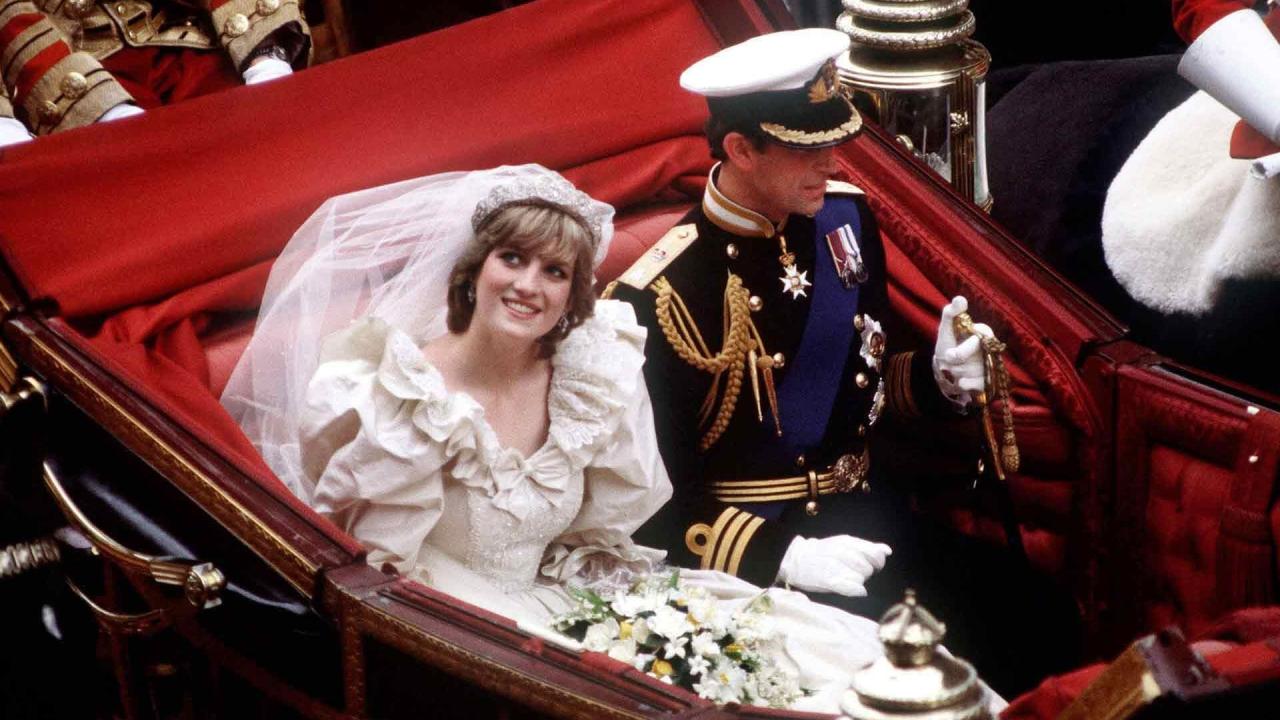
The evolution of the white wedding dress isn’t solely a reflection of societal shifts; it’s also profoundly shaped by the ever-advancing landscape of technology and media. From the initial glimpses in magazines to the global reach of social media, these forces have amplified and accelerated the dress’s cultural significance, transforming how we perceive and create these cherished symbols of love and commitment.Media outlets, particularly magazines and later television, played a crucial role in popularizing specific styles and trends.
Visual representations in these mediums created aspirational images, subtly influencing the choices of brides-to-be. This influence extended beyond just the dress itself, shaping expectations about the entire wedding experience, from the venue to the attire of the bridal party.
Media’s Role in Shaping Perceptions
Visual media, particularly fashion magazines, have historically showcased the latest bridal trends, creating a sense of desirability and fostering the aspiration for a specific aesthetic. Early 20th-century fashion magazines frequently featured images of brides in white, solidifying its association with purity and romance. Films and television further amplified these portrayals, often depicting the white wedding dress as a symbol of a perfect and happy marriage.
These consistent portrayals, across different media, created a powerful cultural narrative around the white wedding dress, shaping perceptions and influencing choices.
Technological Influence on Design and Production
Technological advancements have dramatically impacted wedding dress design and production. Computer-aided design (CAD) software has allowed for more intricate and detailed designs, while 3D modeling enables brides to visualize different styles and alterations before committing to a purchase. Digital printing techniques have also opened up possibilities for unique and personalized embellishments, allowing for intricate patterns and personalized designs.
Furthermore, online retailers and e-commerce platforms have broadened access to a wider variety of styles and designers, removing geographical barriers for brides seeking specific looks.
Social Media’s Impact on Perception
Social media has revolutionized how brides interact with and perceive the white wedding dress. Platforms like Instagram and Pinterest provide a vast repository of inspiration, allowing brides to browse countless images and styles from around the world. This accessibility empowers brides to explore a diverse range of options and personalize their vision, often leading to a more curated and individual approach to the wedding dress selection process.
Wedding dress designers and retailers have also leveraged social media to directly connect with their target audience, offering personalized consultations and showcasing their collections.
Fashion Bloggers and Influencers’ Influence
Fashion bloggers and influencers play a significant role in shaping contemporary wedding dress trends. Their reviews, opinions, and styling tips, often presented through visually appealing content, significantly influence brides’ choices. These online personalities frequently collaborate with designers and retailers, creating a symbiotic relationship that fosters new trends and drives sales. Their engagement with social media and their dedicated followings create a powerful echo chamber, amplifying the impact of their recommendations and preferences.
Table: Impact of Media and Technology on White Wedding Dress Trends
| Medium | Impact | Examples |
|---|---|---|
| Fashion Magazines | Established the white dress as a symbol of purity and romance. Presented specific styles as desirable. | Early 20th-century fashion magazines featuring white wedding dresses; Vogue’s bridal fashion sections. |
| Films and Television | Reinforced the image of the white dress as a symbol of a perfect marriage. Showcased specific silhouettes and embellishments. | Classic Hollywood films depicting brides in white; television shows featuring weddings and bridal fashion. |
| CAD Software and 3D Modeling | Enabled more intricate and personalized designs. Facilitated detailed visualization for brides. | Custom-designed wedding dresses; 3D models of gowns allowing brides to visualize potential alterations. |
| Online Retailers and E-commerce | Increased accessibility to a broader range of styles and designers. Removed geographical limitations for brides. | Online bridal boutiques; global e-commerce platforms offering diverse wedding dresses. |
| Social Media | Provided a vast repository of inspiration. Empowered brides to personalize their vision. Facilitated direct communication between designers and brides. | Pinterest boards dedicated to wedding dresses; Instagram accounts showcasing designer collections. |
| Fashion Bloggers and Influencers | Shaped contemporary trends. Influenced brides’ choices through reviews, styling tips, and collaborations. | Fashion bloggers specializing in wedding fashion; influencer partnerships with designers and retailers. |
Outcome Summary
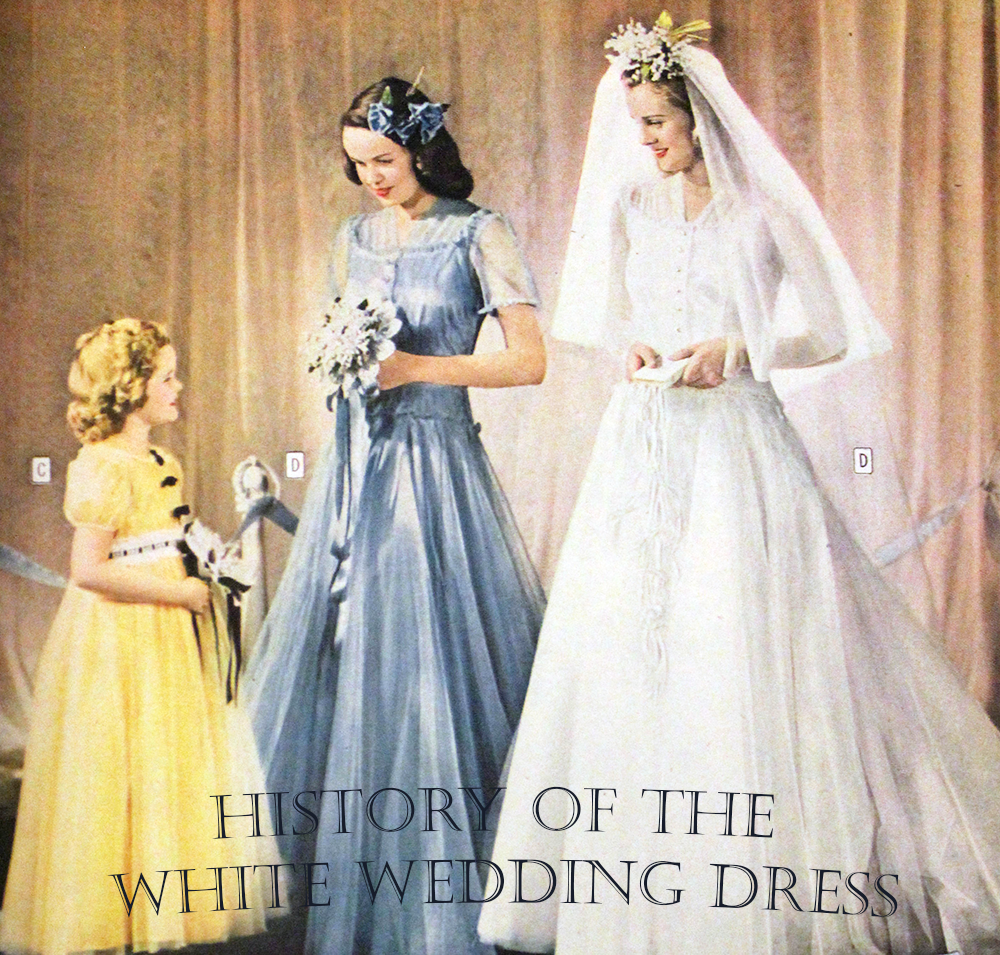
From the intricate designs of the Victorian era to the innovative styles of today, the white wedding dress has remained a captivating symbol. Its evolution reflects not only shifting fashion trends but also the changing social norms and cultural values of each generation. We’ve seen how technology and media have further shaped the dress’s image, and how modern interpretations continue to pay homage to its rich history while embracing the future.
The white wedding dress continues to be a powerful symbol of love and commitment, embodying a unique blend of tradition and modernity. This journey through time demonstrates how a seemingly simple garment has held a place of immense significance in shaping social and cultural narratives across generations.