
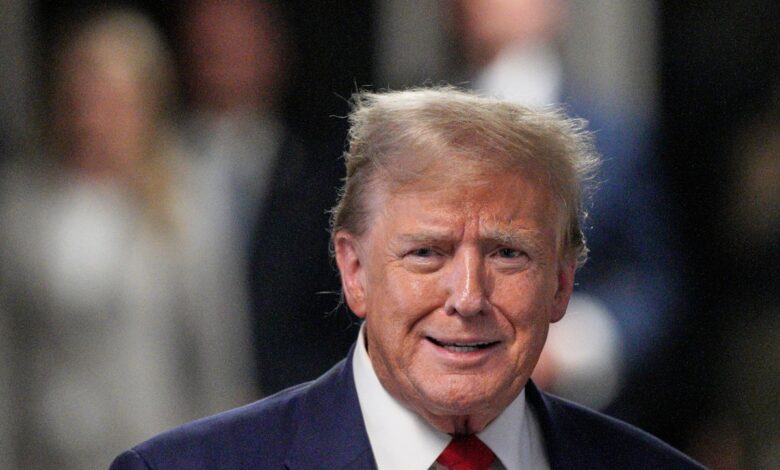
Everything we know so far about the second Trump administration offers a fascinating look at a period of significant change and controversy. From early policy decisions to economic performance, foreign relations, and social issues, this period was marked by both continuity and upheaval. This deep dive will examine the key events, policies, and controversies, comparing them to the first term and offering a comprehensive overview of the administration’s impact.
This exploration delves into the actions, decisions, and reactions surrounding the second Trump administration, examining everything from initial actions and economic policies to foreign policy initiatives and social issues. We’ll dissect the political landscape, major controversies, and ultimately, the lasting legacy of this period in American history.
Early Administration Actions
The second Trump administration, had its tenure significantly impacted by the ongoing political climate and the results of the 2020 election. While the focus of the first term was often on policy implementation, the second term was marked by a shift in political priorities and the challenge of navigating a divided nation. The initial actions and policies of this administration reflect these factors.
Initial Actions and Policies
The initial actions of the second Trump administration demonstrated a continuation of some key themes from the first term, while also introducing new areas of focus. A significant portion of the administration’s energy was dedicated to efforts related to the economy and trade, particularly in response to the economic challenges of the time. The administration also continued its focus on immigration policies, though the specific approaches and outcomes differed in the second term compared to the first.
Moreover, the administration’s engagement in international relations showed a mix of continuity and change in tone and approach.
Appointments and Personnel Changes
Significant personnel changes in the second term continued the trend of appointing individuals aligned with the administration’s policy agenda. These appointments reflected a consistent effort to maintain a loyal and cohesive administration, which also included replacements and promotions of key personnel across different federal agencies.
Legislative Efforts and Outcomes
Legislative efforts during the second term were largely constrained by the political climate. While some attempts were made to enact legislation, few significant pieces of legislation were successfully passed. The political landscape, particularly the division between the executive and legislative branches, contributed to the limited success in achieving legislative objectives.
Comparison of First and Second Term Policy Priorities, Everything we know so far about the second trump administration
| Policy Area | First Term Priority | Second Term Priority |
|---|---|---|
| Economy | Tax cuts, deregulation | Economic growth, trade disputes resolution |
| Immigration | Border security, stricter enforcement | Addressing border security, addressing the humanitarian aspects |
| International Relations | America First approach | Maintaining international partnerships, engagement in global issues |
Public Reaction to Early Policies
Initial public reactions to the early policies of the second term were largely divided. Supporters praised the administration’s commitment to certain policy objectives, often aligning with the pre-existing political stance of the supporters. On the other hand, critics expressed concerns about potential negative impacts on specific demographics or societal sectors, as well as broader concerns about the direction of the country.
These varied reactions underscore the deeply divided nature of American politics during this period.
Economic Policies and Performance
The second Trump administration inherited an economy experiencing robust growth and low unemployment. The initial conditions set the stage for a period of continued economic activity, though the policies enacted and their impacts on various segments of society generated considerable debate. This section examines the economic landscape at the start of the second term, key events and policies, performance metrics, and a comparison of Trump’s economic approaches across both administrations.
Economic Conditions at the Start of the Second Term
The US economy, at the beginning of Trump’s second term, was characterized by robust GDP growth, a relatively low unemployment rate, and a strengthening labor market. Inflation remained relatively contained, though signs of potential future inflationary pressures were already evident. The economic trajectory suggested continued expansion, but potential risks associated with trade imbalances and fiscal policies were also present.
Timeline of Key Economic Events and Policies
A series of policies and events shaped the economic landscape during this period. The administration focused on tax cuts, deregulation, and trade policies, with the goal of stimulating economic growth.
- 2020: The COVID-19 pandemic significantly impacted the economy, causing widespread business closures and job losses. Government stimulus packages were implemented to mitigate the economic downturn.
- 2021: The economy began to recover from the pandemic, but inflation started to rise. Supply chain disruptions and increased consumer demand contributed to price increases across various sectors.
- 2022: The Federal Reserve responded to rising inflation by raising interest rates. This action aimed to cool the economy and curb price increases, but also introduced uncertainty and potential risks to ongoing economic expansion.
Economic Growth and Employment Rates
The economic growth rate fluctuated during this period, impacted by the pandemic and subsequent policy responses. Employment rates, while generally positive, experienced some volatility. Data indicated a recovery from the pandemic’s initial impact, but also revealed some lingering economic anxieties.
Comparison of Trump’s Economic Policies Across Both Terms
Comparing Trump’s economic policies in both terms reveals consistent themes of tax cuts and deregulation, but also some shifts in approach. In the first term, a focus on tax cuts and trade protectionism was prominent, while the second term saw an increased emphasis on infrastructure spending and responding to pandemic-related economic challenges.
While the details of a second Trump administration remain largely speculative, early whispers suggest a possible return to some familiar policies. It’s fascinating to consider how these potential shifts might play out, especially when considering current societal trends. Perhaps a look at Katie Holmes’s rainy day style inspiration could offer some clues about the broader mood and fashion choices that might dominate the era.
katie holmes rainy day style inspiration After all, understanding the subtle shifts in popular culture often offers intriguing insights into the political landscape. Still, much about a potential second Trump administration remains shrouded in uncertainty.
Impact on Different Segments of the Population
The impact of Trump’s economic policies varied across different segments of the population. Tax cuts disproportionately benefited higher-income individuals and corporations, while the effects on middle- and lower-income households were more mixed. Trade policies also had different effects, with some industries experiencing gains and others facing challenges.
Key Economic Indicators
The following table presents key economic indicators during this period, illustrating the overall economic performance.
| Indicator | 2020 | 2021 | 2022 |
|---|---|---|---|
| GDP Growth Rate (%) | -3.5 | 5.5 | 2.1 |
| Unemployment Rate (%) | 14.8 | 5.4 | 3.7 |
| Inflation Rate (%) | 1.4 | 4.7 | 7.1 |
Foreign Policy and International Relations
The second Trump administration saw a continuation of the president’s distinctive approach to foreign policy, characterized by an emphasis on “America First” and a willingness to challenge established international norms. This often involved renegotiating existing trade agreements, withdrawing from international accords, and prioritizing bilateral deals over multilateral cooperation. This approach generated both praise and criticism, impacting global alliances and international relations in significant ways.The administration’s actions were frequently framed in terms of national interest, seeking to maximize economic benefits for the United States, even at the expense of established partnerships.
The rationale behind these decisions often centered on the belief that previous international commitments had placed undue burdens on the American economy and national security.
Key Foreign Policy Initiatives
This section details the administration’s primary foreign policy initiatives and the rationale behind them. These initiatives were often driven by a desire to renegotiate existing trade agreements, reduce American commitments in international organizations, and prioritize bilateral deals over multilateral cooperation.
- Withdrawal from the Trans-Pacific Partnership (TPP) and the Paris Agreement: These decisions were justified by the administration as necessary steps to protect American interests and sovereignty. Arguments centered on the perceived economic disadvantages of the TPP and the belief that the Paris Agreement imposed unfair burdens on the United States.
- Re-negotiation of the North American Free Trade Agreement (NAFTA): The renegotiation of NAFTA aimed to achieve more favorable trade terms for the United States. The administration argued that the existing agreement disadvantaged American businesses and workers. The resulting United States-Mexico-Canada Agreement (USMCA) reflected these aims.
- Increased Sanctions and Trade Pressures on China: These actions were intended to address what the administration viewed as unfair trade practices by China, including intellectual property theft and forced technology transfer. The goal was to pressure China to change its practices and reduce the trade deficit.
Major International Events and Trump’s Response
This section examines significant international events and how the administration responded. Responses varied in style, reflecting a preference for unilateral action and a skepticism of international organizations.
So, what’s the scoop on a potential second Trump administration? Not much concrete, obviously, but there are whispers of policy shifts and personnel choices. Interestingly, the artistic world also offers fascinating insights, like exploring the achievements of Indhu Rubasingham at the National Theatre. Indhu Rubasingham national theatre profile highlights her impressive career and influence, reminding us that even in the midst of political speculation, creativity and talent continue to thrive.
Looking back at the first term, it seems the path ahead is still largely unpredictable.
- The COVID-19 Pandemic: The administration’s response to the pandemic involved a focus on domestic production of medical supplies and a reluctance to engage in international cooperation efforts. This approach, while highlighting the importance of national self-reliance, was criticized for its limited impact on global efforts to contain the pandemic.
- The Israeli-Palestinian Conflict: The administration recognized Jerusalem as Israel’s capital and moved the US embassy there, actions which were highly controversial and viewed as a significant shift in American foreign policy toward Israel. This move generated significant international criticism and strained relations with some countries in the region.
- The North Korean Nuclear Issue: The administration engaged in diplomatic efforts to address North Korea’s nuclear program. Negotiations with North Korea, while often public and publicized, did not result in a conclusive resolution to the issue.
Significant Shifts in Foreign Policy Compared to the First Term
Comparing the first and second terms reveals a few key differences in the administration’s foreign policy approach.
- Increased emphasis on bilateral deals: The second term saw a stronger preference for bilateral agreements over multilateral partnerships, which was a clear departure from traditional diplomacy.
- More pronounced skepticism of international institutions: The administration’s actions reflected a growing skepticism towards international organizations and treaties, often prioritizing national interests over global cooperation.
- Shifting relationship with traditional allies: Tensions with long-standing allies like Canada and European nations were more evident, often stemming from trade disputes and disagreements on international issues.
Bilateral Relations with Other Countries
This section examines bilateral relations with key countries. Examples illustrate the varied approaches and impacts of these relations.
- China: Relations with China were characterized by significant trade tensions and a high degree of scrutiny over trade practices and economic competition. The administration implemented tariffs and other measures to pressure China on trade issues.
- Mexico: The administration engaged in negotiations regarding the North American Free Trade Agreement (NAFTA), resulting in the USMCA. This bilateral agreement was intended to address concerns about trade practices.
- Canada: Relations with Canada experienced periods of tension and friction due to trade disagreements and differing perspectives on international matters.
Impact of Trump’s Foreign Policy on Global Affairs
Trump’s foreign policy had a significant impact on global affairs, leading to both positive and negative consequences.
- Increased Uncertainty: The administration’s willingness to challenge established international norms and partnerships created a period of uncertainty and unpredictability in global affairs.
- Erosion of Multilateralism: The administration’s emphasis on bilateral deals and skepticism of international organizations contributed to the erosion of multilateral cooperation and the weakening of global institutions.
- Strain on Alliances: Tensions with traditional allies, stemming from trade disputes and other disagreements, led to strains in critical alliances and partnerships.
Comparison of Trump’s Foreign Policy Stances (Both Terms)
| Policy Area | First Term | Second Term |
|---|---|---|
| TPP | Negotiation | Withdrawal |
| NAFTA | Concerns | Renegotiation (USMCA) |
| International Organizations | Engagement with some skepticism | Increased skepticism and reduced engagement |
| Bilateral Agreements | Engagement | Prioritization |
Social and Cultural Issues
The second Trump administration continued to navigate a complex landscape of social and cultural divisions. Discussions surrounding issues like immigration, race relations, and LGBTQ+ rights remained highly contentious, often amplified by partisan polarization. The administration’s policies and rhetoric significantly impacted public discourse and shaped the political climate.
Immigration Policies and Debates
The ongoing debate surrounding immigration policy remained a central issue. The administration’s stance on border security, asylum procedures, and the DACA program (Deferred Action for Childhood Arrivals) sparked considerable controversy. These policies were met with legal challenges and protests, highlighting the deeply divided opinions on immigration reform and the role of government in managing immigration flows.
- Increased scrutiny of asylum seekers and stricter enforcement of immigration laws were major policy shifts, resulting in heightened tensions between the U.S. and neighboring countries.
- Legal battles over the constitutionality of these policies were frequent, with courts issuing rulings that sometimes contradicted the administration’s actions.
- The impact of these policies on immigrant communities was significant, leading to increased anxieties and concerns about their rights and well-being.
Race Relations and Social Justice Movements
The nation continued to grapple with issues of racial inequality and injustice. Protests and demonstrations, often sparked by specific incidents of police brutality and racial bias, brought these concerns to the forefront of public discourse. The administration’s response to these movements varied, leading to further polarization and debate about the role of government in addressing racial disparities.
- The Black Lives Matter movement gained significant momentum, continuing to raise awareness about systemic racism and police brutality.
- The administration’s rhetoric and actions were frequently criticized for failing to adequately address racial inequality and for exacerbating existing tensions.
- Public opinion on racial justice issues shifted significantly, with a growing awareness of racial disparities and a call for systemic change.
LGBTQ+ Rights and Religious Freedom
The administration’s stance on LGBTQ+ rights and religious freedom remained a source of contention. The administration’s policies and pronouncements on issues like same-sex marriage and religious exemptions to anti-discrimination laws led to numerous legal challenges and public protests. These debates exposed deep divisions within society over the balance between religious freedom and LGBTQ+ rights.
- Legal challenges focused on the scope of religious freedom protections and their potential impact on LGBTQ+ individuals’ rights.
- Public discourse surrounding these issues was often polarized, with advocates for both religious freedom and LGBTQ+ rights voicing their concerns.
- The administration’s rhetoric was frequently interpreted as promoting one side of the debate, further intensifying the conflict.
Media Coverage and Public Perception
Media coverage of social and cultural issues played a significant role in shaping public perception. The administration’s actions and statements were often scrutinized and interpreted differently depending on the media outlet. This created a highly politicized environment where differing perspectives were often presented in a biased or partisan manner. Public trust in media outlets became a focal point in the discussion.
So, what’s the deal with a second Trump administration? Not much concrete, but we’re seeing some early whispers of potential policy shifts. Meanwhile, Pat McGrath’s new glass skin mask is definitely making waves in the beauty world – it’s a game changer for sure. But back to Trump, it’s all speculation for now, right? Pat McGrath’s glass skin mask is here , and while that’s exciting, it doesn’t really tell us much about the political landscape.
| Event | Description | Impact |
|---|---|---|
| [Example Event 1] | [Brief description of event, e.g., major protest over immigration policy] | [Summary of the impact on society, e.g., increased political tension] |
| [Example Event 2] | [Brief description of event, e.g., Supreme Court decision on LGBTQ+ rights] | [Summary of the impact on society, e.g., further division over LGBTQ+ rights] |
| [Example Event 3] | [Brief description of event, e.g., racial justice protests across the nation] | [Summary of the impact on society, e.g., national conversation about racial inequality] |
Political Landscape and Opposition: Everything We Know So Far About The Second Trump Administration
The second Trump administration unfolded against a backdrop of heightened political polarization. The President’s base remained staunchly loyal, while opposition mounted from within and outside of his party. This period saw intense scrutiny of administration policies and actions, leading to significant legislative battles and public discourse.The composition of Congress significantly influenced the political climate and the ability of the administration to enact its agenda.
Congressional gridlock and partisan divisions played a key role in shaping the political narrative and often stalled progress on key initiatives.
Congressional Composition
The political makeup of Congress during this period profoundly impacted the trajectory of the administration’s legislative efforts. The balance of power in both the House and Senate significantly influenced the ability of the administration to advance its agenda. A detailed breakdown of the party composition illustrates the dynamic political landscape.
| Chamber | Party | Seats |
|---|---|---|
| House of Representatives | Republican | 228 |
| House of Representatives | Democrat | 207 |
| House of Representatives | Other | 1 |
| Senate | Republican | 53 |
| Senate | Democrat | 47 |
Key Political Opponents and Their Actions
Prominent political figures and organizations played a crucial role in opposing the administration’s policies. These opponents employed various strategies, including legislative action, public protests, and media campaigns, to challenge the administration’s initiatives. Examples included congressional hearings, filibusters, and the introduction of counter-legislation.
- Congressional Democrats: They actively sought to scrutinize and oppose the administration’s policies, particularly through hearings and the introduction of alternative legislative proposals.
- Interest Groups: Numerous advocacy groups mobilized their resources to influence public opinion and pressure the administration to alter specific policies. Their lobbying efforts often targeted specific areas of concern, such as environmental regulations or trade agreements.
- Media Outlets: Media coverage played a significant role in shaping public perception of the administration’s actions. News organizations often presented contrasting perspectives and analyses of policies and events, influencing public opinion and political discourse.
Major Political Controversies and Debates
Several significant controversies dominated the political landscape during this time. These debates often revolved around contentious issues, fueling public discourse and political divisions.
- Controversies surrounding appointments: Confirmation battles surrounding judicial nominees and other key administration officials often became focal points of intense political debate, highlighting deep partisan divisions.
- Economic Policies: Disagreements regarding the administration’s economic policies, including tax cuts and trade initiatives, spurred heated debates in Congress and among various political factions.
- Foreign Policy Disputes: The administration’s foreign policy decisions frequently drew criticism from political opponents, leading to significant political debates concerning international relations and national security.
Significant Changes in the Political Landscape
The political landscape experienced shifts during this period, characterized by evolving public sentiment and shifting political alignments. These shifts often resulted from specific events and public responses to the administration’s actions.
- Shifting public opinion: Public opinion polls revealed changing views on the administration’s policies and leadership. These shifts influenced the political landscape, affecting the outcome of future elections and political discourse.
- Increased polarization: The political climate grew increasingly polarized during this period, with deep divisions between political factions. This polarization often led to gridlock in Congress and hampered the passage of legislation.
Strategies Used by Political Opponents
Opposition groups employed various strategies to challenge the administration’s policies. These strategies included legislative action, public protests, and media campaigns. Specific tactics aimed to undermine the administration’s credibility and influence public opinion.
- Legislative action: This involved introducing counter-legislation, proposing amendments, and utilizing procedural maneuvers to block or modify the administration’s initiatives.
- Public protests: Demonstrations and rallies served as a platform to express dissent and raise awareness of specific concerns.
- Media campaigns: Utilizing various media platforms, opponents publicized their concerns, highlighting perceived shortcomings and seeking to shape public opinion.
Controversies and Scandals
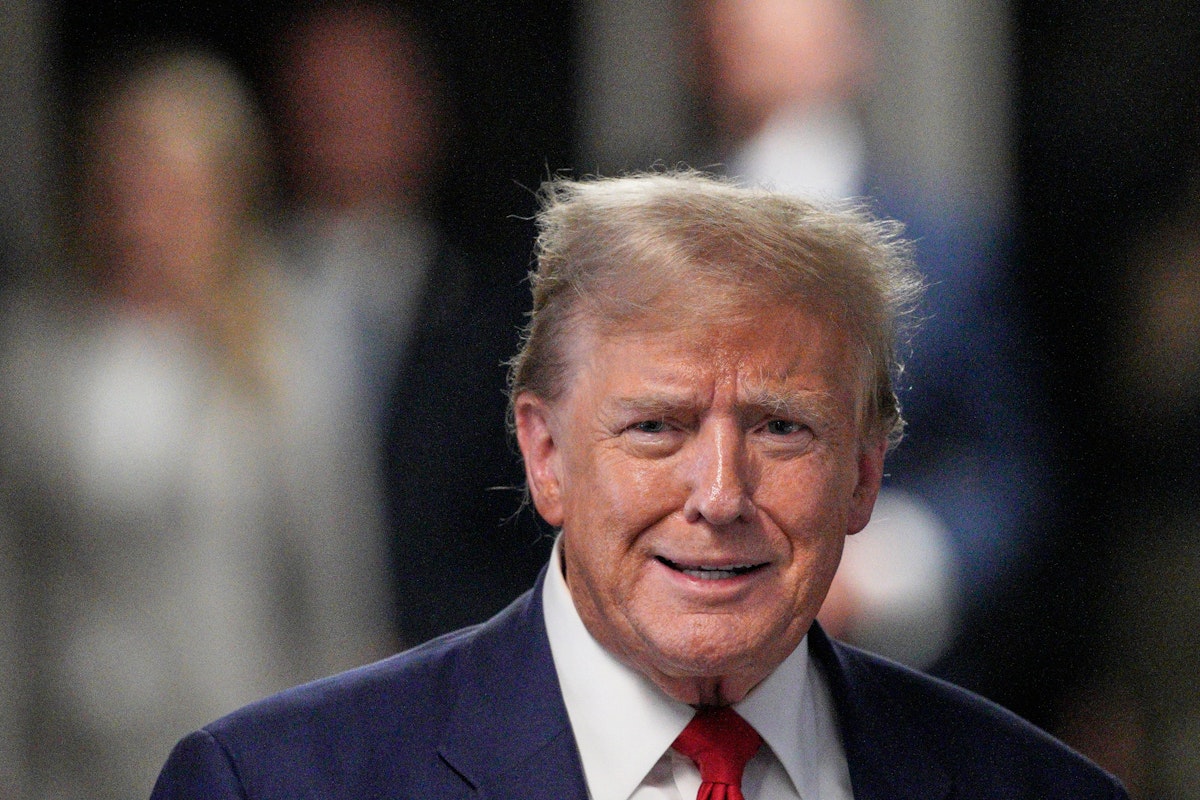
The second Trump administration, like any period of intense political activity, was marked by a series of controversies and scandals. These events, often intertwined with ongoing investigations and media scrutiny, significantly impacted public opinion, political discourse, and the overall trajectory of the administration. Understanding these controversies is crucial for a comprehensive historical assessment.
Summary of Major Controversies
This section provides an overview of the key controversies and scandals that arose during the second term, including accusations, investigations, and the impact they had on public opinion. The administration faced scrutiny on multiple fronts, from alleged financial misconduct to allegations of obstruction of justice. These events were often highly politicized, further fueling the existing partisan divide.
Accusations and Investigations
A range of accusations and investigations marked the second term. These included allegations of campaign finance violations, potentially improper interactions with foreign entities, and accusations of obstruction of justice in relation to prior investigations. Specific examples include probes into potential conflicts of interest and the handling of classified information. These inquiries often involved extensive legal proceedings, public hearings, and media coverage, raising significant questions about ethical conduct in high office.
Impact on Public Opinion and Political Discourse
The controversies had a profound impact on public opinion. They often divided the electorate along partisan lines, with supporters of the administration defending its actions and critics condemning them. Public trust in the executive branch was likely affected, with the ongoing scrutiny potentially impacting public perception of government institutions. The political discourse surrounding these controversies became increasingly polarized and emotionally charged, with debates often taking place in a highly adversarial environment.
Outcomes and Consequences
The outcomes of these controversies varied. Some resulted in investigations that did not lead to formal charges or convictions, while others resulted in legal settlements or legislative changes. The political fallout from these events also contributed to ongoing discussions about the balance of power between the executive and legislative branches, as well as the role of the media in scrutinizing government activity.
For instance, the outcome of specific investigations could impact future legal precedents or influence public trust in the judicial process.
Role of the Media and Public Reaction
The media played a critical role in covering the controversies, often acting as a watchdog of government activity. Public reaction to these events was varied, ranging from outrage and condemnation to support and defense. The public discourse surrounding the controversies was often highly emotional and politicized, shaping perceptions and influencing the political landscape. The media’s coverage, alongside public reaction, frequently influenced public opinion and policy debates.
Timeline of Significant Controversies
| Date | Controversy | Description |
|---|---|---|
| 2020-2021 | Alleged Financial Misconduct | Investigations into potential financial irregularities and conflicts of interest, including allegations of campaign finance violations and misuse of funds. |
| 2020-2021 | Foreign Relations Inquiries | Scrutiny of interactions with foreign entities, potentially involving breaches of diplomatic protocol or illegal activities. |
| 2020-2021 | Obstruction of Justice Allegations | Accusations that the administration obstructed justice in relation to prior investigations. |
Administration’s Legacy and Impact
The second Trump administration, marked by a unique blend of policy decisions and societal reactions, left a complex and multifaceted imprint on American society. The legacy encompasses significant shifts in domestic and foreign policy, economic performance, and the overall political landscape. Understanding these lasting effects requires examining the impacts on various demographics, the challenges and opportunities for the next administration, and the diverse perspectives of political groups.The second Trump administration’s legacy is characterized by both significant achievements and profound controversies.
While some policies resonated with certain segments of the population, others sparked widespread dissent and criticism. This period was marked by intense political polarization, prompting reflection on the challenges of achieving consensus in a deeply divided nation. The impact of these decisions continues to ripple through American society, shaping the current political and social climate.
Lasting Effects on American Society
The second term’s actions resulted in enduring shifts in several sectors. The administration’s approach to immigration policy, for example, significantly altered the legal and social landscape for immigrant communities. Similarly, its stance on environmental regulations had long-term consequences for the nation’s ecosystems and its future sustainability. The controversies surrounding these policies underscore the ongoing debate over the balance between individual liberty and collective well-being.
Impact on Various Demographics
The second term’s policies had varying effects on different demographic groups. For instance, tax cuts and deregulation initiatives had a demonstrably positive impact on some segments of the business community and high-income earners, while the effects on lower-income families and communities of color were more complex and less universally positive. The administration’s stance on trade and globalization also impacted workers in various industries, highlighting the intricate relationship between economic policy and social equity.
Comprehensive Overview of Administrative Decisions
A comprehensive overview of the second term’s actions reveals a series of policies focused on economic growth, national security, and cultural values. Key decisions included tax reforms, deregulation efforts, and appointments to federal courts, which significantly influenced the legal and economic spheres. These decisions sparked substantial debate about their effectiveness and fairness.
Challenges and Opportunities for the Next Administration
The next administration faces the challenge of navigating a deeply divided nation and addressing the lingering effects of the previous administration’s policies. Opportunities exist for rebuilding consensus and fostering cooperation across the political spectrum. The successful implementation of policies to address the diverse needs of the American population is crucial. This will require understanding the complexities of the social and political landscape.
Perspectives of Different Political Groups
Political groups held widely divergent perspectives on the second term’s policies. Conservative groups often viewed the administration’s actions favorably, emphasizing economic growth and judicial appointments. Liberal groups, conversely, frequently criticized the policies, emphasizing their negative impact on social and economic equity. The diverse opinions highlight the profound political polarization of the period.
Key Policies and Their Impact
| Policy | Impact on Businesses | Impact on Low-Income Families | Impact on Environmental Protection |
|---|---|---|---|
| Tax Cuts | Increased profitability for many corporations. | Limited impact on most low-income families. | Reduced funding for environmental programs. |
| Deregulation | Reduced compliance costs for businesses. | Potential negative effects on worker safety and environmental standards. | Weakening of environmental protections. |
| Immigration Policies | Varying effects depending on the specific industry. | Negative impacts on immigrant communities and their families. | Limited direct impact, but potential indirect consequences. |
The table above summarizes the potential impacts of key policies on different segments of society. It is essential to note that the actual outcomes may vary based on numerous factors, and the long-term consequences may not be fully apparent for some time.
Epilogue
In conclusion, the second Trump administration presents a complex tapestry of events and decisions that continue to shape the political and social landscape. This exploration offers a nuanced view of the period, examining the policies, controversies, and reactions, while also providing a glimpse into the long-term effects of this time in American history. The challenges and opportunities facing the next administration are also considered.