How to talk to your kids about the election sets the stage for navigating this important period with confidence. It’s crucial to understand how to approach conversations with children of different ages, and to help them understand the election process without overwhelming them. This will cover everything from setting the stage for discussion, to addressing children’s emotions, and ultimately, helping them become engaged and informed citizens.
This guide provides a framework for creating age-appropriate discussions, ensuring children feel comfortable asking questions and processing complex information. We’ll explore strategies for discussing candidates, issues, and the election process in a way that fosters critical thinking and understanding. The goal is to equip parents with the tools they need to navigate these conversations effectively and help their children develop a healthy understanding of democracy.
Setting the Stage for Discussion
Talking to children about the election can be a sensitive yet crucial conversation. It’s an opportunity to foster civic engagement and critical thinking, but it also requires careful consideration of age-appropriate language and a supportive environment. A well-structured approach will help children understand the election process in a way that aligns with their developmental stage.Effective communication about the election is paramount to developing informed citizens.
This involves understanding the election process, the candidates, and the various viewpoints. It’s vital to frame the discussion in a neutral way, avoiding bias and focusing on the factual aspects of the election.
Age-Appropriateness in Discussion
Children at different ages perceive and process information differently. A kindergartner’s understanding of the election will differ significantly from a teenager’s. Adjusting the language and complexity of the explanation to match the child’s cognitive abilities is crucial for effective communication. For younger children, the focus should be on simple concepts like voting for a leader, and understanding that different people have different opinions.
Older children can grasp more nuanced ideas, such as the importance of different political viewpoints and the role of the media in shaping public opinion.
Gauging a Child’s Understanding
Assessing a child’s comprehension of the election process is an essential first step. Open-ended questions are a valuable tool. Instead of asking “Do you understand the election?”, try “What do you think the election is about?” or “Can you explain what a vote is?” These questions will provide insight into their existing knowledge and understanding gaps. Observing their body language and listening carefully to their responses are equally important.
Creating a Safe and Supportive Environment
A supportive atmosphere is vital for these conversations. Children should feel comfortable asking questions and expressing their thoughts without fear of judgment. Emphasize that it’s perfectly acceptable to have different opinions and that healthy debate is part of a democratic process. Encourage active listening and respectful dialogue. Emphasize that it’s normal to feel confused or uncertain about complex issues.
Potential Questions Children Might Ask
Children may have various questions about the election, ranging from the practical to the philosophical. It’s important to be prepared to address these questions with age-appropriate explanations.
Talking to kids about the election can be tricky, but keeping it age-appropriate is key. It’s important to focus on facts and avoid getting caught up in heated debates, much like trying to stay stylish while explaining the finer points of a particular fashion choice like Emma Stone’s popcorn dress at SNL 50 emma stone popcorn dress snl 50.
Ultimately, the goal is to foster a healthy understanding of civic processes, even if it’s just a basic explanation of how voting works.
- What is a vote?
- Why do people vote?
- Who can vote?
- What are the different political parties?
- Why do people have different opinions?
- What is a campaign?
- How does the media influence the election?
- What is the role of the president/leader?
Explaining Complex Concepts
Explaining complex election-related concepts to children requires tailoring the explanation to their age and comprehension level. For younger children, use simple analogies and real-life examples. For older children, provide more nuanced explanations and encourage critical thinking.
- For younger children (ages 5-8): Explain voting as choosing a favorite toy or a favorite game. Emphasize that everyone gets to choose, and different people might choose different things. Use simple illustrations or drawings to represent candidates.
- For older children (ages 9-12): Introduce the idea of different viewpoints and how people can have differing opinions on the same issues. Explain how political parties represent different ideas.
Introduce the concept of a campaign, and how candidates try to convince people to vote for them.
- For teenagers (ages 13+): Explain the importance of understanding different perspectives and how political systems work. Discuss the role of different branches of government, and encourage critical analysis of the media and political discourse. Introduce the concept of civic duty and the importance of participating in a democratic society.
Discussing Candidates and Issues
Navigating the complexities of a political election with children requires a delicate balance of information and sensitivity. It’s crucial to present facts objectively, avoid imposing personal opinions, and foster a curious and critical mindset in young minds. This involves understanding different perspectives and the importance of diverse viewpoints in a democratic society.Understanding the candidates’ platforms and political ideologies is fundamental to comprehending the election.
This includes recognizing how these ideas shape policy proposals and impact various communities.
Identifying Key Aspects of Candidates’ Platforms
Different candidates often propose distinct approaches to important issues. Understanding these proposals helps children form their own informed opinions. It’s important to present these ideas neutrally, allowing children to compare and contrast the approaches. Providing concise summaries of key policy positions can be beneficial for young audiences.
- Candidates frequently focus on economic policies, such as tax rates, job creation, and government spending. These policies can have a significant impact on individuals and communities, influencing things like employment opportunities and household incomes.
- Education is another prominent area. Candidates often Artikel their plans for funding, curriculum development, and school infrastructure. These proposals directly affect the quality of education available to students.
- Healthcare is a major concern, and candidates often discuss issues like access to affordable care, insurance coverage, and the role of government in healthcare systems. These discussions are essential to understanding how healthcare policies impact individuals and families.
Explaining Political Ideologies
Political ideologies provide frameworks for understanding how candidates approach issues. Introducing these frameworks can help children contextualize the candidates’ proposals and recognize the underlying principles driving them. Avoid presenting ideologies as inherently “good” or “bad.” Instead, highlight the different viewpoints and how they affect the political landscape.
- Liberalism emphasizes social justice, equality, and government intervention to address societal problems. It often advocates for policies that support marginalized groups and protect the environment.
- Conservatism often prioritizes individual liberty, limited government intervention, and traditional values. It frequently promotes policies that encourage economic growth and personal responsibility.
- Socialism focuses on social ownership of the means of production and economic equality. It often advocates for policies that redistribute wealth and provide extensive social programs.
The Role of Media Coverage
Media plays a significant role in shaping public perception during elections. It’s essential to acknowledge the potential for bias and encourage critical thinking about the information presented. Guide children to look beyond sensationalized headlines and consider multiple perspectives. Helping them differentiate between news reporting and opinion pieces is crucial.
- Encourage children to examine the source of the information and consider the potential motivations behind the reporting. This includes considering if the source has a vested interest in the outcome of the election.
- Comparing coverage from different news outlets can help children understand potential biases and form a more comprehensive understanding of the issues.
Discussing Candidates’ Stances on Issues
When discussing candidates’ stances on issues, it’s important to avoid emotionally charged language. Instead, focus on presenting factual information and different perspectives. Use examples and real-life scenarios to make the concepts more relatable.
- Focus on the candidates’ specific proposals and policies rather than making generalizations or assumptions about their character.
- Encourage open discussion and respectful disagreement. Guide children to articulate their thoughts and opinions in a thoughtful manner, avoiding personal attacks or insults.
Approaches to Explaining Election Issues to Children
Different approaches work for different age groups. For younger children, use simple language and relatable examples. For older children, provide more complex information and encourage critical thinking.
- Age-appropriate language and visuals can help younger children grasp the concepts. Use simplified explanations and avoid overly technical jargon.
- For older children, delve into the historical context of the issues and analyze the potential consequences of different policies. Encourage them to form their own opinions based on evidence and reason.
Addressing Children’s Emotions and Concerns
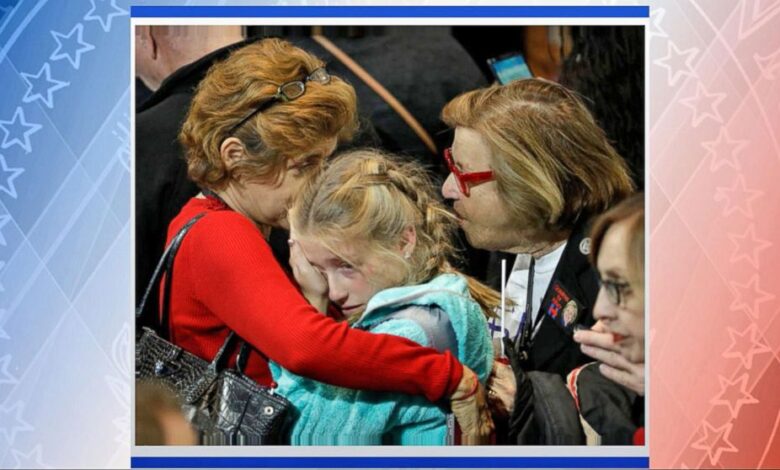
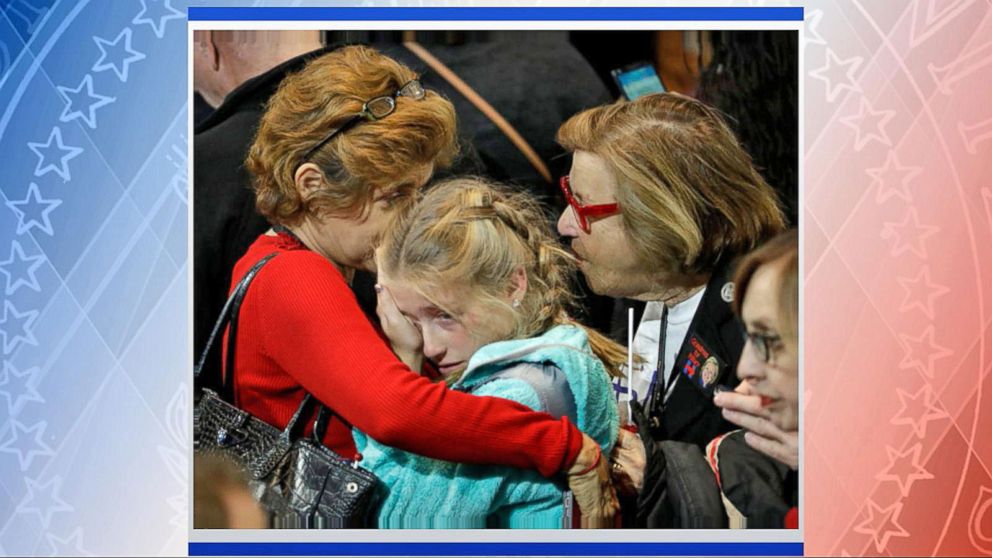
Navigating the emotional landscape of an election with children requires sensitivity and understanding. Children, especially younger ones, often struggle to comprehend complex political issues and their implications. This section focuses on helping parents recognize and address children’s emotional responses to the election process. Empathy and open communication are key to fostering a sense of security and well-being.Helping children process their emotions is crucial during election periods.
Children’s perspectives are shaped by their experiences, and understanding these perspectives allows parents to tailor their responses effectively. This proactive approach helps build resilience and coping mechanisms.
Identifying Common Emotional Responses, How to talk to your kids about the election
Children’s emotional responses to the election can vary significantly. Understanding these responses is essential for parents to provide appropriate support. Common responses include anxiety, fear, confusion, excitement, and even frustration. These emotions are normal reactions to a complex and potentially stressful situation.
- Anxiety: Children might express worry about the future, uncertainty about the outcome, or concern for the safety of loved ones. For example, a child might express fear about potential changes in their community or schools.
- Fear: Children may experience fear related to perceived threats to their safety, security, or lifestyle. This can stem from news reports or conversations at home. For example, fear about a potential change in immigration policies might cause anxiety in a child of immigrant parents.
- Confusion: Children may struggle to grasp the intricacies of political processes and candidate platforms. This can lead to confusion and a desire for clarification.
- Excitement: Children might show enthusiasm for the election process, particularly if it involves new faces or candidates who resonate with them.
- Frustration: If children feel unheard or their opinions disregarded, they might experience frustration, especially if they feel strongly about a particular candidate or issue.
Validating and Addressing Concerns
Validating children’s concerns is paramount. Acknowledge their feelings without necessarily agreeing with their conclusions. Let them know that it’s okay to feel anxious or worried. Emphasize that their feelings are valid and understandable given the circumstances. Creating a safe space for discussion is critical.
- Active Listening: Pay close attention to what your child is saying, both verbally and nonverbally. Avoid interrupting or dismissing their concerns. Reflect back what you hear to ensure understanding.
- Open-Ended Questions: Instead of asking leading questions, ask open-ended questions that encourage your child to elaborate on their feelings. For example, “How are you feeling about the election?”
- Providing Reassurance: Assure your child that the adults in their lives are working to create a safe and stable environment. This can help ease anxieties.
- Focus on Facts: If children are concerned about specific policies, provide age-appropriate information about those policies in a neutral way.
Managing Anxiety and Fear
Managing anxiety and fear is vital. Creating a structured routine, providing comfort, and offering opportunities for open communication can help. Consider providing a distraction or a calming activity to ease tension.
- Routine: Maintaining a consistent daily routine can provide a sense of stability and predictability, which is especially important during times of uncertainty.
- Comfort: Physical comfort, such as hugs or cuddles, can help reduce feelings of anxiety. Provide a safe space for your child to express their emotions.
- Distraction: Engaging in enjoyable activities, like reading, playing games, or spending time in nature, can help divert attention from anxieties.
- Open Communication: Maintain open communication channels with your child. Let them know that you are there for them, regardless of their feelings or opinions.
Teaching Peaceful and Respectful Expression
It’s important to teach children how to express their opinions peacefully and respectfully. Emphasize the importance of constructive dialogue and critical thinking. Explain that expressing differing views is a normal part of democracy.
- Role Modeling: Demonstrate respectful communication in your own interactions with others. This sets a positive example for your child.
- Active Listening: Emphasize the importance of listening to others’ viewpoints, even if you disagree. This helps children understand diverse perspectives.
- Fact-Checking: Teach children how to verify information from various sources and evaluate claims critically. Explain that not all information is accurate.
- Respectful Language: Model respectful language and encourage your child to use respectful language when discussing the election.
Emotional Reaction Guide
| Potential Emotional Reaction | Corresponding Response |
|---|---|
| Anxiety | Acknowledge the feeling, offer reassurance, maintain routine, and provide comfort. |
| Fear | Listen actively, validate the fear, and create a safe space for discussion. |
| Confusion | Provide age-appropriate explanations, use simple language, and answer questions patiently. |
| Excitement | Encourage expressing enthusiasm, but guide it towards respectful discussion. |
| Frustration | Validate the feeling, offer constructive ways to express opinions, and encourage empathy. |
Understanding the Election Process
Navigating the election process can feel complex, especially for young minds. Understanding the steps involved, the roles of different people, and how votes are tallied can help demystify the entire procedure. This section will break down the election process into manageable parts, making it easier to grasp for children.
Stages of the Election Process
Elections are a series of steps that unfold over time. Understanding these stages helps kids visualize the entire process from beginning to end. Each stage has a specific purpose and plays a crucial role in the outcome.
Talking to kids about the election can be tricky, but it’s important. Focus on simple explanations, age-appropriate details, and answering their questions honestly. While you’re explaining the candidates and the process, you might be interested in seeing what stunning outfit Irina Shayk chose for the Rio Brazil Carnival! irina shayk rio brazil carnival outfit It’s all about showing them that different viewpoints exist, and encouraging respectful discussions.
This way, you can foster a healthy understanding of democracy in young minds.
| Stage | Description |
|---|---|
| Candidate Nomination | Individuals express their interest in running for office by formally declaring their candidacy. This often involves gathering support and meeting specific requirements. |
| Campaigning | Candidates present their views and platforms to the public through speeches, rallies, and media appearances. They aim to persuade voters to support their candidacy. |
| Voting | Citizens eligible to vote cast their ballots for the candidate of their choice. This is a fundamental step in the democratic process. |
| Vote Counting | Votes are tallied and counted to determine the winner. This process is carefully monitored to ensure accuracy and fairness. |
| Election Results Announcement | The official results of the election are announced, declaring the winner of the election. This marks the culmination of the election process. |
Roles of Political Figures
Different individuals play unique roles in the election process. Understanding their functions helps children appreciate the collaborative nature of elections.
- Candidates: Individuals seeking public office. They present their platforms and policies to the electorate.
- Campaign Managers: These individuals oversee the candidate’s campaign activities, ensuring effective communication and strategy.
- Voters: Citizens eligible to vote in an election. Their choices determine the outcome.
- Poll Workers: Individuals who work at polling places, assisting voters with the process and ensuring smooth operations.
- Election Officials: These individuals oversee the entire election process, ensuring fairness and accuracy.
Understanding the Voting Process
Voting is a fundamental aspect of the election process. Understanding the steps involved ensures a smooth and informed process.
- Registering to Vote: Citizens must register to vote before the election date. This process varies by location and is typically handled through a designated agency.
- Finding Your Polling Place: Knowing where to vote is essential. This information is usually provided by election authorities or accessible online.
- Bringing Required Identification: Voters are typically required to present a valid form of identification to verify their eligibility.
- Casting Your Ballot: Once at the polling place, voters select their preferred candidate by marking their ballot according to the instructions provided.
- Returning Your Ballot: Voters must return their completed ballot to the designated election officials.
How Votes Are Counted
Counting votes is a critical step in determining election results. The process ensures accuracy and transparency.
Votes are tallied by hand or through electronic machines, depending on the specific jurisdiction. Counting procedures are meticulously designed to prevent errors and maintain fairness.
Tallying methods involve carefully examining marked ballots to determine the choice of each voter. The results are then tabulated to determine the overall winner.
Encouraging Critical Thinking: How To Talk To Your Kids About The Election

Helping children navigate the complexities of the election process requires equipping them with critical thinking skills. This goes beyond simply presenting facts; it’s about fostering an understanding of how information is gathered, analyzed, and interpreted. Children need to develop the ability to discern reliable sources from unreliable ones, to recognize bias, and to form their own reasoned opinions.
This process is crucial for developing informed and responsible citizens.Critical thinking skills are not innate; they are developed through practice and guidance. By engaging children in discussions about the election, we empower them to question, analyze, and ultimately, form their own conclusions. This process fosters a deeper understanding of the democratic process and encourages a healthy skepticism toward information presented to them.
Developing Independent Opinions
Children can develop their own opinions by engaging in respectful dialogue about the candidates and issues. Encourage them to articulate their thoughts and reasoning, even if those thoughts differ from yours. Active listening and thoughtful responses are vital in this process. Presenting different perspectives without judgment allows children to explore their own beliefs and values. Provide opportunities for them to consider multiple viewpoints and formulate their own opinions based on their understanding.
Evaluating Information from Various Sources
It’s essential to teach children the importance of evaluating information from multiple sources. This includes understanding that different news outlets and individuals may present the same event or issue with varying perspectives. By analyzing information from different sources, children can develop a more comprehensive understanding of the subject matter. This ability to see the bigger picture is essential in forming reasoned judgments.
Talking to kids about the election can be tricky, but keeping it simple and age-appropriate is key. Explain the different candidates and their platforms in a way they can understand. Consider using real-life examples to illustrate the concepts. While explaining the election process, you could also incorporate some fun facts about Addison Rae cupping therapy – maybe even discuss how different approaches to health and wellness can affect a person’s perspective.
Ultimately, focus on open communication and answering their questions honestly, so they feel comfortable voicing their concerns about the election process.
Encouraging children to question the source, author, and intended audience of information is key to discerning credibility.
Media Literacy and Election Coverage
Media literacy is crucial in navigating election coverage. Teach children to identify bias, propaganda, and emotional appeals in media messages. Help them understand that not all information presented is objective and to look for evidence-based reporting. Analyzing the language used, the tone of the article, and the overall message can help children discern the potential biases of the source.
Discuss the role of visuals, headlines, and other elements in shaping public opinion.
Distinguishing Facts from Opinions
A critical skill is differentiating between facts and opinions. Explain that facts are verifiable statements, while opinions are subjective judgments or beliefs. Encourage children to look for evidence to support claims. Use real-world examples from election coverage to demonstrate the difference. For instance, “Candidate A supports increasing taxes” is a statement of fact if verified by official sources.
“Candidate A is a terrible choice for office” is an opinion, lacking verifiable evidence.
Reliable Sources of Information
- Nonpartisan news organizations: These organizations strive to present objective reporting without favoring any specific candidate or party.
- Government websites: Official government sites provide access to data and information about the election process.
- Academic institutions: Researchers and experts at universities and colleges offer in-depth analysis and perspectives on election issues.
- Fact-checking websites: These websites scrutinize claims made during elections, identifying inaccuracies and biases.
These sources provide reliable and unbiased information. It’s crucial to use multiple sources for a balanced perspective.
Analyzing Information Critically
Encourage children to ask questions about the information they encounter. Guide them to consider the source’s potential biases and motives. Ask them to look for evidence to support claims. For example, if a news article claims a particular candidate has a flawed policy, guide them to find the specific details and supporting evidence from reputable sources. This is a skill that develops over time.
Building Civic Engagement
Talking to kids about the election is more than just explaining candidates and policies. It’s about fostering a lifelong understanding of how democracy works and how they can participate in shaping their communities. This crucial step builds civic engagement, empowering children to become responsible and active citizens.A strong foundation in civic engagement helps children develop critical thinking skills, understand the importance of community, and see themselves as part of something larger than themselves.
It equips them to make informed decisions, to advocate for what they believe in, and to participate in shaping the future of their society.
Promoting Civic Engagement in Children
Children can start developing civic engagement skills at a young age. By modeling responsible citizenship, you demonstrate the importance of participating in community life. Activities like volunteering at a local food bank or participating in neighborhood clean-ups can show children the tangible impact of their actions.
Importance of Participating in a Democratic Society
Participating in a democratic society is essential for its continued success. Citizens who are informed and engaged can hold their leaders accountable, influence policy decisions, and work towards a better future for all. This active participation ensures that diverse voices are heard and considered in the decision-making process.
Fostering a Sense of Responsibility Towards the Community
Children can develop a sense of responsibility towards their community by engaging in activities that benefit others. Participating in local events, helping neighbors in need, and contributing to their school’s community projects are excellent ways to cultivate a sense of belonging and responsibility. This understanding strengthens their connection to the wider community.
Volunteer Opportunities Related to the Election
Many organizations offer volunteer opportunities related to the election. These opportunities can include registering voters, helping with campaign events, or assisting with election day operations. These experiences provide hands-on opportunities to engage with the democratic process and see its practical application.
Activities that Promote Civic Engagement
- Organizing a neighborhood cleanup: This activity promotes environmental awareness and community spirit, demonstrating the importance of collective action for a cleaner environment. Children can learn about the impact of their actions on the wider community.
- Participating in a local fundraiser: Fundraising events for local charities provide children with the opportunity to understand the needs of the community and learn the importance of supporting those in need. This builds empathy and compassion for others.
- Creating a community bulletin board: This simple activity encourages communication and collaboration within the community. Children can share information, announcements, and local events, fostering a sense of connectedness and shared responsibility.
Using the Election as a Springboard for Community Issue Discussions
The election provides a natural springboard for discussing broader community issues. By examining the candidates’ positions on important topics like education, healthcare, or environmental protection, children can learn to critically evaluate different viewpoints and form their own informed opinions. This creates an environment for productive discussions and critical thinking.
Addressing Potential Misinformation
Navigating the complexities of the election process often involves encountering claims that aren’t entirely accurate. Understanding how to discern truth from falsehood is crucial for forming informed opinions and participating responsibly in a democratic society. Children, in particular, are vulnerable to misinformation, and it’s vital to equip them with the tools to critically evaluate information they encounter.Misinformation can take many forms, from subtle biases to outright fabrications.
Knowing where to look for reliable sources and how to identify potential red flags is paramount in this digital age, where information spreads rapidly and often without proper verification. It is essential to foster a culture of critical thinking and responsible information consumption in children to prepare them for the challenges and opportunities of the future.
Common Sources of Misinformation
Misinformation about elections can originate from various sources. These include social media platforms, unreliable websites, and even well-meaning but misinformed individuals. Distrust in established institutions and the desire for sensational content can also contribute to the spread of inaccurate information. News outlets with a demonstrably biased agenda can also be a significant source.
Importance of Fact-Checking
Fact-checking is a vital skill for evaluating the credibility of information. By verifying the accuracy of claims, we can avoid spreading misinformation and maintain a clear understanding of the facts. Fact-checking involves cross-referencing information from multiple reliable sources, examining the evidence presented, and considering potential biases.
Reliable Fact-Checking Websites and Resources
A variety of reputable organizations dedicate themselves to providing accurate information. These resources can be invaluable tools for verifying information related to the election process.
- PolitiFact: A nonpartisan fact-checking website that examines claims made by political figures and candidates.
- Snopes: A well-known fact-checking website that investigates various claims, often focusing on urban legends and conspiracy theories.
- FactCheck.org: A nonpartisan organization dedicated to scrutinizing the accuracy of statements made by political candidates and others.
- The Associated Press (AP): A widely recognized news organization known for its commitment to accuracy and unbiased reporting.
Strategies for Navigating Discussions About Misinformation
Engaging in discussions about misinformation with children requires a sensitive and supportive approach. Open communication and a focus on critical thinking skills are crucial. Avoid dismissing their concerns outright. Instead, encourage questions and curiosity. By fostering an environment of inquiry, you can guide them toward reliable information sources.
Teaching Children How to Evaluate Information Sources
Helping children evaluate information sources is a vital step in building their critical thinking skills. Encourage them to look for verifiable evidence, examine the author’s background, and consider the publication’s reputation. Understanding the purpose and potential biases of the source is equally important.
- Look for evidence: Encourage children to find supporting evidence for claims.
- Examine the author: Encourage children to consider the author’s background and potential biases.
- Consider the source: Encourage children to evaluate the reputation and purpose of the publication or website.
- Check for context: Encourage children to consider the broader context of the information.
Examples of Misinformation and Accurate Information
| Misinformation | Accurate Information |
|---|---|
| Candidate X is a known supporter of a radical political agenda. | Candidate X’s stance on several issues aligns with mainstream positions on specific policy areas. Independent fact-checking organizations can provide detailed summaries of their views. |
| The election results are rigged. | Election officials meticulously follow established procedures and legal guidelines. Voter registration, ballot counting, and verification processes are designed to ensure fairness. |
| Social media posts claiming widespread voter fraud. | Voter fraud is a rare occurrence and is typically prosecuted under existing laws. Information on specific cases can be found on official election websites. |
Final Review
Ultimately, talking to your kids about the election is about fostering a deeper understanding of democracy and civic engagement. By providing age-appropriate information, addressing emotions, and encouraging critical thinking, you empower children to become active and informed participants in our society. Remember, open communication and a supportive environment are key to making these conversations meaningful and productive for everyone.