Layering tips and tricks are your secret weapon for mastering any season or occasion. From casual outings to formal events, understanding how to layer clothes effectively can elevate your style and keep you comfortable. This guide dives deep into the art of layering, covering everything from choosing the right fabrics to mastering specific outfits for various body types and weather conditions.
Get ready to unlock the full potential of your wardrobe!
This comprehensive guide provides a step-by-step approach to layering, covering everything from the basics of layering different types of apparel to mastering specific outfits for diverse weather conditions and body types. We’ll explore how to avoid common layering mistakes and discover current trends in layering. Whether you’re a seasoned fashionista or a layering novice, this guide will equip you with the knowledge to confidently layer your outfits.
Introduction to Layering
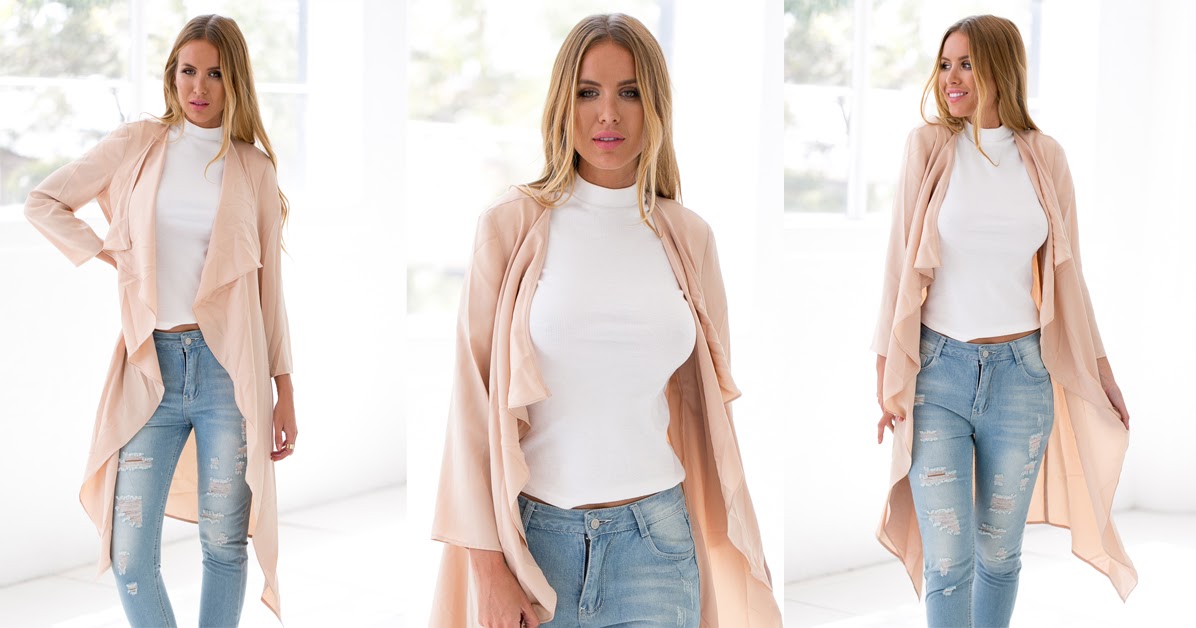
Layering in clothing is a strategic approach to dressing that involves wearing multiple garments over one another. This method allows for a significant degree of flexibility in adapting to changing weather conditions and activity levels. It’s a fundamental principle for maximizing comfort and style throughout the day, from a casual stroll to a demanding outdoor adventure.The core benefits of layering lie in its versatility and temperature regulation.
A layered outfit can seamlessly transition from a warm indoor environment to a cooler outdoor setting, or from a relaxed casual gathering to a more formal event. This adaptability is crucial for managing fluctuating temperatures and ensuring consistent comfort regardless of the circumstances.
Layering Scenarios
Layering is adaptable to various scenarios. A casual outing might involve a lightweight t-shirt, a fleece jacket, and a denim jacket. A professional setting might use a button-down shirt layered over a thermal top and a blazer. Outdoor activities like hiking or skiing demand layering to regulate temperature effectively, such as a base layer, mid-layer, and outer shell.
Proper layering is essential to maintaining a comfortable and safe environment for any activity.
Basic Layering Structure
| Weather Conditions | Activity Type | Recommended Layers |
|---|---|---|
| Mild, Sunny | Casual walk, shopping | Lightweight t-shirt, cardigan, or denim jacket |
| Cool, Cloudy | Hiking, biking | Thermal shirt, fleece jacket, windbreaker |
| Chilly, Rainy | Commuting, errands | Thermal top, sweater, waterproof jacket |
| Cold, Snowy | Skiing, snowboarding | Base layer, fleece jacket, insulated ski jacket, hat, gloves |
| Very Cold | Outdoor work, winter sports | Thermal underwear, fleece jacket, insulated jacket, hat, gloves, scarf |
This table provides a framework for building appropriate layered outfits based on the prevailing weather and activity. Adjusting the layers within the table can cater to individual preferences and specific requirements. For example, a more active person might prefer a lighter, more breathable mid-layer during a walk, while someone with a higher tolerance for cold might use a thinner base layer.
Types of Layering Apparel
Layering is a crucial aspect of dressing for varying weather conditions and personal style. Understanding the different types of layering garments, their characteristics, and suitable materials is key to building a versatile and effective wardrobe. Proper layering allows for adaptability and comfort in a wide range of climates and activities.Layering apparel is not just about adding clothes; it’s about strategically combining garments with specific functions to optimize warmth, comfort, and protection.
Different layers serve different purposes, from wicking away moisture to providing insulation and protection from the elements. This approach offers a dynamic and adjustable way to dress, unlike a single, heavy garment that might be too warm in some situations and insufficient in others.
Base Layers
Base layers are the foundation of any layering system. They are the first layer of clothing against the skin and are designed to manage moisture and regulate body temperature. Their primary function is to wick away sweat and keep the skin dry, preventing discomfort and maintaining thermal balance. This is critical for comfort and preventing overheating or chilling.
- Material Selection: Base layers are often made from moisture-wicking fabrics like merino wool, synthetic fabrics (polyester, nylon), or moisture-wicking blends. These materials are specifically chosen for their ability to pull moisture away from the skin and keep it dry, even during intense physical activity. Cotton, while comfortable, is not as effective at wicking moisture as wool or synthetic fabrics.
- Key Features: Key features include close-fitting designs, moisture-wicking properties, and breathability. They are typically made from lightweight materials to avoid adding bulk or restricting movement.
Mid-Layers
Mid-layers are the insulating layer of the system. They are designed to trap heat and provide warmth, but they can also add versatility by being worn on their own or combined with other layers. Their purpose is to add a significant layer of insulation.
- Material Selection: Mid-layers often include fleece, wool, or down-filled jackets. Fleece is a synthetic material that is lightweight and warm. Wool is a natural fiber known for its exceptional warmth and moisture-wicking capabilities. Down is an excellent insulator but requires a waterproof outer layer to maintain its effectiveness.
- Key Features: Mid-layers are typically lightweight and compressible, making them easily packable for travel or outdoor activities. They often feature a soft, comfortable feel against the skin and excellent insulation properties. The specific insulation characteristics of the material used depend on the intended temperature and activity.
Outer Layers
Outer layers are the outermost layer and are designed for protection from the elements, such as wind, rain, and snow. Their primary function is to shield the wearer from harsh weather conditions.
- Material Selection: Outer layers can be made from waterproof and windproof fabrics like nylon, polyester, or Gore-Tex. These materials provide protection from the elements, preventing water and wind from penetrating the layers below. Water resistance and breathability are critical features to ensure comfort during outdoor activities.
- Key Features: Outer layers are often waterproof, windproof, and durable. They often include features like hoods, adjustable cuffs, and water-resistant zippers to enhance protection and adjustability.
Comparison of Layering Fabrics
| Fabric | Pros | Cons |
|---|---|---|
| Wool | Excellent warmth, moisture-wicking, odor resistance | Can be itchy for some, can shrink or felt with improper care |
| Cotton | Soft, breathable, readily available | Poor moisture-wicking, retains moisture, can take longer to dry |
| Synthetic (Polyester, Nylon) | Moisture-wicking, quick-drying, durable, lightweight | Can feel less breathable than natural fibers, may not be as warm as wool in extreme cold |
Layering for Specific Occasions
Layering is more than just a fashion trend; it’s a practical way to adjust to changing weather conditions and adapt to various activities. Understanding how to layer effectively allows you to stay comfortable and stylish in a range of situations, from a brisk morning run to a formal business meeting. Choosing the right layers for the occasion ensures you’re prepared for anything.Knowing how to layer for different climates and activities is crucial for maintaining comfort and style.
This section explores layering strategies for diverse situations, from extreme cold to mild warmth, and details how to tailor outfits for various physical activities and social events.
Layering Strategies for Different Weather Conditions
Layering for different weather conditions is essential for optimal comfort and versatility. Different temperatures require different layering approaches. A fundamental principle is to start with a base layer that wicks away moisture, followed by insulation, and a waterproof outer layer to protect against the elements.
- Cold Weather: In cold weather, layering is critical. Start with a moisture-wicking base layer to keep your skin dry. A mid-layer, like a fleece or sweater, provides insulation. A waterproof and windproof outer layer, such as a coat or jacket, will protect you from the elements. Think thermal underwear, a fleece jacket, and a waterproof parka for extreme cold.
Layers of merino wool or synthetic materials are ideal for retaining body heat and breathability.
- Warm Weather: Warm weather requires a lighter approach to layering. A breathable base layer will be sufficient, perhaps a moisture-wicking T-shirt. A light, breathable mid-layer, like a linen or cotton shirt, can be added for extra warmth if needed, especially in the evening. A light jacket or a cardigan is a good outer layer to protect from sudden changes in temperature or the sun.
Lightweight fabrics like cotton and linen are suitable for warm weather layering.
- Mixed Weather: Mixed weather conditions, such as spring or fall, require adaptable layering. A moisture-wicking base layer is a must, followed by a mid-layer that can be adjusted depending on the temperature fluctuations. A light jacket or a cardigan can serve as an outer layer. A versatile raincoat or a light waterproof jacket can be useful for unexpected rain showers.
A good example is a moisture-wicking t-shirt, a lightweight sweater, and a light waterproof jacket.
Layering for Specific Activities
Selecting appropriate layers is essential for optimal performance during various activities. The right outfit will keep you comfortable and allow you to move freely.
- Running: For running, choose moisture-wicking base layers and a lightweight, breathable mid-layer. A windbreaker or light jacket can be added as an outer layer depending on the weather. Running gear typically features moisture-wicking fabrics to keep you dry during exercise.
- Hiking: Hiking requires layering for varying terrain and elevation changes. Moisture-wicking base layers, fleece or wool mid-layers, and a waterproof, windproof outer layer are essential. Consider a hiking-specific jacket and pants for maximum protection and breathability.
- Business Meetings: For business meetings, layering allows you to adjust to the room temperature. A breathable, neutral-colored base layer, a blazer or jacket, and a scarf can complete a sophisticated look. Business attire usually emphasizes neutral colors and tailored garments.
Layering for Different Body Types
Consider your body type when layering to achieve a flattering and comfortable look. A well-chosen layering strategy can accentuate your best features.
- Tall: Tall individuals can play with layering lengths and proportions. Experiment with longer jackets or layering a longer top with a shorter jacket. Vertical lines in layering can create an elongated look.
- Short: Short individuals should avoid overly bulky layers. Focus on layering items that create a vertical line. A fitted jacket or a blazer paired with a dress can be good choices.
- Athletic Build: Individuals with an athletic build can use layering to create balance and definition. Fitted layering pieces, especially with structured jackets, can be a good choice.
Layered Outfits for Various Occasions
This table illustrates a variety of layered outfits for different occasions. These outfits offer flexibility and practicality, considering the weather and the activity.
| Occasion | Base Layer | Mid Layer | Outer Layer | Accessories |
|---|---|---|---|---|
| Running (Cold) | Moisture-wicking top | Fleece jacket | Windbreaker | Running shoes, headband |
| Hiking (Mixed) | Moisture-wicking shirt | Sweater | Waterproof jacket | Hiking boots, backpack |
| Business Meeting | Silk shirt | Blazer | Cardigan | Scarf, briefcase |
| Casual Date (Warm) | T-shirt | Cotton shirt | Light jacket | Sunglasses, watch |
Layering Accessories
Layering isn’t just about clothing; it’s about crafting a complete ensemble. Accessories play a crucial role in elevating a layered outfit, adding personality and visual interest. They can transform a simple layered look into a sophisticated statement. A well-chosen scarf, belt, or piece of jewelry can tie the entire outfit together, creating a cohesive and polished aesthetic.Accessories act as the finishing touch, adding a personal touch to your layered garments.
They enhance the overall look, making it more interesting and tailored to your personal style. A well-selected accessory can dramatically change the impression your outfit makes.
Scarves: Versatile Style Enhancers
Scarves are incredibly versatile accessories that can transform a layered outfit in numerous ways. They can add warmth, texture, and a pop of color or pattern. A silk scarf draped elegantly over a jacket or sweater can instantly elevate the look, while a chunky knit scarf adds a cozy and fashionable touch to a winter ensemble. Consider the fabric and pattern of the scarf when choosing it for a layered look.
A patterned scarf can add a touch of playful vibrancy, whereas a solid-colored scarf provides a more understated sophistication.
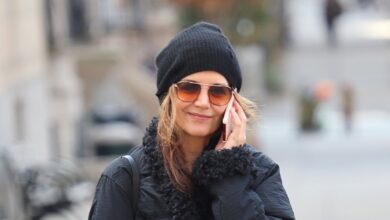
Layering is key to mastering any wardrobe, especially in transitional weather. Looking at style icons like the 10 best dressed stars, Rachel Zegler, Katie Holmes, and Lupita Nyong’o, they demonstrate how to effortlessly layer different textures and lengths. Learning from their examples will elevate your layering game and transform any outfit from simple to sophisticated.
Belts: Defining Proportions and Style
Belts are essential for defining the waistline and adding structure to layered outfits. They visually divide the layers, creating a more balanced and defined silhouette. A wide leather belt can add a touch of rugged chic to a layered ensemble, while a delicate belt made of fabric can add a touch of femininity. The choice of belt material and style should complement the other accessories and the overall outfit.
For example, a leather belt can work well with a more casual layering look, while a woven belt can add a touch of bohemian flair.
Jewelry: Adding Sparkle and Personality
Jewelry is a powerful tool for expressing personal style. It can add a touch of glamour and sophistication to a layered outfit. A delicate necklace can complement a simple layered look, while statement earrings or a bold bracelet can add a touch of drama. Different types of jewelry can be combined and matched with different layering styles. For instance, delicate chains and earrings can add a touch of sophistication to a layered outfit, while bold rings or bangles can complement a more bohemian look.
Hats: Completing the Layered Look
Hats are a fantastic accessory for finishing off a layered outfit, providing a touch of elegance and protection from the elements. A stylish fedora can elevate a layered summer outfit, while a cozy beanie adds warmth and a touch of casual chic in colder weather. The hat’s style and material should be chosen to complement the overall layering look.
For example, a wide-brimmed hat can add a touch of bohemian flair to a layered outfit, while a baseball cap can create a more casual and sporty look.
Accessories for Different Styles
| Accessory | Use | How to Incorporate into Layered Outfits |
|---|---|---|
| Scarf | Add warmth, color, and texture | Drape over a jacket, sweater, or use as a head wrap. |
| Belt | Define waistline, add structure | Layer a belt over a sweater or jacket to cinch the waist. |
| Jewelry | Add sparkle, personality | Layer necklaces, bracelets, or earrings to complement the outfit. |
| Hat | Add style, protection | Complete the layered look with a hat that complements the outfit’s style. |
Layering for Specific Body Types
Layering isn’t just about warmth; it’s about enhancing your silhouette and highlighting your best features. Understanding how different layering strategies can accentuate various body types is crucial for creating a flattering and stylish look. Knowing which styles flatter your figure, and which ones to avoid, allows you to curate a wardrobe that feels confident and uniquely you.Effective layering takes into account not just the clothing items themselves, but also the way they work together to create an overall impression.
This means strategically choosing fabrics, lengths, and silhouettes that complement your body shape, rather than competing against it.
Layering Strategies for Apple Body Types
Apple body types, characterized by a wider midsection, often benefit from layering that draws attention away from the center and towards the neckline and limbs. This can be achieved by using fitted tops and jackets to create a defined waistline. Avoiding bulky or oversized garments in the midriff area is key to achieving a balanced look. A fitted top or sweater, layered over a long-sleeved tee, can subtly create the illusion of a more defined waist.
Adding a statement necklace or a scarf can further draw attention upward.
Layering Strategies for Pear Body Types
Pear body types, characterized by a wider hip and narrower shoulder area, need layering that balances the proportions. A top-heavy approach can often create a more harmonious silhouette. This can be accomplished by layering pieces that add volume to the shoulders or upper body, such as a structured blazer or a fitted cardigan. Pairing these with skirts or pants that are tailored to the hips will create a more balanced appearance.
Layering can help to create a more proportional look by drawing attention away from the hips and towards the upper body.
Layering is key to staying stylish in any season, and mastering it can elevate your outfits. Think about contrasting textures and colors, and don’t be afraid to experiment! With Jonathan Anderson’s departure from Loewe, jonathan anderson exits loewe , the fashion world is buzzing with speculation about what the future holds for the brand. But, whatever the future brings, mastering layering remains a crucial skill for any fashion enthusiast.
Layering Strategies for Hourglass Body Types
Hourglass body types, with a defined waist and balanced shoulders and hips, have the luxury of layering styles that emphasize their natural curves. The goal is to highlight the waistline and create a flattering silhouette. Layering with pieces that cinch or accentuate the waist, like a belted sweater or a structured jacket, is ideal. V-neck tops and dresses, which draw the eye downward, can also be used to accentuate the hourglass shape.
The key is to avoid layering that obscures the natural waistline.
Layering Strategies for Inverted Triangle Body Types
Inverted triangle body types, characterized by broad shoulders and a narrower waist and hips, benefit from layering that adds volume to the bottom half of the body. This can be achieved by layering longer skirts or wide-leg pants, or using garments that draw the eye downwards. Layering a structured top over a fitted turtleneck can help to balance the proportions.
Using a flowing scarf or a longer, wider-sleeved top can also help to create a more balanced appearance.
Layering Strategies for Rectangle Body Types
Rectangle body types, with a straight silhouette, can benefit from layering that adds definition and curves to the body. This can be achieved by layering garments that create a defined waistline, such as a fitted sweater or a belted jacket. The goal is to add visual interest and curves to the body. Choosing pieces that cinch the waist or add volume to the hips and bust can help to create a more balanced and visually appealing silhouette.
Layering Tips for Different Body Types
| Body Type | Suggested Garments | Avoiding Common Pitfalls |
|---|---|---|
| Apple | Fitted tops, structured jackets, long cardigans, statement necklaces, scarves | Avoid bulky sweaters, oversized jackets, and anything that emphasizes the midriff |
| Pear | Structured blazers, fitted cardigans, tailored skirts or pants, tops with shoulder details | Avoid garments that add volume to the hips, such as wide-leg pants or voluminous skirts |
| Hourglass | Belted sweaters, structured jackets, V-neck tops, flowy scarves | Avoid layering that hides the waistline |
| Inverted Triangle | Wide-leg pants, longer skirts, flowing cardigans, wide-sleeved tops, scarves | Avoid tight-fitting tops or jackets that emphasize the shoulders |
| Rectangle | Fitted sweaters, belted jackets, dresses with waist details, skirts with structure | Avoid layering that creates a uniform silhouette |
Layering Mistakes to Avoid
Layering, when done correctly, can be a powerful tool for building stylish and versatile outfits. However, a misstep in layering can lead to an unflattering or even comical result. Understanding common layering mistakes and their solutions empowers you to create sophisticated and well-balanced looks.Layering is about more than just adding clothes. It’s about creating a harmonious visual effect that complements your body type and the occasion.
Ignoring these fundamental principles can result in a jarring or unbalanced ensemble. Pay attention to fabric textures, colors, and silhouettes to achieve a cohesive and stylish look.
Layering is key for staying stylish, especially in unpredictable weather. Knowing how to layer outfits can save you money in the long run, just like understanding a bride city hall wedding cost breakdown helps you plan a budget-friendly wedding. Choosing versatile pieces that can be mixed and matched is a great way to maximize your wardrobe and minimize your shopping trips.
Knowing these layering tips and tricks will also come in handy for your next event.
Common Layering Errors and Their Consequences
Layering errors often stem from neglecting the interplay of textures, colors, and silhouettes. A poorly chosen combination can create a disjointed or visually heavy look. Mismatched patterns or clashing colors can make the outfit appear less polished. Ignoring the layering principles for your body type can lead to an unflattering silhouette.
Fabric and Texture Conflicts
Mixing fabrics with contrasting textures can sometimes create a jarring effect. For instance, pairing a smooth silk blouse with a rough, textured wool sweater can feel disharmonious. Similarly, mixing a shiny, metallic fabric with a matte fabric can result in a look that feels unbalanced. A good rule of thumb is to choose fabrics with similar textures or ones that complement each other.
A satin top paired with a linen blazer, for example, creates a cohesive look.
Color Clashing and Balance
Color combinations are crucial in layering. A vibrant, bold color paired with a muted, neutral color can create a balanced and appealing look. However, combining two bold colors that are too similar in tone can result in a clashing effect. For instance, a bright orange sweater with a red scarf might feel overly saturated. Instead, pairing the orange sweater with a neutral gray or beige cardigan would offer a more balanced look.
Silhouette and Proportion Issues
Silhouettes in layering must be considered. Overlapping silhouettes can create visual bulk or overwhelm the figure. A voluminous coat paired with a fitted top, for example, can create a top-heavy effect. A better choice would be a coat with a similar fit to the top. Likewise, pairing a long coat with high-waisted trousers provides a balanced silhouette, avoiding a top-heavy or bottom-heavy effect.
Examples of Unbalanced Layering Outfits
Imagine a look featuring a chunky knit sweater paired with a sequined mini skirt. This combination clashes due to the stark contrast in textures and formality. Similarly, a brightly colored, floral blouse layered over a dark, patterned blazer might feel disjointed. These examples highlight the importance of choosing items that complement each other.
Common Layering Mistakes and Solutions
- Mistake: Mixing fabrics with vastly different textures (e.g., a smooth silk top with a rough tweed jacket).
Solution: Choose fabrics with similar textures or ones that complement each other, such as pairing a linen shirt with a linen jacket. Consider a satin blouse over a chambray jacket. - Mistake: Combining two bold colors that are too similar in tone (e.g., a bright orange sweater with a deep red scarf).
Solution: Opt for a bold color with a neutral color. A vibrant teal top paired with a beige cardigan, or a mustard yellow sweater with a gray blazer, are better options. - Mistake: Overlapping silhouettes creating visual bulk (e.g., a puffy winter coat over a fitted top).
Solution: Choose items with similar silhouettes. A fitted winter coat over a fitted turtleneck would work well, or a blazer with a similar fit to the top.
Layering Trends and Inspiration
Layering is more than just adding extra warmth; it’s a powerful tool for expressing personal style and adapting to various weather conditions and occasions. Understanding current trends allows you to create looks that are both stylish and practical. This section dives into the hottest layering trends, providing inspiration and guidance on how to incorporate them into your wardrobe.The world of fashion is constantly evolving, and layering is no exception.
Trends come and go, but the core principles of layering—building warmth, creating visual interest, and expressing individuality—remain constant. This exploration of current trends will empower you to embrace layering with confidence and creativity.
Current Layering Trends
Layering trends often reflect broader fashion influences. Current trends prioritize versatility and comfortable sophistication. This is achieved by combining unexpected textures, contrasting colors, and strategically placed accessories.
- The Effortless Chic Look: This trend focuses on comfortable yet stylish pieces. Think oversized sweaters paired with sleek, tailored trousers or skirts. A key element is the relaxed silhouette, achieved by using pieces that aren’t overly tight or restrictive. Think flowy tops layered under a relaxed blazer. This look works well for everyday wear, date nights, or casual outings.
- The Bold Color Blocking Approach: Combining contrasting colors in a layered ensemble is a striking way to create a statement. This can involve layering a vibrant knit top under a neutral-colored coat or a patterned scarf over a solid-colored shirt. This approach can be tailored for different occasions, from work meetings to weekend gatherings.
- The Textural Fusion: Mixing different textures adds visual depth and interest to a layered outfit. For example, layering a soft cashmere sweater over a textured linen shirt creates a captivating look. This can be achieved with various materials such as wool, faux fur, or leather, creating a sense of complexity and visual appeal.
Inspiring Layering Looks
To gain further inspiration, let’s explore some real-world examples of layering from fashion magazines and social media.
“A classic example of layering is pairing a denim jacket with a cozy turtleneck sweater and straight-leg jeans. This combination is both warm and stylish, perfect for fall or spring.”
| Style | Occasion | Description |
|---|---|---|
| Casual | Weekend Brunch | A cream-colored oversized sweater paired with dark wash skinny jeans and ankle boots. A neutral-toned scarf adds a pop of color and style. |
| Business Casual | Office Day | A patterned blazer layered over a fitted blouse and tailored trousers. A delicate necklace adds a touch of femininity. |
| Formal | Holiday Party | A shimmering top paired with a long, patterned coat and black pants. A bold statement necklace and earrings complete the look. |
Adapting Trends to Your Style
Trends serve as a starting point, but the key is adapting them to your own personal taste and wardrobe. Consider your body type, skin tone, and personal preferences when choosing pieces to layer. For example, if you prefer a minimalist aesthetic, focus on neutral colors and simple shapes. If you’re drawn to bold patterns, try incorporating them in a subtle way by layering a patterned scarf or a printed blouse over a solid-colored base.
Layering for Different Ages and Styles: Layering Tips And Tricks
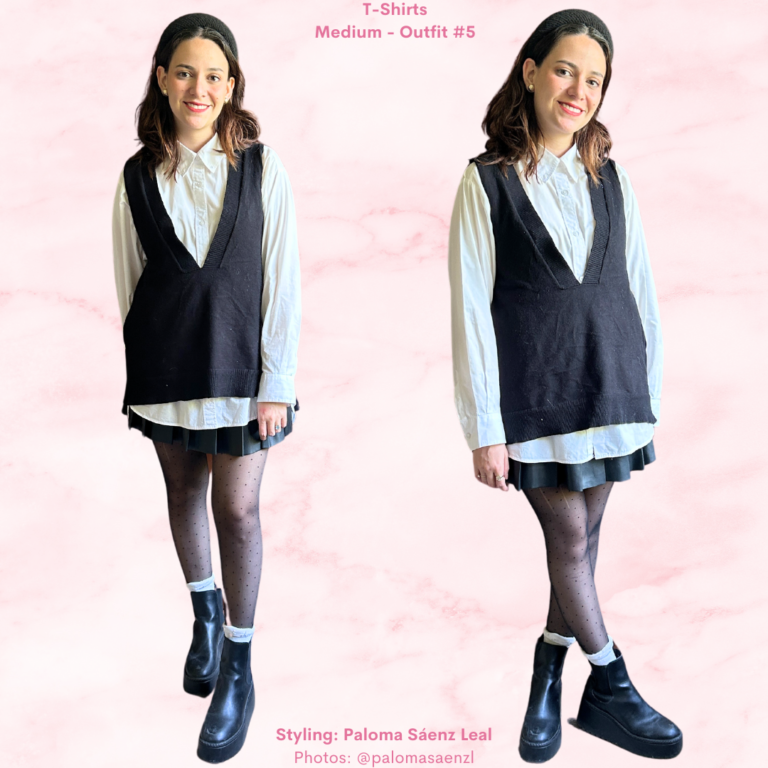
Layering is a versatile technique that can elevate any outfit, regardless of age or personal style. Understanding how to layer effectively for different demographics and fashion preferences can significantly enhance your wardrobe and confidence. This section delves into tailoring layering strategies for teenagers, adults, and seniors, as well as adapting techniques to various styles, like casual, formal, and bohemian.Layering isn’t just about adding warmth; it’s about creating visual interest and expressing your unique style.
The right layering combinations can make you look put-together and fashionable, while the wrong choices can appear sloppy or uncoordinated. By understanding the principles of layering for different ages and styles, you can create stylish and appropriate outfits for any occasion.
Layering for Teenagers
Teenagers are often experimenting with different styles and want to express their individuality. Layering for this age group should be fun and allow for a range of looks. Focus on pieces that are comfortable and easy to move in. Bold colors, patterns, and textures can be incorporated to showcase their personality.
- Casual Layering: A graphic tee paired with a denim jacket and ripped jeans creates a relaxed yet stylish look. A flannel shirt over a hoodie adds warmth and comfort on cooler days. Consider adding a scarf for extra flair.
- Trendy Layering: Oversized sweaters with trendy joggers or leggings create a modern look. Combining a crop top with a longer cardigan or a denim jacket provides a more stylish layered ensemble.
- Formal Layering: A fitted turtleneck paired with a blazer and straight-leg jeans can be dressed up or down. For special occasions, a flowy blouse layered over a fitted tank top and a statement necklace can elevate the overall look.
Layering for Adults, Layering tips and tricks
Adults often seek versatile layering options that are appropriate for a variety of occasions. The focus is on creating balanced and sophisticated looks that complement different body types.
- Casual Layering: A simple sweater layered over a t-shirt and jeans provides a comfortable and effortless look. A blazer or cardigan adds a touch of sophistication to any outfit. Consider incorporating accessories like scarves or belts to personalize the ensemble.
- Formal Layering: A blouse layered over a fitted tank top and a blazer creates a polished and professional look. A cardigan over a dress can be dressed up or down for different occasions.
- Smart Casual Layering: A button-down shirt layered over a fitted top and tailored trousers creates a smart casual look. A trench coat or a leather jacket can elevate this style.
Layering for Seniors
Layering for seniors should prioritize comfort and practicality. Pieces should be easy to put on and take off. Consider using layers that provide warmth and support.
- Casual Layering: A long-sleeved top layered over a t-shirt and comfortable pants provides warmth and style. A light jacket or cardigan can be added for extra warmth.
- Dressy Layering: A dress layered with a cardigan or jacket provides a stylish and appropriate option for various occasions. Choose layers that are easy to move in.
- Cozy Layering: A sweater layered over a thermal top and leggings can be comfortable for everyday wear. Choose fabrics that are soft and breathable for added comfort.
Layering by Style
Layering can be adapted to various fashion styles. Understanding the principles of layering can significantly enhance your wardrobe and confidence.
- Casual Style: Focus on comfortable and relaxed pieces. Consider layering a t-shirt with a denim jacket and jeans. Comfortable sweaters and hoodies can create a relaxed look. Athleisure styles, featuring layers of athletic wear, are also a common choice.
- Formal Style: A blouse layered over a tank top with a blazer can be an appropriate layering option for formal events. Use neutral colors and tailored pieces for a polished look. Avoid overly casual layering pieces in formal settings.
- Bohemian Style: Layered necklaces, scarves, and shawls can add depth and dimension to a bohemian ensemble. Flowy tops and dresses layered with jackets and cardigans create a relaxed yet stylish look.
Layering Advice Table
| Age Group | Style Preference | Layering Advice | Specific Examples | Considerations |
|---|---|---|---|---|
| Teenagers | Casual | Use comfortable and expressive pieces. | Graphic tee + denim jacket + jeans | Consider bold colors and patterns. |
| Adults | Formal | Prioritize polished and balanced looks. | Blouse + tank top + blazer | Choose tailored pieces and neutral colors. |
| Seniors | Casual | Prioritize comfort and ease of movement. | Long-sleeved top + t-shirt + pants | Choose soft and breathable fabrics. |
| All Ages | Bohemian | Embrace flowy and layered accessories. | Flowy top + cardigan + layered necklaces | Focus on comfortable and stylish layering. |
End of Discussion
In conclusion, mastering layering is about understanding the interplay of fabrics, functions, and fashion. By learning how to choose the right layers for different occasions, you can effortlessly transition between seasons, activities, and styles. This guide has armed you with the knowledge to confidently layer your outfits, creating a personalized style that reflects your unique taste and preferences. Now go forth and layer like a pro!