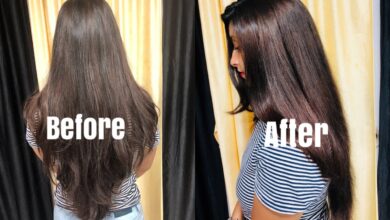
How to moisturize scalp is a crucial part of healthy hair. A hydrated scalp is the foundation for vibrant, strong hair. Dry scalps can lead to a whole host of issues, from itchiness and flakiness to weakened hair strands. This guide dives deep into understanding your scalp’s unique needs and provides practical techniques to keep it happy and healthy.
We’ll explore different scalp types, effective products, and routines to achieve long-term moisture balance, making your hair look and feel its best.
Understanding your scalp type is key to achieving the right moisture balance. Dry scalps require a different approach than oily or combination types. We’ll provide a detailed breakdown of each, including common characteristics and specific hydration requirements. This will equip you with the knowledge to tailor your moisturizing routine for optimal results. Additionally, we’ll look at the best products for your scalp type, exploring ingredients and their functions.
We’ll discuss various oils, serums, and masks, highlighting their benefits and potential risks. Finally, we’ll delve into practical application techniques and long-term maintenance strategies for sustained scalp health. You’ll learn how to avoid common mistakes and create a personalized routine that fits your lifestyle.
Introduction to Scalp Moisture
A healthy scalp is the foundation for healthy hair. Just like your skin needs hydration, your scalp does too. Proper scalp hydration is crucial for preventing dryness, promoting hair growth, and maintaining a balanced scalp environment. A well-hydrated scalp is less prone to irritation, flaking, and other issues that can impact the overall health and appearance of your hair.Maintaining a moisturized scalp is intrinsically linked to overall hair health.
A dry, irritated scalp can lead to breakage, split ends, and dullness, while a properly hydrated scalp promotes strong, healthy hair growth. This connection underscores the importance of prioritizing scalp care alongside hair care routines.
Common Scalp Issues Related to Dryness
Dry scalp is a common issue that can manifest in various ways. It often presents with itchiness, flaking, and tightness. These symptoms can be uncomfortable and disruptive to daily life. While dry scalp might seem similar to dandruff, there’s a key difference in the nature and cause of these issues.
Difference Between Dry Scalp and Dandruff
Dandruff, often characterized by white or yellowish flakes, is typically caused by a fungal overgrowth. Dry scalp, on the other hand, is usually a result of insufficient moisture. While both can cause discomfort and flaking, the underlying causes and treatments differ. Understanding this distinction is essential for choosing the appropriate care regimen.
Overview of Scalp Types and Moisture Needs
Scalps come in various types, each with unique characteristics and moisture requirements. Understanding your scalp type is crucial for selecting the right products and techniques for maintaining optimal hydration. Factors such as sebum production, environmental conditions, and lifestyle choices all play a role in determining your scalp’s specific needs.
Scalp Type Comparison
| Scalp Type | Characteristics | Moisture Needs | Care Recommendations |
|---|---|---|---|
| Dry | Low sebum production, often feels tight and itchy, prone to flaking, can be sensitive to harsh products. | High. Requires regular deep conditioning and moisturizing treatments. | Use hydrating shampoos and conditioners, consider scalp masks, avoid harsh scrubbing. |
| Oily | High sebum production, often appears shiny, can be prone to buildup, may not feel as dry or itchy. | Moderate. Focus on products designed for oily scalps, and proper cleansing. | Use clarifying shampoos, avoid heavy creams, and focus on gentle cleansing routines. |
| Combination | Areas of both high and low sebum production. Often dry around the hairline and forehead, while other areas may be oily. | Moderate to high. Focus on targeted hydration and cleansing for specific areas. | Use shampoos and conditioners formulated for combination scalps, focus on spot treatments for drier areas, and avoid overly heavy products. |
Understanding Scalp Moisture Products: How To Moisturize Scalp
Knowing the right scalp moisture products can be a game-changer for your hair health. Choosing the correct ingredients and products tailored to your scalp type is key to achieving a balanced and healthy scalp environment. This section dives into the world of scalp moisturizing products, highlighting their active ingredients, benefits, and potential risks.
Keeping your scalp hydrated is key for healthy hair, but who ultimately foots the bill for the wedding etiquette rules surrounding the reception? It’s a fascinating question, similar to the meticulous care needed to keep your scalp moisturized. A deep conditioner, combined with a moisturizing shampoo and regular scalp massages, can dramatically improve your scalp’s hydration. You might want to check out the intricacies of who pays for the wedding etiquette rules to see how the tradition of who pays for what can vary.
Ultimately, proper scalp hydration leads to happier hair and a healthier you.
Various Moisturizing Products
Scalp moisturizers come in diverse forms, each designed to address specific needs. Common products include oils, serums, and masks. Oils are often preferred for their deep moisturizing properties, while serums offer targeted hydration, and masks provide intensive treatments for specific scalp concerns.
Active Ingredients and Their Benefits
Understanding the active ingredients in these products is crucial for maximizing their effectiveness. Many oils contain fatty acids, vitamins, and antioxidants that nourish the scalp, promoting healthy hair growth and reducing dryness. For instance, certain oils are rich in vitamin E, a potent antioxidant that protects the scalp from environmental damage. Serums often incorporate humectants, which draw moisture from the air into the scalp, while masks might include ingredients like clay or herbs to further cleanse and nourish.
Comparison of Moisturizing Oils
Different oils possess varying properties, making them suitable for different scalp types. For example, coconut oil is known for its moisturizing and conditioning properties, making it a good choice for dry or damaged scalps. However, its thick consistency might not be ideal for oily scalps. Jojoba oil, on the other hand, has a similar consistency to sebum, the scalp’s natural oil, making it a good option for those with oily or combination scalps.
Additionally, argan oil is rich in vitamin E and fatty acids, providing intense hydration and nourishment for all scalp types.
Table of Common Moisturizing Ingredients
| Ingredient | Function | Scalp Type Suitability |
|---|---|---|
| Coconut Oil | Deeply moisturizes, conditions, and protects the scalp. Rich in fatty acids and vitamins. | Generally suitable for dry and damaged scalps. May be less suitable for oily scalps due to its thick consistency. |
| Jojoba Oil | Mimics the scalp’s natural sebum, making it suitable for various scalp types. Excellent for moisturizing without clogging pores. | Good for oily, combination, and even dry scalps. |
| Aloe Vera | Soothes inflammation, promotes healing, and hydrates the scalp. Known for its cooling and calming properties. | Suitable for all scalp types, particularly beneficial for irritated or inflamed scalps. |
Potential Risks and Side Effects
While generally safe, some scalp moisturizing products may cause allergic reactions or irritation in sensitive individuals. For example, individuals with known allergies to specific oils or ingredients should conduct a patch test before applying the product to the entire scalp. Excessive use of certain oils might lead to clogged pores or exacerbate existing scalp conditions like dandruff. Always follow product instructions carefully and consult a dermatologist if you experience any adverse reactions.
Keeping your scalp hydrated is key for healthy hair, and a good moisturizing routine can make a world of difference. Think about incorporating hydrating oils like argan or coconut oil into your hair care routine. While you’re focusing on a spring refresh, you might also want to check out the latest trends in footwear; springs new shoes larger than life are definitely turning heads this season.
springs new shoes larger than life But remember, a healthy scalp is a happy scalp, so don’t forget to follow up with a gentle scalp massage to boost circulation and maximize those moisturizing benefits.
Common Moisturizing Product Brands
Many reputable brands offer a range of scalp moisturizing products. Some popular choices include:
- Kérastase: Known for its luxurious formulas with various oils and serums catering to diverse hair and scalp types. Their products often include ingredients that promote healthy hair growth.
- Olaplex: Focused on repairing and strengthening damaged hair, often using specific technologies to target the hair’s internal structure. While not solely scalp-focused, they do offer products that can benefit the scalp.
- Aveda: Emphasizes natural and organic ingredients, often featuring plant extracts and essential oils that are known for their nourishing properties.
Moisture Techniques and Procedures
Nourishing your scalp goes beyond just applying products; it’s about understanding how to effectively work the moisture into your scalp’s texture. Proper application techniques, coupled with gentle scalp massage, can significantly enhance the absorption and retention of moisture, leading to a healthier, more vibrant scalp. This section will detail various methods for applying moisturizing products, emphasizing techniques for scalp massage, and providing examples of personalized moisturizing routines.
Applying Moisturizing Products
Different products require varying application methods. Oils, for instance, often benefit from a gentle warming technique to aid absorption. Apply a small amount to the palms of your hands and gently warm it before applying it to your scalp. For masks, a more even distribution is key. Use your fingertips to massage the mask into the scalp, ensuring all areas are covered.
Serums, with their often lighter consistency, can be applied using a cotton swab or your fingertips, concentrating on problem areas or specific sections of the scalp.
Scalp Massage Techniques
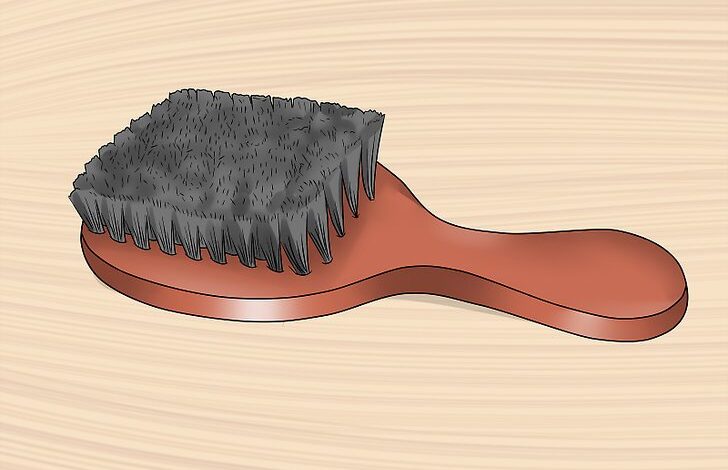
Scalp massage during moisturizing is crucial for stimulating blood circulation and enhancing product penetration. Gentle circular motions, using the pads of your fingers, are ideal. Avoid harsh scrubbing, as this can irritate the scalp and potentially lead to damage. Focus on areas experiencing dryness or flakiness. Apply firm, yet gentle pressure to areas that feel tight.
This will help in promoting healthy blood flow and maximizing the product’s effectiveness. Consider using a specialized scalp massager for a more thorough and comfortable experience.
Step-by-Step Moisturizing Routine
A consistent routine is vital for maintaining healthy scalp moisture. Here’s a basic template:
- Begin by cleansing your scalp with a gentle sulfate-free shampoo, avoiding harsh scrubbing.
- After rinsing, gently pat your scalp dry to avoid excess moisture.
- Apply a chosen moisturizing product (oil, mask, or serum), following the specific application method.
- Gently massage your scalp using circular motions, focusing on areas that need extra attention.
- Cover your hair with a shower cap or a warm towel to help the product penetrate better and maintain warmth.
- Leave the product on for the recommended time (usually 15-30 minutes). Longer application times might be needed for masks, but always follow product instructions.
- Rinse thoroughly with cool water.
- Follow with a light conditioning treatment for added hydration, if needed.
Personalized Moisturizing Routines
Different lifestyles necessitate different routines. For busy professionals, a quick 15-minute routine incorporating a leave-in conditioner with a scalp oil massage can provide significant hydration without significant time commitment. For those with more time, a deeper moisturizing treatment with a mask once a week can yield more dramatic results.
Maintaining Scalp Moisture Throughout the Day
Maintaining moisture throughout the day is essential. A crucial tip is using a leave-in conditioner or a light moisturizing spray to keep the scalp hydrated between washes. Using a silk or satin pillowcase can also help prevent moisture loss during sleep.
Product Application Guide
| Product | Application | Frequency Recommendations |
|---|---|---|
| Scalp Oil | Warm a small amount between palms, then gently massage into scalp, focusing on dry areas. | 2-3 times per week, or as needed. |
| Scalp Mask | Apply evenly to the entire scalp, using fingertips to massage in. | 1-2 times per week, depending on scalp needs. |
| Scalp Serum | Apply a few drops to problem areas or the entire scalp, gently massaging into the skin. | 1-2 times per day, as needed. |
Maintaining Scalp Moisture Long-Term
Keeping your scalp moisturized isn’t just about a quick fix; it’s a long-term commitment that involves incorporating healthy habits into your daily routine. Consistency is key to achieving and maintaining a healthy scalp environment. This involves understanding the interconnectedness of diet, hydration, hair care products, and environmental factors.A balanced approach to scalp care ensures a thriving scalp, reducing dryness and promoting a vibrant, healthy appearance.
This section will delve into the critical aspects of maintaining long-term scalp moisture, from dietary choices to environmental considerations.
The Role of Diet and Lifestyle
A balanced diet rich in essential nutrients plays a crucial role in supporting scalp health. Nutrients like vitamins, minerals, and healthy fats contribute to the overall well-being of the scalp, aiding in moisture retention. Lifestyle factors like stress levels and adequate sleep also impact scalp health. Chronic stress can disrupt the natural oil production, leading to dryness and irritation.
Prioritizing sleep allows the body to repair and regenerate, positively affecting the scalp’s ability to maintain moisture.
Keeping your scalp hydrated is key for healthy hair, and a good moisturizing routine can do wonders. Think about incorporating hydrating shampoos and conditioners, and don’t forget a deep conditioning mask once a week. Plus, if you’re feeling extra fancy, you could even try some of the latest hair care trends, like the ones featured in the Dior slogan tee worn by Carrie Bradshaw, as seen in this article on dior slogan tee carrie bradshaw.
Ultimately, a moisturized scalp leads to a healthier head of hair, no matter what style you choose!
The Connection Between Hydration and Scalp Health
Adequate hydration is vital for maintaining scalp moisture. Water is essential for transporting nutrients to the scalp and flushing out toxins. Insufficient hydration can lead to scalp dryness, flakiness, and irritation. Drinking plenty of water daily is crucial for maintaining a healthy scalp environment. This hydration supports the natural oil production, which is critical for moisture retention.
Choosing Appropriate Hair Care Products
Selecting hair care products suitable for your scalp type is essential for maintaining scalp moisture. Over-drying shampoos and conditioners can strip away natural oils, leading to dryness and irritation. Look for products specifically formulated for dry or sensitive scalps. They often contain moisturizing ingredients like ceramides and humectants. Using the right products for your scalp type is a key aspect of maintaining scalp moisture.
Managing Environmental Factors
Environmental factors significantly impact scalp moisture. Harsh weather conditions, like extreme heat or cold, can disrupt the scalp’s natural moisture balance. Similarly, pollution can contribute to scalp dryness and irritation. Protecting your scalp from these external aggressors is essential for long-term moisture maintenance. This can involve using protective hair coverings in extreme weather or choosing scalp-friendly products to combat pollution.
Nutritious Foods for a Healthy Scalp
A diet rich in specific nutrients supports scalp health and moisture. These foods provide the building blocks for a healthy scalp. Some examples include:
- Fatty fish (salmon, tuna): Rich in omega-3 fatty acids, which are crucial for maintaining scalp hydration.
- Avocados: Packed with healthy fats, vitamins, and minerals, supporting scalp health and moisture.
- Leafy greens (spinach, kale): Provide essential vitamins and minerals vital for scalp health.
- Nuts and seeds: Offer healthy fats and essential nutrients, promoting scalp moisture.
- Eggs: A good source of protein and essential nutrients.
Hair Washing Frequency and Scalp Moisture
The frequency of hair washing can impact scalp moisture. Washing too frequently can strip away natural oils, leading to dryness. Washing too infrequently can result in product buildup, leading to other scalp issues. Finding the right balance is crucial. This may involve consulting a dermatologist to determine the best hair washing frequency for your scalp type.
Experimenting with different frequencies to discover what works best for you is also an option.
Common Mistakes to Avoid
Several common mistakes can hinder scalp moisture. Avoid these practices for a healthy scalp:
- Using harsh shampoos and conditioners: These can strip away essential oils, leading to dryness.
- Over-washing: Excessive washing removes natural oils, causing dryness.
- Ignoring scalp type: Using products not suitable for your scalp type can hinder moisture retention.
- Neglecting hydration: Insufficient water intake can negatively impact scalp moisture.
- Not protecting from the environment: Exposure to harsh weather and pollution can disrupt scalp moisture.
Addressing Specific Scalp Concerns
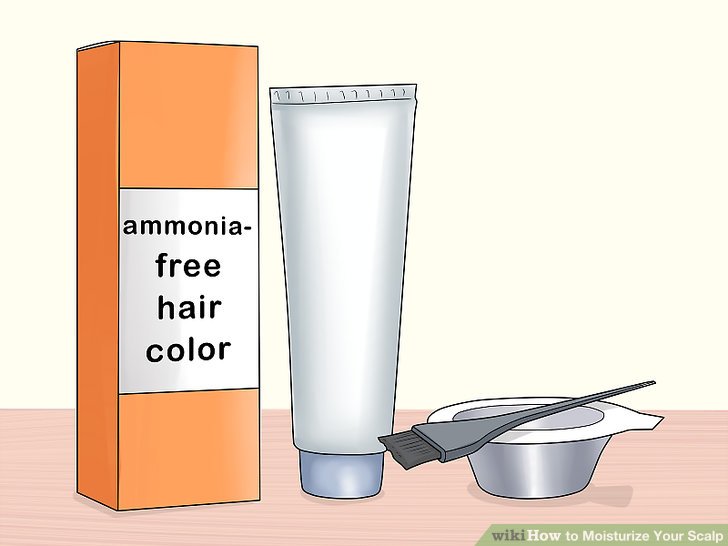
Maintaining a healthy scalp moisture balance is crucial for overall scalp health, but certain conditions can disrupt this equilibrium. Understanding these conditions and tailoring moisturizing strategies accordingly is vital for effective scalp care. This section will delve into common scalp issues that affect moisture, providing targeted solutions and guidance on when professional medical attention is necessary.
Common Scalp Conditions Impacting Moisture, How to moisturize scalp
Various conditions can interfere with scalp moisture. Eczema, psoriasis, and seborrheic dermatitis are examples of inflammatory skin conditions that can lead to dryness, flakiness, and itching. These conditions can disrupt the scalp’s natural barrier function, making it harder to retain moisture. Additionally, certain medications, stress, and environmental factors can also contribute to scalp dryness and exacerbate pre-existing conditions.
Moisturizing Strategies for Specific Scalp Conditions
Addressing scalp conditions requires a personalized approach. For eczema-prone scalps, gentle, fragrance-free products are essential. Look for ingredients like ceramides and humectants, which help restore the scalp’s barrier. Psoriasis often involves dry, flaky patches. Moisturizers containing ingredients like urea or salicylic acid can help manage these patches.
Seborrheic dermatitis may manifest as oily and flaky areas. In this case, a combination of gentle cleansing and targeted moisturizing can help manage the condition. Always consult a dermatologist for a tailored treatment plan.
Identifying Signs of Scalp Issues Requiring Medical Attention
Recognizing when a scalp issue warrants professional help is important. Persistent, intense itching, significant scaling, or noticeable redness are potential indicators. If the condition spreads, worsens, or causes discomfort, consult a dermatologist. Scalp pain, pus-filled sores, or significant hair loss should also be evaluated by a healthcare professional immediately.
Choosing the Right Products for Scalp Conditions
Selecting appropriate products is key. Look for hypoallergenic and fragrance-free options. Ingredients like ceramides, humectants, and emollients are often beneficial. Avoid harsh chemicals, alcohol, and irritants. When in doubt, consult a dermatologist for personalized product recommendations.
A dermatologist can assess your specific needs and recommend the most suitable products for your scalp condition.
Illustrative Examples of Scalp Conditions and Their Typical Appearance
Eczema on the scalp often presents as red, irritated patches with small, weeping sores. Psoriasis typically shows thick, silvery-white plaques. Seborrheic dermatitis can manifest as yellowish or white scales, particularly on the scalp’s oily areas, such as the hairline. These are just a few examples. A dermatologist can provide a more precise diagnosis and a customized treatment plan.
The Importance of Consulting a Dermatologist for Persistent Scalp Problems
Persistent scalp issues should be evaluated by a dermatologist. A dermatologist can provide a diagnosis, determine the underlying cause, and recommend appropriate treatment options. They can also rule out more serious conditions and tailor a personalized care plan for long-term management. Don’t hesitate to seek professional help for any persistent or concerning scalp issues. A dermatologist is the best resource for identifying and treating specific scalp conditions effectively.
Ultimate Conclusion
In conclusion, maintaining a moisturized scalp is essential for overall hair health. By understanding your scalp type, choosing the right products, and implementing effective techniques, you can create a personalized routine that addresses your specific needs. Remember to prioritize consistency and listen to your scalp’s cues. This comprehensive guide has provided you with the tools to achieve a healthy, hydrated scalp and vibrant, beautiful hair.
Now go forth and moisturize your scalp!