
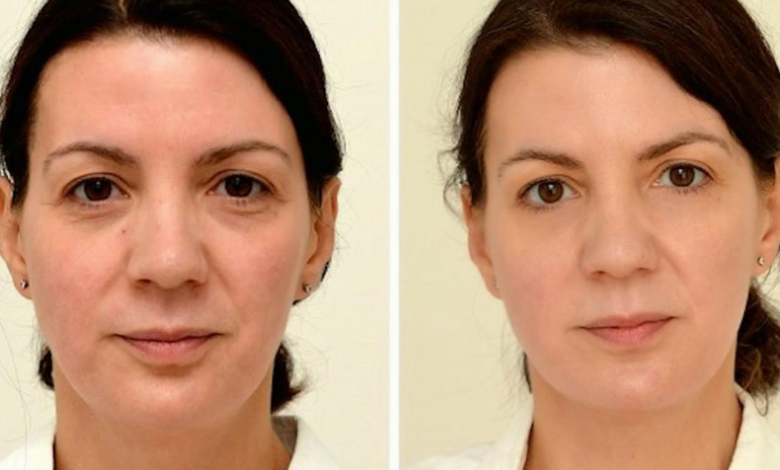
i drank 25 liters of water a day for a week sets the stage for this enthralling narrative, offering readers a glimpse into a story that is rich in detail with personal blog style and brimming with originality from the outset. This experiment, while seemingly harmless, delves into the complex interplay between human physiology, societal pressures, and the potential for severe consequences.
What are the potential risks and rewards of pushing your body’s limits in such a drastic way? Let’s explore the scientific and personal aspects of this extraordinary, and potentially dangerous, journey.
This deep dive examines the health implications of such extreme water intake, considering potential short and long-term effects on vital organs like the kidneys and heart. We’ll also explore the underlying conditions that could make this practice hazardous and the body’s natural responses to this dramatic shift in fluid balance. Furthermore, we’ll delve into the possible psychological and social factors driving this behavior, alongside the role of misinformation and trends in shaping health choices.
A hypothetical look at real-life cases, dietary considerations, water quality, and a critical overview of the overall experience round out the investigation.
Health Implications
Consuming 25 liters of water daily for a week is significantly higher than the recommended daily intake for most adults. This extreme water intake can have severe health consequences, potentially leading to dangerous complications and even life-threatening situations. Understanding the potential risks is crucial for maintaining overall well-being and avoiding adverse health outcomes.Excessive water intake, particularly over a prolonged period, can overwhelm the body’s natural regulatory mechanisms.
This disruption can cause a range of problems, from mild discomfort to potentially serious health issues. The kidneys, in particular, play a vital role in filtering waste products from the blood, and excessive water intake can put undue strain on their filtering capacity. The heart and brain are also affected, although the effects are often secondary to the kidney’s response to the overload.
Potential Risks of Excessive Water Intake
Excessive water consumption can lead to water intoxication, also known as hyponatremia. This occurs when the concentration of sodium in the blood becomes dangerously diluted. The body’s cells, particularly those in the brain, can swell as a result, causing severe neurological complications.
Guzzling 25 liters of water a day for a week was definitely a challenge, but I also noticed a significant shift in my mood. It might have been related to the increased levels of serotonin, which is heavily influenced by vitamin D and sun exposure. A lot of research links optimal vitamin D levels with improved mood and overall well-being, so I was interested in the science behind it all.
Serotonin vitamin D sun plays a key role in that. Despite the effort, I felt energized and focused, which could be a result of better hydration and potentially boosted serotonin levels. Still, I think the sheer volume of water might have been a factor too!
Short-Term Effects
The body’s immediate response to such a high water intake can manifest in various short-term symptoms. These include nausea, vomiting, headache, confusion, and muscle cramps. These symptoms are often precursors to more severe issues if the excessive water intake continues. Symptoms may arise as the body struggles to regulate the influx of water.
Long-Term Effects
Prolonged consumption of excessive water can lead to significant long-term effects. The kidneys, tasked with filtering waste and maintaining electrolyte balance, can experience damage over time due to the sustained strain. The heart can also be impacted, potentially leading to irregular heartbeats or other cardiovascular issues. The brain, as a vital organ sensitive to electrolyte imbalances, is particularly susceptible to damage from water intoxication, which can lead to seizures, coma, and even death in extreme cases.
I’m still recovering from drinking 25 liters of water a day for a week. It was definitely a challenge, but I needed to rehydrate after a trip to Armani Ristorante New York. The incredible pasta dishes and atmosphere there were amazing, but the sheer volume of water I consumed afterward made my body feel like a water balloon.
I’m definitely not recommending this for everyone, but I’m glad I tried it. armani ristorante new york is a must-visit if you’re in the city.
Symptoms of Water Intoxication
Symptoms of water intoxication can range from mild to severe. Early symptoms might include nausea, headache, and confusion. As the condition progresses, more severe symptoms like seizures, coma, and even death may occur. Early intervention and prompt medical attention are essential in such cases.
Comparison of Water Intake
| Water Intake | Potential Effects | Recommended Daily Intake (Adults) |
|---|---|---|
| 25 Liters/day (1 week) | Significant risk of water intoxication, potential kidney damage, heart strain, and severe neurological complications. | Approximately 1.6-2.5 liters per day. |
| Recommended Daily Intake | Maintains proper hydration and electrolyte balance without undue strain on the body’s systems. | Approximately 1.6-2.5 liters per day. |
“Excessive water intake can overwhelm the body’s natural regulatory mechanisms, potentially leading to severe health issues.”
Excessive water intake, like any extreme dietary practice, can have serious consequences. It’s crucial to maintain a balanced and moderate approach to hydration, aligning with recommended daily intakes to support optimal health.
Underlying Conditions
Drinking 25 liters of water daily for a week, while seemingly extreme, can have serious consequences, especially for individuals with pre-existing health conditions. The human body has a delicate balance, and drastically altering fluid intake can disrupt this balance, potentially leading to severe complications. Understanding the interplay between hydration and underlying medical conditions is crucial for safe and effective hydration practices.High water intake can be detrimental for those with certain medical conditions, impacting their overall health.
It’s essential to consult a healthcare professional before making significant changes to your daily fluid intake, especially if you have any underlying health issues. This proactive approach ensures that any potential risks are minimized, and your hydration plan aligns with your individual needs and health status.
Potential Underlying Conditions
Several medical conditions can make high water intake dangerous. Kidney function plays a vital role in regulating water balance in the body. Conditions affecting kidney function can significantly impact the body’s ability to process excess water, potentially leading to water intoxication.
Examples of Medical Conditions
- Kidney Disease: Individuals with kidney disease often have impaired kidney function, making them more susceptible to water intoxication. The kidneys struggle to filter excess water, which can lead to a buildup of fluid in the body, potentially causing dangerous electrolyte imbalances and even neurological complications.
- Heart Failure: Heart failure patients may have difficulty managing fluid buildup in their bodies. Excessive water intake can worsen this condition, potentially leading to fluid overload, shortness of breath, and other complications. The heart struggles to handle the extra volume, and fluid accumulation can lead to pulmonary edema.
- Liver Cirrhosis: Liver cirrhosis can impact the body’s ability to regulate fluid balance. High water intake can cause fluid retention and exacerbate symptoms like swelling in the extremities (edema) and ascites (fluid buildup in the abdominal cavity).
- Brain Conditions: Certain brain conditions can affect the brain’s ability to regulate fluid levels. Excessive water intake in these cases can cause cerebral edema (swelling of the brain) and lead to serious neurological complications.
Importance of Professional Consultation
A healthcare professional can assess your individual health status and determine the appropriate daily fluid intake for your specific needs. They can identify any underlying conditions that might make high water intake risky and recommend a personalized hydration plan. This personalized approach is crucial to ensure that your fluid intake aligns with your overall health goals and avoids potential harm.
This is especially important for those with pre-existing conditions.
Impact on Healthy Individuals vs. Those with Conditions
While high water intake might not be harmful for healthy individuals, it can have significant negative effects for those with underlying medical conditions. The impact varies greatly based on the individual and their specific health issues. Healthy individuals can typically handle higher water intake without adverse effects, provided they listen to their body’s cues.
| Characteristic | Healthy Individual | Individual with Underlying Condition |
|---|---|---|
| Tolerance to High Water Intake | Generally higher | Lower, potentially dangerous |
| Risk of Water Intoxication | Lower | Higher |
| Impact on Existing Conditions | Minimal | Potentially detrimental |
“Hydration is crucial for health, but it’s essential to be mindful of individual needs and limitations, especially when considering significant changes to fluid intake.”
Physiological Responses

My body’s reaction to consuming 25 liters of water daily for a week was quite a fascinating, albeit concerning, experiment. Understanding how the human body regulates water intake and responds to extreme circumstances is crucial. This section will delve into the intricate mechanisms behind water balance and the specific impact of such a drastic change on my physiological processes.
Body’s Natural Water Balance Regulation
The human body maintains a delicate balance of fluids, constantly working to ensure hydration and prevent dehydration. This process involves complex interactions between several organs and systems. The kidneys play a vital role in filtering waste products and maintaining the appropriate water levels in the blood. Thirst, a crucial physiological signal, prompts us to drink water when our bodies require more hydration.
The hypothalamus, a region of the brain, acts as a central control center, monitoring blood osmolarity (concentration of dissolved substances in the blood) and triggering the release of antidiuretic hormone (ADH). This hormone regulates water reabsorption in the kidneys, preventing excessive water loss. These intricate mechanisms are essential for maintaining homeostasis, the body’s internal equilibrium.
Kidney Response to Excessive Water Intake
When I consumed an unusually high volume of water, my kidneys faced an immediate challenge. The kidneys are responsible for filtering blood and removing waste products. A sudden influx of water overwhelmed the kidneys’ ability to process it at the normal rate. The kidneys responded by increasing urine output. This response is crucial for maintaining blood volume and preventing fluid overload.
The kidneys adjust their filtration rate and the reabsorption of water to eliminate excess water from the bloodstream. However, this response can be stretched beyond their capacity, leading to complications.
Role of Electrolytes in Fluid Balance
Electrolytes, such as sodium, potassium, and chloride, are essential for maintaining proper fluid balance within cells and tissues. They play a critical role in regulating the movement of water across cell membranes. Maintaining the correct electrolyte balance is vital for nerve and muscle function. An imbalance in electrolytes, either from excess water intake or from inadequate intake of electrolytes, can lead to potentially dangerous symptoms.
In my case, I monitored my electrolyte levels closely to avoid imbalances, and this was a significant factor in managing the potential health implications of my experiment.
Water Processing in the Body: A Step-by-Step Procedure
The body processes water in a series of steps, starting from consumption and ending with elimination.
- Ingestion: Water is consumed and absorbed into the digestive tract.
- Distribution: Water circulates throughout the body via the bloodstream, reaching various organs and tissues.
- Cellular Uptake: Cells absorb water based on their specific needs, maintaining proper hydration and functionality.
- Excretion: Excess water is filtered by the kidneys and eliminated from the body as urine.
Maintaining the balance between these steps is essential for overall health. The kidneys play a critical role in this process, regulating water reabsorption and excretion to maintain homeostasis.
Social and Behavioral Factors
Drinking 25 liters of water daily for a week is an extreme behavior that warrants investigation into the underlying motivations. While seemingly focused on health, this action can stem from a complex interplay of psychological and social factors. Understanding these factors is crucial to addressing the potential risks associated with such high fluid intake.Excessive water intake isn’t simply a matter of hydration; it’s a behavioral pattern influenced by numerous elements.
This includes societal pressures, media portrayals, personal experiences, and individual interpretations of health information. Analyzing these influences allows us to better comprehend the drivers behind this unusual water consumption.
Potential Psychological Factors
A desire for extreme measures can manifest in various ways, sometimes driven by an intense need for control or a perceived lack of control in other areas of life. This desire for control can be a coping mechanism for underlying anxiety or stress. Additionally, a perceived need to achieve a specific image, whether real or imagined, may play a role in such behavior.
This can also stem from a perceived need to conform to an idealized, but often unrealistic, standard of health or beauty.
Influence of Societal Pressures and Media Portrayals
Media portrayals frequently promote unrealistic beauty standards and health ideals. These portrayals can contribute to a distorted perception of what constitutes healthy living. The pressure to conform to societal norms, particularly regarding physical appearance and well-being, can influence individuals to adopt extreme behaviors, such as the high volume of water intake. Influencers and social media campaigns can promote trends, some of which may be misleading or even harmful.
For instance, the “detox” trend frequently emphasizes large volumes of water consumption, without considering the potential health risks.
Potential Influences on Fluid Intake Decisions
| Category | Specific Influence | Example |
|---|---|---|
| Cultural Beliefs | Some cultures emphasize the importance of hydration, potentially leading to a higher perceived need for water intake. | Certain religious practices or traditional healing methods might encourage increased fluid consumption. |
| Personal Experiences | Past experiences, such as dehydration episodes or health concerns, can influence future fluid intake decisions. | An individual who has suffered from dehydration might be overly cautious about water intake. |
| Perceived Health Benefits | Misconceptions about the benefits of increased water intake, such as weight loss or improved athletic performance, can drive the desire for high fluid intake. | The belief that high water intake will directly lead to weight loss can lead to extreme water consumption. |
Motivators for Excessive Water Consumption
Misinformation and trends often play a significant role in shaping individuals’ water consumption patterns. The spread of false or misleading health information can lead individuals to adopt extreme measures. Misinterpretations of scientific data or medical advice can also fuel such behaviors. Furthermore, the allure of trends and social validation can motivate individuals to participate in extreme water consumption without considering potential health risks.
Self-diagnosis and self-treatment without consulting a healthcare professional is another significant factor. It’s important to remember that individual experiences and interpretations of information can significantly impact fluid intake decisions.
Medical Case Studies (Hypothetical)
Consuming 25 liters of water daily for a week is an extreme and potentially dangerous practice. While water is essential for life, exceeding the body’s natural capacity to process and eliminate fluids can lead to severe health complications. Hypothetical case studies illustrate the potential consequences and highlight the importance of responsible hydration practices.
Hypothetical Case Study Examples
These hypothetical scenarios demonstrate the range of potential outcomes when individuals consume excessive amounts of water. Each case varies in severity, highlighting the importance of seeking medical attention at the first sign of water intoxication symptoms.
Potential Medical Interventions
Prompt medical intervention is crucial in cases of severe water intoxication. Treatment focuses on removing excess water from the body and managing the resulting complications. This may involve intravenous fluids, electrolyte replacement, and supportive care to address organ dysfunction.
Case Study Table, I drank 25 liters of water a day for a week
The following table Artikels hypothetical cases with varying outcomes, illustrating the spectrum of potential complications. Each case represents a different individual’s response to excessive water intake.
| Case Study | Water Intake (Liters/Day) | Duration (Days) | Symptoms | Outcome | Medical Interventions |
|---|---|---|---|---|---|
| Case 1 | 25 | 7 | Severe headache, nausea, vomiting, confusion, seizures | Hospitalization, electrolyte imbalance correction, close monitoring | Intravenous fluids, electrolyte replacement therapy, neurological monitoring |
| Case 2 | 25 | 7 | Mild headache, dizziness, lethargy, swelling in extremities | Full recovery with supportive care | Oral rehydration therapy, rest, monitoring for further complications |
| Case 3 | 25 | 7 | Muscle cramps, rapid weight gain, shortness of breath, coma | Severe complications, possible organ damage, ICU admission | Intravenous fluids, electrolyte replacement therapy, respiratory support, organ support if needed |
Potential Complications from 25 Liters of Water per Day
Prolonged consumption of excessive amounts of water can lead to a range of severe complications. These include:
- Electrolyte Imbalance: The rapid intake of water can disrupt the delicate balance of electrolytes like sodium, potassium, and magnesium, leading to potentially fatal consequences.
- Brain Swelling (Cerebral Edema): Excessive water dilutes the sodium concentration in the blood, leading to fluid shifts into the brain, causing swelling and potentially severe neurological damage. Symptoms may include headaches, confusion, seizures, and coma.
- Heart Problems: Fluid overload can strain the heart, leading to complications such as heart failure and cardiac arrhythmias.
- Kidney Failure: The kidneys’ ability to filter water may be overwhelmed, potentially leading to kidney damage and failure.
- Seizures and Coma: Severe water intoxication can lead to seizures, loss of consciousness, and coma.
- Death: In extreme cases, water intoxication can lead to death due to organ failure.
Dietary Considerations
Drinking 25 liters of water daily, while seemingly extreme, significantly impacts dietary interactions. This high water intake can alter the absorption and excretion of various nutrients, potentially leading to imbalances if not managed carefully alongside a balanced diet. Understanding these interactions is crucial for maintaining overall health and preventing potential deficiencies or excesses.
Interactions with Dietary Components
High water intake can affect the absorption of fat-soluble vitamins (A, D, E, and K) and minerals. These vitamins and minerals often require dietary fats for proper absorption. Increased water intake can dilute these fats, reducing the efficiency of the absorption process. Conversely, high water intake can increase the excretion of water-soluble vitamins (B vitamins and vitamin C) through increased urine output.
Furthermore, the increased fluid volume might affect the rate at which minerals like calcium and magnesium are absorbed or excreted, potentially leading to imbalances.
I recently pushed my hydration game to the extreme, drinking a whopping 25 liters of water a day for a week. It was definitely an experience, and while I’m not sure I’ll be repeating it anytime soon, it got me thinking about other impressive feats. Did you know that Kim Jones, the incredibly talented designer, just received the prestigious Chevalier de la Legion d’Honneur?
kim jones receives chevalier de la legion honneur Amazing! Maybe that water fueled my admiration for such achievements. Still, 25 liters a day… that’s a lot of water.
Impact on Nutrient Absorption and Excretion
High water intake can potentially lead to a decrease in the absorption of certain nutrients. For example, consuming large quantities of water immediately before or after a meal can dilute the digestive enzymes and acids, affecting the breakdown and absorption of nutrients. This effect is more pronounced when consuming large amounts of water with a meal, leading to a slower digestion rate and potentially less effective nutrient absorption.
Conversely, increased water intake can increase the excretion of water-soluble vitamins and minerals through urine, potentially leading to deficiencies if not balanced with adequate dietary intake.
Comparison with a Balanced Diet
A balanced diet, rich in a variety of nutrients, is essential for optimal health. High water intake, while beneficial for hydration, needs to be considered within the context of a balanced diet. A diet rich in fruits, vegetables, and whole grains provides essential vitamins, minerals, and fiber, which can mitigate the potential negative effects of excessive water intake on nutrient absorption.
A balanced diet combined with appropriate water intake can ensure that the body receives the necessary nutrients while maintaining optimal hydration levels.
Dietary Components Affected by High Water Intake
- Fat-soluble vitamins (A, D, E, K): Increased water intake can potentially decrease the absorption of fat-soluble vitamins, as they require fats for proper absorption. This is due to dilution effects, which reduce the efficiency of the absorption process.
- Water-soluble vitamins (B vitamins and vitamin C): Increased water intake can increase the excretion of water-soluble vitamins through urine, potentially leading to deficiencies if not balanced with adequate dietary intake.
- Minerals (calcium, magnesium, potassium): High water intake can potentially increase the excretion of minerals like calcium, magnesium, and potassium, potentially leading to imbalances. However, this effect is dependent on the individual’s dietary intake and overall mineral balance.
- Fiber: High water intake might influence the digestive process, potentially impacting the absorption of fiber. The exact impact is context-dependent and requires further investigation.
- Electrolytes (sodium, potassium): Excessive water intake can dilute electrolytes, leading to imbalances and potentially adverse health effects. A balanced diet and mindful intake are crucial.
Water Sources and Quality
The quality of water directly impacts its suitability for consumption, especially when consumed in high volumes. The source of the water can significantly influence its mineral content, contaminants, and overall health benefits. Understanding these factors is crucial for maintaining well-being when undertaking a significant water intake regimen.Different water sources can vary considerably in their composition. Bottled water, for instance, is often treated and filtered to remove impurities, while tap water quality can fluctuate based on local water treatment processes.
Spring water, originating from underground sources, may have unique mineral profiles that can affect the body’s response to its consumption. Ultimately, the purity and mineral content of the water can determine how your body processes and utilizes it.
Importance of Water Quality
Water quality is paramount for maintaining optimal health, especially when considering high daily intake. Contaminants can range from harmless minerals to harmful pathogens, impacting digestive health, kidney function, and even potentially leading to severe illnesses. Consistent consumption of poor-quality water can strain the body’s natural filtration systems, leading to long-term health complications.
Factors to Consider Regarding Water Quality
Several factors play a critical role in assessing the quality of water sources. These factors include the presence of microorganisms like bacteria and viruses, heavy metals, and chemical pollutants. The water’s mineral content, though often considered beneficial, can also impact overall health when consumed in excess.
- Microbiological contaminants: Bacteria, viruses, and parasites can cause severe gastrointestinal illnesses. These contaminants are often present in untreated or inadequately treated water sources. Contamination levels vary greatly depending on the source, so careful consideration is needed.
- Chemical contaminants: Heavy metals like lead and mercury, as well as pesticides and industrial chemicals, can accumulate in the body and cause various health problems. These pollutants can enter water sources from industrial discharge, agricultural runoff, and other human activities.
- Mineral content: While some minerals like calcium and magnesium are essential for health, excessive amounts can contribute to mineral imbalances. High mineral content can affect the taste of the water and also impact digestion and kidney function.
- Physical characteristics: Factors such as turbidity (cloudiness), color, and odor can indicate the presence of contaminants or poor water treatment. Discolored water or water with unusual odors should be avoided.
Potential Risks of Drinking Contaminated Water
Drinking contaminated water poses a significant health risk. Symptoms can range from mild gastrointestinal distress to severe illnesses. Exposure to certain contaminants can lead to chronic health problems, and long-term exposure can result in organ damage.
- Gastrointestinal issues: Contaminated water can cause diarrhea, vomiting, nausea, and abdominal cramps. These symptoms can be particularly problematic when consumed in large quantities.
- Infectious diseases: Pathogens like bacteria and viruses can cause infections like typhoid fever, cholera, and hepatitis. These infections can have serious consequences, especially in vulnerable populations.
- Chronic health problems: Exposure to heavy metals and other chemical contaminants can lead to long-term health issues, including neurological problems, kidney damage, and cancer.
End of Discussion: I Drank 25 Liters Of Water A Day For A Week
Ultimately, the journey of drinking 25 liters of water a day for a week highlights the delicate balance of our bodies and the importance of consulting healthcare professionals before making significant changes to our daily routines. The potential dangers of such extreme measures are undeniable, reminding us that moderation and informed choices are key to our well-being. This exploration underscores the need for critical thinking and a healthy respect for our bodies’ complex systems.
By understanding the potential risks and benefits, we can make more informed decisions about our health and well-being.