The Enduring Footwear Legacy of Woodstock and the 1970s Festival Culture

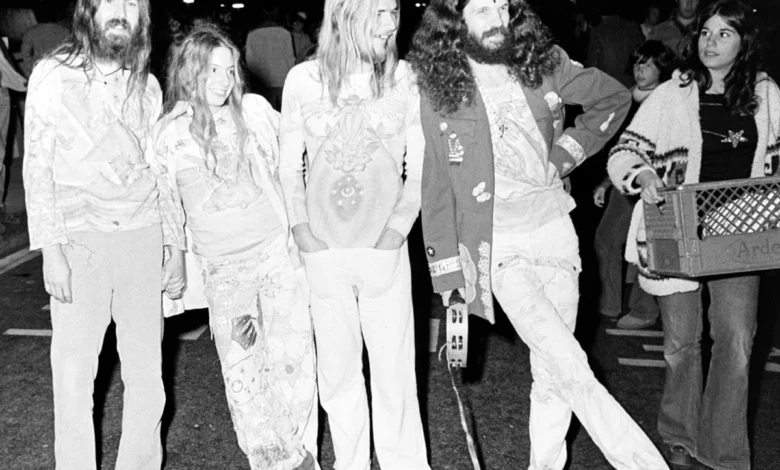
When hundreds of thousands of young people converged upon Max Yasgur’s dairy farm in Bethel, New York, for the Woodstock Music and Art Fair in August 1969, they did more than just attend a concert; they collectively birthed a cultural phenomenon that would reverberate for decades, fundamentally reshaping music, societal norms, and, perhaps less overtly but just as significantly, fashion. This seminal event, often dubbed "An Aquarian Exposition: 3 Days of Peace & Music," transcended its initial purpose as a music festival to become a powerful symbol of the counterculture movement, a spontaneous gathering that championed ideals of peace, love, and community amidst the tumultuous backdrop of the Vietnam War era. While the iconic musical performances by legends like Jimi Hendrix, Janis Joplin, and Creedence Clearwater Revival cemented its place in history, the attendees themselves, with their eclectic and uninhibited style, inadvertently codified a new sartorial language. This emergent fashion sensibility, characterized by an embrace of individuality, comfort, and a departure from traditional norms, was particularly evident in their choice of footwear, setting the stage for what would become known as "festival fashion" and defining the aesthetic landscape of the entire 1970s.
The Genesis of Festival Fashion: Woodstock’s Unplanned Runway
Woodstock was never intended to be a fashion show. Its primary allure was the unprecedented lineup of musical talent and the promise of a collective experience. However, the sheer scale of the event—drawing an estimated 400,000 to 500,000 attendees, far exceeding expectations—and the challenging, often muddy conditions of the farm, necessitated practical and comfortable attire. In an era where mainstream fashion was still largely dictated by established designers and societal expectations, the festival-goers arrived in an array of improvised, often handmade, and deeply personal ensembles. Bare feet, a common sight, symbolized a return to nature and a rejection of formality, while those who opted for shoes often chose utility over glamour. Simple leather sandals, rugged work boots, and Native American-inspired moccasins were practical choices for navigating the sprawling, often uneven terrain. The emphasis was on freedom of movement and self-expression, a stark contrast to the structured silhouettes that had dominated previous decades. This nascent individuality, born out of necessity and a spirit of rebellion, hinted at a broader cultural shift towards personal style that would soon permeate mainstream fashion.
The 1970s: A Decade Defined by Footwear Diversity

As the calendar turned to the 1970s, the bohemian and free-spirited aesthetic championed at Woodstock evolved into a more defined, yet equally diverse, fashion sensibility. Footwear, in particular, became a crucial element in expressing this new era’s mood, blending bold statements with laid-back summer staples. The decade witnessed an unprecedented variety of boots, sandals, and shoes, each telling a story of comfort, individuality, or burgeoning glamor.
Clogs: The Earthy Statement
One of the most emblematic footwear styles to emerge from this period was the classic clog. Rooted in European peasant traditions, wooden clogs, including the ubiquitous Dr. Scholl’s wooden sandals, became a signature of the era. Their sturdy wooden sole and often leather upper offered both comfort and a distinctive, earthy aesthetic that resonated with the burgeoning back-to-nature movement. Dr. Scholl’s, founded in 1906, had a long history of ergonomic design, but it was in the late 1960s and early 1970s that their wooden exercise sandals, with their anatomically sculpted footbeds, found a new audience among those seeking comfort and a casual, natural vibe. They perfectly complemented the flowing maxi dresses, wide-leg jeans, and embroidered tunics that characterized bohemian chic, cementing their status as a quintessential piece of festival and everyday wear.
Sandals: Comfort and Natural Appeal
The call for comfort and a connection to natural elements saw the rise of various sandal styles. Birkenstocks, a brand with a heritage dating back to 1774 in Germany, made their significant entry into the U.S. market in the mid-1960s, gaining considerable traction through the 1970s. Their anatomically shaped cork-latex footbed, designed for optimal foot health and support, aligned perfectly with the era’s focus on well-being and natural living. Initially embraced by health enthusiasts and counterculture proponents, Birkenstocks became synonymous with an effortless, practical, and conscious lifestyle. Similarly, huaraches, traditional Mexican woven leather sandals, offered a rustic charm and breathable comfort, further contributing to the laid-back, global-inspired aesthetic. These sandals, alongside simple leather thongs, celebrated comfort and authenticity, becoming staples for both festival grounds and everyday summer wear.
Sneakers: Casual Cool Takes Hold
While boots and sandals dominated the outdoor festival scene, sneakers also played a significant role in defining the decade’s casual cool. Brands like Keds, which would celebrate its 110th anniversary in 2026 (having been founded in 1916), transitioned from being primarily athletic footwear to essential components of everyday fashion. Worn-in Keds, often paired with denim, symbolized an accessible, understated style. They represented a youthful rebellion against the formality of previous generations, embracing an active and unfussy approach to dressing. This marked a crucial step in the democratization of footwear, where performance and comfort began to influence mainstream fashion choices.
Platforms: Glamour Reaches New Heights
Contrasting sharply with the earthy and casual styles, the 1970s also embraced the dramatic flair of sky-high platform shoes. These towering creations, often featuring thick soles and chunky heels, captured the decade’s growing love for glam rock, disco, and theatricality. From glittering boots to open-toed sandals, platforms offered an exaggerated silhouette that added height, confidence, and an undeniable sense of spectacle. While perhaps less practical for a muddy festival field, they represented the diverse facets of 70s fashion, showcasing a simultaneous desire for both grounded comfort and exuberant self-expression. They became a symbol of nightlife, dance floors, and a bold, uninhibited approach to style, proving that the era was not monolithic in its fashion philosophy.

Boots: Versatility for Every Vibe
Boots, too, underwent a significant evolution. While work boots and combat boots retained their utilitarian appeal, especially for outdoor events, the 1970s saw the diversification of boot styles. Cowboy boots, previously associated primarily with Western wear, gained wider appeal as country rock entered the mainstream. Knee-high boots, often paired with mini-skirts or flowing dresses, offered a versatile option that could be both chic and practical. Suede and leather remained popular materials, often adorned with fringe or intricate stitching, reflecting the bohemian and artisanal influences of the time. These boots offered durability and a distinct aesthetic, making them a perennial favorite for festivals and daily wear alike.
Earth Shoes: A Niche, Conscious Choice
A unique and noteworthy entry into the 1970s footwear landscape was the Earth Shoe. Introduced in the U.S. in 1970, these shoes featured a negative heel design, meaning the heel was lower than the toe, mimicking walking barefoot in sand. This design was touted for its purported health benefits, promoting better posture and a more natural gait. While not as universally popular as clogs or Birkenstocks, Earth Shoes found a dedicated following among those deeply invested in alternative lifestyles, health consciousness, and a return to natural forms. They epitomized a specific segment of the counterculture’s commitment to holistic well-being, translating a philosophical stance into a tangible fashion choice.
Beyond the Fields: The Democratization of Style
The fashion sensibility that crystallized at events like Woodstock and continued through the 1970s marked a pivotal moment in the history of attire. It signaled a profound shift away from the top-down dictates of haute couture and towards a more democratic, street-level influence. Individuals, rather than designers, became the primary arbiters of style. This was not merely about comfort; it was a powerful statement of identity, a rejection of conformity, and an embrace of personal freedom. Fashion historians often cite this period as instrumental in the rise of "street style" as a legitimate source of inspiration for designers, permanently altering the dynamics of the fashion industry. The focus shifted from what was prescribed to what felt authentic, practical, and expressive.
The Enduring Legacy: From Retro Revival to Modern Coachella

The impact of 1970s festival footwear extends far beyond the decade itself. Today, as contemporary festival season kicks off with events like Coachella, the echoes of those iconic styles are unmistakable. Modern festival-goers continue to draw inspiration from the bohemian aesthetic, comfort-driven designs, and individualistic spirit of the era. The continuous reinterpretation of clogs, platform boots, Birkenstock-esque sandals, and vintage-inspired sneakers demonstrates their timeless appeal. Brands frequently release "retro" collections, tapping into the nostalgia for a period perceived as genuinely free and expressive.
The legacy is not just stylistic; it is also philosophical. The enduring popularity of comfortable, durable, and sometimes ethically produced footwear at festivals reflects a continued desire for authenticity and practicality. The original spirit of Woodstock—a convergence of music, art, and community—finds its modern counterpart in today’s global festival circuit, and with it, the fashion choices that facilitate full immersion in the experience. From the muddy fields of Glastonbury to the dusty grounds of Coachella, the footwear choices remain a testament to the fundamental human desire for comfort, self-expression, and a connection to a broader cultural movement.
Conclusion: Footwear as a Cultural Barometer
The evolution of festival footwear from the late 1960s through the 1970s serves as a fascinating barometer of cultural change. What began as an impromptu necessity at Woodstock blossomed into a diverse and influential category of fashion. The varied array of boots, sandals, and shoes – from the earthy clogs and huaraches to the sky-high platforms and casual sneakers – collectively articulated the multifaceted identity of a generation seeking freedom, individuality, and a new sense of community. This period cemented the idea that fashion, particularly footwear, could be a powerful tool for personal expression and a reflection of broader societal values, a principle that continues to shape our approach to dressing for music and cultural events today. The styles chronicled in the Fairchild Archive and Footwear News are not merely relics of the past; they are foundational elements of an enduring cultural phenomenon, continually inspiring and shaping the aesthetics of festival fashion for generations to come.
Related posts: